
VisitBest guide
Best Hindi Comedy Movies: Classics, Satires and Modern Favourites
A watchlist spanning screwball comedy, social satire, buddy comedy, horror-comedy, and warm comedy-drama from different decades.
In this guide

At a glance
Humour is subjective, and some older films contain stereotypes or social attitudes that have dated. The list is organised as a viewing path, not a definitive ranking, and runs in release order from the studio-era classics of the 1950s to the present decade. Every section carries a real, identity-verified photograph of a lead performer or, for Laapataa Ladies, of the director — no posters or film stills are used, as those remain in copyright. One compromise is stated plainly: no CC-licensed photograph of Kishore Kumar exists on Wikimedia Commons, so his portrait is the official India Post postcard portrait, freely licensed under GODL-India.
- Chalti Ka Naam Gaadi (1958) — Musical comedy built around three brothers and a temperamental car
- Padosan (1968) — A lovesick neighbour, a music teacher and a famous playback trick
- Chupke Chupke (1975) — Wordplay and mistaken identity
- Gol Maal (1979) — Workplace farce and dual identities
Shortlist and comparison
| Option | Best for | What to verify |
|---|---|---|
| Chalti Ka Naam Gaadi (1958) | Musical comedy built around three brothers and a temperamental car | The 1950s classic on this list |
| Padosan (1968) | A lovesick neighbour, a music teacher and a famous playback trick | Slapstick carried by classic songs |
| Chupke Chupke (1975) | Wordplay and mistaken identity | A gentle classic |
| Gol Maal (1979) | Workplace farce and dual identities | Classic Hrishikesh Mukherjee comedy |
| Jaane Bhi Do Yaaro (1983) | Dark political and media satire | Sharper, more cynical humour |
| Andaz Apna Apna (1994) | Absurd buddy comedy and endlessly quoted scenes | Cult comedy |
| Hera Pheri (2000) | Financial desperation turns into escalating farce | Popular ensemble comedy |
| Munna Bhai M.B.B.S. (2003) | Warmth, institutions, and comic rebellion | Comedy-drama |
| Khosla Ka Ghosla! (2006) | Family and property fraud | Grounded Delhi satire |
| 3 Idiots (2009) | Education pressure and friendship | Mainstream comedy-drama |
| OMG – Oh My God! (2012) | A shopkeeper sues God and starts a national argument | Faith satire built on a stage play |
| PK (2014) | An alien's innocent questions take on superstition and godmen | Blockbuster religious satire |
| Stree (2018) | Folklore-inflected horror-comedy | Genre blend |
| Badhaai Ho (2018) | A late pregnancy turns a respectable family upside down | Warm, awkward family comedy |
| Laapataa Ladies (2024) | Identity, social expectations, and humane humour | Contemporary comedy-drama |
The brands in detail
1. Chalti Ka Naam Gaadi (1958)
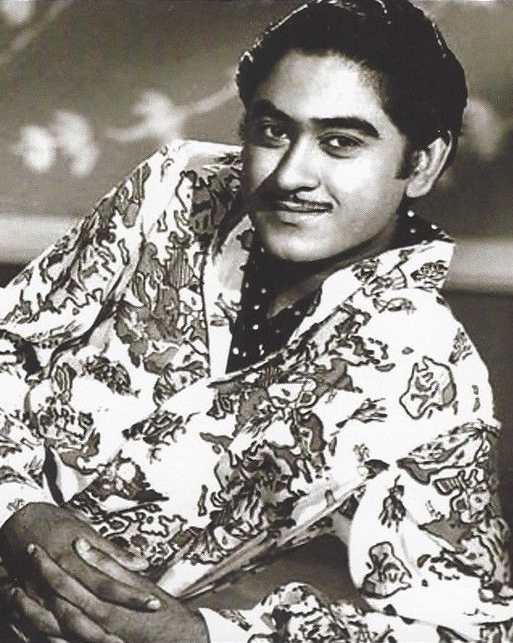
Directed by Satyen Bose, this 1958 musical comedy stars Madhubala with the three Ganguly brothers — Ashok Kumar, Anoop Kumar and Kishore Kumar. The plot turns on the eldest brother, whose bad experience with women has curdled into a rule that his younger brothers must never marry, and the romantic chaos that follows when they disobey him one by one. Kishore Kumar expected the film to flop; instead it opened to major commercial success, became the most successful work of Bose's and the brothers' careers, and was Madhubala's fourth consecutive hit of 1958, confirming her as the leading female star of the period.
Critics praised its comic situations, songs and performances, and over the decades it has settled into classic status — in a 2003 Outlook poll of leading Indian directors it ranked among the best Bollywood films ever made. It remains the essential starting point for anyone tracing Hindi screen comedy back to its golden age.
2. Padosan (1968)

Directed by Jyoti Swaroop and produced by Mehmood with N. C. Sippy, Padosan is a remake of the Bengali film Pasher Bari (1952), itself drawn from Arun Chowdhury's short story, with a plot that echoes Cyrano de Bergerac. Sunil Dutt plays a simpleton who falls for his beautiful neighbour Bindu (Saira Banu) and, unable to sing, persuades his friend Kishore Kumar to croon from hiding while he mimes — while Mehmood, as a rival music teacher, schemes from across the street. R. D.
Burman's music is inseparable from the comedy: Kishore Kumar sang for himself while Manna Dey sang for Mehmood, a playback duel that produced some of the most quoted musical comedy in Hindi cinema. Indiatimes Movies placed it among its Top 25 Must See Bollywood Films, and its set-pieces — the window-to-window serenades above all — are still referenced and parodied today.
3. Chupke Chupke (1975)
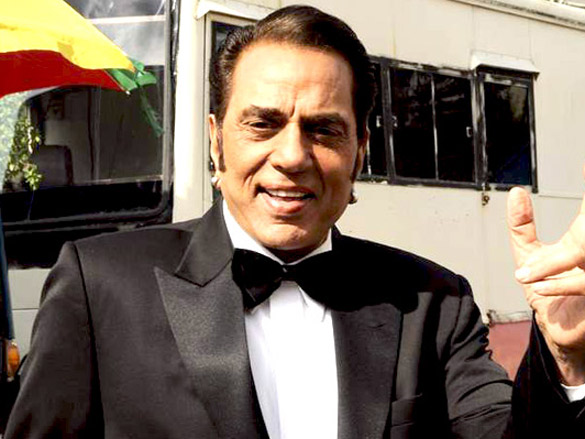
Hrishikesh Mukherjee directed this 1975 romantic comedy, a remake of the Bengali film Chhadmabeshi starring Uttam Kumar. Dharmendra plays a botany professor who, to tease his new wife's brother-in-law — a man pompously devoted to pure, Sanskritised Hindi — takes a job in the household disguised as a chauffeur named Pyare Mohan and torments him with elaborate wordplay. Sharmila Tagore plays the wife in on the joke, with Amitabh Bachchan and Jaya Bhaduri as friends drawn into the conspiracy and Om Prakash as the bewildered target. S. D. Burman composed the music.
Where most comedies of mistaken identity rely on slapstick, Chupke Chupke runs on language itself: puns, misunderstandings and mock-scholarly Hindi carry scene after scene. It is ensemble filmmaking of the lightest touch, and a cornerstone of the middle-class comedy tradition Mukherjee perfected in the 1970s.
4. Gol Maal (1979)
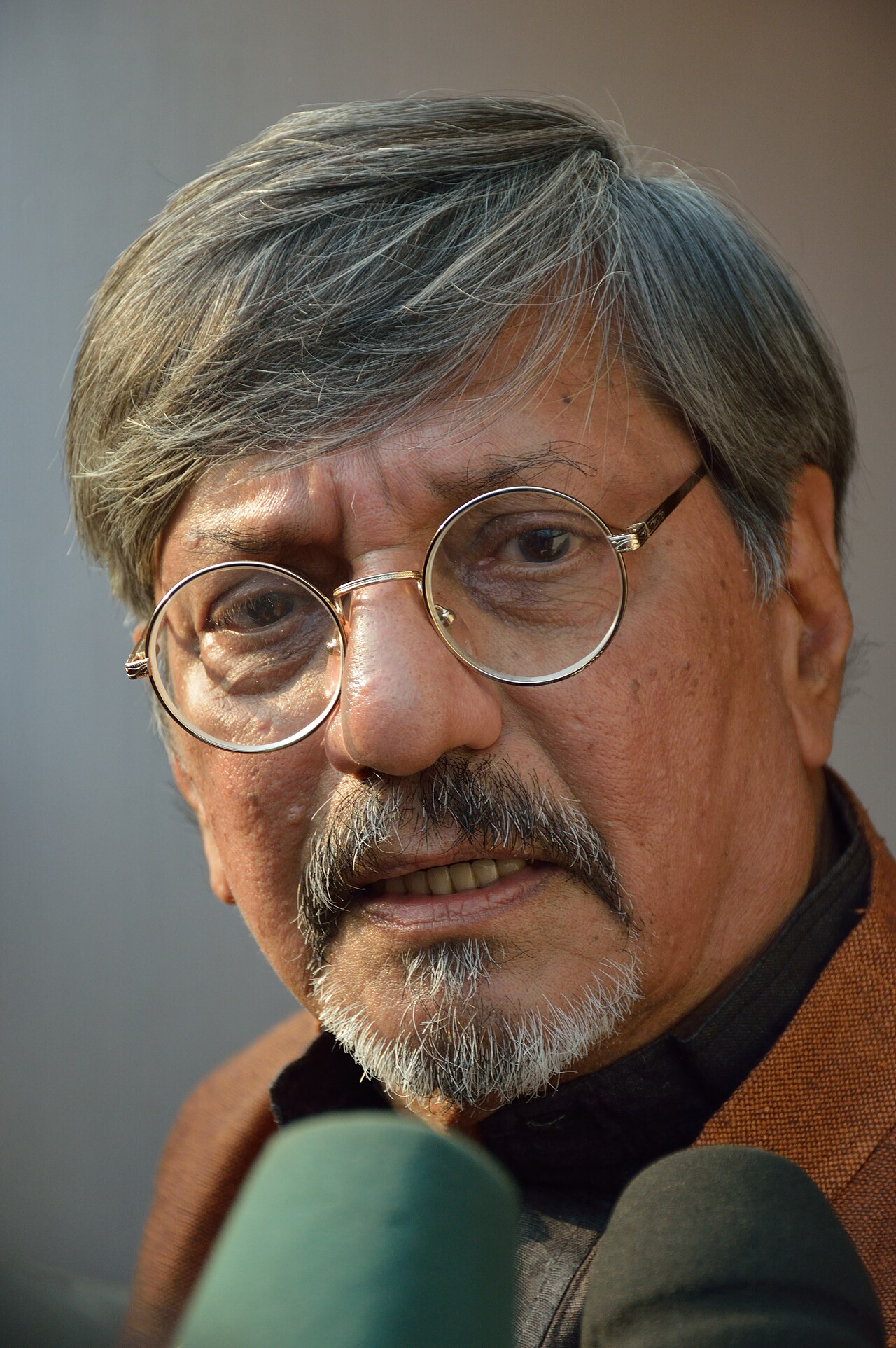
Directed by Hrishikesh Mukherjee, written by Rahi Masoom Raza and Sachin Bhowmick, and produced by N. C. Sippy, Gol Maal is the definitive office farce of Hindi cinema. Amol Palekar plays Ramprasad, a young accountant who wins a job with the eccentric, tradition-obsessed Bhavani Shankar (Utpal Dutt) by pretending to despise modern pleasures — then has to invent a fictional twin brother, the moustached Lakshman, to explain away being spotted at a football match and nightclubs. Every lie requires another, and the moustache becomes the most famous prop in Bollywood comedy. R. D. Burman composed the music.
The film won several awards, was praised by critics, and proved so durable that it was remade in Tamil as Thillu Mullu (1981), in Kannada and Malayalam, and in Sinhala, and openly inspired the 2012 Hindi hit Bol Bachchan. Palekar's everyman panic opposite Dutt's bluster remains the template for the genre.
5. Jaane Bhi Do Yaaro (1983)
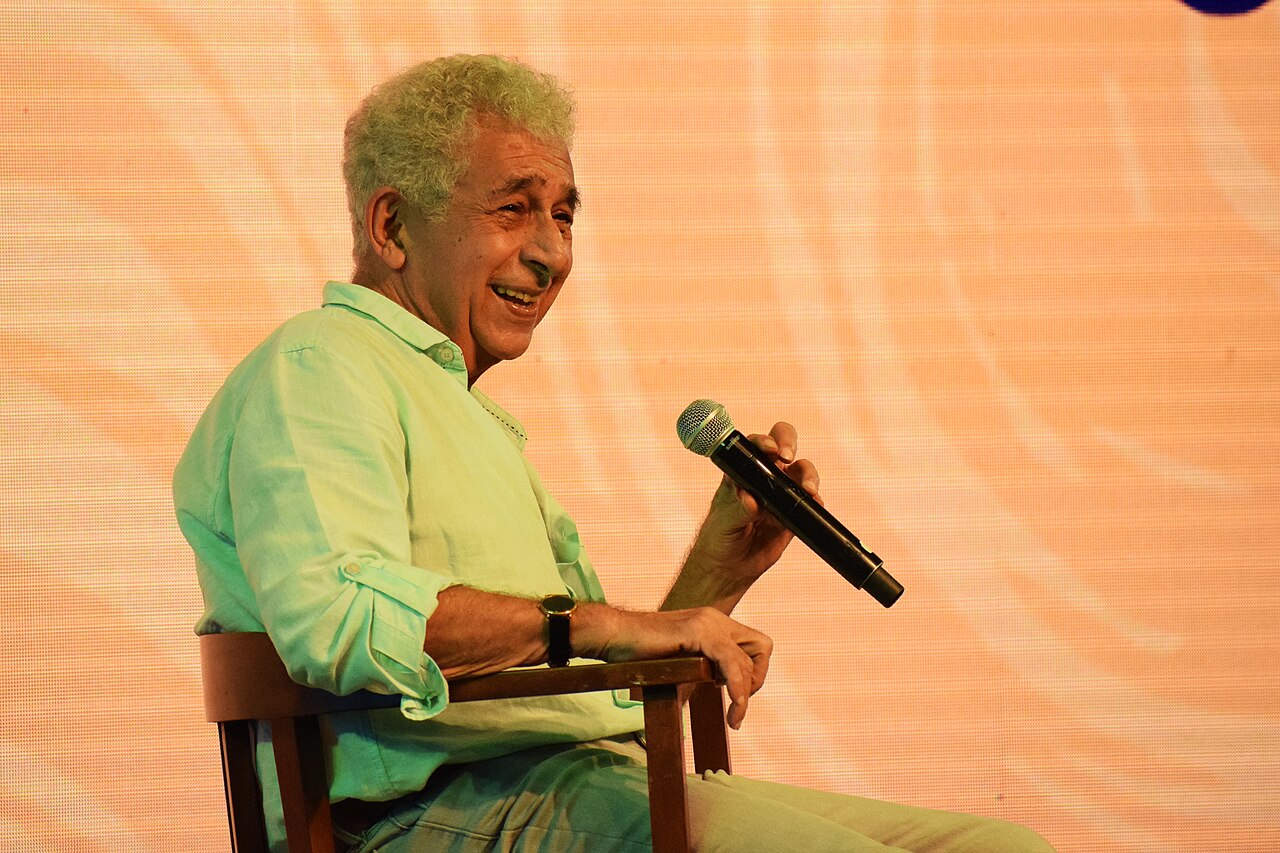
Kundan Shah's 1983 satirical black comedy, produced by the NFDC, is the sharpest film on this list: a dark satire on corruption across Indian politics, the bureaucracy, the news media and big business. Two struggling photographers, played by Naseeruddin Shah and Ravi Baswani, stumble onto evidence of a murder involving a builder, a newspaper editor and municipal officials, and are pulled into a spiral of blackmail and panic. The ensemble — Om Puri, Pankaj Kapur, Satish Shah, Satish Kaushik, Bhakti Barve and Neena Gupta — is extraordinary, and the climax restages the Mahabharata's Draupadi disrobing scene as frantic farce, with Vidhu Vinod Chopra appearing in a cameo.
Part of the plot nods to Antonioni's Blow-Up, in which a photographer unknowingly records a killing. Shah won the 1984 Indira Gandhi Award for Best Debut Film of a Director. Made cheaply and released quietly, it has grown into perhaps the most quoted satire in Hindi cinema.
6. Andaz Apna Apna (1994)
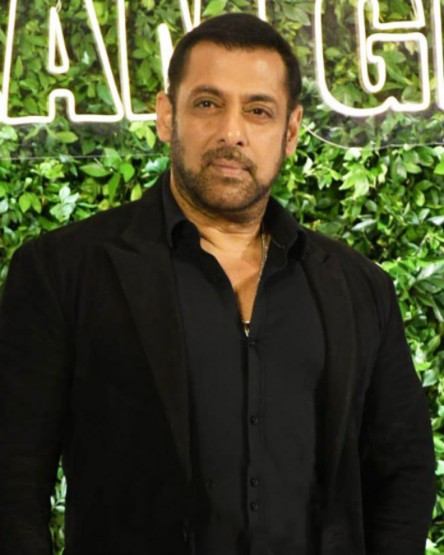
Rajkumar Santoshi's 1994 comedy pairs Aamir Khan and Salman Khan as Amar and Prem, two idle gold-diggers who set out to woo a heiress and grab her father's fortune, only to find that the heiress has swapped identities with her secretary — by which time each man has fallen genuinely in love, with the wrong woman. Raveena Tandon and Karisma Kapoor play the heiress and the secretary, Paresh Rawal takes a dual role, and Shakti Kapoor's Crime Master Gogo steals every scene he enters. The plot's climax reworks the 1972 thriller Victoria No. 203.
Released on 4 November 1994, the film was unsuccessful at the box office — a famous flop that television and home video then turned into one of Hindi cinema's most beloved cult comedies, its dialogue quoted line for line by generations of viewers. Elements of its plot were reused in Tamil, Telugu and Kannada remakes. Watch it for the chemistry of two future superstars before they were superstars.
7. Hera Pheri (2000)

Priyadarshan directed this 2000 comedy, written by Siddique-Lal with an adapted screenplay by Neeraj Vora, as a remake of the 1989 Malayalam film Ramji Rao Speaking. Akshay Kumar and Suniel Shetty play Raju and Shyam, two broke tenants, and Paresh Rawal plays their equally broke landlord, Baburao Ganpatrao Apte, in one of the most imitated comic performances in Hindi cinema. When a wrong-number ransom call from a kidnapper lands on their phone, the three hatch a scheme to intercept the ransom themselves, and the plan unravels in perfectly timed stages. Tabu, Om Puri, Asrani and Gulshan Grover complete the cast.
Released on 31 March 2000 to mixed reviews that singled out Kumar and Rawal, it was a commercial success — its Wikipedia page records a gross of ₹57.4 crore against a budget of ₹7.5 crore — launched the Hera Pheri franchise, with Phir Hera Pheri following in 2006, and is regarded as Kumar's breakthrough into comedy.
8. Munna Bhai M.B.B.S. (2003)
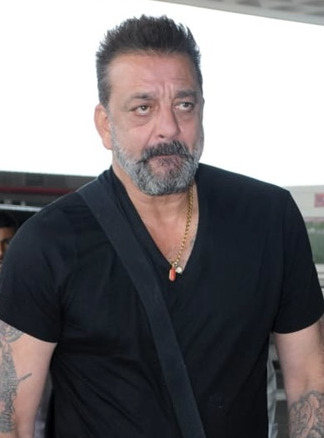
Rajkumar Hirani's directorial debut, produced by Vidhu Vinod Chopra, turned Sanjay Dutt into Munna Bhai, a Mumbai don who pretends to be a doctor to keep his parents proud — and, when a dean exposes him and shames his father, enrols in medical college for real to take revenge. The casting carries a genuine emotional charge: Sunil Dutt plays Munna's father in his final film appearance, opposite his real-life son. Arshad Warsi's Circuit, Boman Irani's apoplectic Dean Asthana, Gracy Singh and Jimmy Sheirgill complete the central ensemble.
Released on 18 December 2003, the film was a major critical and commercial success and won several awards; its signature idea, the healing power of a hug — the famous jaadu ki jhappi — entered everyday Indian speech. It began the Munna Bhai series and set the template Hirani would refine for two decades: a comic hero dismantling a pompous institution from inside, with warmth rather than cynicism.
9. Khosla Ka Ghosla! (2006)

Dibakar Banerjee's directorial debut, written by Jaideep Sahni, is the most grounded film on this list: no stars playing stars, just a middle-class Delhi family fighting a property shark. Anupam Kher plays Kamal Kishore Khosla, a retired Delhiite whose savings are sunk in a plot of land that a builder, Khurana (Boman Irani), has seized with forged papers. When the police and lawyers prove useless, the family — led by Parvin Dabas and Tara Sharma as the son and daughter-in-law — decides to con the con man, setting up an elaborate sting with a fake buyer.
Banerjee, coming from advertising, set out to show Delhi as it actually is: its colonies, its brokers, its resigned humour in the face of corruption. Released in 2006, the film turned a tiny budget into a landmark of the new Hindi indie comedy, and its battle of wits between Kher and Irani still feels uncomfortably true to anyone who has bought property in an Indian city.
10. 3 Idiots (2009)
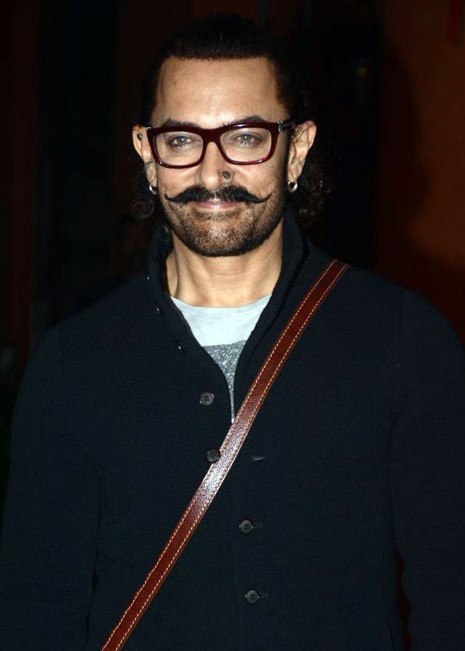
Rajkumar Hirani's 2009 comedy-drama, co-written with Abhijat Joshi and produced by Vidhu Vinod Chopra, follows three engineering students — Aamir Khan's Rancho, R. Madhavan's Farhan and Sharman Joshi's Raju — through an elite college ruled by Boman Irani's results-obsessed director, with Kareena Kapoor, Mona Singh and Omi Vaidya in supporting roles. Told across two timelines ten years apart, it is a satire on an education system that measures worth in marks and placements, loosely adapted from Chetan Bhagat's novel Five Point Someone.
The film was received with widespread critical acclaim for its direction, humour, screenplay and performances, became a major commercial success, and was one of the few Indian films of its time to break through in East Asian markets such as China and Japan. Its catchphrase — Aal Izz Well — passed into everyday language, and its arguments about rote learning are still quoted in Indian classrooms and parliaments alike.
11. OMG – Oh My God! (2012)
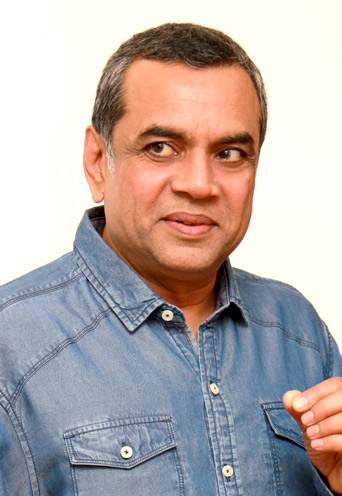
Umesh Shukla's 2012 fantasy satire adapts the Gujarati stage play Kanji Virudh Kanji, itself inspired by the Australian film The Man Who Sued God. Paresh Rawal plays Kanji Lalji Mehta, an atheist shopkeeper whose shop is destroyed by an earthquake — and whose insurance claim is rejected as an act of God. His response is to sue God himself, dragging every religious establishment in the country into court, with Akshay Kumar appearing as a suave, motorbike-riding Krishna who moves in as his tenant and adviser. Mithun Chakraborty, Om Puri, Govind Namdev and Mahesh Manjrekar fill out the cast.
Released on 28 September 2012, the film drew positive reviews for turning a courtroom comedy into a debate about blind faith, donations and fear — and it travelled, with Telugu and Kannada remakes, Gopala Gopala (2015) and Mukunda Murari (2016). A spiritual successor, OMG 2, followed in 2023, this time without Rawal in the lead.
12. PK (2014)

Rajkumar Hirani's third film on this list is a science-fiction comedy-drama written with Abhijat Joshi. Aamir Khan plays PK, a humanoid alien stranded on Earth after the remote control for his spaceship is stolen. Told that only God can help him get it back, he samples every religion he can find, asks disarmingly simple questions of each, and — helped by television reporter Jagat Janani, played by Anushka Sharma — starts a national movement against superstition and fraudulent godmen. Sushant Singh Rajput, Boman Irani, Saurabh Shukla and Sanjay Dutt complete the ensemble.
The film is a religious satire in the gentlest possible register: its target is never belief itself but the middlemen who monetise fear. On release it became one of the biggest Hindi films ever made and carried Hirani's streak of turning social argument into mainstream entertainment to its commercial peak; few comedies anywhere have smuggled so much philosophy into a blockbuster.
13. Stree (2018)
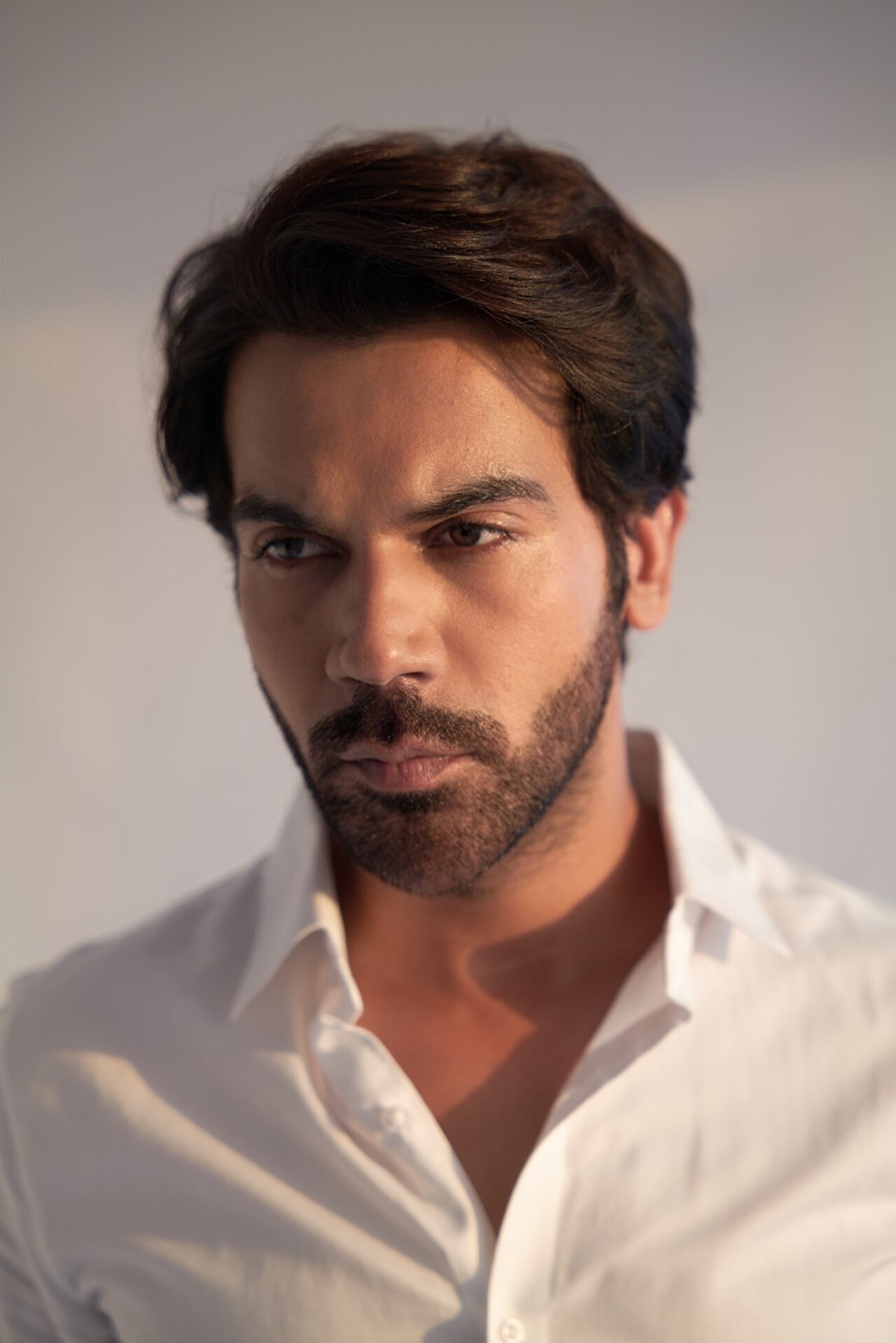
Amar Kaushik's directorial debut, produced by Dinesh Vijan with writers Raj & DK, opened a new genre for Hindi cinema: the horror-comedy. It is loosely based on the Karnataka urban legend of Naale Baa — 'come tomorrow' — in which a female spirit knocks on doors at night. In the town of Chanderi, men vanish during a religious festival, leaving only their clothes behind, and the only defence is the legend's instruction painted on walls. Rajkummar Rao plays Vicky, a ladies' tailor who falls for a mysterious visitor played by Shraddha Kapoor; Pankaj Tripathi, Aparshakti Khurana and Abhishek Banerjee complete the central cast.
Rao learned to sew for the role, and the film was shot substantially in Chanderi itself. Released in 2018, Stree balanced genuine scares with small-town comedy and a feminist undertow — the ghost, pointedly, punishes a town that polices its women — and its success launched an entire horror-comedy universe of sequels and spin-offs.
14. Badhaai Ho (2018)
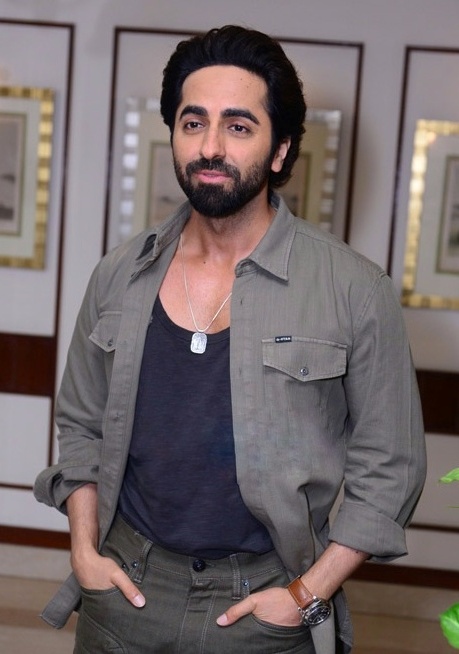
Amit Ravindernath Sharma's 2018 comedy-drama takes the most awkward premise on this list and plays it completely straight. A middle-class Delhi couple in their fifties — Neena Gupta and Gajraj Rao — discover they are pregnant, to the horror of their grown sons — Ayushmann Khurrana's Nakul above all — who must face the taunts of neighbours, relatives and a girlfriend's family. Surekha Sikri, as the sharp-tongued grandmother who refuses to be embarrassed, quietly walks away with the film. The film received positive reviews and was a commercial success, emerging, as its Wikipedia page records, among the highest-grossing Bollywood films of 2018.
It won four awards at the 64th Filmfare Awards, including Best Actress (Critics) for Gupta and supporting honours for Sikri and Rao, and two National Film Awards, including Best Popular Film Providing Wholesome Entertainment. Its comedy comes from recognition, not ridicule — which is why it lands.
15. Laapataa Ladies (2024)
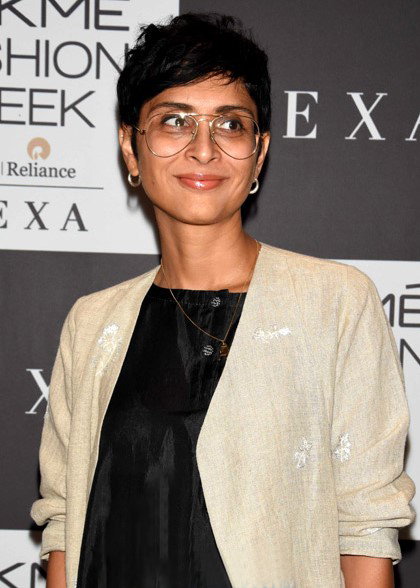
Kiran Rao's gentle comedy-drama, produced by Rao with Aamir Khan and Jyoti Deshpande, is set in a fictional Indian state in 2001. Two young brides, veiled and identically dressed in red, are swapped by accident on a crowded train; one is taken to the wrong husband's village, the other is left stranded at a station, and each has to negotiate a world that never asked her name. The cast is led by newcomers Sparsh Shrivastava, Nitanshi Goel and Pratibha Ranta, with Chhaya Kadam and Ravi Kishan in supporting roles.
The film screened at the Toronto International Film Festival in September 2023 and was released in cinemas on 1 March 2024, winning wide critical praise. It was selected as India's entry for Best International Feature Film at the 97th Academy Awards, though it was not nominated, and at the 70th Filmfare Awards it received a record-breaking 24 nominations and won 13, including Best Film and Best Director. The photograph here shows the director: the film's young leads have no identity-verifiable Commons portraits, and this page does not substitute anyone else's face for theirs.
How to choose
Start with the real decision: who will use this, where, how often, and what would make the choice unsafe or disappointing? The following checks keep the shortlist practical.
- Comedy style
- Language and subtitle availability
- Age suitability
- Awareness that older humour may have dated
What to verify before you commit
Confirm the current specification, price or availability, terms, and seller or provider identity. For companies and services, request a written scope, named contact, references, and cancellation or warranty terms. For products, compare the unit price, compatibility, return window, and genuine support.
Editorial update
Humour is subjective, and some older films contain stereotypes or social attitudes that have dated. The list is organised as a viewing path, not a definitive ranking, and runs in release order from the studio-era classics of the 1950s to the present decade. Every section carries a real, identity-verified photograph of a lead performer or, for Laapataa Ladies, of the director — no posters or film stills are used, as those remain in copyright. One compromise is stated plainly: no CC-licensed photograph of Kishore Kumar exists on Wikimedia Commons, so his portrait is the official India Post postcard portrait, freely licensed under GODL-India.
Frequently asked questions
How should I use this guide?
Use the shortlist to define what matters to you, then verify current price, availability, rules, credentials, or catalogue details at the source before you decide.
Is this a fixed ranking?
No. The refreshed page is an editorial starting point organised by fit and evidence. The right choice depends on your use case, location, budget, and timing.
When will this page be updated?
VisitBest reviews time-sensitive details when reliable public information changes. Send corrections or newer source links to visitbest10@gmail.com.
Keep exploring

Top 30 Most Beautiful 90s Actresses (Then and Now)
The 1980s and 1990s were golden decades for cinema, bringing us an unforgettable array of actresses whose beauty, talent, and … Read more

Popular Chinese Actors to Know: Career Highlights and Where to Start
A respectful, non-ranked guide to influential actors from Chinese-language cinema and television, with a practical starting point for each…

Top 6 Legal Sites to Watch Anime in India
Compare legal anime streaming options by catalogue, subtitles, dubbing, simulcast timing, device support, and regional availability.