
VisitBest guide
Most Influential Women in the World: 15 Women Who Changed History
From Marie Curie, the only person to win Nobel Prizes in two different sciences, to Malala Yousafzai, the youngest Nobel laureate in history — 15 women…
In this guide
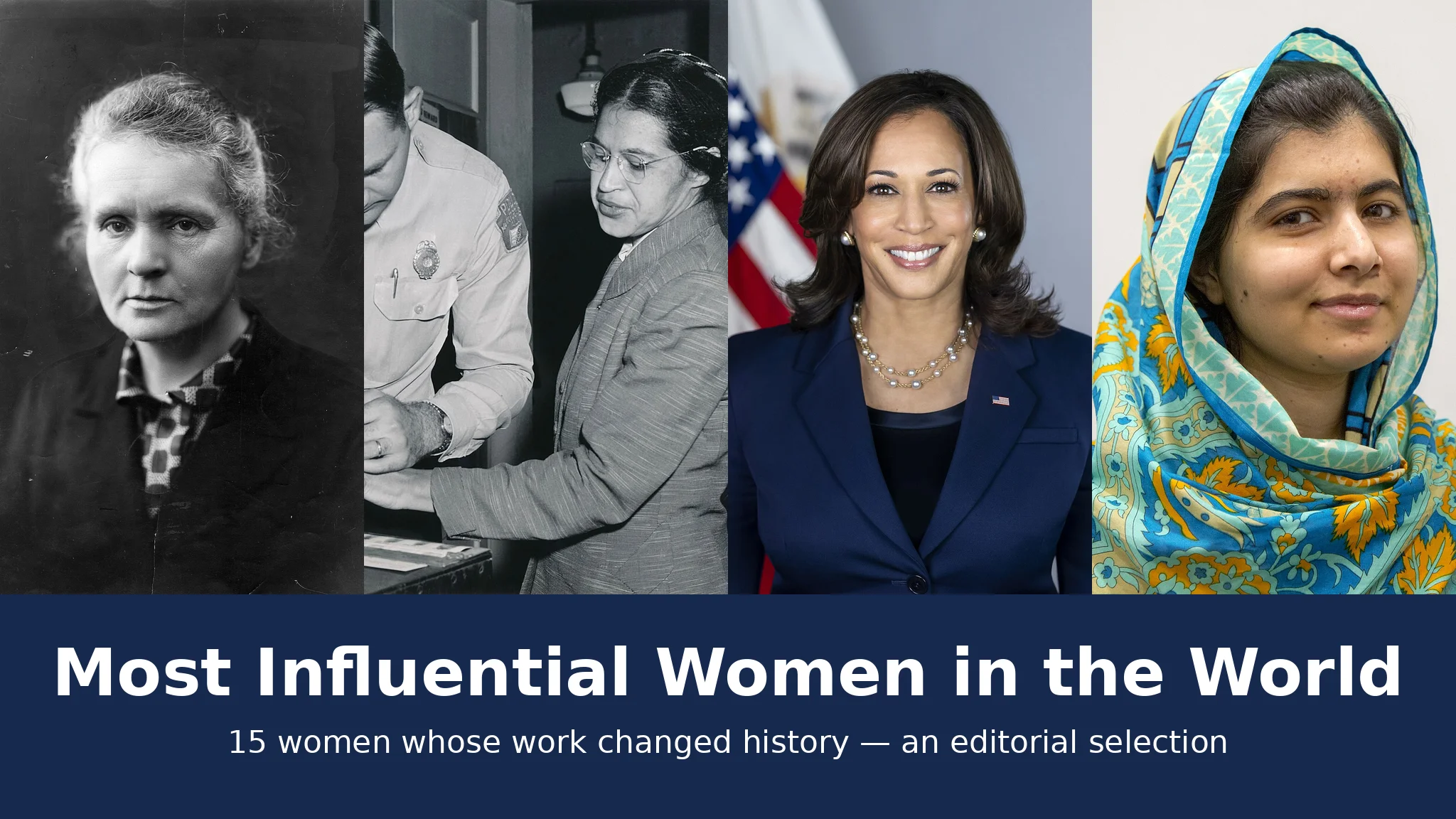
Fifteen women, fifteen very different kinds of power. A physicist who won Nobel Prizes in two sciences, a pilot who vanished over the Pacific, a seamstress whose arrest changed American law, a painter whose work now holds an auction record, heads of government, a saint, a tennis champion who came back, and a schoolgirl who survived a gunman and won the Nobel Peace Prize. This guide explains, for each of them, what she actually did and why it still matters.
The list is an editorial selection, not an official ranking, and it is ordered by theme rather than by importance. Every entry was re-researched for this edition in November 2026: dates and achievements were checked against institutional and reference sources, and the current position of every living woman on the list was verified, because several of their stories have moved on in the last two years.
Quick Answer: The 15 Women at a Glance
- Marie Curie — the only person ever to win Nobel Prizes in two different sciences.
- Amelia Earhart — the first woman to fly solo nonstop across the Atlantic.
- Rosa Parks — her refusal to give up a bus seat sparked the Montgomery bus boycott.
- Frida Kahlo — the Mexican painter whose self-portraits became global icons.
- Indira Gandhi — India’s first and so far only woman prime minister.
- Mother Teresa — founder of the Missionaries of Charity and Nobel Peace laureate.
- Jane Goodall — the primatologist who transformed our understanding of chimpanzees.
- Angela Merkel — Chancellor of Germany for 16 years and Europe’s crisis manager.
- Oprah Winfrey — the talk-show host who built a media empire she owned herself.
- Serena Williams — winner of 23 Grand Slam singles titles and a venture investor.
- Ursula von der Leyen — President of the European Commission, now in a second term.
- Kamala Harris — the first woman to serve as Vice President of the United States.
- Jacinda Ardern — New Zealand’s prime minister at 37, known for empathetic leadership.
- Malala Yousafzai — the youngest Nobel laureate in history, for girls’ education.
- Nirmala Sitharaman — India’s finance minister, presenter of a record nine straight Budgets.
| Name | Field | Known for |
|---|---|---|
| Marie Curie | Physics and chemistry | Radioactivity research; Nobel Prizes in Physics (1903) and Chemistry (1911) |
| Amelia Earhart | Aviation | First woman to fly solo nonstop across the Atlantic (1932) |
| Rosa Parks | Civil rights | The Montgomery bus boycott of 1955–56 |
| Frida Kahlo | Art | Self-portraits including The Two Fridas (1939); a global cultural icon |
| Indira Gandhi | Politics | Prime Minister of India (1966–1977, 1980–1984) |
| Mother Teresa | Humanitarian work | Founded the Missionaries of Charity (1950); Nobel Peace Prize 1979 |
| Jane Goodall | Primatology and conservation | Chimpanzee research at Gombe from 1960; the Jane Goodall Institute |
| Angela Merkel | Politics | Chancellor of Germany (2005–2021) |
| Oprah Winfrey | Media and business | The Oprah Winfrey Show (1986–2011); Harpo Productions and OWN |
| Serena Williams | Sport and business | 23 Grand Slam singles titles; founder of Serena Ventures |
| Ursula von der Leyen | Politics | President of the European Commission (2019–present) |
| Kamala Harris | Politics | Vice President of the United States (2021–2025); 2024 Democratic nominee |
| Jacinda Ardern | Politics | Prime Minister of New Zealand (2017–2023) |
| Malala Yousafzai | Education activism | Youngest-ever Nobel Peace Prize laureate (2014); the Malala Fund |
| Nirmala Sitharaman | Politics and public finance | India’s Minister of Finance (2019–present); nine consecutive Union Budgets |
Science and Exploration: Curie, Earhart and Goodall
1. Marie Curie
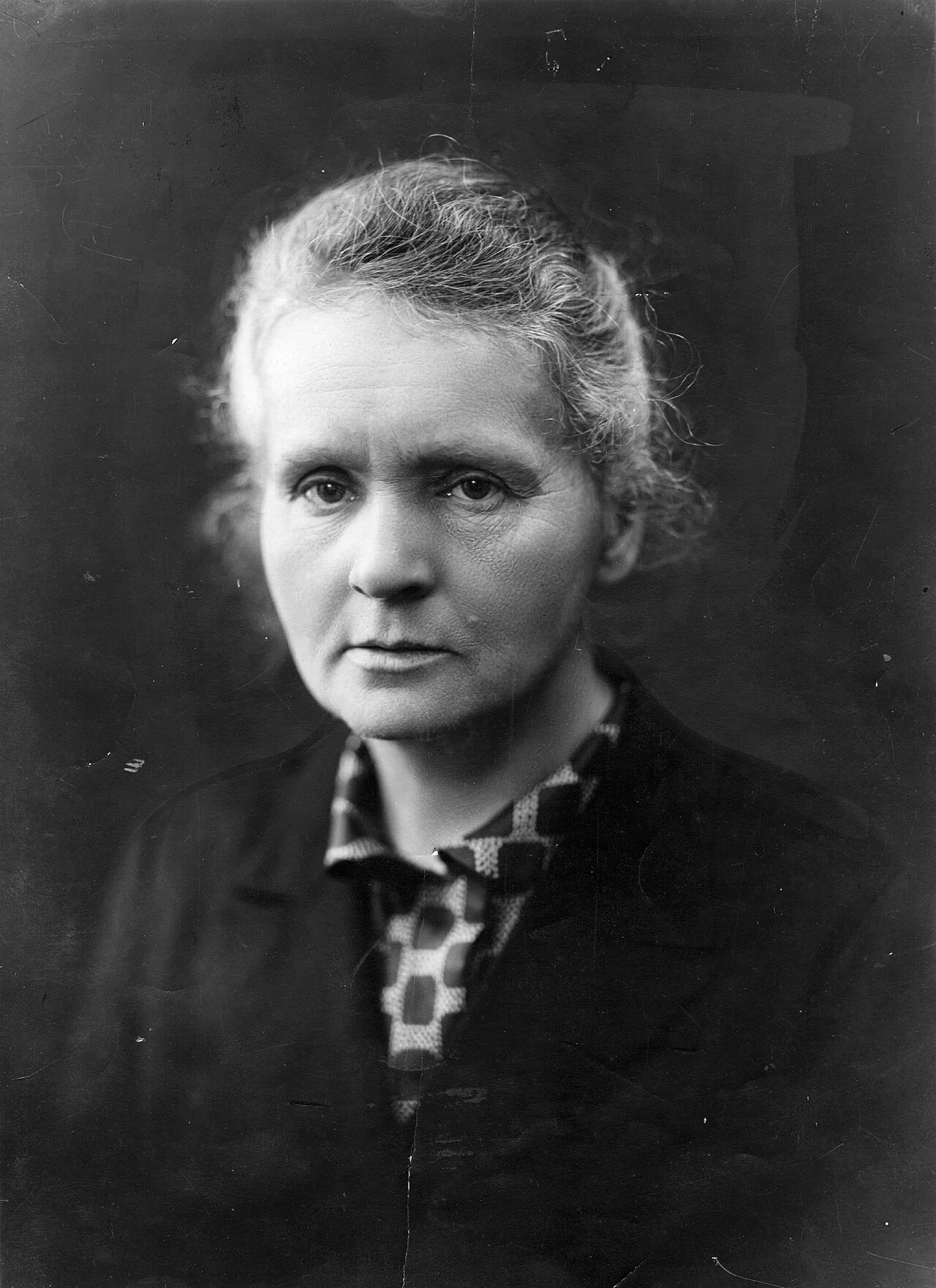
Marie Curie, born Maria Skłodowska in Warsaw in 1867, moved to Paris for the education her home country denied women, and there, working with her husband Pierre, she turned the new phenomenon of radiation into a science. She coined the term radioactivity, and in 1898 the Curies announced two new elements: polonium, named for her occupied homeland, and radium.
The honours have never been matched. She won the Nobel Prize in Physics in 1903 and in Chemistry in 1911, and remains the only person to win Nobels in two different sciences. Widowed in 1906, she took Pierre’s chair at the Sorbonne, the first woman to hold one. In the First World War she took X-ray units to the front line. She died in 1934 of an illness her doctors linked to decades of radiation exposure.
- Born: 7 November 1867, Warsaw, Poland; died 4 July 1934, France.
- Field: Physics and chemistry.
- Defining achievement: Nobel Prizes in two different sciences, a feat no one has repeated.
- Legacy: Her research underpins radiation medicine and nuclear science to this day.
2. Amelia Earhart
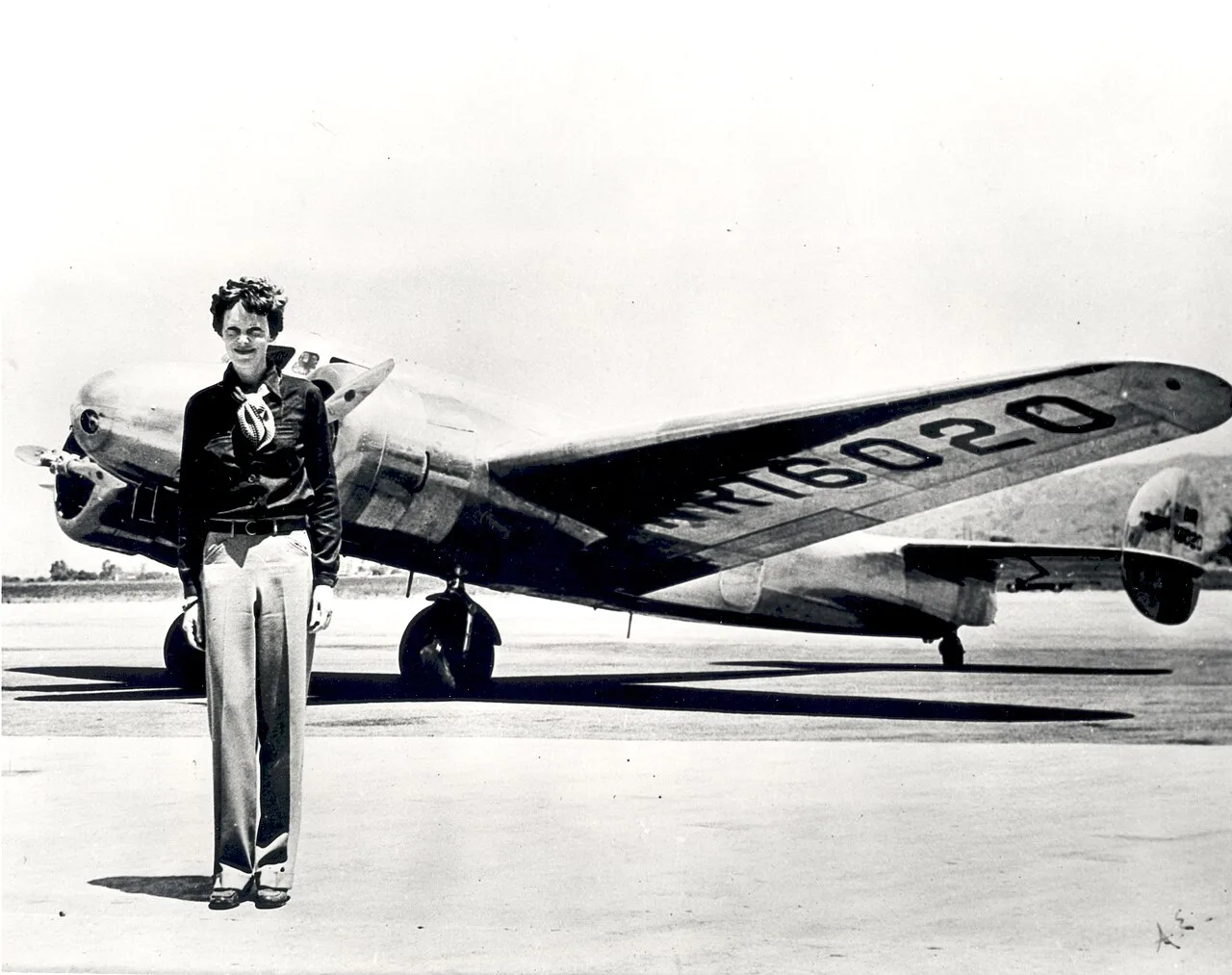
Amelia Earhart became famous in 1928 as the first woman to cross the Atlantic by air, as a passenger, and honest enough to call herself “a sack of potatoes” on that flight. Four years later she made the crossing alone. On 20–21 May 1932 she flew a Lockheed Vega from Newfoundland to Northern Ireland in about 15 hours, fighting ice, fatigue and a leaking fuel tank, and landed in a farmer’s field.
She used the fame deliberately, co-founding the Ninety-Nines organisation of women pilots and campaigning for women’s place in aviation. In 1937 she set out to fly around the world with navigator Fred Noonan. On 2 July, on the long Pacific leg to Howland Island, her radio messages faded and stopped. Neither the aircraft nor its crew was ever found, and the disappearance remains unsolved.
- Born: 24 July 1897, Atchison, Kansas; disappeared 2 July 1937 over the Pacific.
- Field: Aviation.
- Defining achievement: First woman to fly solo nonstop across the Atlantic (1932).
- Legacy: A lasting symbol of women entering professions closed to them.
3. Jane Goodall
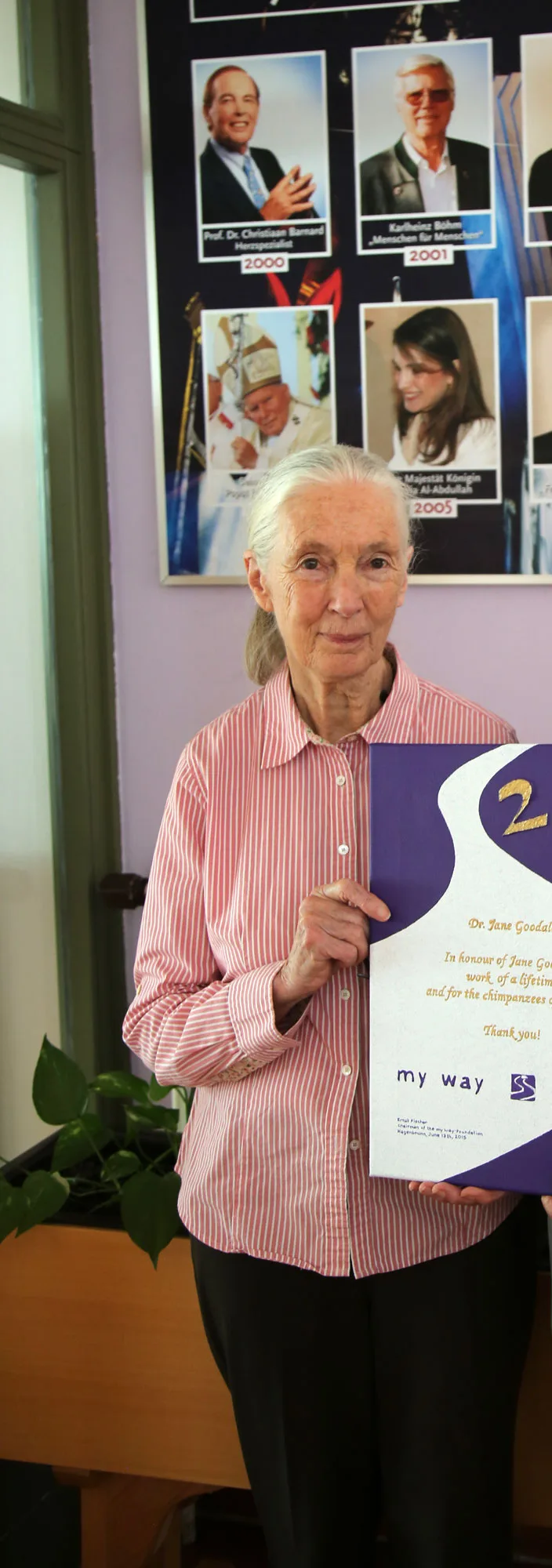
Jane Goodall arrived at Gombe, in what is now Tanzania, in 1960, a 26-year-old with no university degree, sent by the anthropologist Louis Leakey to watch chimpanzees. Within months she had seen a chimpanzee, David Greybeard, strip leaves from a twig to fish for termites: tool-making, then believed to be uniquely human. Her patient, decades-long study redrew the boundary between humans and other animals.
In 1977 she founded the Jane Goodall Institute, and in 1991 the Roots & Shoots youth programme, shifting her own work from research to worldwide conservation campaigning. She was still touring and speaking in her nineties. Goodall died on 1 October 2025, aged 91, in Los Angeles during a speaking tour; the institute she founded continues her work, and April 3 is now marked as Jane Goodall Day.
- Born: 3 April 1934, London; died 1 October 2025, Los Angeles.
- Field: Primatology and conservation.
- Defining achievement: The Gombe chimpanzee studies that transformed primatology.
- Legacy: The Jane Goodall Institute and Roots & Shoots continue her work around the world.
Conscience and Civil Rights: Parks, Mother Teresa and Malala
4. Rosa Parks
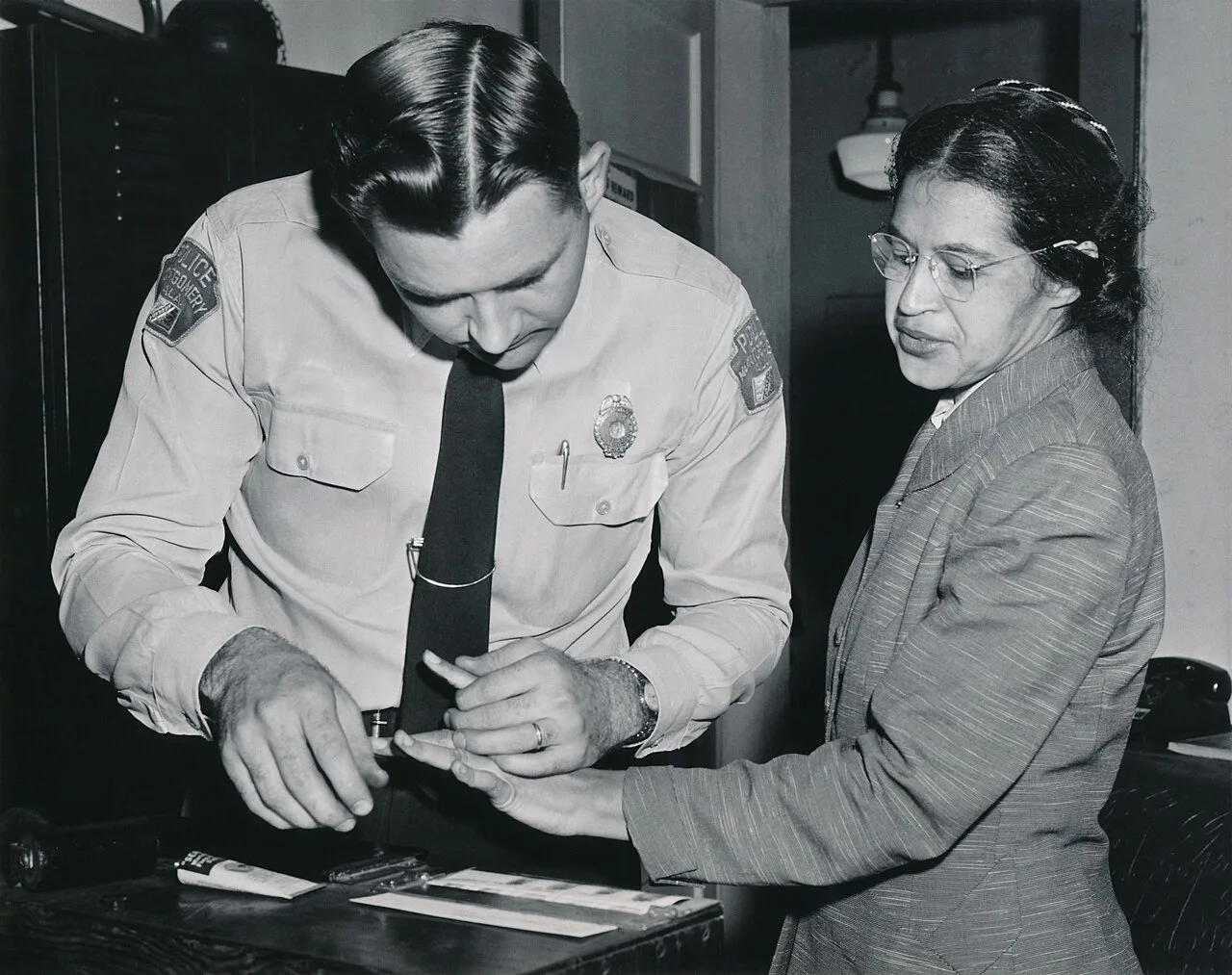
On 1 December 1955, Rosa Parks, a seamstress and the secretary of the Montgomery branch of the NAACP, finished her working day, boarded a city bus, and refused the driver’s order to give her seat to a white passenger. Her arrest for breaking Alabama’s segregation laws was planned for by no one, but a movement was ready for it: Montgomery’s Black community boycotted the buses for 381 days.
The boycott, led by the young Martin Luther King Jr, ended only when the United States Supreme Court upheld a ruling that segregated bus seating was unconstitutional. Parks, often called the mother of the civil rights movement, kept working for the cause for the rest of her life. She received the Presidential Medal of Freedom in 1996 and died in Detroit in 2005, the first woman to lie in honour in the United States Capitol rotunda.
- Born: 4 February 1913, Tuskegee, Alabama; died 24 October 2005, Detroit.
- Field: Civil rights.
- Defining achievement: Her 1955 arrest sparked the Montgomery bus boycott.
- Legacy: A foundational figure of the American civil rights movement.
5. Mother Teresa
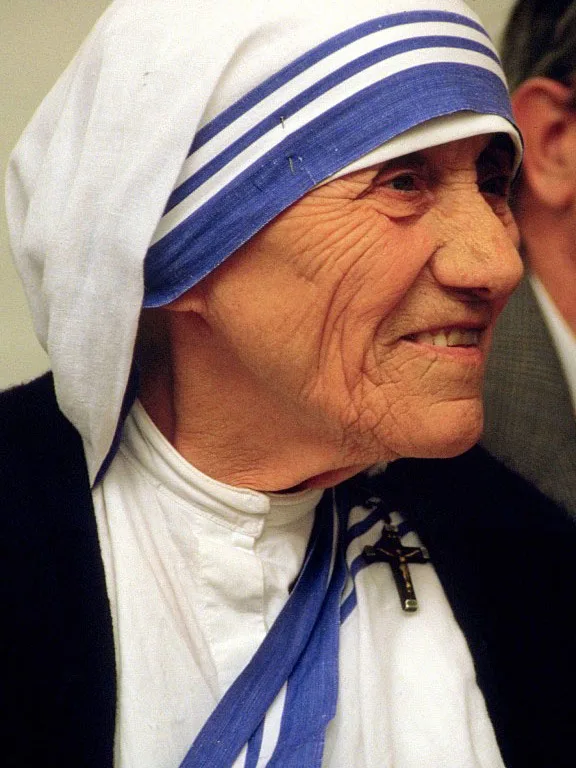
Anjezë Gonxhe Bojaxhiu, born in Skopje in 1910, joined the Sisters of Loreto and was sent to India, where she taught in a Calcutta school for nearly twenty years. In 1946, on a train journey, she felt what she called a “call within a call”: to leave the convent and live among the poorest people in the city’s slums. In 1950 she founded her own order, the Missionaries of Charity.
The order grew from one woman in a slum to more than 4,000 sisters running hospices, orphanages and homes for the dying around the world by the time of her death in 1997. She received the Nobel Peace Prize in 1979 and India’s Bharat Ratna in 1980. Pope Francis canonised her as Saint Teresa of Calcutta on 4 September 2016.
- Born: 26 August 1910, Skopje (now North Macedonia); died 5 September 1997, Calcutta.
- Field: Humanitarian and religious work.
- Defining achievement: Founding the Missionaries of Charity in 1950.
- Legacy: Nobel Peace laureate and a canonised saint of the Catholic Church.
6. Malala Yousafzai
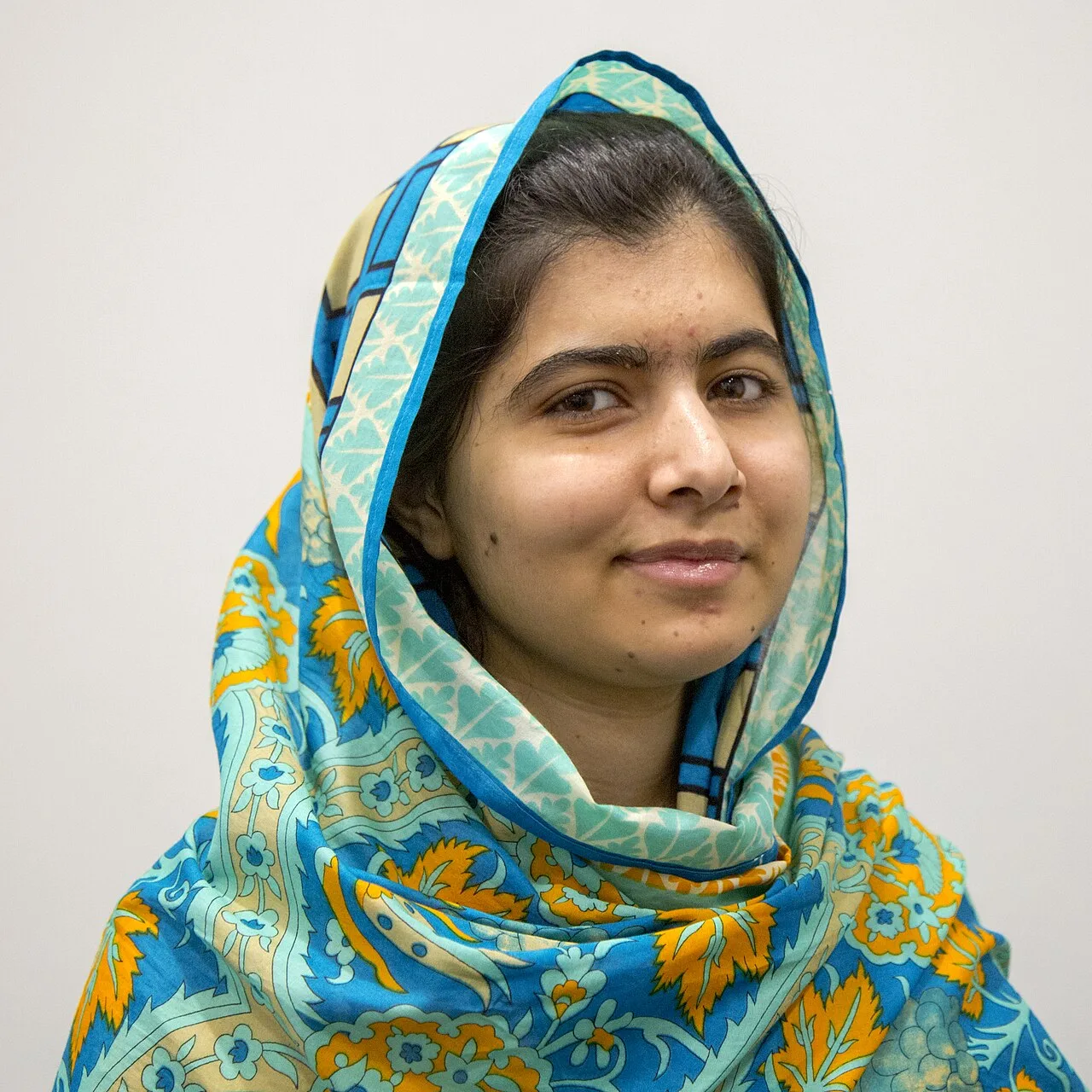
Malala Yousafzai was eleven when she began writing an anonymous BBC blog about life under the Taliban in Pakistan’s Swat Valley, where militants were closing girls’ schools. Her identity became public, and on 9 October 2012 a Taliban gunman shot the fifteen-year-old on her school bus. Flown to Birmingham for treatment, she recovered, and refused to stop: “I tell my story not because it is unique, but because it is the story of many girls.”
In 2013 she co-founded the Malala Fund with her father Ziauddin. In 2014 she became, at seventeen, the youngest Nobel Peace Prize laureate in history. She went on to read Philosophy, Politics and Economics at Oxford, graduating in 2020. Her memoir Finding My Way, published in October 2025, describes those Oxford years frankly, and the Malala Fund continues its work, including emergency education grants after Pakistan’s 2025 floods.
- Born: 12 July 1997, Mingora, Swat Valley, Pakistan.
- Field: Education activism.
- Defining achievement: The youngest-ever Nobel Peace Prize laureate, at 17.
- Current role: Co-founder of the Malala Fund; author of Finding My Way (2025).
Art, Media and Sport: Kahlo, Winfrey and Williams
7. Frida Kahlo
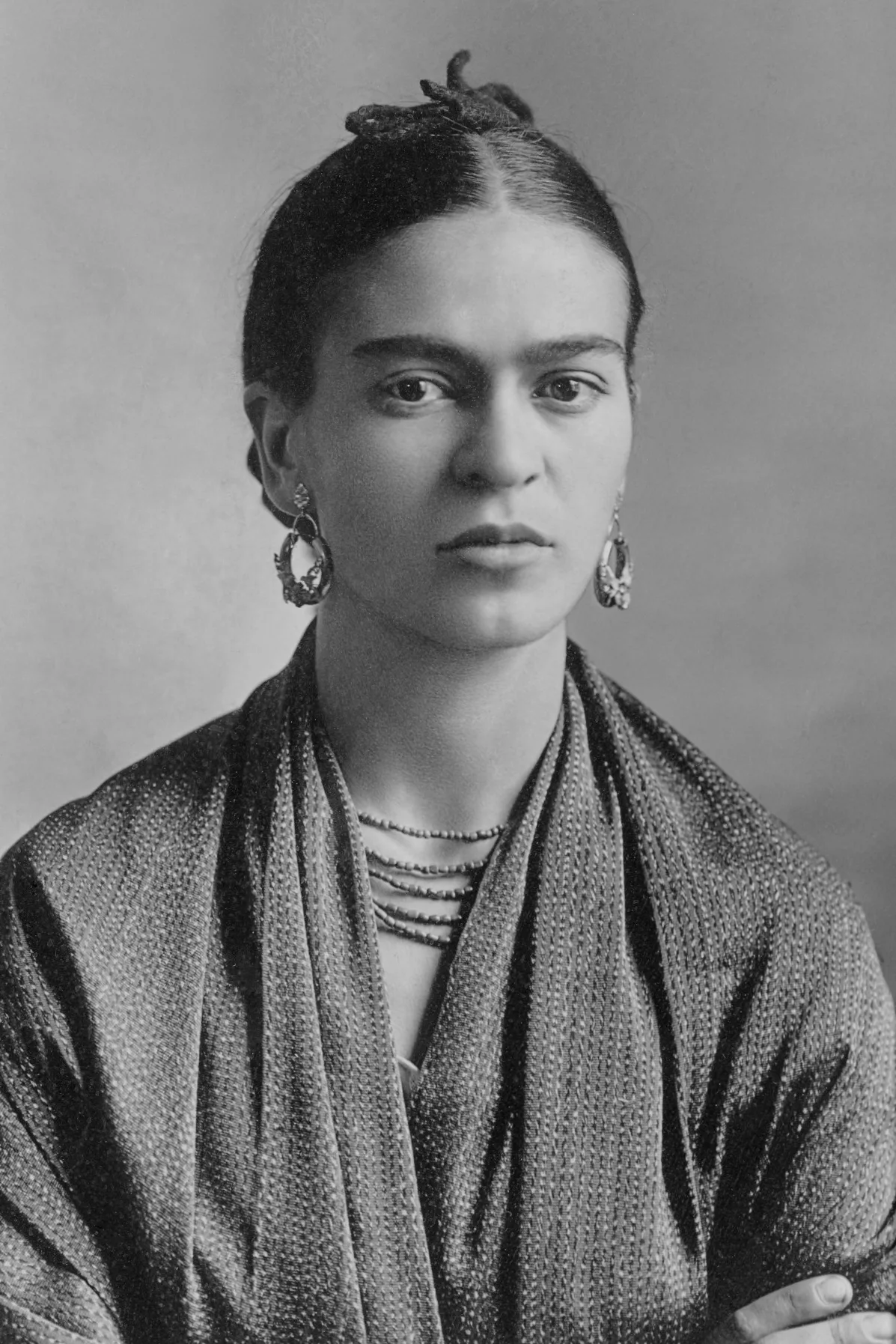
Frida Kahlo began painting in earnest while recovering from the 1925 bus accident that shattered her spine and pelvis and left her in pain for life. Working from her bed in Coyoacán, Mexico City, she produced a small, fierce body of work, roughly a third of it self-portraits that turned her own body, her Mexican heritage and her suffering into some of the most recognisable images of the twentieth century.
Recognition abroad came late in her short life: a first solo exhibition in New York in 1938 and, in 1939, the French state’s purchase of The Frame, which made her the first twentieth-century Mexican artist in France’s national collection. The Two Fridas, painted the same year, is her best-known canvas. Her fame has only grown since her death in 1954: in November 2025 her 1940 painting The Dream (The Bed) sold at auction for $54.7 million, a record for any work by a woman artist.
- Born: 6 July 1907, Coyoacán, Mexico City; died 13 July 1954.
- Field: Painting.
- Defining achievement: Self-portraits, above all The Two Fridas (1939).
- Legacy: Her auction record of $54.7 million (2025) confirms her market and cultural standing.
8. Oprah Winfrey
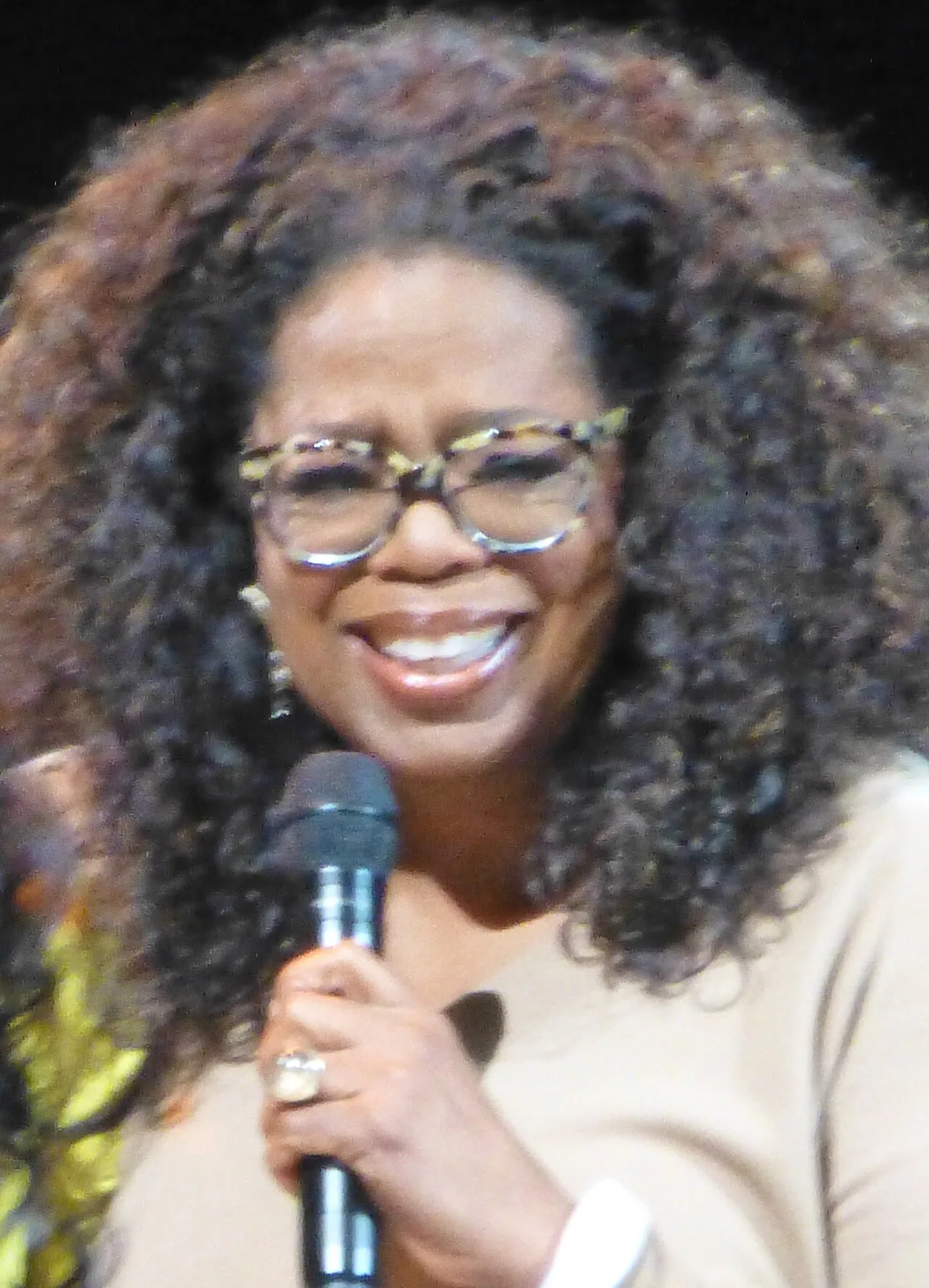
Oprah Winfrey’s influence rests on a simple structural fact: she owned the thing she starred in. Born in rural Mississippi in 1954 and raised in poverty, she became a broadcaster in Nashville and then Chicago, where The Oprah Winfrey Show ran nationally from 1986 to 2011. Through her company Harpo Productions she took ownership of the programme itself, a deal almost no talk-show host, and no Black woman in American television, had achieved.
The show made her a billionaire, widely described as the first Black woman to reach that position, and the platform kept widening: Oprah’s Book Club, launched in 1996, could put a novel on the bestseller lists overnight and still runs today, and in 2011 she launched her own network, OWN. In 2024 she stepped down from the board of Weight Watchers and donated her shares. Philanthropy, including her Leadership Academy for Girls in South Africa, remains a large part of her work.
- Born: 29 January 1954, Kosciusko, Mississippi.
- Field: Television, publishing and business.
- Defining achievement: Building a 25-year talk show into a self-owned media empire.
- Current role: Chair of Harpo Productions; the Book Club and OWN continue.
9. Serena Williams
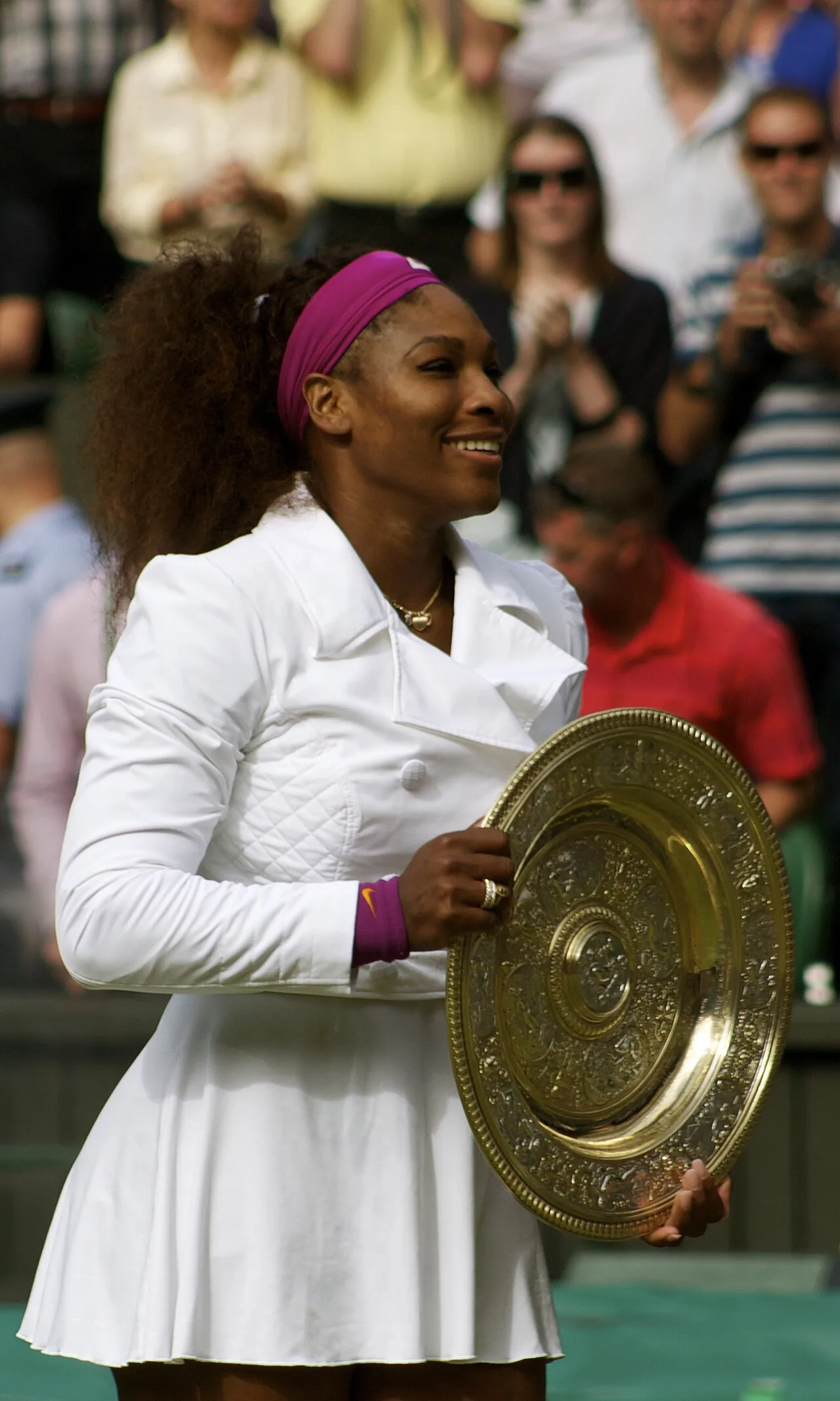
Serena Williams learned tennis on public courts in Compton, California, coached by her father Richard alongside her sister Venus, and went on to redefine the women’s game. She won 23 Grand Slam singles titles, more than any other player in the Open era, held the world number one ranking for 319 weeks, and won four Olympic gold medals, one in singles and three in doubles with Venus.
In September 2022, at the US Open, she stepped away from the tour, carefully saying she was “evolving away” rather than retiring, and built a second career through Serena Ventures, whose $111 million inaugural fund backs founders from underrepresented groups; she also became a co-owner of the Toronto Tempo basketball team. Then came the coda few believed: after re-entering the anti-doping testing pool in late 2025, she returned to the court at Queen’s Club in June 2026, playing doubles, four years after her last match.
- Born: 26 September 1981, Saginaw, Michigan.
- Field: Tennis, then venture capital and team ownership.
- Defining achievement: 23 Grand Slam singles titles, an Open era record.
- Current role: Founder of Serena Ventures; returned to competition in 2026.
Heads of Government and Public Leadership
10. Indira Gandhi
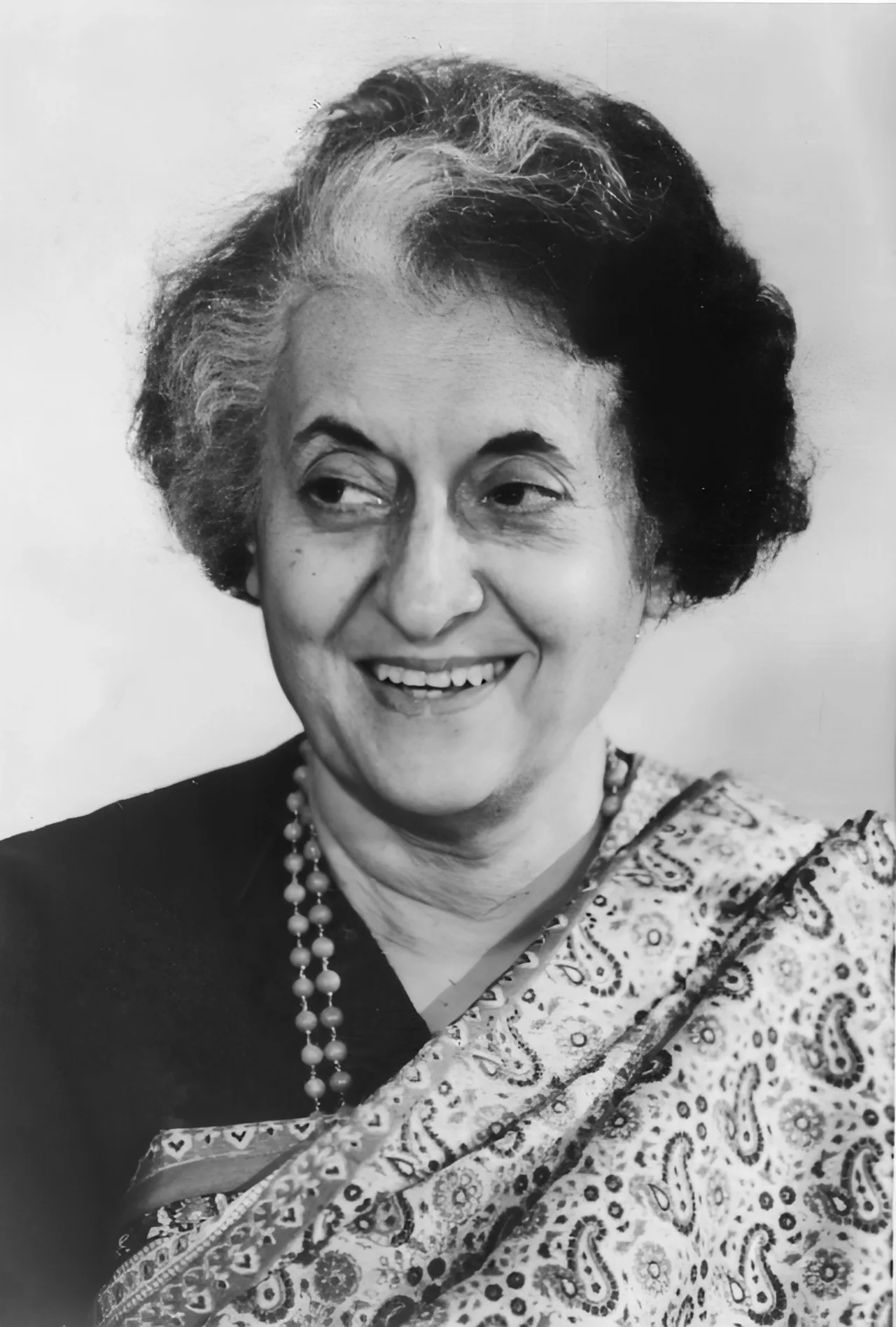
Indira Gandhi, Jawaharlal Nehru’s daughter, became prime minister in 1966 and dominated Indian politics for most of two decades: in office from 1966 to 1977 and again from 1980 until her death. She remains India’s first and only woman prime minister, and its second-longest-serving. Her defining triumph was the 1971 war, in which India’s victory over Pakistan midwifed the new nation of Bangladesh.
Her record also carries the darkest chapter in modern Indian democracy. In June 1975, facing a court ruling against her election, she declared a state of Emergency: for 21 months civil liberties were suspended, the press was censored and opponents jailed. Voters threw her out in 1977, then returned her in 1980. In June 1984 she ordered the army into the Golden Temple at Amritsar; on 31 October 1984 two of her own Sikh bodyguards assassinated her in revenge.
- Born: 19 November 1917, Allahabad; died 31 October 1984, New Delhi.
- Field: Politics.
- Defining achievement: Prime Minister of India for fifteen years across four terms.
- Legacy: Both the 1971 victory and the Emergency define her contested place in history.
11. Angela Merkel
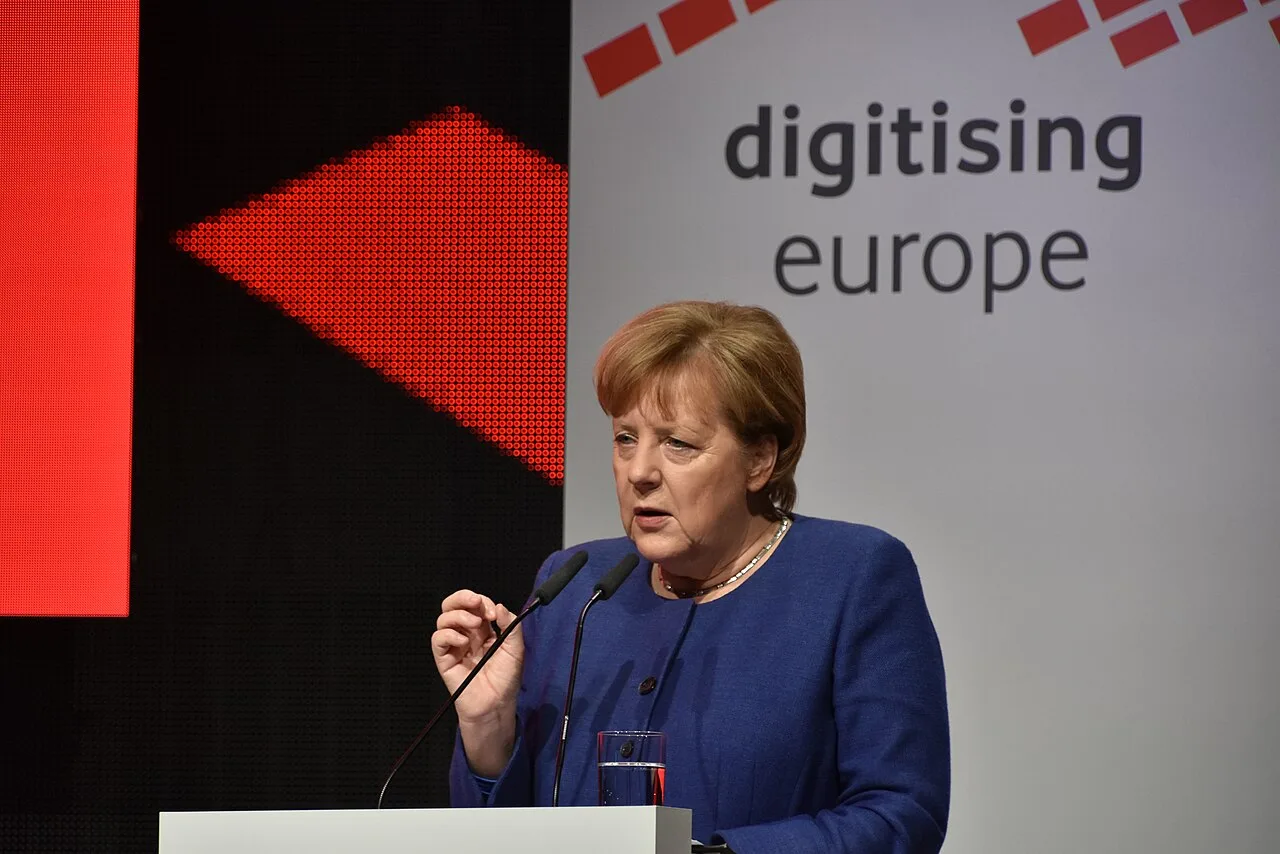
Angela Merkel grew up in East Germany and trained as a physicist, completing a doctorate in quantum chemistry before entering politics as communism collapsed. She rose through the Christian Democratic Union and in 2005 became Germany’s first woman chancellor. She held the office for sixteen years, winning four elections, and became the central crisis manager of her era: the eurozone debt crisis, the 2015 migration crisis and the first years of the pandemic all ran through her chancellery.
She left office in 2021 on her own timetable, a rarity among long-serving leaders, and has kept the low profile she promised. Her memoir Freedom: Memories 1954–2021, published in November 2024 and written with her longtime aide Beate Baumann, became an international bestseller and a rare frank account of her years in power. In 2026 she remains out of office, appearing mainly for the book’s international launches and public conversations, and has dismissed any return, calling talk of a federal presidency “absurd”.
- Born: 17 July 1954, Hamburg, West Germany.
- Field: Politics.
- Defining achievement: Sixteen years as Chancellor of Germany (2005–2021).
- Current position: Retired from office; author of the memoir Freedom (2024).
12. Ursula von der Leyen
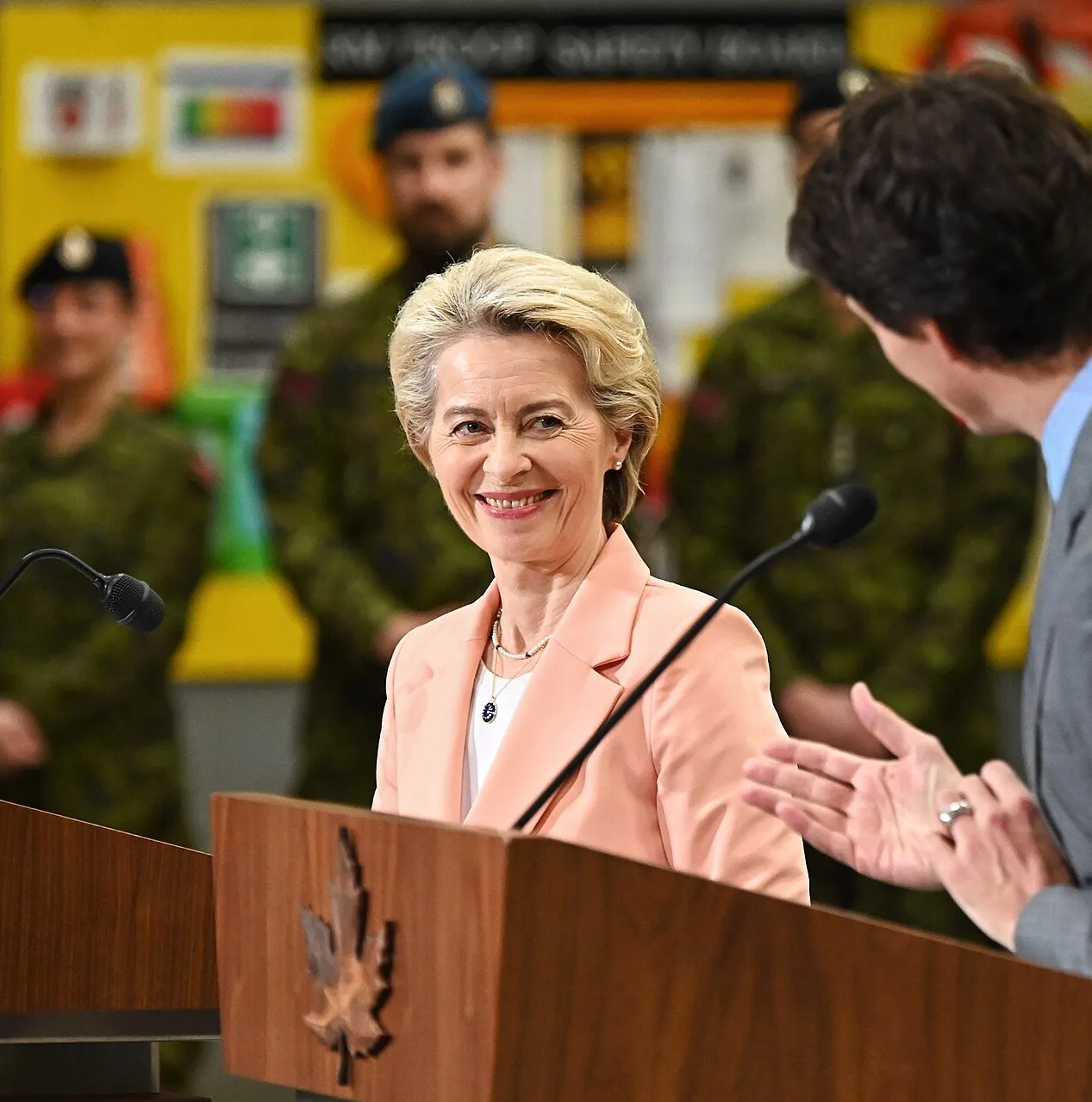
Ursula von der Leyen, a doctor by training, spent fourteen years in Angela Merkel’s cabinets, including six as Germany’s first woman defence minister, before moving to Brussels. In December 2019 she became President of the European Commission, the European Union’s executive, and the first woman to hold the post. Her first term delivered the European Green Deal and steered the EU’s joint purchase of COVID-19 vaccines.
The European Parliament re-elected her in July 2024 with 401 votes, and her second term, running to 2029, began that December. Its agenda has shifted with the times: competitiveness and cutting red tape, a Clean Industrial Deal, and a new emphasis on European defence, including the Readiness 2030 programme, alongside continued support for Ukraine. She is, by common consent, the most powerful woman in world politics today.
- Born: 8 October 1958, Brussels, Belgium.
- Field: Politics.
- Defining achievement: First woman to lead the European Commission.
- Current role: Commission President in her second term (2024–2029).
13. Kamala Harris
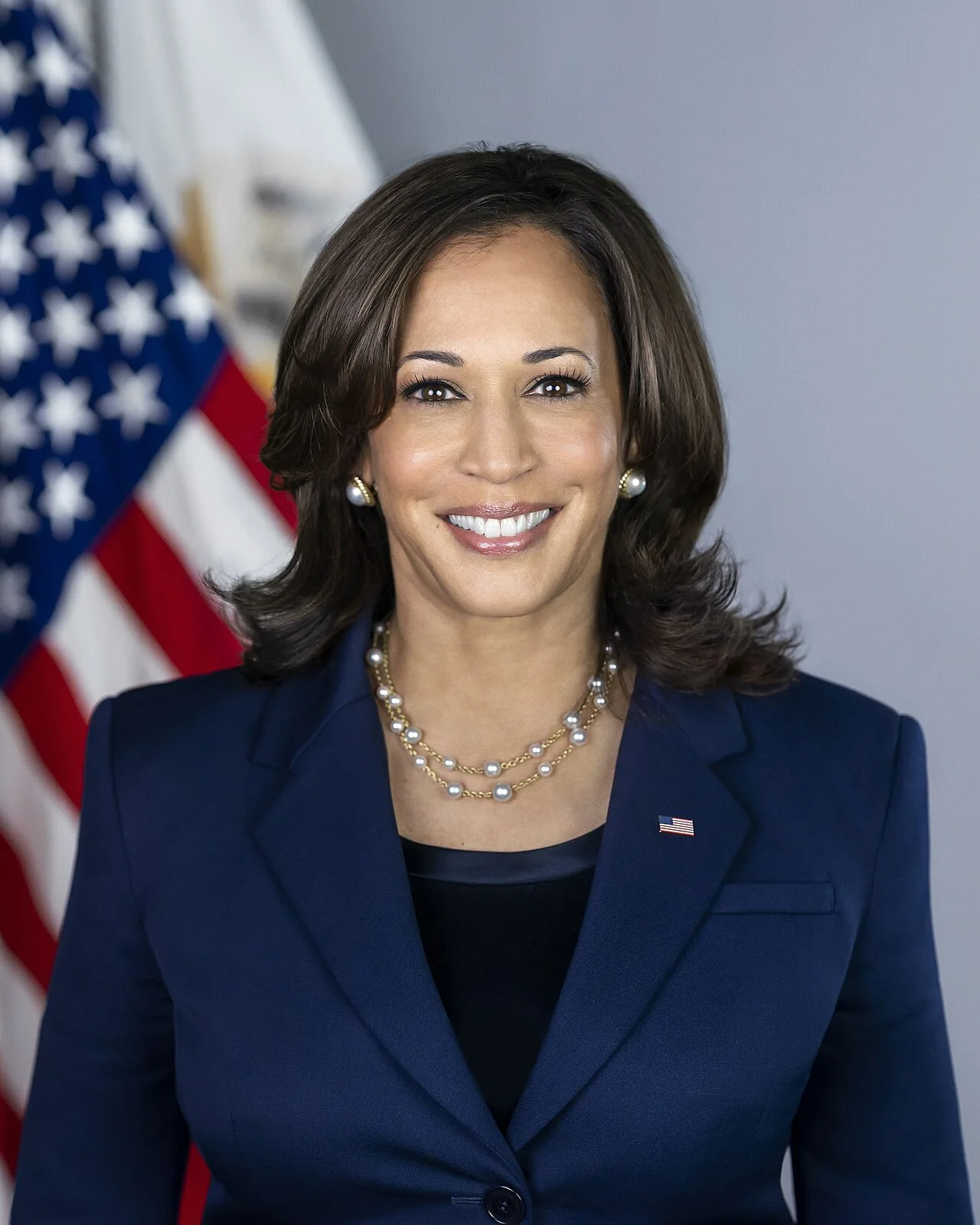
Kamala Harris climbed every rung of American public law: district attorney of San Francisco, attorney general of California, United States senator. In January 2021 she was sworn in as Vice President, the first woman, the first Black American and the first person of South Asian descent to hold the office. Her four years in the White House made her the most senior woman in American political history.
When President Biden withdrew from the 2024 election, Harris became the Democratic nominee and ran a campaign of just 107 days, losing to Donald Trump in November. She left office in January 2025 and the following July ruled out running for governor of California. Her memoir 107 Days appeared in September 2025. Through 2026 she has campaigned for Democrats ahead of the midterm elections and, asked about another presidential run in 2028, says she has not decided.
- Born: 20 October 1964, Oakland, California.
- Field: Law and politics.
- Defining achievement: First woman Vice President of the United States.
- Current position: Former vice president; undecided on a 2028 run, by her own account.
14. Jacinda Ardern
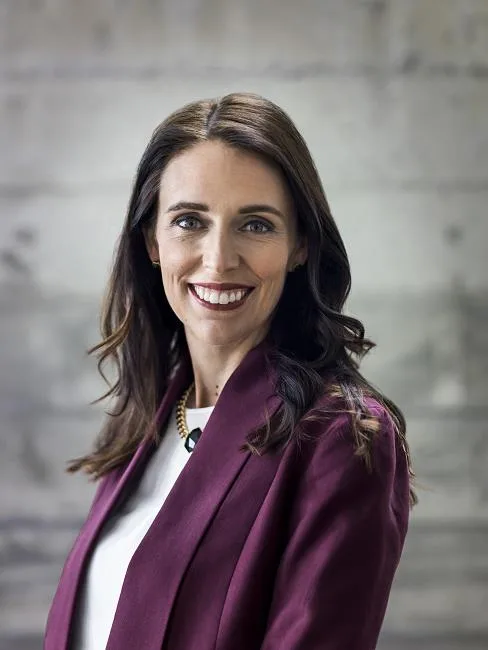
Jacinda Ardern became prime minister of New Zealand in October 2017 at thirty-seven, the country’s youngest leader in more than 150 years and, at that moment, the world’s youngest female head of government. In 2018 she became only the second elected head of government in history to give birth in office. Her response to the Christchurch mosque shootings of March 2019, embracing the Muslim community and reforming gun laws within weeks, defined her international reputation.
Her government’s elimination strategy kept New Zealand’s COVID-19 deaths among the lowest in the world, though the long border closure divided opinion at home. In January 2023 she resigned, saying she no longer had “enough in the tank”. Since then she has taken up fellowships at Harvard, founded the Field Fellowship for empathetic leadership, joined the board of the Earthshot Prize, and published a bestselling memoir, A Different Kind of Power, in June 2025.
- Born: 26 July 1980, Hamilton, New Zealand.
- Field: Politics.
- Defining achievement: Prime Minister of New Zealand (2017–2023), elected at 37.
- Current role: Harvard fellow; founder of the Field Fellowship; memoirist.
15. Nirmala Sitharaman
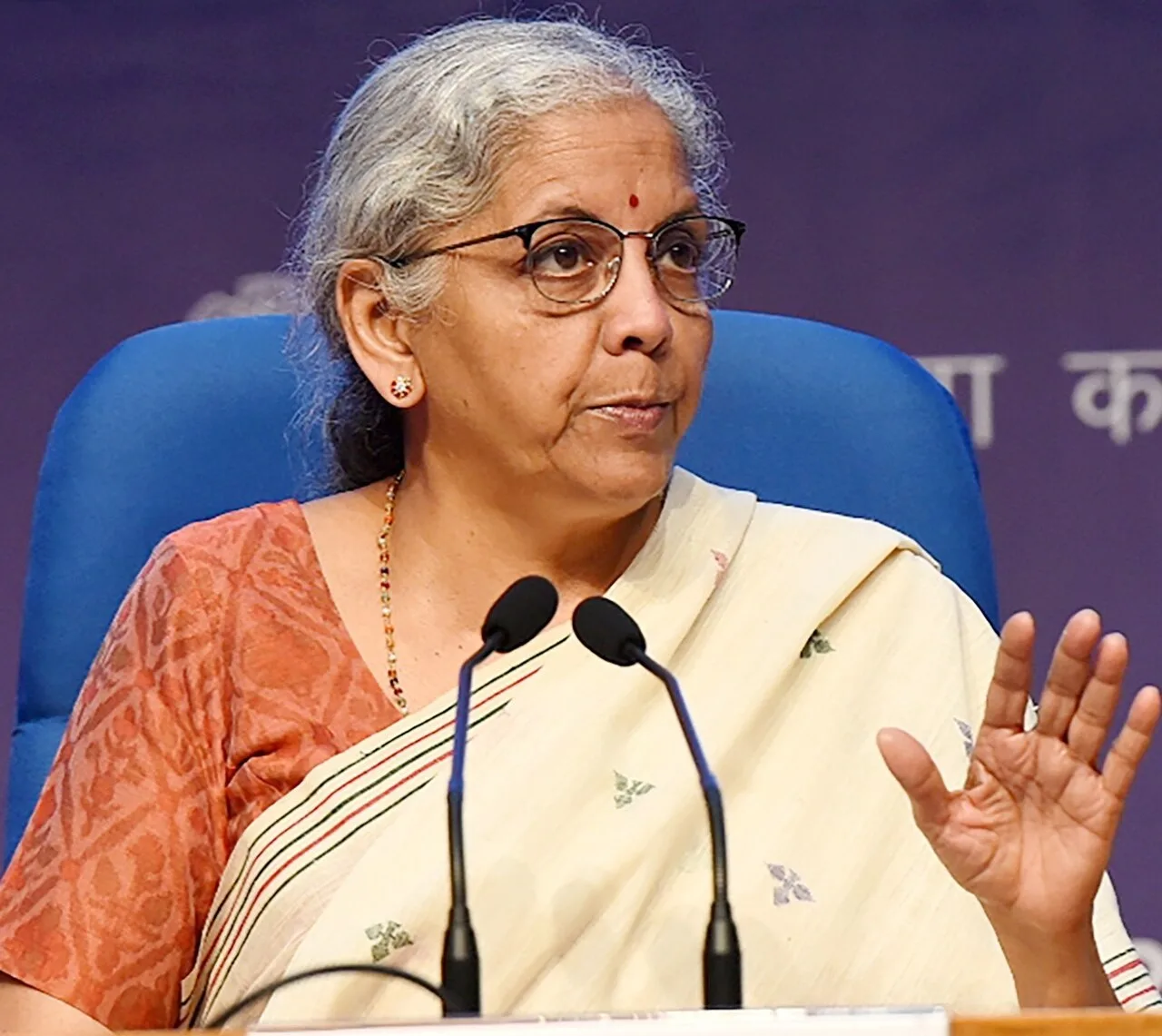
Nirmala Sitharaman became India’s first full-time woman finance minister in May 2019, having already served as defence minister, only the second woman to hold that post. The finance job made her the custodian of the world’s fifth-largest economy through its hardest years: the pandemic, the inflation that followed, and the push to make India the fastest-growing major economy.
Budget day has become her signature. On 1 February 2026 she presented her ninth consecutive Union Budget, a record for an Indian finance minister: no one before her had presented nine in a row, and she is now the longest-serving finance minister in continuous office. She also holds the record for the longest Budget speech, two hours and forty minutes in 2020. She remains in post through 2026, at the centre of the economic policy of the Modi government’s third term.
- Born: 18 August 1959, Madurai, Tamil Nadu.
- Field: Politics and public finance.
- Defining achievement: A record nine consecutive Union Budgets (2019–2026).
- Current role: Minister of Finance and Corporate Affairs of India.
The Patterns Across Their Lives
Fifteen unlike careers still rhyme. Read together, the same few patterns keep appearing, and they say as much about the world these women entered as about the women themselves.
- They were first, and usually alone. First woman to a Nobel science prize, to a solo Atlantic crossing, to the chancellery, to the vice presidency, to a ninth straight Budget. Almost every woman here opened a door that had never been opened by a woman before.
- Institutions outlived them. The Missionaries of Charity, the Jane Goodall Institute, the Malala Fund, the Ninety-Nines and Serena Ventures all still operate. Influence that is built into an organisation survives its founder.
- The price was real. Curie’s radiation, Parks’s arrest and lost livelihood, Malala’s bullet, Gandhi’s assassination, Earhart’s disappearance. None of these stories is a simple rise.
- Several reinvented themselves. Merkel the physicist became a chancellor; Williams the champion became an investor, then a player again; Ardern turned a premiership into a study of leadership itself.
- Second acts are now part of the record. Memoirs by Merkel, Ardern, Harris and Malala in 2024 and 2025 have let four of them reframe their own stories in their own words.
Frequently Asked Questions
Who is the most influential woman in the world today?
By the measure of formal power, Ursula von der Leyen, who leads the executive of the European Union in a second term to 2029. By the measure of cultural reach, the answer is harder: Oprah Winfrey still shapes what millions read and watch, and Malala Yousafzai remains the global voice for girls’ education. Influence has no single table, which is why this list explains records rather than awarding a single crown.
Who was the first woman to win a Nobel Prize?
Marie Curie. She shared the 1903 Nobel Prize in Physics and won the Chemistry prize outright in 1911. She is still the only person, of any sex, to have won Nobel Prizes in two different sciences.
Who is the youngest Nobel laureate ever?
Malala Yousafzai, who was seventeen when she received the Nobel Peace Prize in 2014. She had survived an assassination attempt two years earlier and co-founded the Malala Fund while still at school.
How many of the fifteen are still living?
Eight. Angela Merkel, Oprah Winfrey, Serena Williams, Ursula von der Leyen, Kamala Harris, Jacinda Ardern, Malala Yousafzai and Nirmala Sitharaman are all living, and von der Leyen and Sitharaman remain in office. Jane Goodall, the most recent loss, died in October 2025 at the age of 91.
Why are the women grouped rather than ranked 1 to 15?
Because the achievements are not commensurable: there is no honest scale on which a Nobel Prize in Physics outweighs a bus boycott, or a Grand Slam title a term as chancellor. Grouping by field, with the record stated plainly for each woman, lets readers make their own comparisons on real evidence.
Sources and Photograph Credits
Biographical details and current positions were researched in November 2026 from the reference and institutional sources listed in the pack’s sources file, including Encyclopaedia Britannica, the Nobel Prize organisation, the Jane Goodall Institute, the European Parliament’s research service and India’s Press Information Bureau reporting. Photographs are real photographs of each woman from Wikimedia Commons, identity-checked against the file records:
- Photograph: Marie Curie (Henri Manuel, public domain).
- Photograph: Amelia Earhart (Smithsonian Institution, public domain).
- Photograph: Rosa Parks (Gene Herrick for the Associated Press, 1956, public domain).
- Photograph: Frida Kahlo (Guillermo Kahlo, 1932, public domain).
- Photograph: Indira Gandhi (Prime Minister’s Office, GODL-India).
- Photograph: Mother Teresa (Túrelio, 1986, CC BY-SA 2.0 DE).
- Photograph: Jane Goodall (Franz Johann Morgenbesser, 2015, CC BY-SA 2.0 — cropped from the original award photograph).
- Photograph: Angela Merkel (Kristof Roomp, 2019, CC0).
- Photograph: Oprah Winfrey (aphrodite-in-nyc, 2014, CC BY 2.0).
- Photograph: Serena Williams (Paulobrad, 2012, CC BY-SA 4.0).
- Photograph: Ursula von der Leyen (Dati Bendo, European Union, 2023, CC BY 4.0 — cropped to the subject from the original press-conference photograph).
- Photograph: Kamala Harris (Lawrence Jackson, White House, 2021, public domain).
- Photograph: Jacinda Ardern (Department of the Prime Minister and Cabinet, New Zealand, 2019, CC BY 4.0).
- Photograph: Malala Yousafzai (DFID, 2015, CC BY 2.0).
- Photograph: Nirmala Sitharaman (Ministry of Finance, Government of India, 2023, GODL-India).
The featured cover compiles the photographs of Marie Curie, Rosa Parks, Kamala Harris and Malala Yousafzai. This is an editorial selection, not an official ranking.
Keep exploring

Top 50 Most Popular Native American Actresses
For generations, Native American actresses have enriched our screens with powerful performances, despite an industry that has often offered limited…

Best Fashion Designers: 15 Designers to Know — Global Icons and Indian Greats
From Coco Chanel, Christian Dior and Yves Saint Laurent to Ritu Kumar, Sabyasachi Mukherjee and Masaba Gupta — 15 fashion designers to know, each…
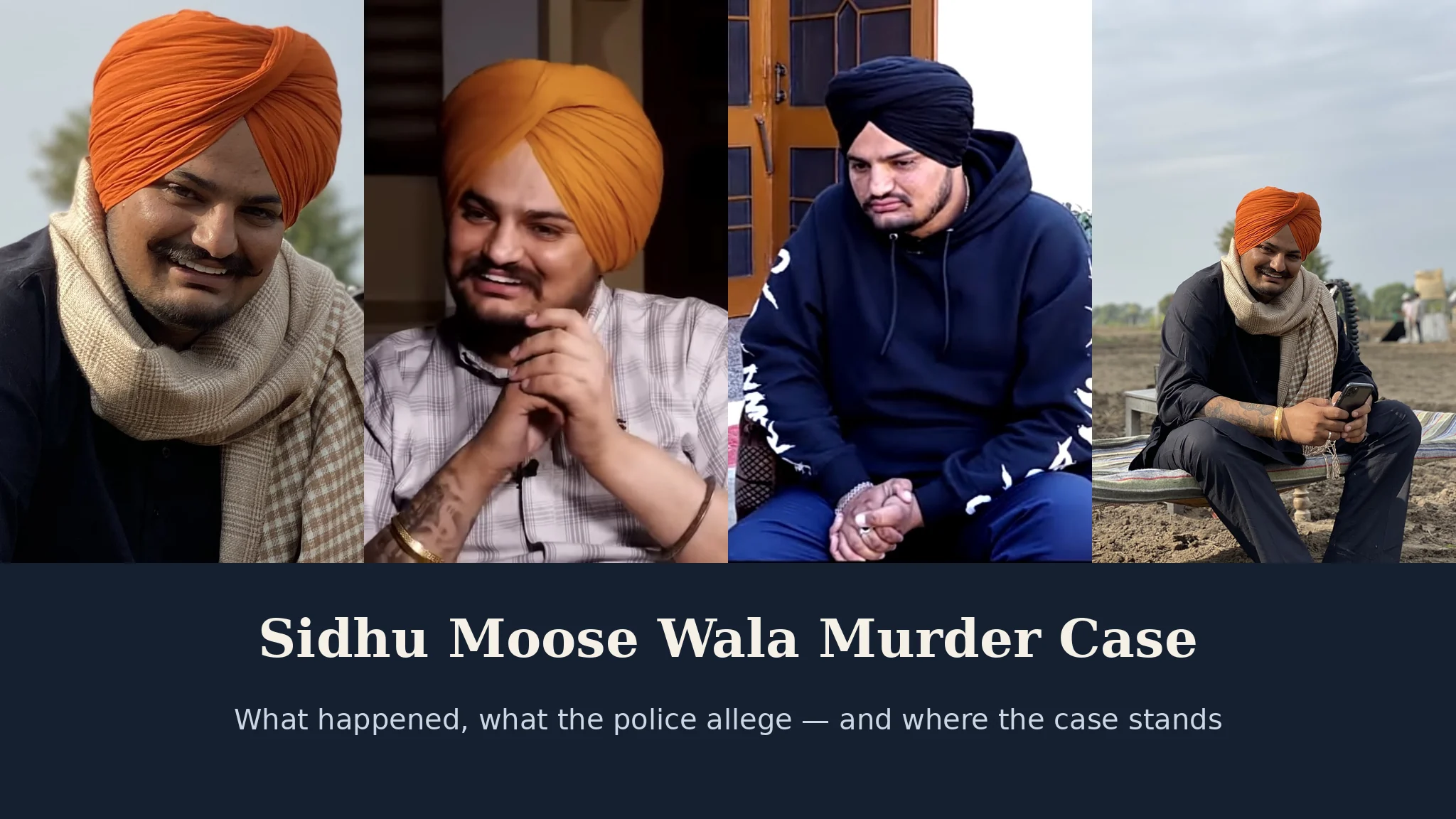
Sidhu Moose Wala Murder Case: What Happened, What Police Allege, and Where the Case Stands
Punjabi singer Sidhu Moose Wala was shot dead near Jawaharke village in Punjab’s Mansa district on 29 May 2022, a day after his security cover was…