
VisitBest guide
Punjabi Motivational Shayari on Life: Original Lines with Meaning
Original Punjabi motivational couplets in Gurmukhi with simple English meanings for captions, reflection, and encouragement.
In this guide
At a glance
These verses were written for VisitBest's refreshed page and are not copied from songs or published poems.
- ਰਾਹ ਔਖਾ ਹੋਵੇ ਤਾਂ ਹੌਸਲਾ ਹੋਰ ਪੱਕਾ ਕਰ, ਮੰਜ਼ਿਲ ਦੂਰ ਨਹੀਂ ਜੇ ਕਦਮ ਸੱਚਾ ਕਰ। — When the road is hard, strengthen your courage; an honest step brings the destination closer.
- ਡਿੱਗ ਕੇ ਉੱਠਣਾ ਹੀ ਜ਼ਿੰਦਗੀ ਦੀ ਪਛਾਣ, ਹਰ ਨਵੀਂ ਸਵੇਰ ਲਿਆਉਂਦੀ ਨਵਾਂ ਅਸਮਾਨ। — Rising after a fall defines life; every morning opens a new sky.
- ਛੋਟੇ ਕਦਮਾਂ ਨਾਲ ਵੱਡੇ ਸੁਪਨੇ ਸਜਦੇ, ਮਿਹਨਤ ਵਾਲੇ ਹੱਥ ਕਦੇ ਖਾਲੀ ਨਹੀਂ ਰਹਿੰਦੇ। — Big dreams grow from small steps; hardworking hands do not remain empty.
- ਆਪਣੀ ਰੌਸ਼ਨੀ ਨੂੰ ਲੋਕਾਂ ਦੇ ਡਰ ਨਾਲ ਨਾ ਢੱਕ, ਸੱਚੇ ਦਿਲ ਨਾਲ ਤੁਰ ਤੇ ਆਪਣੀ ਮੰਜ਼ਿਲ ਲੱਭ। — Do not hide your light because of others' fear; move sincerely toward your goal.
Shortlist and comparison
| Original line | Meaning | Theme |
|---|---|---|
| ਰਾਹ ਔਖਾ ਹੋਵੇ ਤਾਂ ਹੌਸਲਾ ਹੋਰ ਪੱਕਾ ਕਰ, ਮੰਜ਼ਿਲ ਦੂਰ ਨਹੀਂ ਜੇ ਕਦਮ ਸੱਚਾ ਕਰ। | When the road is hard, strengthen your courage; an honest step brings the destination closer. | Perseverance |
| ਡਿੱਗ ਕੇ ਉੱਠਣਾ ਹੀ ਜ਼ਿੰਦਗੀ ਦੀ ਪਛਾਣ, ਹਰ ਨਵੀਂ ਸਵੇਰ ਲਿਆਉਂਦੀ ਨਵਾਂ ਅਸਮਾਨ। | Rising after a fall defines life; every morning opens a new sky. | Resilience |
| ਛੋਟੇ ਕਦਮਾਂ ਨਾਲ ਵੱਡੇ ਸੁਪਨੇ ਸਜਦੇ, ਮਿਹਨਤ ਵਾਲੇ ਹੱਥ ਕਦੇ ਖਾਲੀ ਨਹੀਂ ਰਹਿੰਦੇ। | Big dreams grow from small steps; hardworking hands do not remain empty. | Consistent effort |
| ਆਪਣੀ ਰੌਸ਼ਨੀ ਨੂੰ ਲੋਕਾਂ ਦੇ ਡਰ ਨਾਲ ਨਾ ਢੱਕ, ਸੱਚੇ ਦਿਲ ਨਾਲ ਤੁਰ ਤੇ ਆਪਣੀ ਮੰਜ਼ਿਲ ਲੱਭ। | Do not hide your light because of others' fear; move sincerely toward your goal. | Self-belief |
| ਵੇਲਾ ਬਦਲਦਾ ਰਹਿੰਦਾ, ਤੂੰ ਨੀਅਤ ਸਾਫ਼ ਰੱਖ, ਅੱਜ ਬੀਜ ਮਿਹਨਤ ਦਾ, ਕੱਲ੍ਹ ਫਲ ਆਪਣੇ ਹੱਥ। | Time keeps changing; keep your intent clear and today's effort will bear fruit. | Patience |
| ਮਿਹਨਤ ਦੀ ਰੋਟੀ ਮਿੱਠੀ ਲੱਗਦੀ, ਪਸੀਨੇ ਨਾਲ ਲਿਖੀ ਕਹਾਣੀ ਚੰਗੀ ਲੱਗਦੀ। | Bread earned by hard work tastes sweet; a story written in sweat reads well. | Hard work |
| ਹਾਰ ਹਾਰ ਨਹੀਂ ਹੁੰਦੀ, ਜੇ ਸਬਕ ਸੰਭਾਲ ਲਵੇਂ, ਡਿੱਗਿਆ ਬੀਜ ਵੀ ਮਿੱਟੀ ਵਿੱਚੋਂ ਉੱਗ ਪੈਂਦਾ ਏ। | A defeat is not a defeat if you keep its lesson; even a fallen seed rises again from the soil. | Failure as teacher |
| ਪਹਿਲਾ ਕਦਮ ਹੀ ਸਭ ਤੋਂ ਔਖਾ, ਫਿਰ ਰਾਹ ਆਪੇ ਬਣਦਾ ਜਾਂਦਾ ਏ। | The first step is the hardest; after it, the road builds itself as you go. | Courage to begin |
| ਰੋਜ਼ ਥੋੜ੍ਹਾ ਥੋੜ੍ਹਾ ਕਰੀ ਜਾ, ਵੱਡਾ ਕੰਮ ਆਪੇ ਮੁੱਕ ਜਾਂਦਾ ਏ। | Keep doing a little every day, and the big task finishes on its own. | Discipline |
| ਰਾਤ ਭਾਵੇਂ ਲੰਬੀ ਹੋਵੇ, ਸਵੇਰ ਦਾ ਵਾਅਦਾ ਕਦੇ ਟੁੱਟਦਾ ਨਹੀਂ। | However long the night, morning's promise never breaks. | Hope |
| ਦੂਜਿਆਂ ਦੀ ਦੌੜ ਵਿੱਚ ਆਪਣੀ ਚਾਲ ਨਾ ਭੁੱਲ, ਹਰ ਕਿਸੇ ਦੀ ਮੰਜ਼ਿਲ ਦਾ ਵੇਲਾ ਵੱਖਰਾ ਹੁੰਦਾ ਏ। | In others' race, do not forget your own pace; everyone reaches their destination in their own time. | Your own pace |
| ਸੱਚੀ ਕਮਾਈ ਦਾ ਸੁੱਖ ਵੱਖਰਾ, ਝੂਠੀ ਚਮਕ ਕਦੇ ਚੈਨ ਨਹੀਂ ਦਿੰਦੀ। | Honest earnings bring a different peace; false glitter never gives rest. | Honest living |
| ਸਫ਼ਲਤਾ ਮਿਲੇ ਤਾਂ ਪੈਰ ਧਰਤੀ ਤੇ ਰੱਖ, ਉੱਚਾ ਰੁੱਖ ਵੀ ਜੜ੍ਹਾਂ ਨਾਲ ਹੀ ਖੜ੍ਹਾ ਹੁੰਦਾ ਏ। | When success comes, keep your feet on the ground; even a tall tree stands only by its roots. | Staying grounded |
| ਸੁਪਨੇ ਵੇਖਣੇ ਸੌਖੇ, ਉਨ੍ਹਾਂ ਨੂੰ ਸੱਚ ਕਰਨ ਲਈ ਹੱਥ ਵੀ ਲਾਉਣੇ ਪੈਂਦੇ ਨੇ। | Dreaming is easy; making dreams true also takes putting your hands to work. | Dreams need action |
The brands in detail
Perseverance
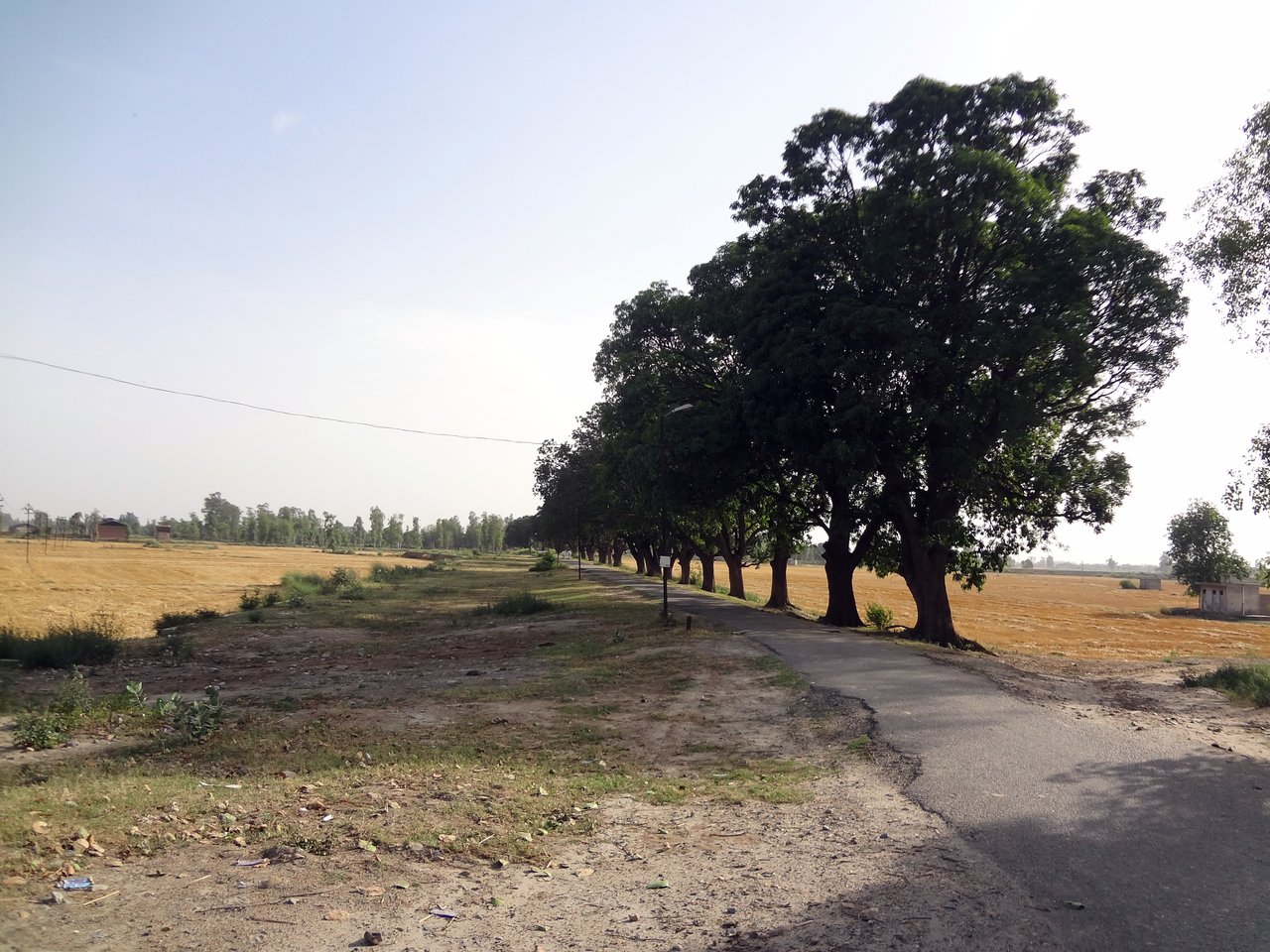
“ਰਾਹ ਔਖਾ ਹੋਵੇ ਤਾਂ ਹੌਸਲਾ ਹੋਰ ਪੱਕਾ ਕਰ, ਮੰਜ਼ਿਲ ਦੂਰ ਨਹੀਂ ਜੇ ਕਦਮ ਸੱਚਾ ਕਰ।” When the road is hard, strengthen your courage; an honest step brings the destination closer. Perseverance here is not loud boasting or refusing ever to rest. It is the quiet decision to take the next honest step when the larger road still looks long: one more hour of revision, one more honest conversation, one more day of care for a crop, a shop, or a family responsibility.
A hard road tests different people in different ways, and this line fits best in the middle of an effort, when someone is already trying and needs steadiness rather than a fresh slogan. It does not promise that effort alone removes every obstacle, and it should never be used to dismiss genuine hardship, as the page's own guidance warns. Courage grows the way a path is made, by walking it. If the next step is help, rest, or a change of plan, that too can be an honest step, and it still counts as perseverance.
Resilience

“ਡਿੱਗ ਕੇ ਉੱਠਣਾ ਹੀ ਜ਼ਿੰਦਗੀ ਦੀ ਪਛਾਣ, ਹਰ ਨਵੀਂ ਸਵੇਰ ਲਿਆਉਂਦੀ ਨਵਾਂ ਅਸਮਾਨ।” Rising after a fall defines life; every morning opens a new sky. A fall in real life is rarely dramatic. It is a failed examination, a lost job, a business setback, a season of illness, or a plan that quietly did not work. Rising, likewise, is rarely a single grand gesture. It can be getting up, eating properly, answering one message, or returning to a task for ten minutes. The morning in this line does not erase yesterday, and it does not ask anyone to pretend the fall did not hurt.
It offers a fresh frame: yesterday's result is not the whole story, and today allows a different response. Use this line when someone has already fallen and is finding their feet again, not as pressure to bounce back instantly. Recovery has its own pace, and asking for support while rising is part of the rising, not a failure of it.
Consistent effort
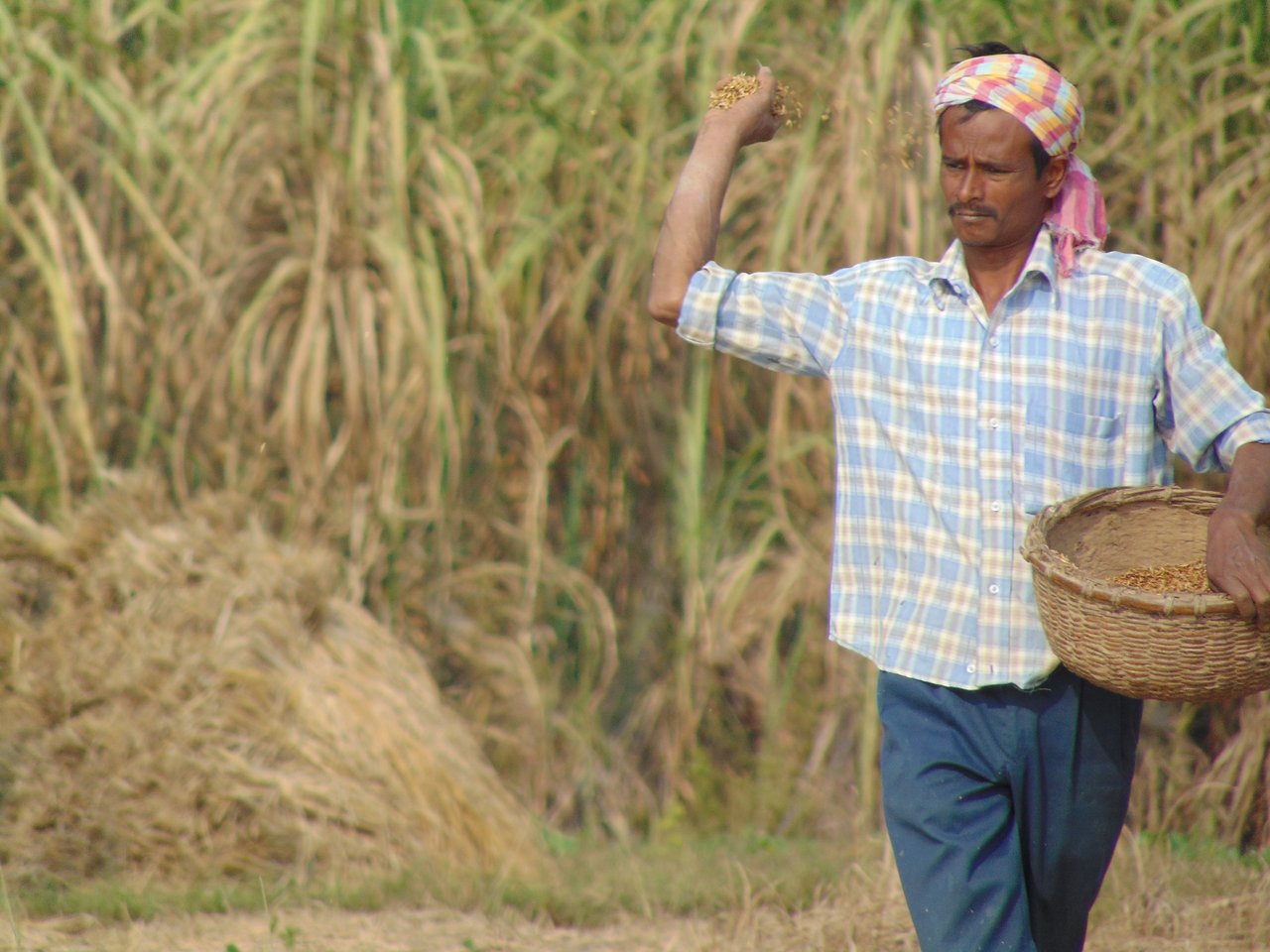
“ਛੋਟੇ ਕਦਮਾਂ ਨਾਲ ਵੱਡੇ ਸੁਪਨੇ ਸਜਦੇ, ਮਿਹਨਤ ਵਾਲੇ ਹੱਥ ਕਦੇ ਖਾਲੀ ਨਹੀਂ ਰਹਿੰਦੇ।” Big dreams grow from small steps; hardworking hands do not remain empty. A large goal becomes manageable only when it is broken into steps small enough to take today. A student reads one chapter, a learner practises one skill, a saver sets aside a small sum, a farmer tends one field at a time. None of these steps looks impressive on its own, and that is the point. Small steps are repeatable, and repetition builds skill, habit, and trust, including trust in oneself.
The line does not promise wealth or fame to everyone who works hard; outcomes also depend on health, opportunity, weather, markets, and timing, which no couplet controls. What hardworking hands reliably gain is something real even when the largest dream changes shape: ability, experience, and a record of having shown up. That is why this verse suits long projects far better than quick fixes.
Self-belief
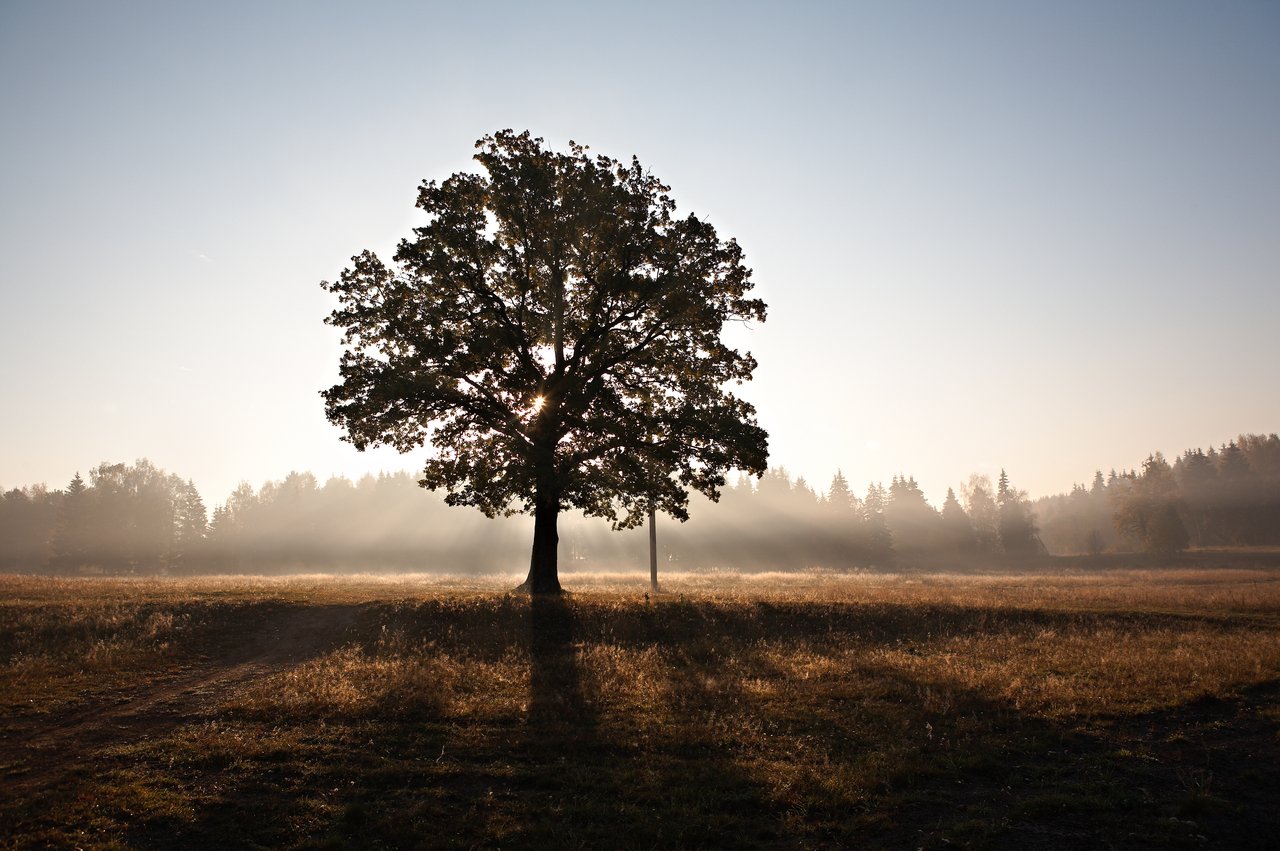
“ਆਪਣੀ ਰੌਸ਼ਨੀ ਨੂੰ ਲੋਕਾਂ ਦੇ ਡਰ ਨਾਲ ਨਾ ਢੱਕ, ਸੱਚੇ ਦਿਲ ਨਾਲ ਤੁਰ ਤੇ ਆਪਣੀ ਮੰਜ਼ਿਲ ਲੱਭ।” Do not hide your light because of others' fear; move sincerely toward your goal. Other people's caution is often their own fear speaking: fear of risk, of judgement, or of a path they never tried. Listening to advice is wise, but handing over the decision to someone else's fear is not. Self-belief in this line is modest, not arrogant. It means trusting your own judgement enough to try, while still checking facts, learning skills, and accepting honest criticism.
It might look like choosing a course others doubt, starting a small venture, speaking up in a meeting, or returning to study later in life. Sincerity matters here: the line asks for movement with a true heart, not for pretending, showing off, or dismissing every warning. Keep the light visible, keep the steps honest, and let the work itself answer the doubters over time.
Patience
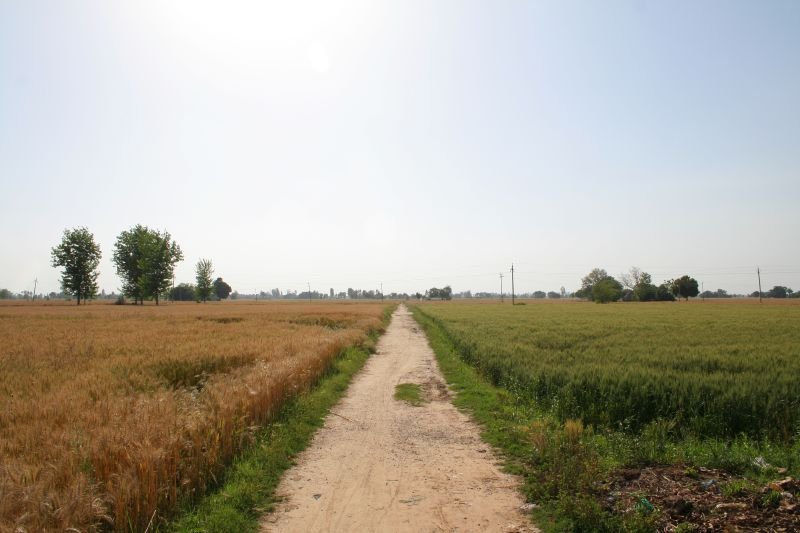
“ਵੇਲਾ ਬਦਲਦਾ ਰਹਿੰਦਾ, ਤੂੰ ਨੀਅਤ ਸਾਫ਼ ਰੱਖ, ਅੱਜ ਬੀਜ ਮਿਹਨਤ ਦਾ, ਕੱਲ੍ਹ ਫਲ ਆਪਣੇ ਹੱਥ।” Time keeps changing; keep your intent clear and today's effort will bear fruit. Patience in this verse is active, not idle. A farmer who sows does not simply wait; the field still needs water, care, and attention while nothing visible happens above the soil. The same is true of study, training, saving, or rebuilding a relationship: the quiet period between effort and result is part of the work. Keeping intent clear means remembering why the effort began, so that a slow week does not quietly turn into abandonment.
It also means accepting that the fruit may look different from the imagined harvest. A changed plan, a smaller but real gain, or a skill learned along the way still counts as fruit. Time will change regardless; this line is about what is done with the time while it changes.
Hard work
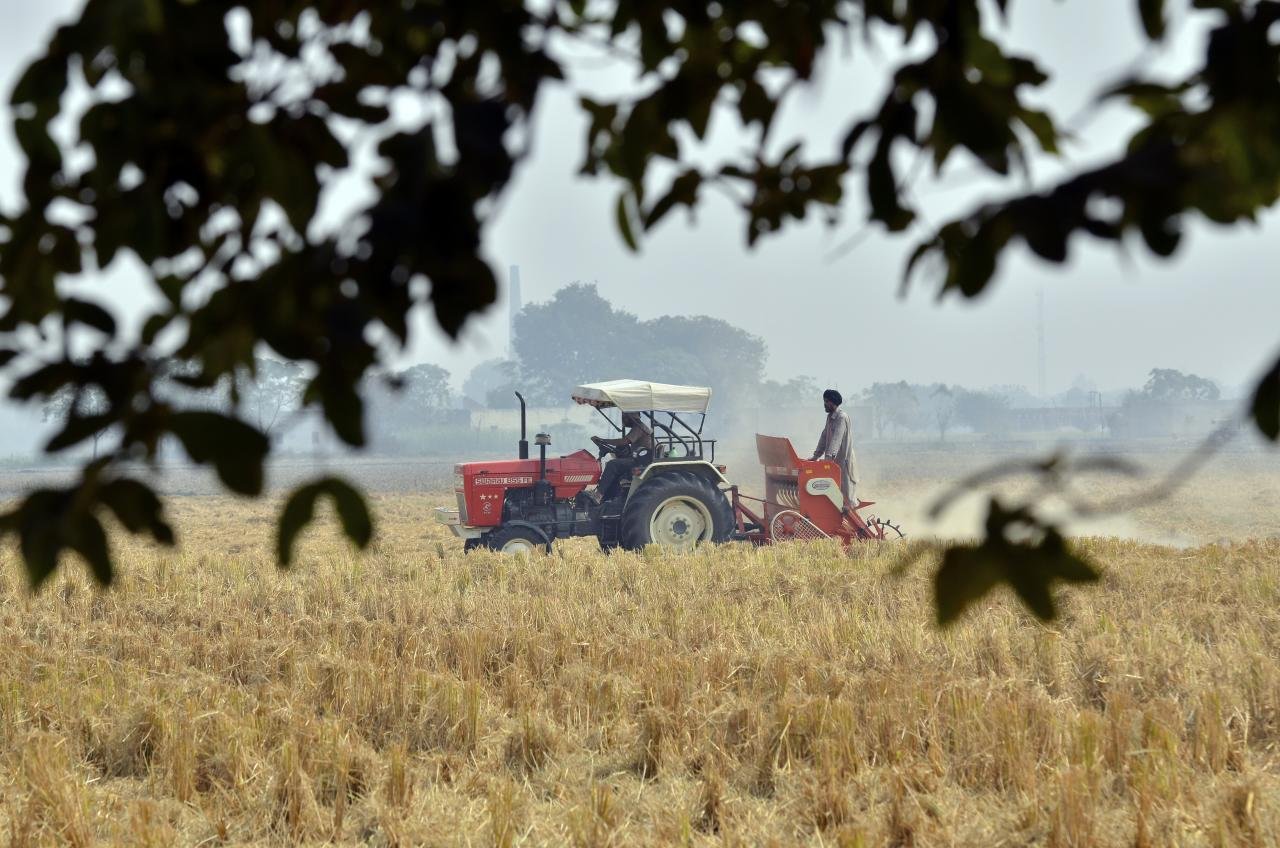
“ਮਿਹਨਤ ਦੀ ਰੋਟੀ ਮਿੱਠੀ ਲੱਗਦੀ, ਪਸੀਨੇ ਨਾਲ ਲਿਖੀ ਕਹਾਣੀ ਚੰਗੀ ਲੱਗਦੀ।” Bread earned by hard work tastes sweet; a story written in sweat reads well. There is a particular satisfaction in a result that can be traced to one's own effort: a field prepared by one's own hands, a craft finished after long practice, an examination passed after steady study, a debt cleared month by month. The sweetness here is not about luxury; it is about ownership and self-respect. The line also carries a warning against confusing hard work with endless overwork.
Rest, safe methods, proper tools, and asking for help are part of sustainable work, not a betrayal of it. A tired worker who rests in order to continue is still working hard. Use this verse to honour labour itself, in any honest trade, rather than to rank one kind of work above another. Every earned result, large or small, has a story worth telling plainly.
Failure as teacher
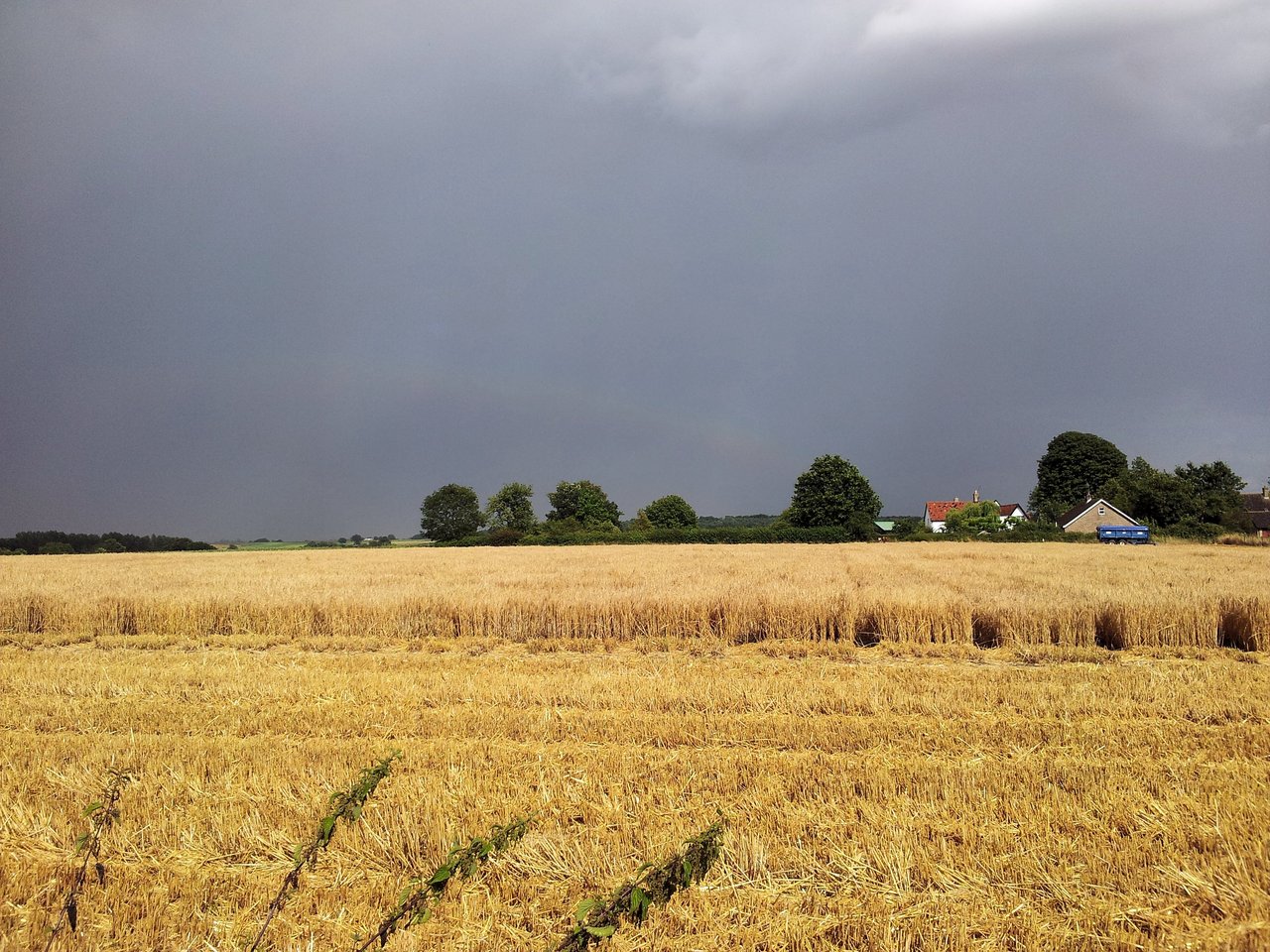
“ਹਾਰ ਹਾਰ ਨਹੀਂ ਹੁੰਦੀ, ਜੇ ਸਬਕ ਸੰਭਾਲ ਲਵੇਂ, ਡਿੱਗਿਆ ਬੀਜ ਵੀ ਮਿੱਟੀ ਵਿੱਚੋਂ ਉੱਗ ਪੈਂਦਾ ਏ।” A defeat is not a defeat if you keep its lesson; even a fallen seed rises again from the soil. Failure teaches only when it is examined honestly. That means separating what was in one's control, such as preparation, timing, or communication, from what was not, such as illness, weather, or another person's decision. Blame in either direction alone teaches nothing; a calm review teaches a great deal. Sometimes the lesson is to practise more, and sometimes it is to stop a path that does not fit and choose another. Both are genuine lessons.
The seed in this line is not a promise that every failure turns into success, and the verse should not be used to minimise real loss. It is a reminder that being buried by a setback is not the same as being finished. What is kept from the experience, a skill, a warning, a clearer sense of direction, is what allows the next attempt to grow differently.
Courage to begin
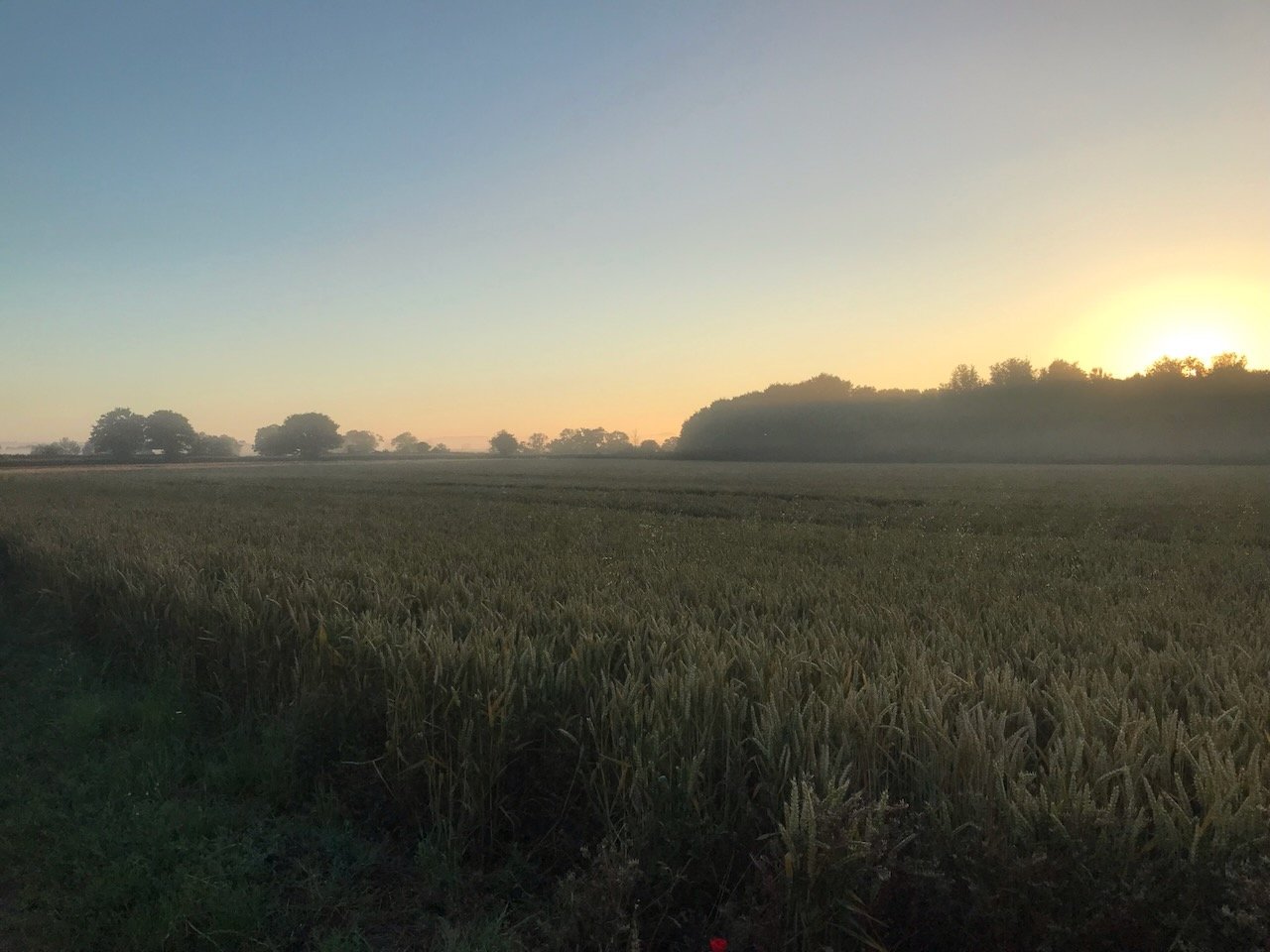
“ਪਹਿਲਾ ਕਦਮ ਹੀ ਸਭ ਤੋਂ ਔਖਾ, ਫਿਰ ਰਾਹ ਆਪੇ ਬਣਦਾ ਜਾਂਦਾ ਏ।” The first step is the hardest; after it, the road builds itself as you go. Starting feels hardest because everything is uncertain at the start: the outcome, the judgement of others, and one's own ability. Perfectionism makes it harder still, by demanding a flawless plan before any movement. A small first step breaks that spell: one phone call, one page written, one visit made, one application sent. Once taken, the step produces information that planning alone cannot provide, such as a real response, a real difficulty, or a real encouragement, and the next step becomes clearer.
Beginning does not mean committing blindly to the whole journey. A wise beginner stays free to adjust, to learn, and even to turn back with better knowledge. This line is for the moment before starting, when encouragement should lower the barrier to action rather than raise the stakes of the outcome.
Discipline
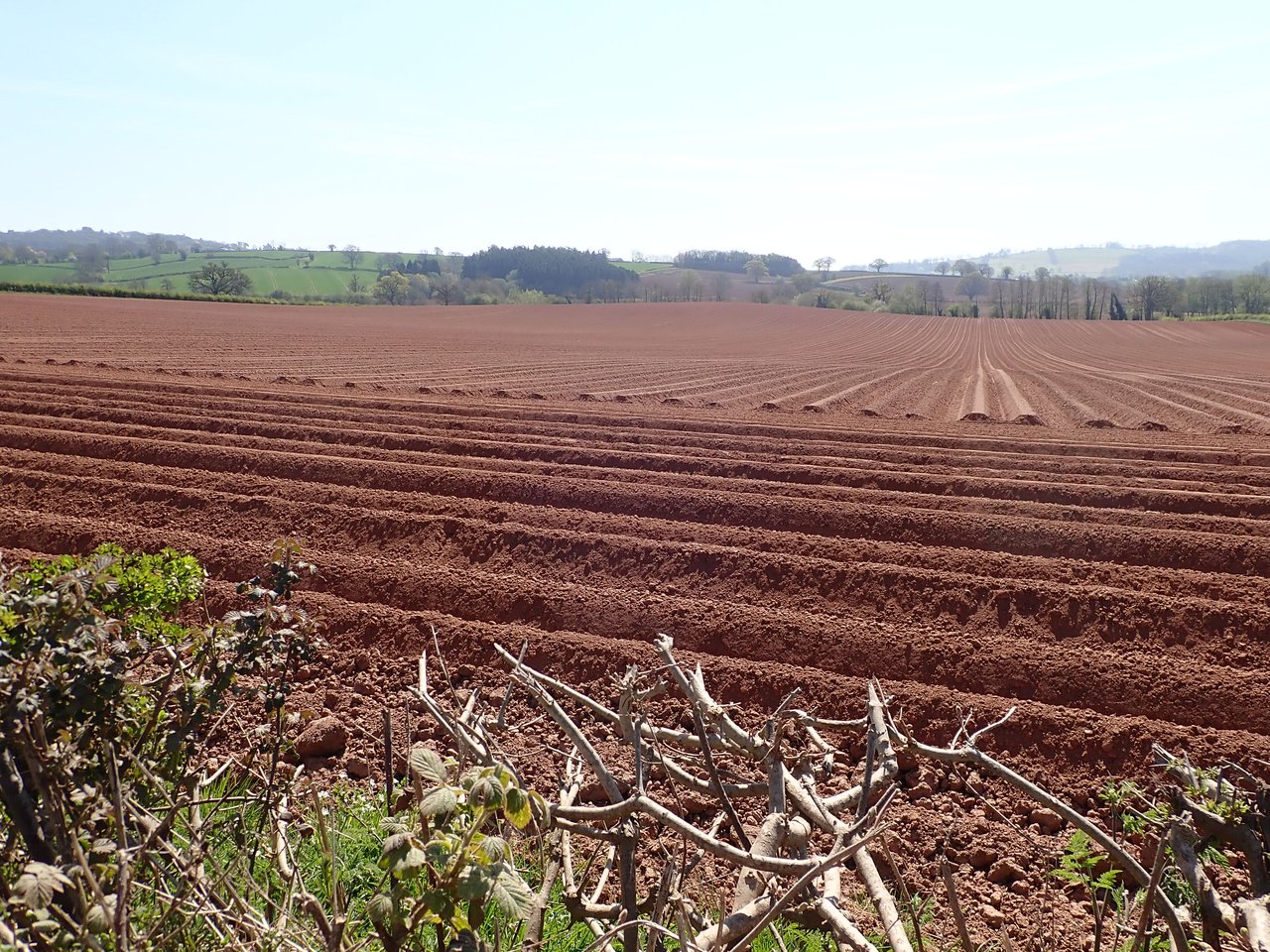
“ਰੋਜ਼ ਥੋੜ੍ਹਾ ਥੋੜ੍ਹਾ ਕਰੀ ਜਾ, ਵੱਡਾ ਕੰਮ ਆਪੇ ਮੁੱਕ ਜਾਂਦਾ ਏ।” Keep doing a little every day, and the big task finishes on its own. Discipline is usually imagined as severity, but in practice it looks like routine: the same time, the same small target, repeated until it becomes ordinary. A large task finished this way rarely feels dramatic on any single day, which is why it is easy to undervalue. The progress is visible only when weeks of small entries are added together: pages read, skills practised, savings accumulated, a house or field maintained.
A missed day does not break discipline; discipline is what resumes the next day without drama or self-punishment. Planned rest belongs inside a routine, not outside it. This verse suits anyone facing a long, unglamorous task, and its advice is practical rather than mystical: shrink the daily target until it can be kept, keep it, and let the finished work speak at the end.
Hope
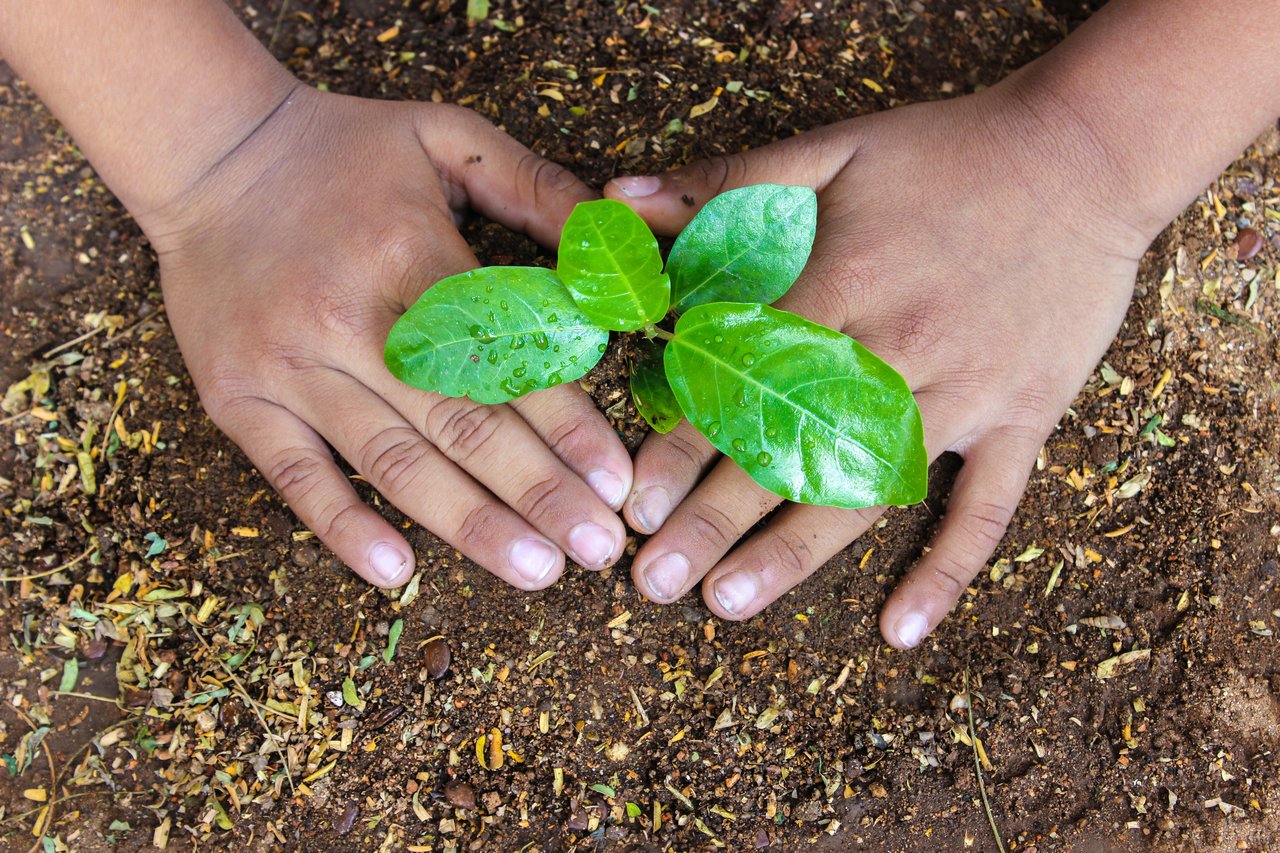
“ਰਾਤ ਭਾਵੇਂ ਲੰਬੀ ਹੋਵੇ, ਸਵੇਰ ਦਾ ਵਾਅਦਾ ਕਦੇ ਟੁੱਟਦਾ ਨਹੀਂ।” However long the night, morning's promise never breaks. Hope in this line is an orientation, not a prediction. It does not claim that a particular result is guaranteed, and it does not deny that the night is long. Waiting for examination results, work, recovery, or news can feel endless, and a verse cannot shorten that waiting. What hope can do is protect the next small action: keeping one routine, staying in touch with one trusted person, preparing one thing for tomorrow.
That is a modest, honest form of hope, and it is enough to keep a person moving through a difficult stretch. If feelings of hopelessness persist or deepen, the right step is to talk to a trusted person or seek professional support rather than relying on a couplet alone. This line is best shared as companionship in a hard night, not as a substitute for help.
Your own pace
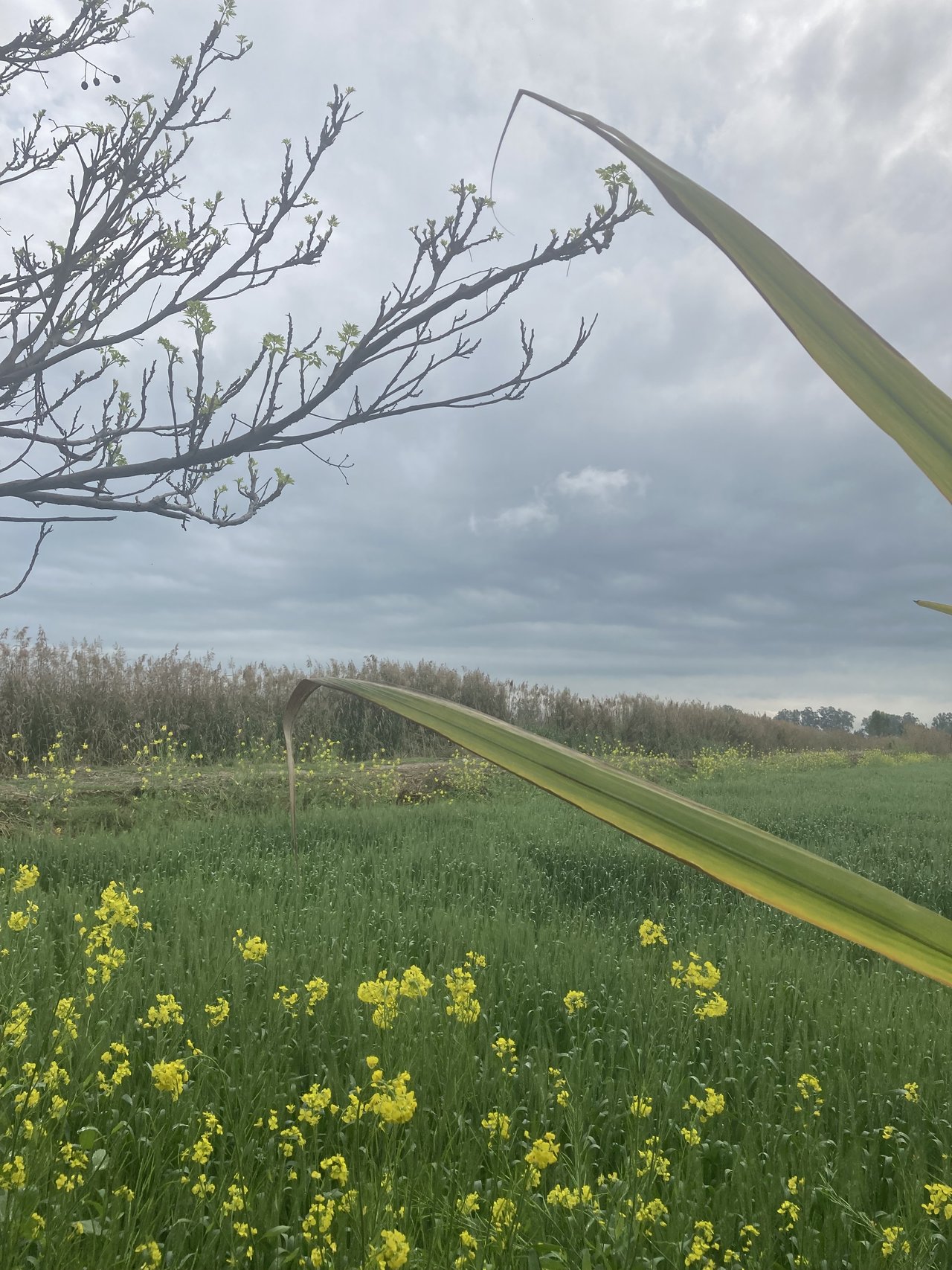
“ਦੂਜਿਆਂ ਦੀ ਦੌੜ ਵਿੱਚ ਆਪਣੀ ਚਾਲ ਨਾ ਭੁੱਲ, ਹਰ ਕਿਸੇ ਦੀ ਮੰਜ਼ਿਲ ਦਾ ਵੇਲਾ ਵੱਖਰਾ ਹੁੰਦਾ ਏ।” In others' race, do not forget your own pace; everyone reaches their destination in their own time. Comparison is the quiet thief in this verse. Another person's promotion, marriage, house, harvest, or follower count is visible, while their struggles, debts, support, and starting point usually are not. Measuring a whole life against someone else's highlight therefore misleads twice over. Your own pace is set by real constraints and real responsibilities: health, income, family duties, education, and opportunity, none of which are a moral failing.
Slow progress is still progress, and a pause to recover, study, or care for family is not the same as falling behind. A fairer measure is one's own previous year: what was learned, what was steadied, what was finished. This line is for moments of envy or pressure, when the kindest and truest advice is to return to one's own road.
Honest living
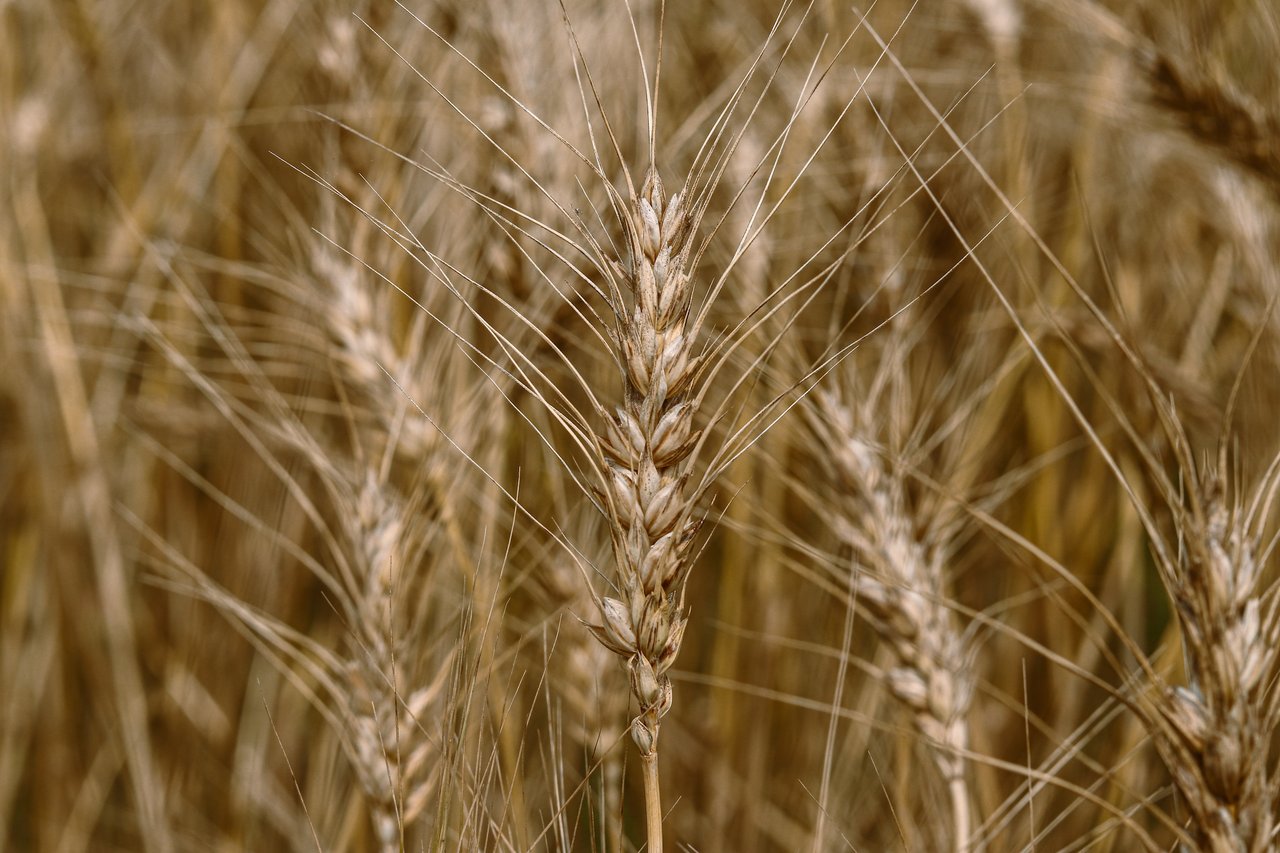
“ਸੱਚੀ ਕਮਾਈ ਦਾ ਸੁੱਖ ਵੱਖਰਾ, ਝੂਠੀ ਚਮਕ ਕਦੇ ਚੈਨ ਨਹੀਂ ਦਿੰਦੀ।” Honest earnings bring a different peace; false glitter never gives rest. Honest living is built in small, daily choices: a fair price, a true description, credit given where it is due, a promise kept even when breaking it would be easier. The peace it brings is practical, not abstract. There is no story to remember differently for different listeners, no fear of exposure, and no debt to a shortcut that will one day be called in.
False glitter, by contrast, demands constant maintenance: the display must be protected, the gap between appearance and reality must be hidden, and rest becomes difficult. The verse does not promise that honest people always become rich; its claim is narrower and truer, that honesty brings a kind of rest that display cannot buy. That is why it suits decisions about work, business, and reputation, where the quiet consequences last longest.
Staying grounded
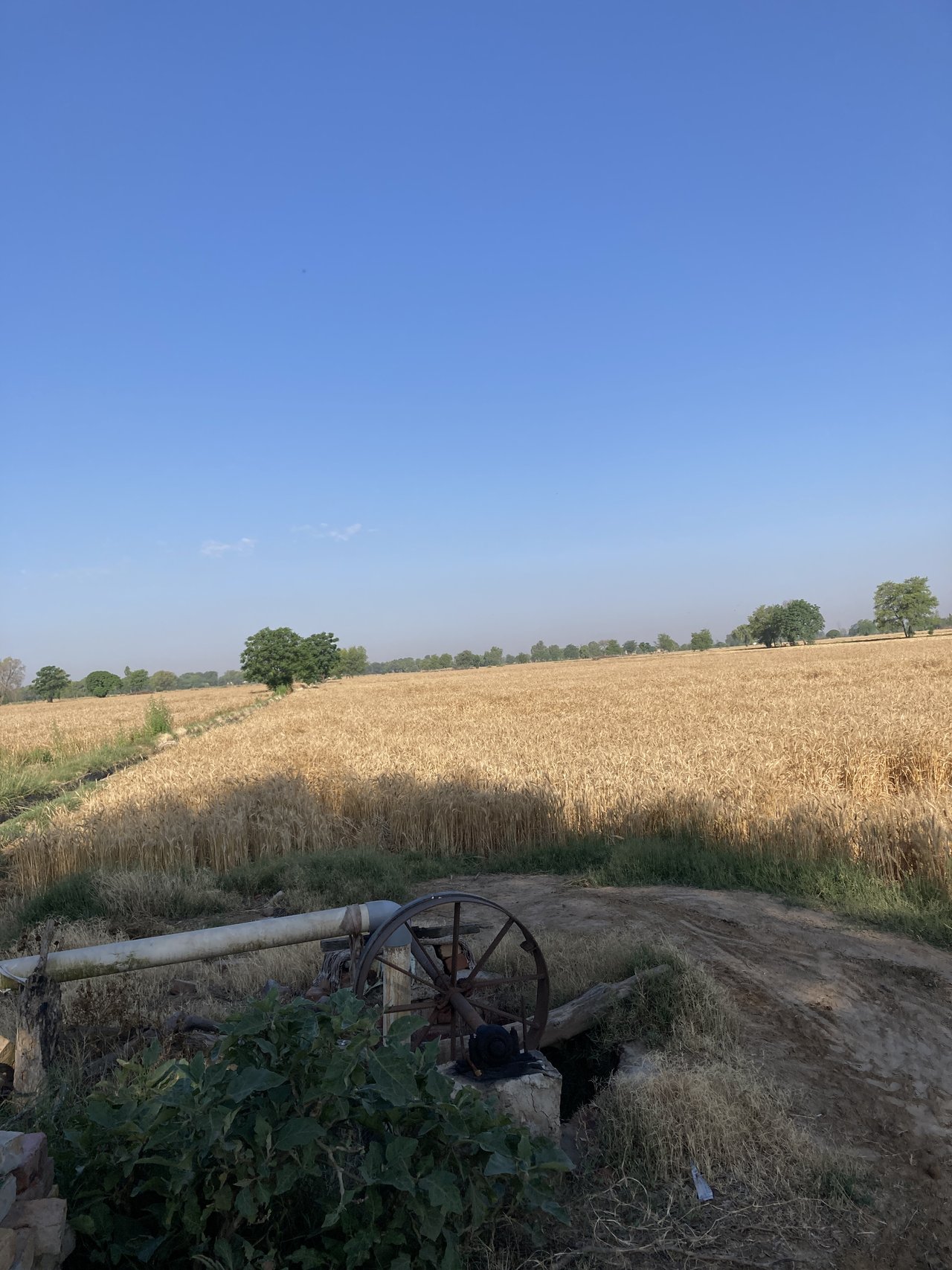
“ਸਫ਼ਲਤਾ ਮਿਲੇ ਤਾਂ ਪੈਰ ਧਰਤੀ ਤੇ ਰੱਖ, ਉੱਚਾ ਰੁੱਖ ਵੀ ਜੜ੍ਹਾਂ ਨਾਲ ਹੀ ਖੜ੍ਹਾ ਹੁੰਦਾ ਏ।” When success comes, keep your feet on the ground; even a tall tree stands only by its roots. Success changes circumstances, but it does not change what the success stands on. The roots in this line are the people and habits behind any achievement: family support, teachers, fellow workers, early struggles, and the daily routines that made the work possible. Staying grounded means remembering those roots in public: sharing credit, continuing to learn, keeping ordinary habits, and treating people the same after a promotion, award, or good season as before it.
Arrogance, by contrast, isolates a successful person precisely when support matters most, because it discourages honest feedback and help. This verse is best shared at a moment of celebration, not as a dampener on joy, but as a way of protecting the joy: a tall tree is admired for its height and held up by what cannot be seen.
Dreams need action
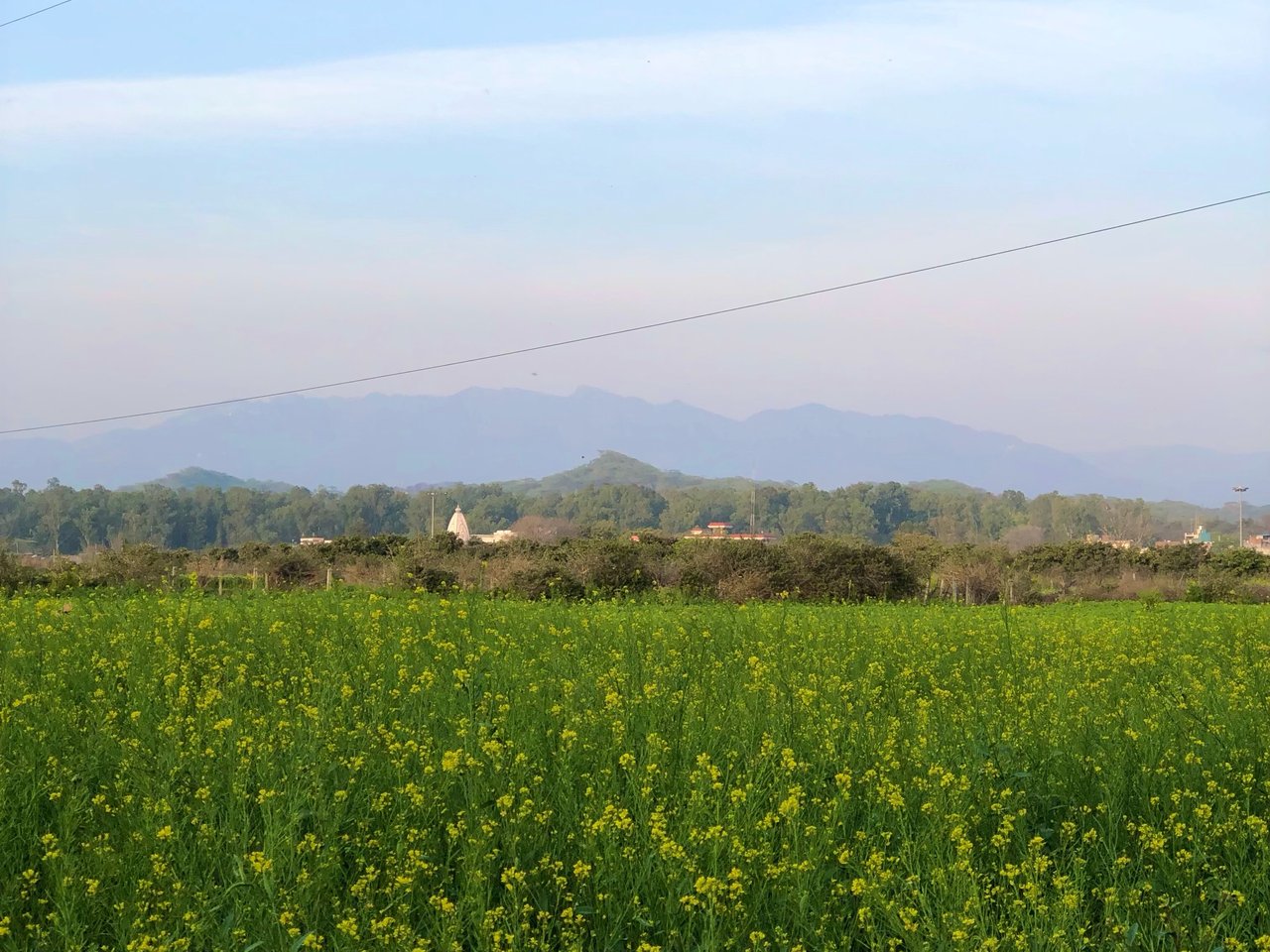
“ਸੁਪਨੇ ਵੇਖਣੇ ਸੌਖੇ, ਉਨ੍ਹਾਂ ਨੂੰ ਸੱਚ ਕਰਨ ਲਈ ਹੱਥ ਵੀ ਲਾਉਣੇ ਪੈਂਦੇ ਨੇ।” Dreaming is easy; making dreams true also takes putting your hands to work. A dream gives direction, but direction alone moves nothing. Work gives the dream its shape: learning the skill, saving the money, finding the time, accepting the first imperfect attempt. Without work, a dream remains a pleasant wish; without a dream, work can drift from one urgent task to another without ever adding up. The two need each other, and this line holds them together. It also allows revision.
A dream tested by real work often changes, becoming smaller, larger, or different in kind, and that change is not betrayal; it is what happens when imagination meets reality. Use this verse when a goal is clear but the effort has not yet begun, or when enthusiasm needs a practical next step. The next step, however small, is where the dream stops being only a dream.
How to choose
Start with the real decision: who will use this, where, how often, and what would make the choice unsafe or disappointing? The following checks keep the shortlist practical.
- Use the lines with their original meaning intact
- Credit VisitBest when reposting
- Choose a verse that fits the real situation
- Avoid using motivational words to dismiss genuine hardship
What to verify before you commit
Confirm the current specification, price or availability, terms, and seller or provider identity. For companies and services, request a written scope, named contact, references, and cancellation or warranty terms. For products, compare the unit price, compatibility, return window, and genuine support.
Editorial update
These verses were written for VisitBest's refreshed page and are not copied from songs or published poems.
Frequently asked questions
How should I use this guide?
Use the shortlist to define what matters to you, then verify current price, availability, rules, credentials, or catalogue details at the source before you decide.
Is this a fixed ranking?
No. The refreshed page is an editorial starting point organised by fit and evidence. The right choice depends on your use case, location, budget, and timing.
When will this page be updated?
VisitBest reviews time-sensitive details when reliable public information changes. Send corrections or newer source links to visitbest10@gmail.com.
Keep exploring

Punjabi Sad Shayari: Original Reflective Lines with Meaning
Original Punjabi lines about distance, memory, and healing, presented in Gurmukhi with simple English meanings.

Best Digital Photography Books: A Reading Path from Exposure to Visual Storytelling
An ordered reading path combining exposure and composition manuals, classic monographs, portrait and project books, and critical writing about how…

Top 6 Yoga Mats: Choose the Right Grip, Cushion and Material
Compare yoga mats by practice style, grip when dry or sweaty, thickness, density, size, material, odour, cleaning, and carrying weight.