
VisitBest guide
Best Fashion Designers: 15 Designers to Know — Global Icons and Indian Greats
From Coco Chanel, Christian Dior and Yves Saint Laurent to Ritu Kumar, Sabyasachi Mukherjee and Masaba Gupta — 15 fashion designers to know, each with a…
In this guide
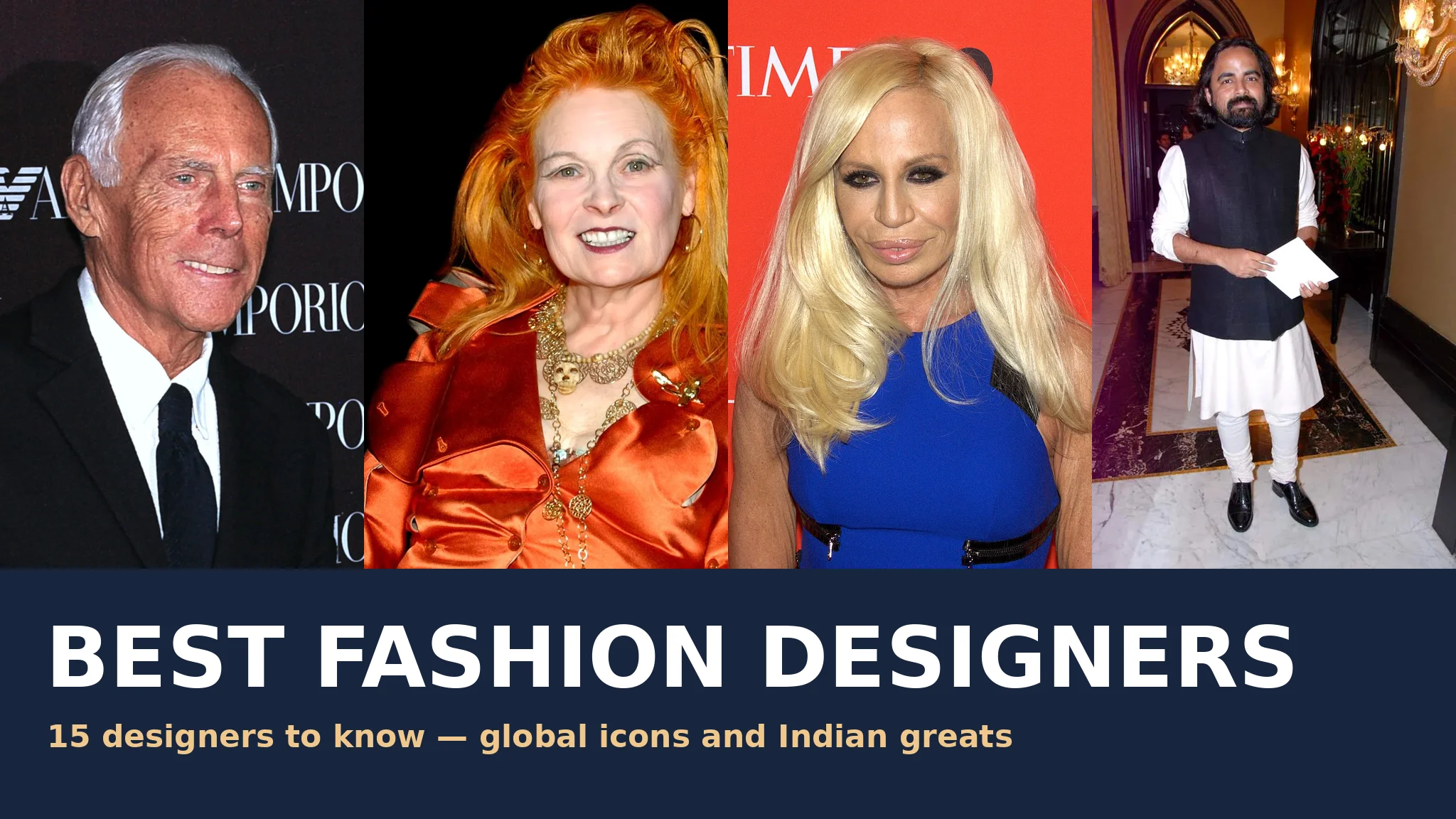
Fashion's biggest names divide into two kinds of greatness. Some designers invented the clothes the rest of the world still wears, from the little black dress to the unstructured jacket. Others built houses that outlived them, passing through new creative directors while keeping a recognisable code.
This guide profiles 15 designers to know in 2026: nine global figures whose work set the template for modern luxury, and six Indian designers who built an industry around craft, couture and the wedding wardrobe. Every entry reflects the position as of November 2026, a moment when several great houses are changing hands, changing designers, or both.
Quick Answer: The 15 Designers at a Glance
- Coco Chanel — freed women from corsets and gave fashion the little black dress, the tweed suit and Chanel No. 5.
- Christian Dior — founded his house in 1946 and reset post-war fashion with the 1947 New Look.
- Yves Saint Laurent — put women in tuxedos with Le Smoking and took couture to the high street with ready-to-wear.
- Giorgio Armani — softened the suit into modern tailoring and built an independent empire; he died in September 2025.
- Ralph Lauren — turned an idealised American lifestyle into a global label; first designer to receive the US Presidential Medal of Freedom.
- Karl Lagerfeld — ran Chanel for 36 years and Fendi for over five decades, the defining creative director of his era.
- Donatella Versace — led Versace for nearly 28 years after her brother Gianni's death, stepping down as creative chief in 2025.
- Alexander McQueen — fused Savile Row tailoring with dark, theatrical spectacle.
- Vivienne Westwood — dressed punk, then turned the runway into a platform for climate protest.
- Ritu Kumar — India's pioneering designer label, built on reviving handloom textiles and traditional embroidery.
- Rohit Bal — the showman of Indian couture, famed for lotus motifs and velvet grandeur; he died in November 2024.
- Tarun Tahiliani — created the 'India Modern' formula of draped, structured couture, now 30 years into his label.
- Sabyasachi Mukherjee — made heritage bridal maximalism a global business, marking 25 years of his label in 2025.
- Manish Malhotra — Bollywood's defining costume designer turned couturier, now a fixture on global red carpets.
- Masaba Gupta — the youngest name here, who turned bold statement prints into a fashion and beauty business.
The 15 Designers in Summary
| Designer | Label / House | Known For |
|---|---|---|
| Coco Chanel | Chanel (Paris) | Little black dress, tweed suit, Chanel No. 5 |
| Christian Dior | Dior (Paris) | The New Look of 1947 and the Bar jacket |
| Yves Saint Laurent | Saint Laurent (Paris) | Le Smoking tuxedo, ready-to-wear revolution |
| Giorgio Armani | Giorgio Armani (Milan) | Unstructured tailoring, independent luxury empire |
| Ralph Lauren | Ralph Lauren (New York) | American preppy lifestyle dressing |
| Karl Lagerfeld | Chanel and Fendi (Paris/Rome) | Reinventing heritage houses over five decades |
| Donatella Versace | Versace (Milan) | Sustaining Gianni's baroque glamour for 28 years |
| Alexander McQueen | Alexander McQueen (London) | Tailoring as theatre, dark romanticism |
| Vivienne Westwood | Vivienne Westwood (London) | Punk, tartan tailoring, climate activism |
| Ritu Kumar | Ritu Kumar (New Delhi) | Craft revival, handloom textiles, zardozi |
| Rohit Bal | Rohit Bal (New Delhi) | Lotus motifs, velvet, opulent couture shows |
| Tarun Tahiliani | Tarun Tahiliani (New Delhi) | 'India Modern' draped couture and bridalwear |
| Sabyasachi Mukherjee | Sabyasachi (Kolkata) | Heritage bridal maximalism, jewellery |
| Manish Malhotra | Manish Malhotra (Mumbai) | Bollywood glamour, sequinned couture, red carpets |
| Masaba Gupta | House of Masaba (Mumbai) | Bold signature prints, bridalwear, beauty |
The Global Icons
1. Coco Chanel
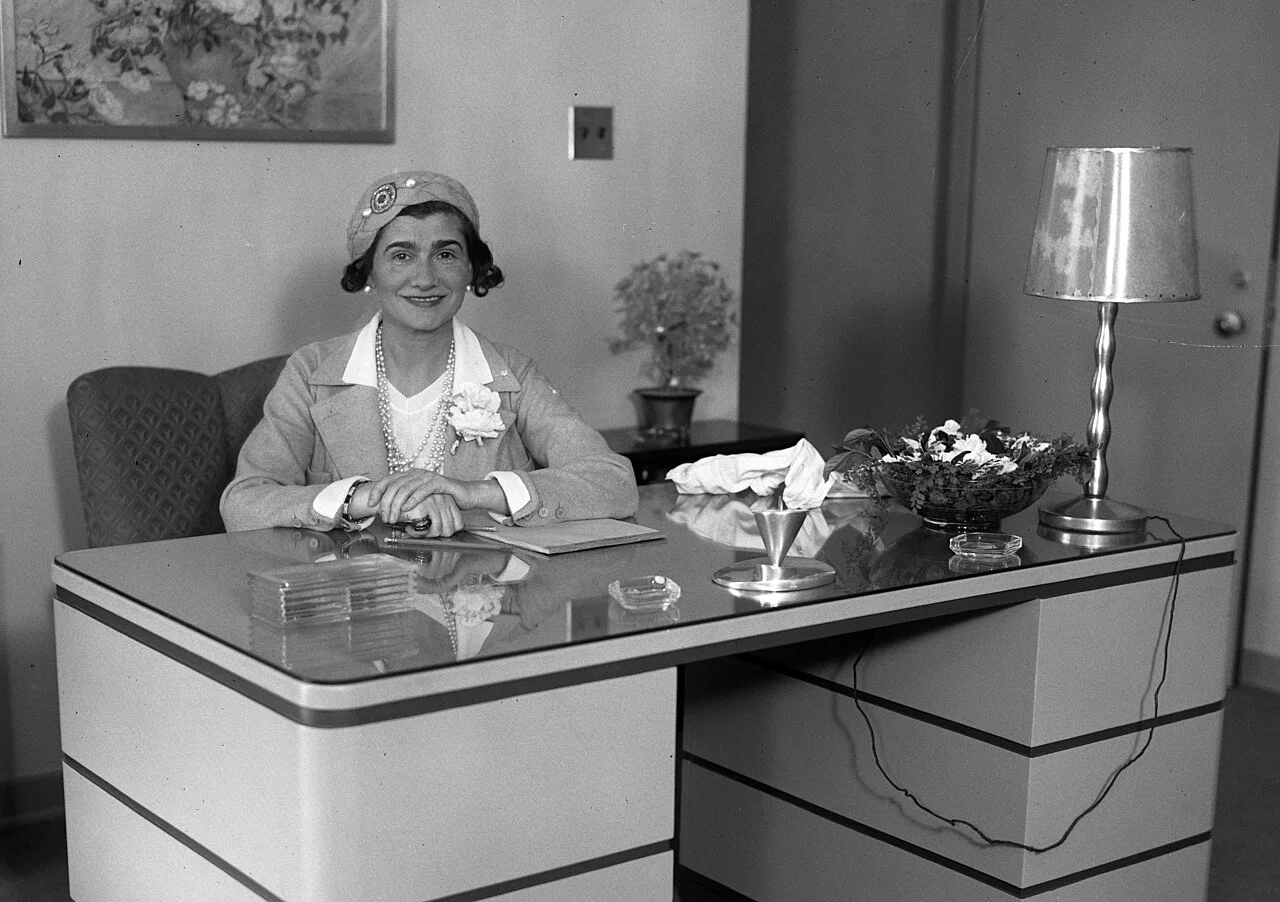
Gabrielle 'Coco' Chanel (1883–1971) began with a Paris millinery shop in 1910 and spent six decades dismantling the corseted silhouette. She worked in jersey when it was considered underwear fabric, cut suits from tweed, and treated comfort as a luxury. The house she founded remains privately owned and is still the benchmark for a brand built on one woman's codes.
Those codes now pass to a fourth artistic director. Matthieu Blazy, appointed in December 2024 after his success at Bottega Veneta, showed his first Chanel collection in Paris in October 2025 and his first haute couture collection in January 2026, reworking tweed, tailoring and the house's symbols to strong reviews.
- Label: Chanel, Paris — founded as a millinery shop in 1910
- Signature: the little black dress (1926), the collarless tweed suit, costume jewellery worn with couture
- Enduring product: Chanel No. 5, launched in 1921 and still a global bestseller
- Today: artistic director Matthieu Blazy, in post since 2025
2. Christian Dior
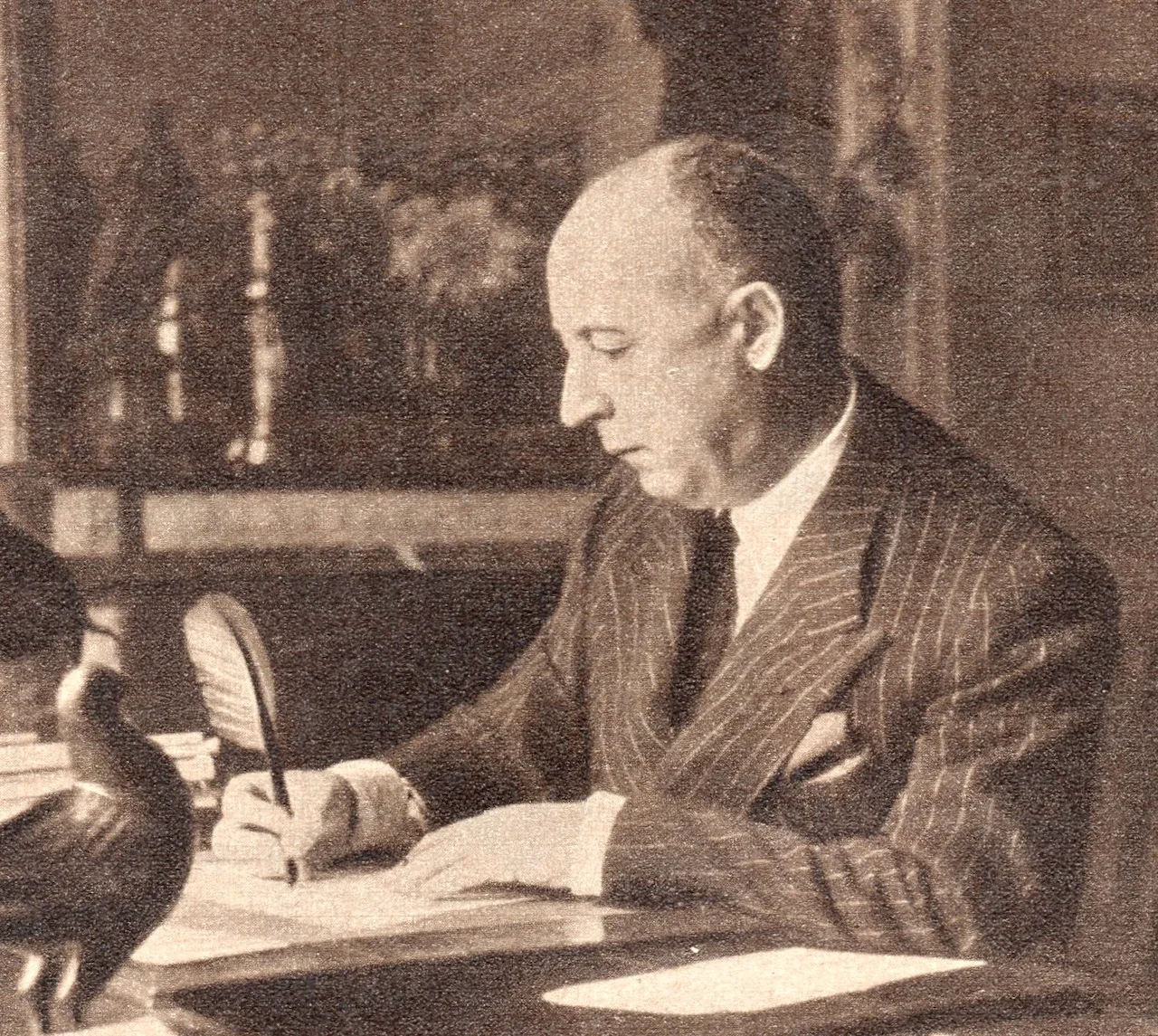
Christian Dior (1905–1957) opened his Paris house in 1946 and, in February 1947, presented the collection a fashion editor dubbed the 'New Look': nipped waists, padded hips and skirts using yards of fabric. After wartime austerity it was a sensation, and it restored Paris as fashion's capital. Dior died just a decade later, but the house became the template for the designer-led luxury group.
In June 2025 the house unified its creative direction for the first time since Dior himself. Jonathan Anderson, after eleven years transforming Loewe, now oversees womenswear, menswear and haute couture together. His menswear debuted in June 2025 and his womenswear that October, shrinking the famous Bar jacket and mixing it with cargo shorts and period dress.
- Label: Dior, Paris — founded 1946, owned by LVMH
- Signature: the Bar jacket and the hourglass New Look silhouette
- Turning point: the February 1947 collection that revived Paris couture
- Today: creative director Jonathan Anderson across women's, men's and couture since 2025
3. Yves Saint Laurent
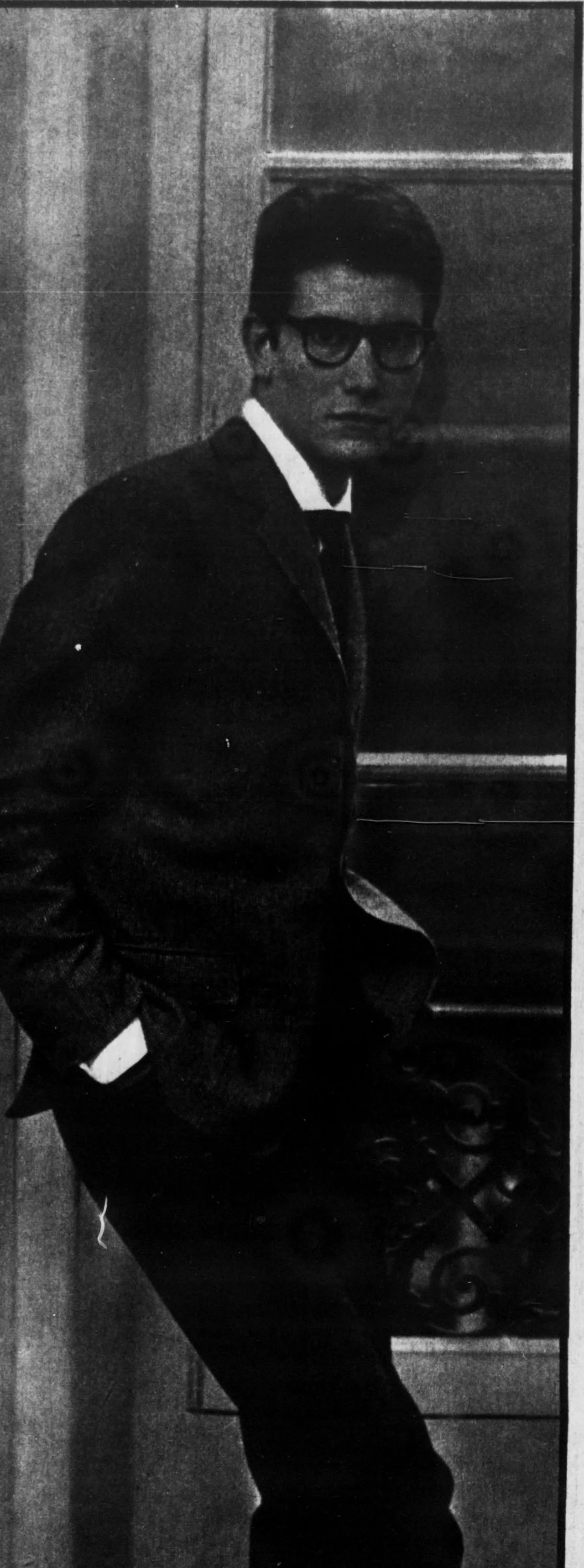
Yves Saint Laurent (1936–2008) was hired by Christian Dior as a teenager and succeeded him at just 21. In 1961 he founded his own house with Pierre Bergé. His genius was translation: art into prints, menswear into womenswear, and couture into ready-to-wear with his Rive Gauche line, which changed how designer clothes were sold.
The house he left behind has just closed a chapter. Anthony Vaccarello, creative director since 2016, presented a golden final collection in Paris in September 2026, and Kering confirmed his departure that October after a decade in which the brand's sales more than trebled at their peak. A successor had yet to be announced as this guide was updated.
- Label: Saint Laurent, Paris — founded 1961, owned by Kering
- Signature: Le Smoking tuxedo for women (1966), safari jackets, sheer blouses
- Turning point: Rive Gauche (1966), the first luxury ready-to-wear line by a couturier
- Today: between creative directors, following Anthony Vaccarello's exit in October 2026
4. Giorgio Armani
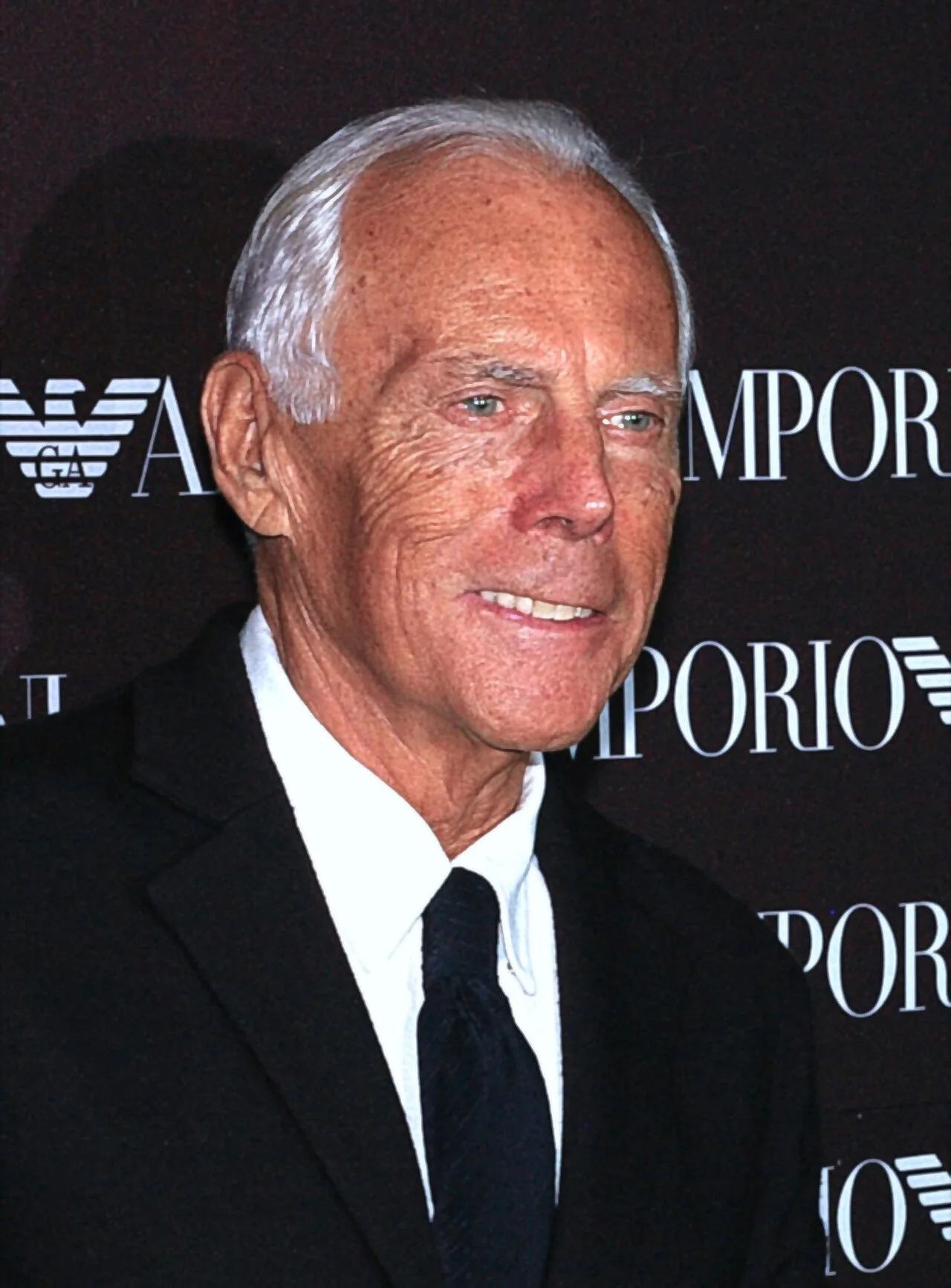
Giorgio Armani (1934–2025) co-founded his company in Milan in 1975 with Sergio Galeotti and built it into the great independent house of Italian fashion. His idea was subtraction: remove the padding and stiffness from tailoring and let the cloth move. The soft jacket became the uniform of a new professional class, on screen in American Gigolo and in boardrooms everywhere.
Armani died on 4 September 2025, aged 91, having planned his succession in unusual detail. His will directs his heirs to sell an initial 15 per cent stake, naming LVMH, L'Oréal and EssilorLuxottica as preferred partners, while the Giorgio Armani Foundation keeps at least 30 per cent. Long-serving executive Giuseppe Marsocci became chief executive in October 2025, and collections continue under the house's own studio, led on menswear by the founder's partner Leo Dell'Orco.
- Label: Giorgio Armani, Milan — founded 1975, still privately held
- Signature: deconstructed tailoring in muted 'greige' tones
- Turning point: dressing Richard Gere in American Gigolo (1980)
- Today: founder-led era ended in 2025; a staged stake sale is under way under his will
5. Ralph Lauren
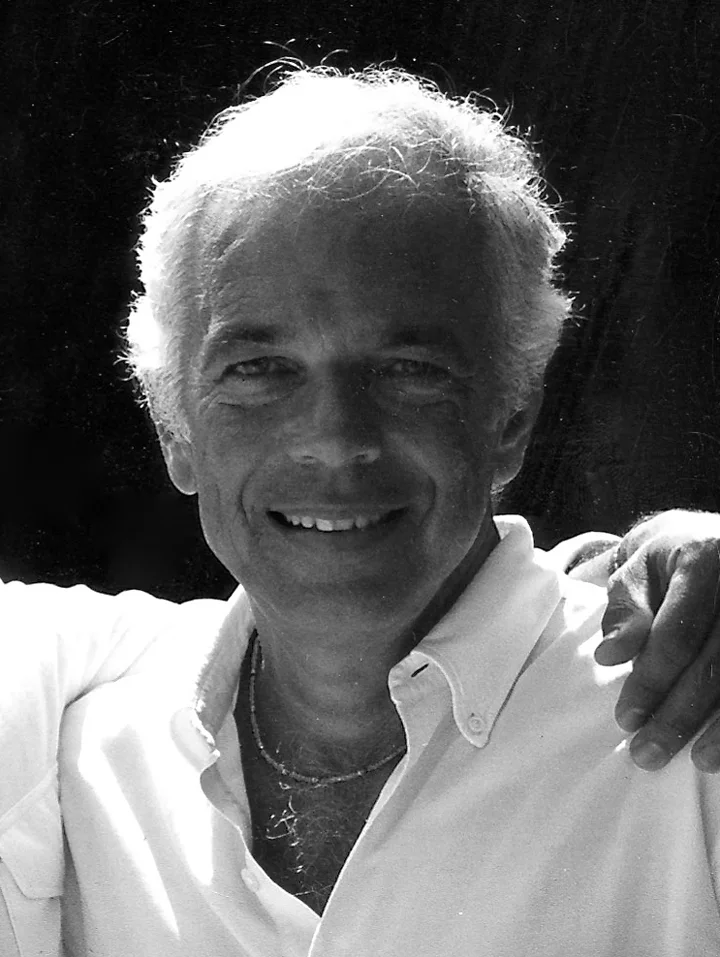
Ralph Lauren (born 1939) started in 1967 selling wide neckties, then built Polo Ralph Lauren into the complete wardrobe of an imagined America: Ivy League blazers, western shirts, polo shirts with the embroidered player. He sold a lifestyle before the industry had the word for it, extending the same world into homeware, restaurants and Olympic team uniforms.
In January 2025 he became the first fashion designer to receive the Presidential Medal of Freedom, the highest civilian honour in the United States, presented at the White House. He remains executive chairman and chief creative officer of the company that bears his name, nearly six decades after founding it.
- Label: Ralph Lauren, New York — founded 1967
- Signature: preppy tailoring, the polo shirt, Americana styling
- Honour: Presidential Medal of Freedom, January 2025 — a first for a fashion designer
- Today: still executive chairman and chief creative officer
6. Karl Lagerfeld
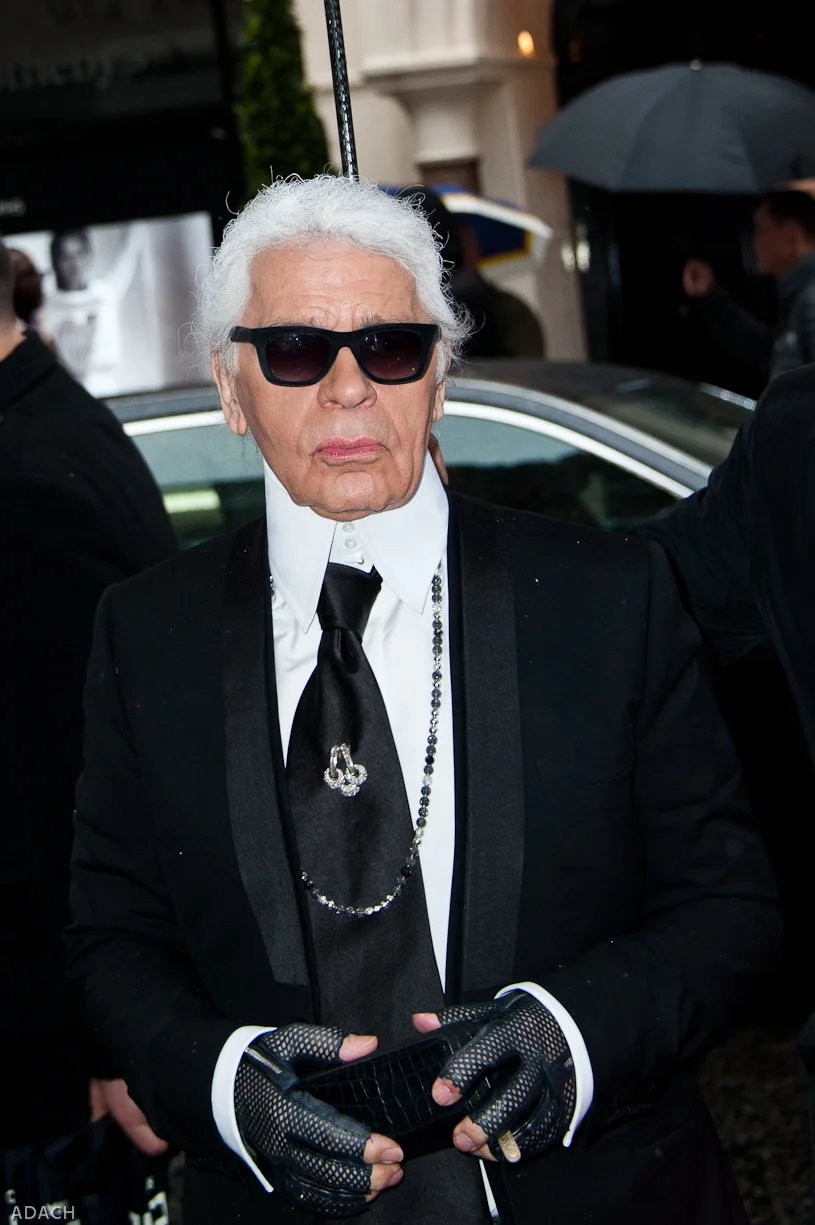
Karl Lagerfeld (1933–2019) was the industry's great interpreter. At Fendi from 1965 and at Chanel from 1983, he proved a creative director could revive a dormant house by remixing its founder's codes — in Chanel's case, the tweed, the camellia, the interlocked Cs and the little black jacket — season after season, without repeating himself. His own label, photography and book publishing ran in parallel.
Lagerfeld's workload became the profession's benchmark: multiple collections a year across several houses, staged as spectacles in the Grand Palais. The houses he defined have since moved on — Chanel under Matthieu Blazy is this list's clearest example — but the job description he wrote, custodian and provocateur at once, is the one his successors still follow.
- Labels: Chanel (1983–2019), Fendi (1965–2019), Karl Lagerfeld
- Base: Paris
- Signature: reinvention of heritage codes, spectacle runway shows
- Legacy: the modern creative-director model — one designer, several houses
7. Donatella Versace
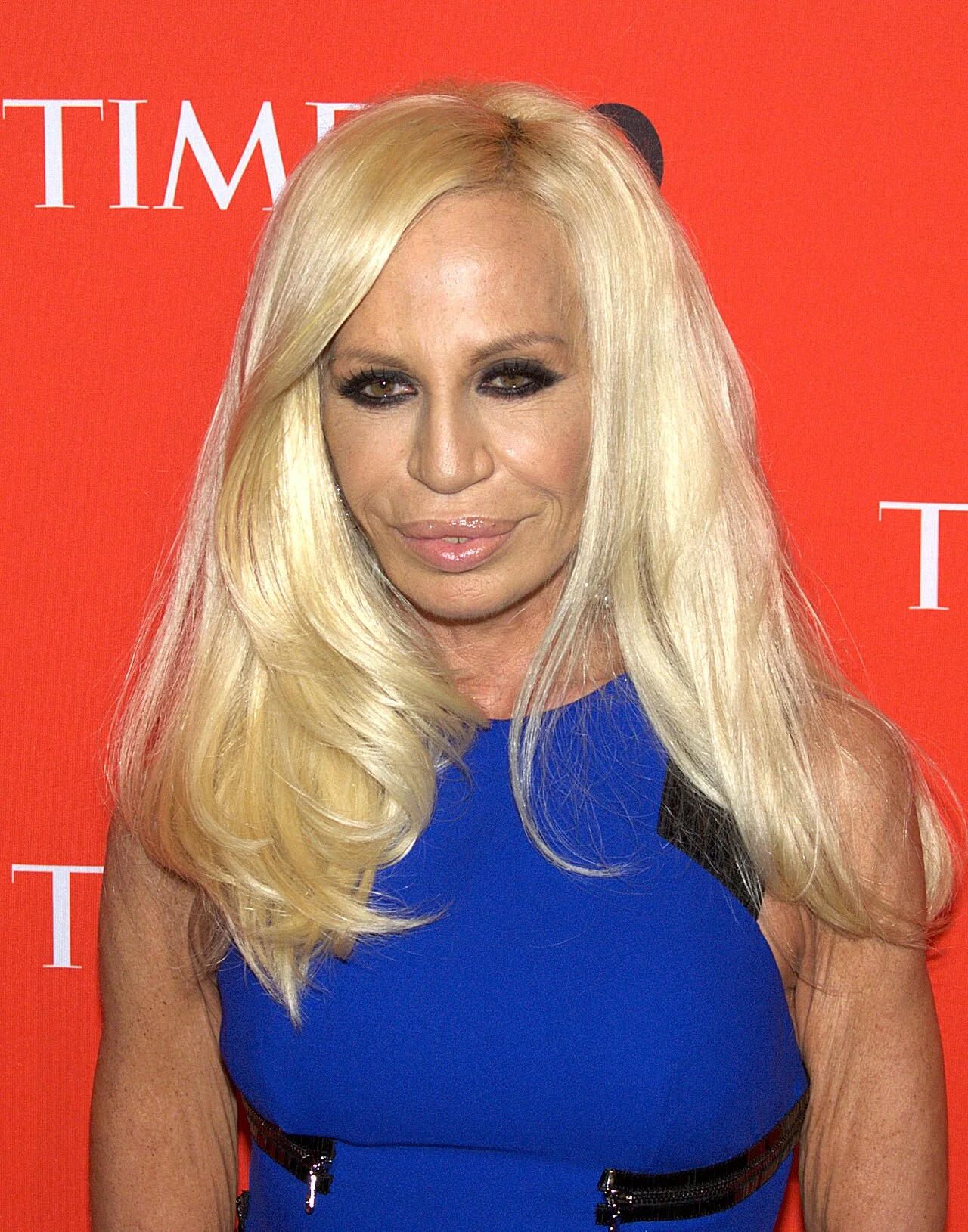
Donatella Versace (born 1955) was her brother Gianni's closest collaborator and muse. When he was murdered in 1997, she took over creative direction of Versace within months and held it for nearly 28 years, keeping the house's baroque prints, gold Medusa hardware and unapologetic glamour alive through fashion's minimalist decades — and dressing the celebrities who kept it famous.
Her tenure ended in March 2025, when she stepped down as chief creative officer to become chief brand ambassador. Versace itself changed owners the same year, with Prada Group completing its purchase from Capri Holdings in December 2025. After a single season under Dario Vitale, Pieter Mulier took over as chief creative officer in July 2026. Donatella, meanwhile, announced a joint venture with Revolve in September 2026 to build a new fashion and beauty label of her own.
- Label: Versace, Milan — creative director 1997–2025, now chief brand ambassador
- Signature: baroque prints, safety-pin and jungle dresses, Medusa gold
- Turning point: holding the house together after Gianni Versace's death in 1997
- Today: Versace is owned by Prada Group; Donatella is building a new label with Revolve
8. Alexander McQueen
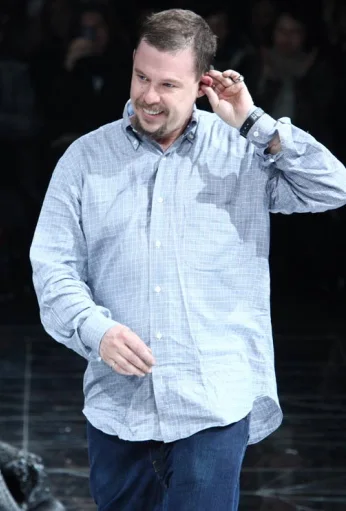
Lee Alexander McQueen (1969–2010) learned his craft as a Savile Row apprentice, and the cutting never left his work. His London shows of the 1990s — the bumster trouser, the Highland Rape and Voss collections — were part tailoring masterclass, part theatre of cruelty and beauty. He ran Givenchy in Paris from 1996 to 2001, then built his own house within the Gucci Group, now Kering.
McQueen's deputy Sarah Burton carried the house for thirteen years after his death in 2010. Seán McGirr, appointed in December 2023, brought a rawer, youth-driven energy across five seasons; Kering announced his departure in October 2026, and the house is again in transition. The founder's combination of precision and provocation remains the standard every successor is measured against.
- Label: Alexander McQueen, London — founded 1992, owned by Kering
- Signature: razor-sharp tailoring, skull motifs, dark romantic spectacle
- Turning point: the Voss show (2000) and Plato's Atlantis (2010), his final collection
- Today: between creative directors after Seán McGirr's exit in October 2026
9. Vivienne Westwood
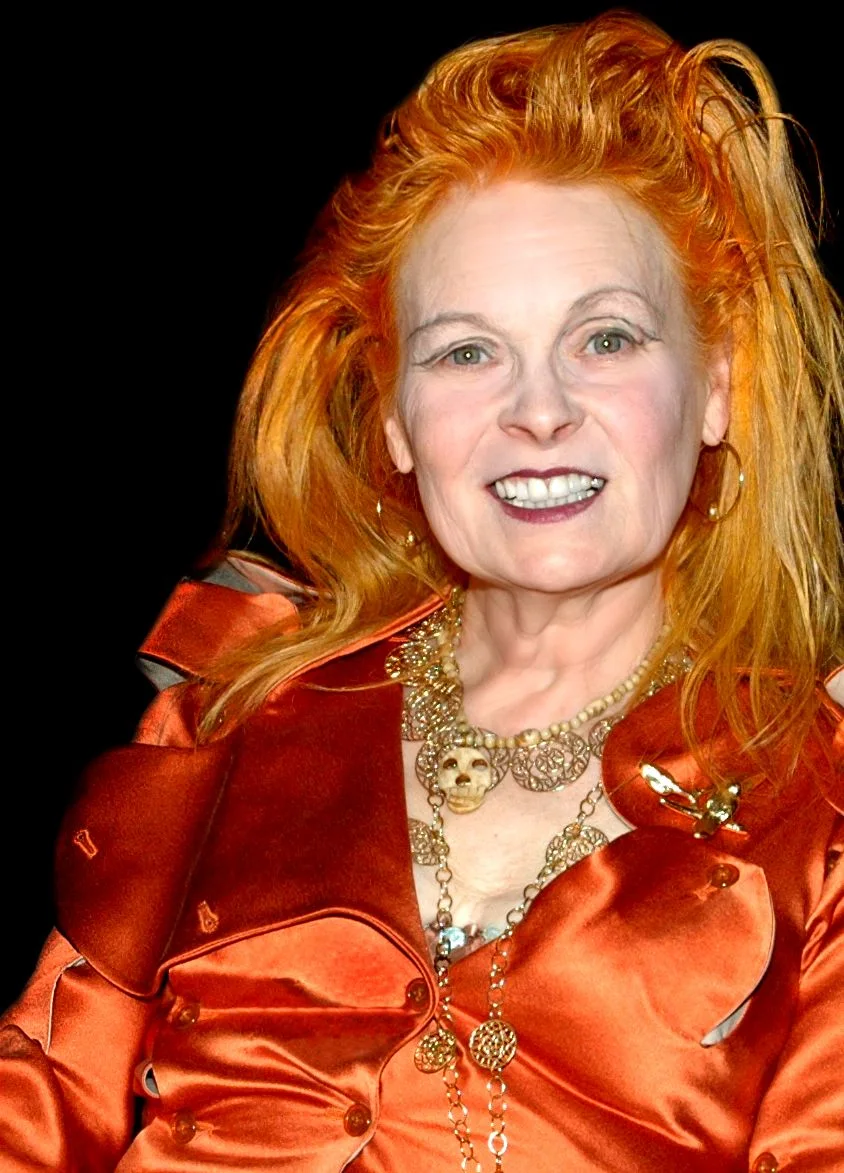
Vivienne Westwood (1941–2022) started selling clothes from a King's Road shop in 1971 with Malcolm McLaren, and dressed the punk movement as it happened: torn T-shirts, bondage straps, safety pins as jewellery. Her first runway collection, Pirates, followed in 1981. She spent the next four decades raiding British history — tartan, tweed, the corset, the crinoline — and bending it out of shape.
Westwood died in December 2022, and the house continues under her husband Andreas Kronthaler, its creative director. His collections keep her codes of corsetry and chaotic tailoring, and the brand took her message to India in April 2025 with a Mumbai show at the Gateway of India built partly on handwoven khadi and chanderi silks.
- Label: Vivienne Westwood, London — shop opened 1971, first collection 1981
- Signature: punk styling, tartan and Harris Tweed, the revived corset
- Second act: climate and anti-consumption activism on the runway
- Today: creative director Andreas Kronthaler, her widower and long-time collaborator
The Indian Greats
10. Ritu Kumar
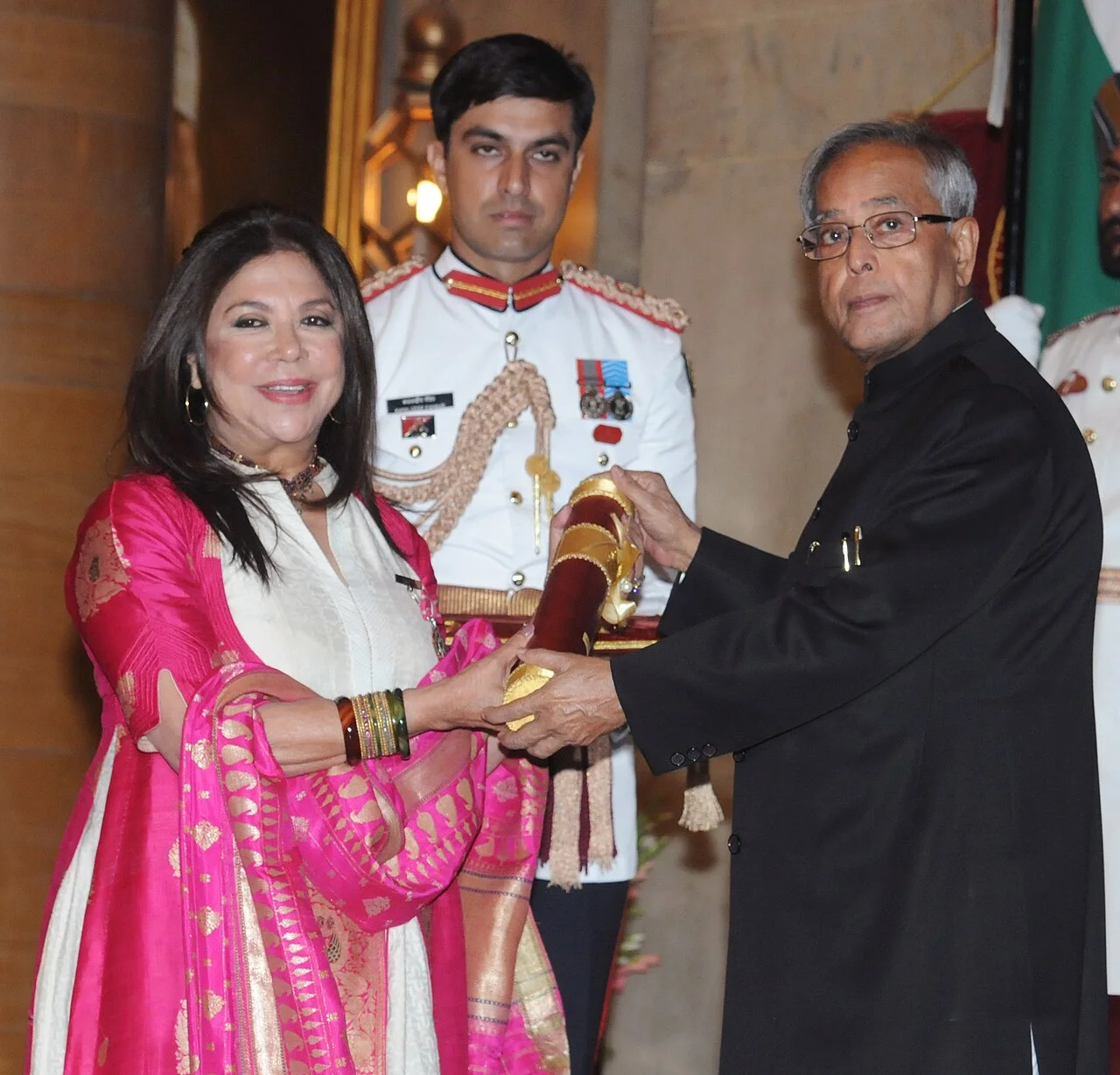
Ritu Kumar (born 1944) is the founder figure of Indian designer fashion. Starting in 1969 with hand-block printers in Kolkata, she built India's first major designer label on a simple argument: the country's handloom textiles and embroideries — zardozi, chikankari, kalamkari — deserved couture status. When few took craft seriously as fashion, she documented and revived dying techniques village by village.
The label is now helmed by her son Amrish Kumar, with the founder still its guiding presence. At Hyundai India Couture Week in July 2025 she presented Threads of Time: Reimagined, a five-decade retrospective of her prints and bridal craft reworked in sheer layers, corsetry and crystal — a reminder that the revival she started is now the mainstream of Indian occasionwear.
- Label: Ritu Kumar, New Delhi — began 1969; now led by Amrish Kumar
- Signature: hand-block prints, zardozi and handloom textiles
- Honour: Padma Shri, 2013, for her contribution to fashion and textiles
- Today: showing couture at India Couture Week 2025, five decades on
11. Rohit Bal
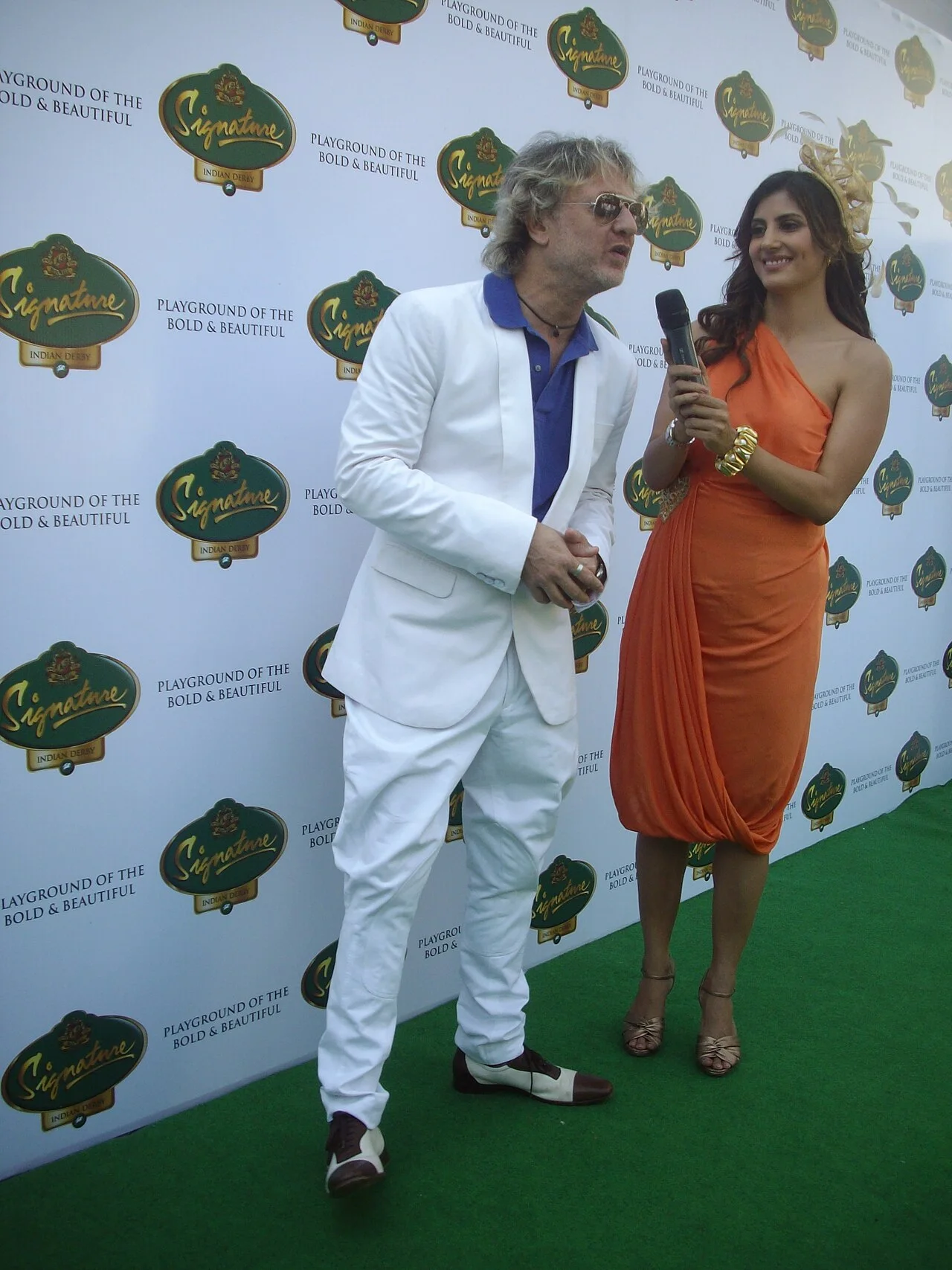
Rohit Bal (1961–2024), born in Srinagar and trained at St Stephen's College and NIFT Delhi, launched his label in 1986 and became Indian couture's great showman. His clothes were maximal and meticulous at once: lotus and peacock motifs, cascades of embroidery, velvet bandhgalas and ivory anarkalis, presented in shows staged like theatre. He was a founding member of the Fashion Design Council of India.
Bal's ending was as public as his career. Weeks after a serious cardiac illness, he returned to present his final collection, Kaaynaat: A Bloom in the Universe, as the Lakmé Fashion Week x FDCI finale in October 2024, dancing on the ramp at his bow. He died on 1 November 2024, aged 63. His label continues under designer Fraze Tasnim, keeping the house's motifs in production.
- Label: Rohit Bal, New Delhi — launched 1986
- Signature: lotus motifs, velvet, ivory and gold couture
- Final show: Kaaynaat, Lakmé Fashion Week finale, October 2024
- Today: the house continues under Fraze Tasnim after Bal's death in November 2024
12. Tarun Tahiliani
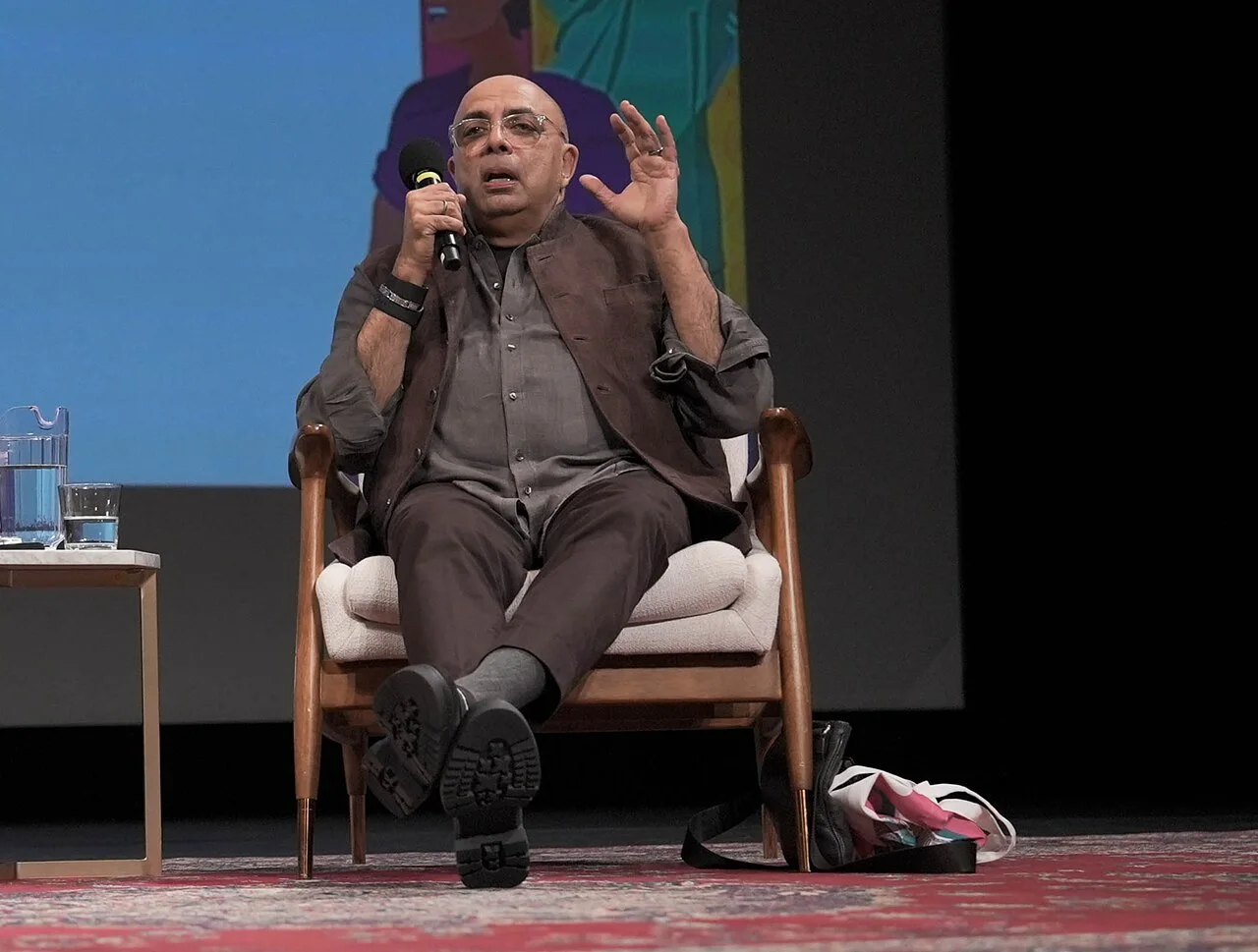
Tarun Tahiliani (born 1961) founded his label in 1995 and gave Indian couture its most durable formula: 'India Modern'. His insight was construction. By building Western tailoring and corsetry inside Indian garments — the structured drape, the weightless lehenga, the concept sari — he made festive clothes that moved like ready-to-wear and photographed like couture.
The label turned 30 in 2025, marked by the Quintessence couture collection at India Couture Week and an anniversary show in Hyderabad. Tahiliani is now scaling as well as designing: Tasva, his menswear label with Aditya Birla Fashion and Retail, has grown to dozens of stores, his prêt label OTT is expanding, a high jewellery line, TT Tijori, has launched, and a first Dubai store is planned.
- Label: Tarun Tahiliani, New Delhi — founded 1995
- Signature: 'India Modern' — draped, structured, feather-light couture
- Business: Tasva menswear and OTT prêt, backed by Aditya Birla Fashion and Retail
- Today: 30 years in, expanding retail in India and planning Dubai
13. Sabyasachi Mukherjee
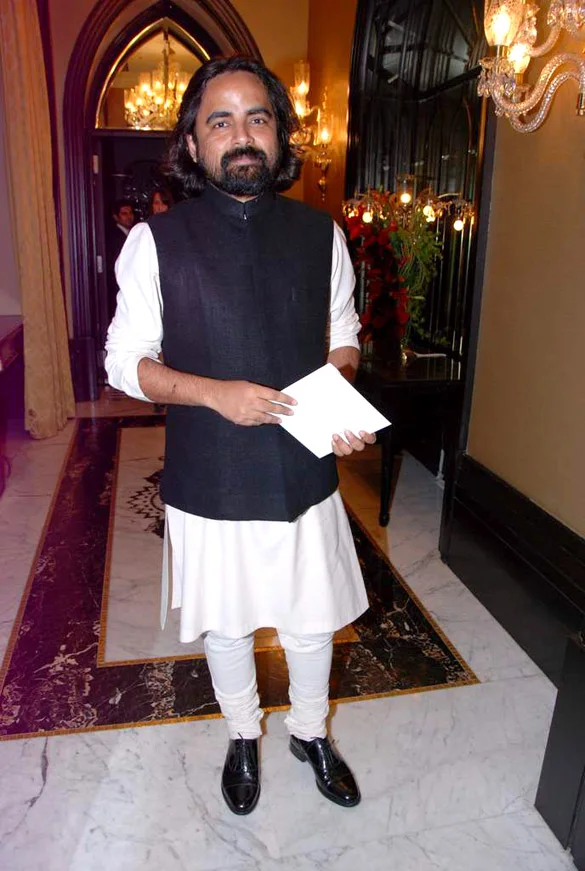
Sabyasachi Mukherjee (born 1974) launched his label from Kolkata in 1999 with a conviction the market initially resisted: that Indian brides would pay couture prices for heritage — for Banarasi weaves, antique embroidery techniques and jewellery with old-world weight. He was right. The 'Sabyasachi bride' became a category of her own, and his red bridal lehengas a default reference for celebrity weddings.
In January 2025 he marked 25 years of the label with one of Indian fashion's largest shows, at Mumbai's Jio World Centre: more than 150 looks on a set recreating old Kolkata, opened by Deepika Padukone and closed by Christy Turlington. With Aditya Birla Fashion and Retail holding a majority stake since 2021, his stated focus now is global expansion, led by jewellery and accessories.
- Label: Sabyasachi, Kolkata — founded 1999
- Signature: heritage bridal maximalism, antique textiles, statement jewellery
- Milestone: 25th anniversary show, Mumbai, January 2025 — over 150 looks
- Today: expanding internationally, with jewellery and accessories the growth lines
14. Manish Malhotra
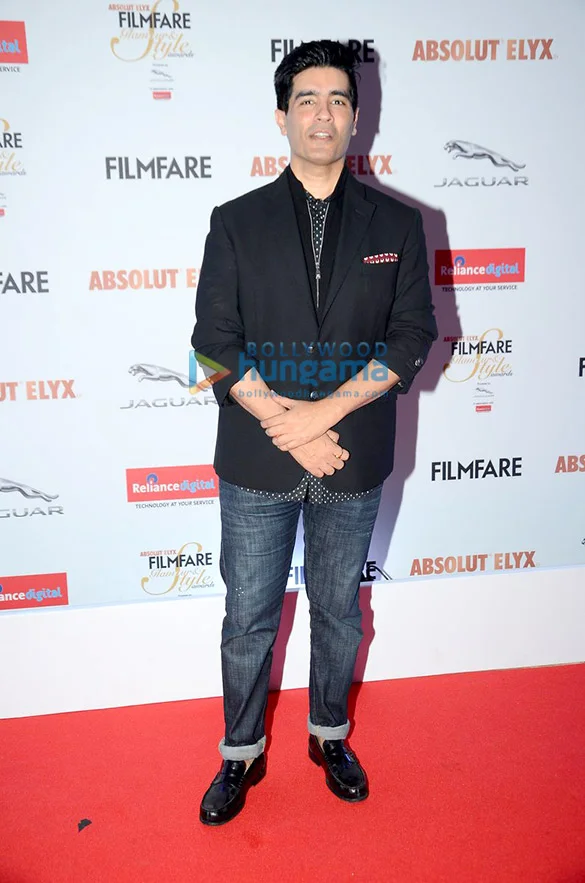
Manish Malhotra (born 1966) shaped how India imagines glamour, first through cinema. From 1990 he designed costumes for hundreds of Hindi films, setting the look of Bollywood's biggest stars, then launched his label in 2005. His couture — sequins, feathers, sculpted drapes — translates screen glamour into wedding and red-carpet dressing, and Reliance Brands took a 40 per cent stake in 2021.
His 2025 was a global lap of honour, marking 35 years in costume design and 20 years of the label. He was the first Indian designer invited to the Golden Globes, made his Met Gala debut in May 2025 both as attendee and as designer for Coco Jones and Natasha Poonawalla, and closed Dubai Fashion Week with his World Collection. He returned to the Met Gala in 2026.
- Label: Manish Malhotra, Mumbai — label launched 2005, costume design since 1990
- Signature: sequinned couture, Bollywood glamour, high jewellery
- Milestone: Met Gala debut in 2025, as designer and attendee
- Today: a fixture at Dubai Fashion Week and on global red carpets
15. Masaba Gupta
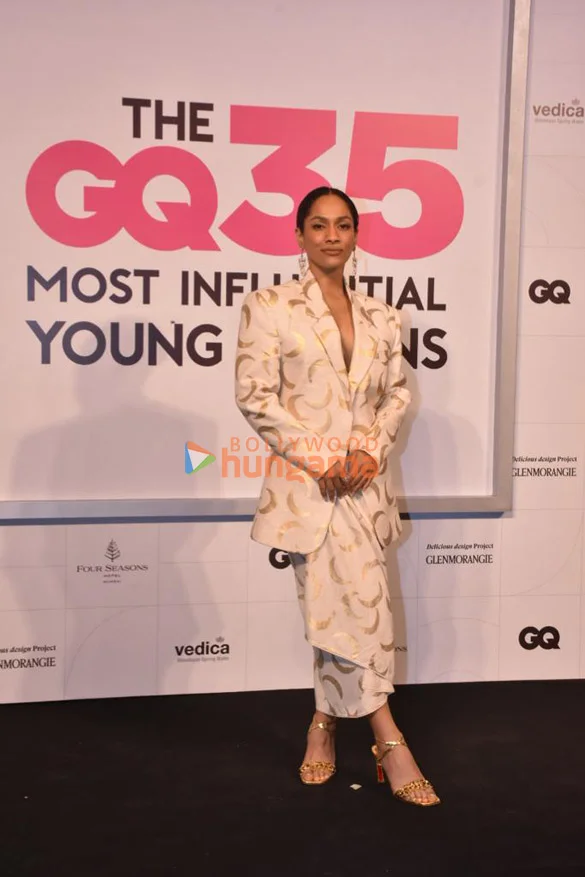
Masaba Gupta (born 1989), daughter of actor Neena Gupta and cricketer Vivian Richards, launched House of Masaba in 2009 at nineteen. Where Indian occasionwear was heavy and formal, she offered print and wit: palm trees, cows, cameras and lipsticks blown up across kurtas, saris and dresses in hot pink and black. The motifs became logos in all but name, recognisable across a room.
She has since built beyond the label. LoveChild by Masaba, her beauty brand, launched in 2022 and now collaborates well outside cosmetics — its Trousseau luggage collection with American Tourister arrived in November 2025. In 2026 she presented Chardi Kala, House of Masaba's first full bridal collection, extending her print language into the wedding market her peers dominate.
- Label: House of Masaba, Mumbai — founded 2009
- Signature: oversized statement prints, hot pink, playful saris
- Beyond fashion: LoveChild by Masaba beauty brand, launched 2022
- Today: first bridal collection, Chardi Kala, presented in 2026
Indian Fashion on the Global Stage
The two halves of this list increasingly share a wardrobe. Global houses come to India for craft and customers; Indian designers take Indian clothing to the world's red carpets. The traffic now runs in both directions, and it is changing what both sides make.
- Craft as currency: Vivienne Westwood showed in Mumbai in 2025 using khadi and chanderi; Dior and Chanel rely on Indian embroidery ateliers for couture embellishment.
- Indian designers, global stages: Manish Malhotra dressed guests at the Met Gala in 2025 and 2026; Sabyasachi's jewellery is worn on international red carpets.
- Corporate scale: Reliance Brands and Aditya Birla Fashion and Retail now back several Indian labels, funding the store networks couture alone never could.
- The wedding economy: bridal couture remains Indian fashion's engine, but prêt labels such as OTT and Tasva show the same houses chasing everyday wardrobes.
- Succession everywhere: 2025–26 brought new creative directors or transitions at Chanel, Dior, Versace, Saint Laurent and McQueen — and at the Armani and Rohit Bal houses, the harder test of continuing without a founder.
Frequently Asked Questions
Who is considered the greatest fashion designer of all time?
There is no single answer, but Coco Chanel and Christian Dior are the most common choices. Chanel changed how women dressed every day; Dior rebuilt an industry with one collection in 1947. Yves Saint Laurent, who worked for Dior before founding his own house, usually completes the top three.
Which designers on this list are still working today?
Ralph Lauren still leads his company, and Donatella Versace remains Versace's chief brand ambassador while building a new label. In India, Ritu Kumar, Tarun Tahiliani, Sabyasachi Mukherjee, Manish Malhotra and Masaba Gupta all actively run their labels. The founders of Chanel, Dior, Saint Laurent, Armani, Lagerfeld, McQueen, Westwood and Rohit Bal have all died, and their houses continue under new leadership.
Who designs Chanel and Dior now?
Matthieu Blazy has been Chanel's artistic director since 2025, only the fourth person to hold the role. At Dior, Jonathan Anderson took over women's, men's and haute couture collections in 2025, the first single creative director across the whole house since Christian Dior himself.
Who is India's most famous fashion designer?
By global reach, Sabyasachi Mukherjee and Manish Malhotra lead: Sabyasachi through bridal couture and jewellery, Malhotra through Bollywood and, since 2025, the Met Gala and Dubai Fashion Week. Ritu Kumar holds the distinction of having started it all, founding India's first major designer label in 1969.
What happened to the house of Armani after Giorgio Armani's death?
Armani died in September 2025, leaving a detailed will. It directs his heirs to sell a first 15 per cent stake to a major luxury partner, with LVMH, L'Oréal and EssilorLuxottica named as preferred buyers, while his foundation retains at least 30 per cent. The group is run by chief executive Giuseppe Marsocci, and collections continue from the house studio.
Why are so many fashion houses changing designers at once?
A luxury slowdown after 2023 pushed owners to refresh their biggest brands. Between 2025 and 2026, Chanel, Dior, Versace, Saint Laurent and Alexander McQueen all changed creative leadership, alongside the succession at Armani. Houses now treat the creative director as a renewable appointment rather than a job for life — the opposite of the founder era most of this list represents.
Keep exploring
Top 50 Most Popular Native American Actresses
For generations, Native American actresses have enriched our screens with powerful performances, despite an industry that has often offered limited…
Most Influential Women in the World: 15 Women Who Changed History
From Marie Curie, the only person to win Nobel Prizes in two different sciences, to Malala Yousafzai, the youngest Nobel laureate in history — 15…
Sidhu Moose Wala Murder Case: What Happened, What Police Allege, and Where the Case Stands
Punjabi singer Sidhu Moose Wala was shot dead near Jawaharke village in Punjab’s Mansa district on 29 May 2022, a day after his security cover was…