
VisitBest guide
Best Places for Chocolate Lovers: Cities, Regions and Traditions
Plan a chocolate-focused trip around historic makers, cacao-growing regions, museums, pastry culture, and responsible farm visits, from the Brussels arcade…
In this guide
At a glance
The best destination depends on whether you want fine pralines, bean-to-bar craft, cacao farms, pastry, or industrial history. Every place below earned its spot through a documented chocolate connection, an invention, a factory, a museum or a harvest, not just a pleasant café scene. Opening dates and tours should be checked directly before travel.
- Brussels, Belgium — Birthplace of the praline and the ballotin box
- Bruges, Belgium — Medieval canals, a chocolate museum and inventive makers
- Zurich and Kilchberg, Switzerland — Historic confiseries and the Lindt Home of Chocolate
- Broc, Switzerland — The Cailler factory in the Gruyère foothills
Shortlist and comparison
| Place | Why go | Planning note |
|---|---|---|
| Brussels, Belgium | Birthplace of the praline and the ballotin box | Start at the Galeries Royales, then cross to the Sablon for independent makers |
| Bruges, Belgium | Medieval canals, a chocolate museum and inventive makers | Book the museum early in the day, then taste along Steenstraat and Mariastraat |
| Zurich and Kilchberg, Switzerland | Historic confiseries and the Lindt Home of Chocolate | Take the train or lake boat to Kilchberg, then return to Zurich's old town shops |
| Broc, Switzerland | The Cailler factory in the Gruyère foothills | Pair the factory tour with Gruyères village and its cheese dairies |
| Turin, Italy | Home of gianduja and the historic café | Order a bicerin in a historic café and ask for gianduiotti by weight |
| Paris, France | Salon du Chocolat and a city of master chocolatiers | Time a trip for the Salon du Chocolat in late October if you can |
| Cologne, Germany | The Chocolate Museum on the Rhine | Go on a weekday morning to see the mini production line running quietly |
| Bournville, Birmingham, United Kingdom | Cadbury's garden village and factory | Walk the village as well as the factory attraction; the planning is the story |
| Hershey, Pennsylvania, United States | The town built on milk chocolate | Stay after dark to see the Kiss-shaped street lights on Chocolate Avenue |
| Oaxaca, Mexico | Chocolate ground on the metate, as it has been for centuries | Try chocolate atole at a market stall before buying discs to take home |
| Ecuador | Fine-aroma Nacional cacao and a growing bean-to-bar scene | Choose farm visits run with growers' associations and ask how farmers are paid |
| Ghana | One of the world's great cacao origins | Base in Accra and take organised trips to Tafo and Mampong-Akuapem |
| Villajoyosa, Spain | Valor chocolate in a town of painted houses | Combine the museum with churros in the old town, Spanish style |
| San Carlos de Bariloche, Argentina | Argentina's chocolate capital in the Patagonian lakes | Visit at Easter for the chocolate festival and the giant egg |
| St. Lucia | Estate cacao beneath the Pitons | Book the tree-to-bean tour in the morning, before the heat builds |
The brands in detail
Brussels, Belgium
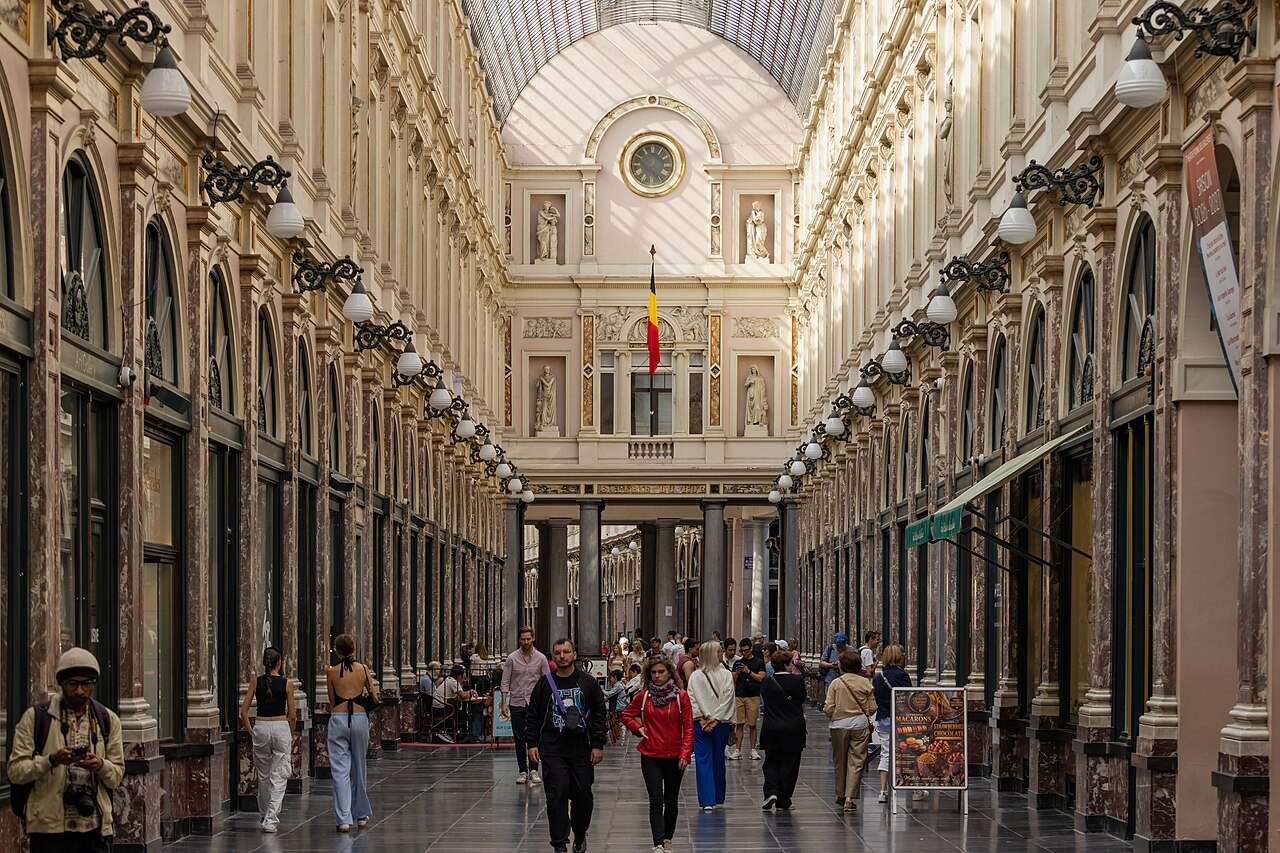
Brussels is where the modern filled chocolate was invented. In 1912, in his family's shop in the Galeries Royales Saint-Hubert, Jean Neuhaus II replaced the medicinal fillings his grandfather had coated in chocolate with a sweet ganache inside a crisp shell, creating the first praline. Three years later his wife, Louise Agostini, designed the ballotin, the ribbon-tied box that stopped pralines being crushed in paper cornets. The glass-roofed arcade, opened in 1847, still holds the original Neuhaus shop alongside houses such as Mary, founded in 1919, while the Sablon square a short walk away concentrates many of the city's independent chocolatiers.
Brussels rewards slow tasting: buy two or three pralines from several makers rather than a large box from one, and compare ganache textures side by side.
Bruges, Belgium
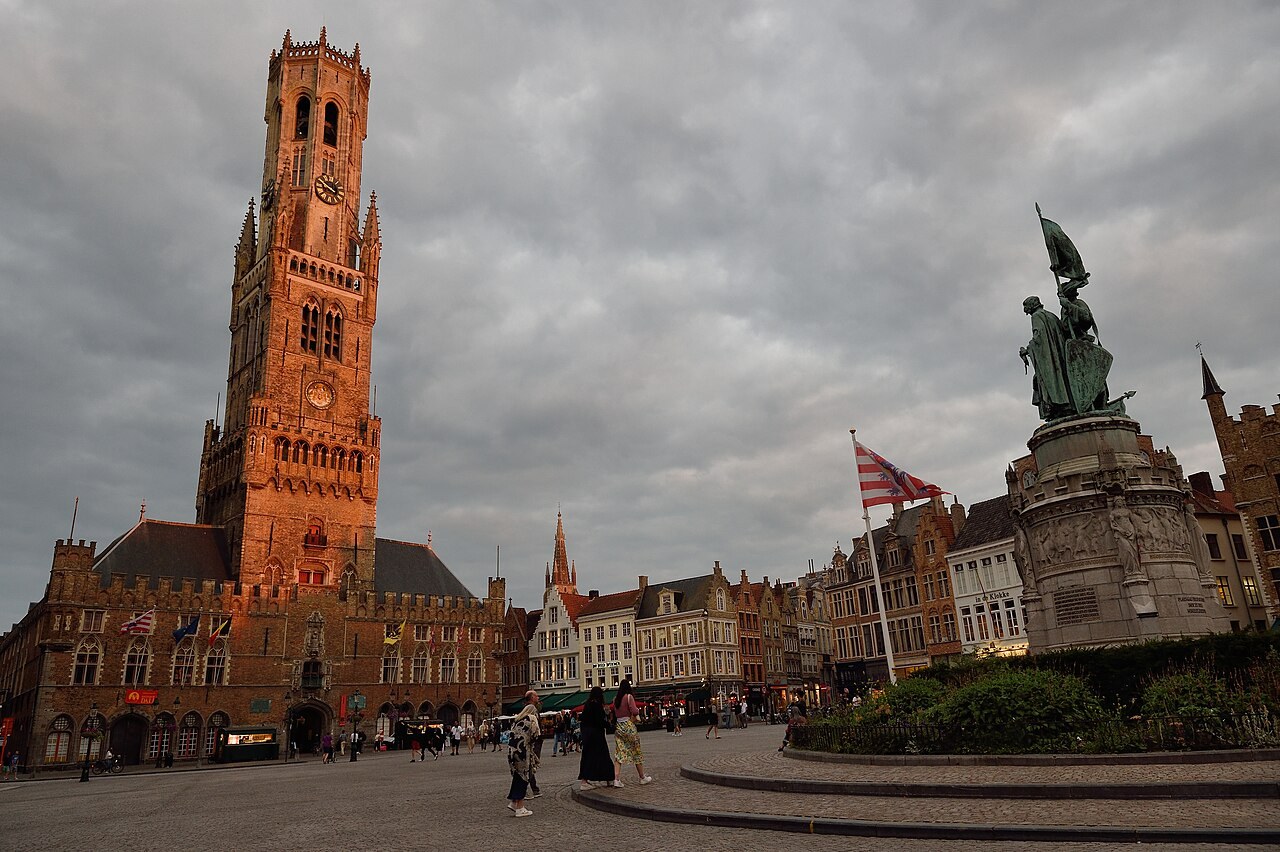
Bruges pairs a preserved medieval centre with a serious chocolate trade. The Choco-Story museum, housed in a historic merchant's building, walks through 4,000 years of cacao history from Mesoamerican drinking vessels to Belgian pralines, with tastings at the end. At The Chocolate Line, Dominique Persoone has become known for experimental fillings that range from wasabi to olive oil, served from a grand former apothecary on Simon Stevinplein. Smaller family makers such as Dumon, founded by chocolatier Stephan Dumon, keep the traditional praline and truffle style alive a few streets from the Markt.
Because Bruges is compact, a chocolate route works on foot in a single day: museum in the morning, then a loop of shops between the Belfry, the canals and the railway station, finishing with hot chocolate in a café on the Markt.
Zurich and Kilchberg, Switzerland
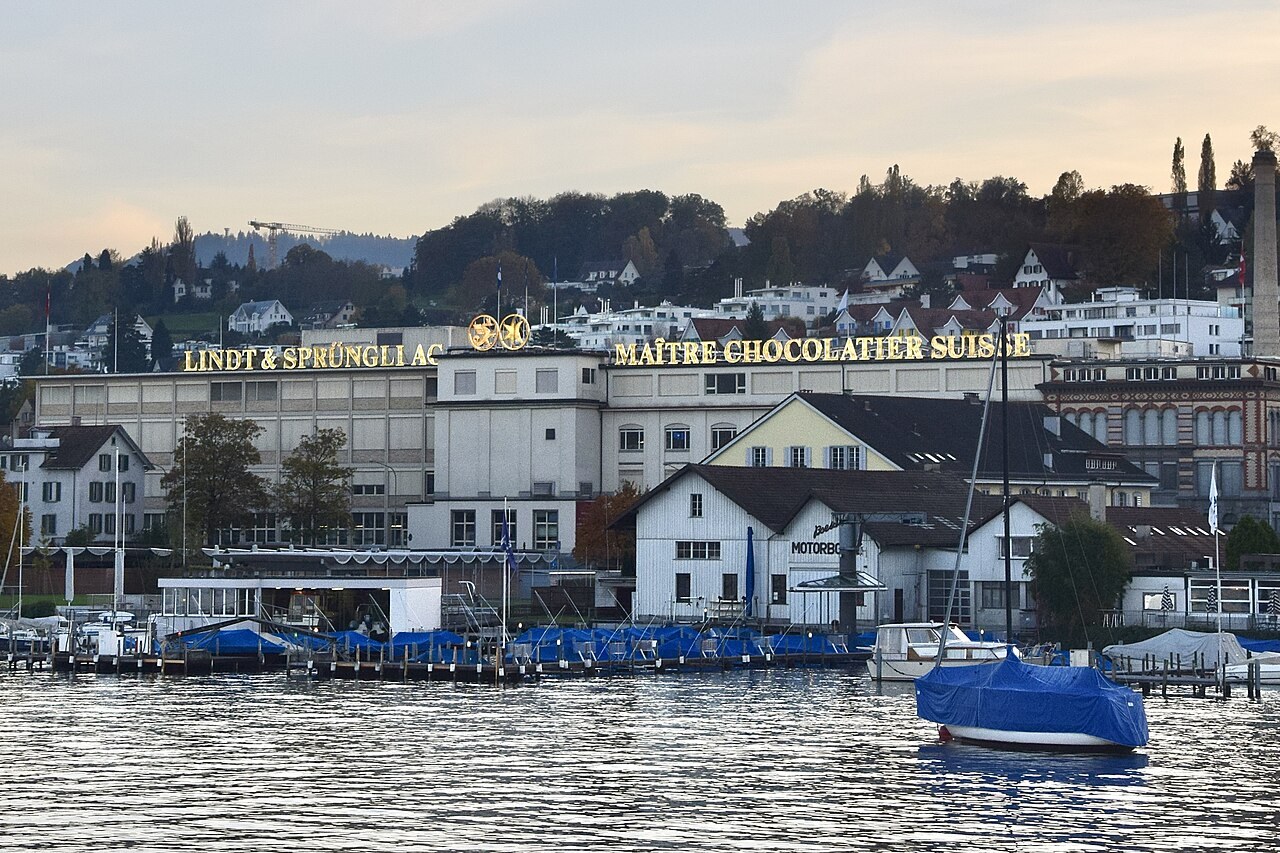
Zurich's chocolate story runs from grand confiseries to industrial invention. Confiserie Sprüngli, founded in 1836, still sells its Luxemburgerli macarons and truffles on Paradeplatz, and Teuscher has been making champagne truffles in the old town since the 1930s. A short hop along Lake Zurich brings you to Kilchberg, home of Lindt & Sprüngli since the nineteenth century and, since September 2020, of the Lindt Home of Chocolate. The museum's centrepiece is a chocolate fountain more than nine metres tall, and its exhibition explains how Swiss makers turned chocolate into a mass product through conching and milk chocolate.
Kilchberg is reachable by local train or lake boat, which makes the trip part of the experience. Combine the museum with a factory-shop visit, then head back into Zurich for the independent makers the big brands tend to overshadow.
Broc, Switzerland
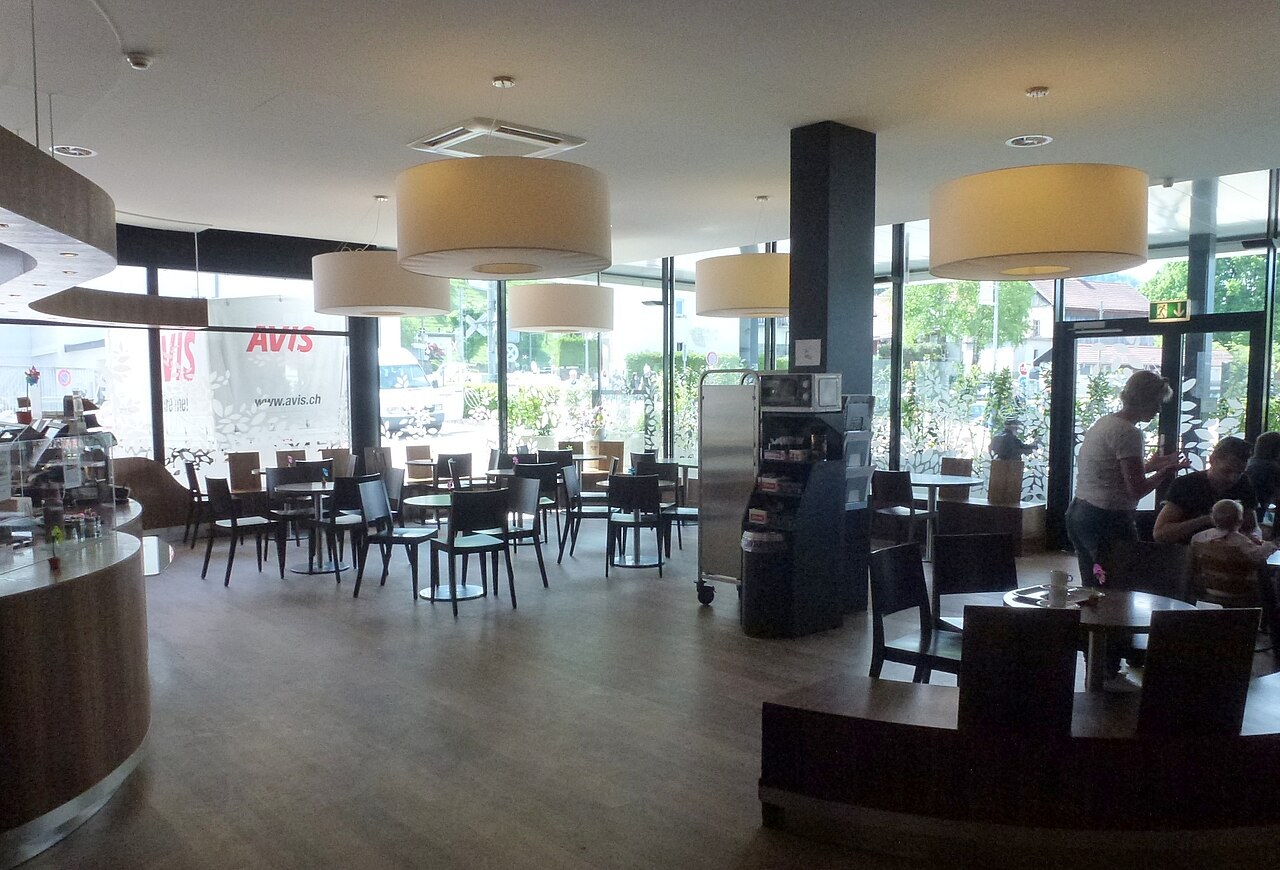
The village of Broc in the canton of Fribourg exists in chocolate history because of one factory. François-Louis Cailler founded his chocolate business in 1819, making Cailler the oldest Swiss chocolate brand still on sale, and in 1898 production settled at Broc, where the Maison Cailler still stands in the Saane valley below the Gruyère hills. The visitor centre tours the factory's story from Aztec drinking chocolate to the modern Cailler range, and ends, generously, in a tasting room. Broc is also a practical base: the medieval hill village of Gruyères, famous for its cheese, is minutes away, so a single day can cover Switzerland's two best-known foods at source.
Trains from Bulle stop at Broc Fabrique, right by the factory, and the route through the pre-Alpine foothills is part of the appeal.
Turin, Italy
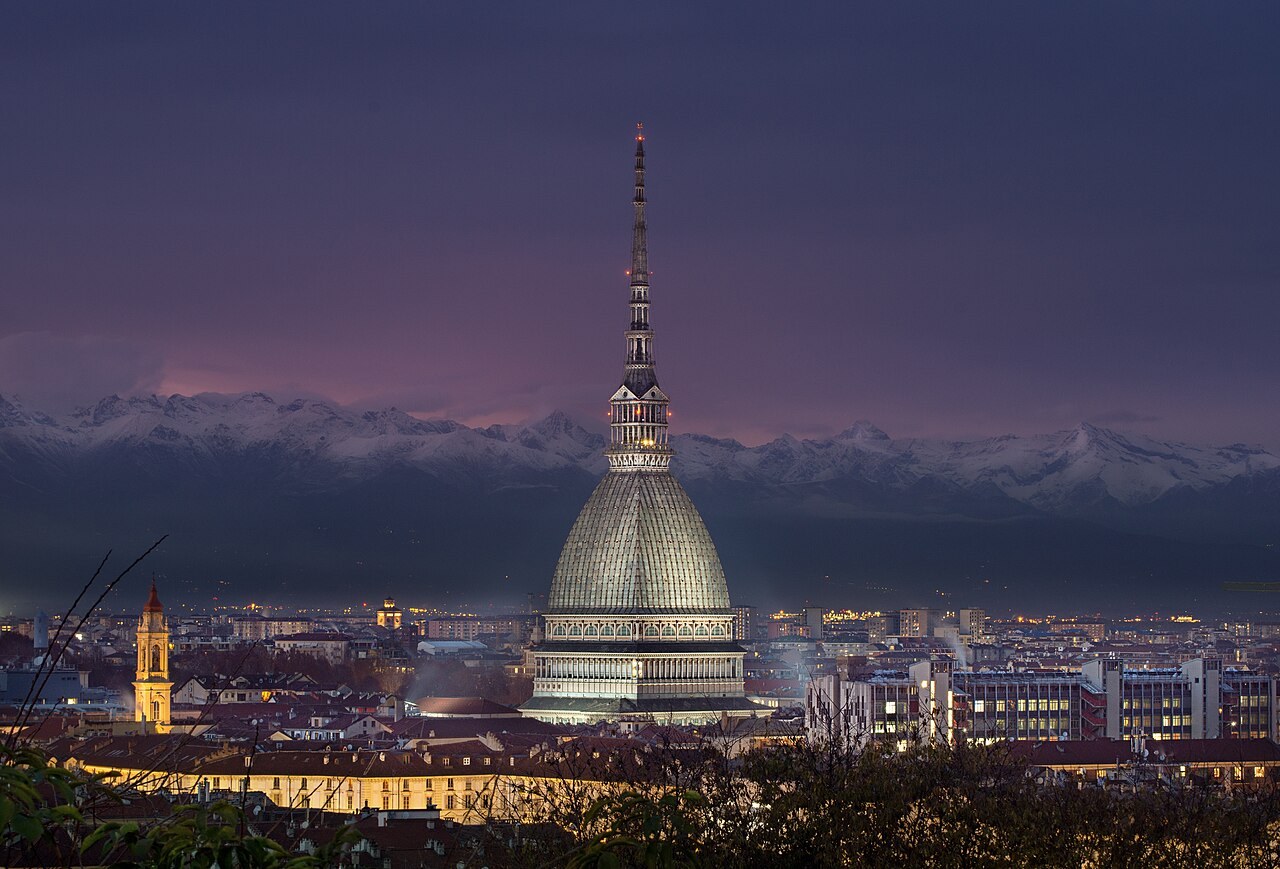
Turin's gift to chocolate is gianduja, the smooth paste of cocoa and Piedmont's prized Tonda Gentile hazelnuts. Local makers developed it in the early nineteenth century, when cocoa was expensive and hazelnuts were plentiful, and in 1865 the firm Caffarel produced the first gianduiotto, the little ingot-shaped chocolate that remains the city's signature. Historic cafés such as Baratti & Milano, founded in 1858, serve the bicerin, Turin's layered drink of espresso, chocolate and cream, in surroundings that have changed little in a century. Elsewhere in Piedmont, Alba gave the world Ferrero and its hazelnut spreads, so a Turin chocolate trip naturally extends into hazelnut country.
Visit in the cooler months, when the cafés are at their best, and buy gianduiotti loose from a pasticceria counter rather than pre-boxed.
Paris, France
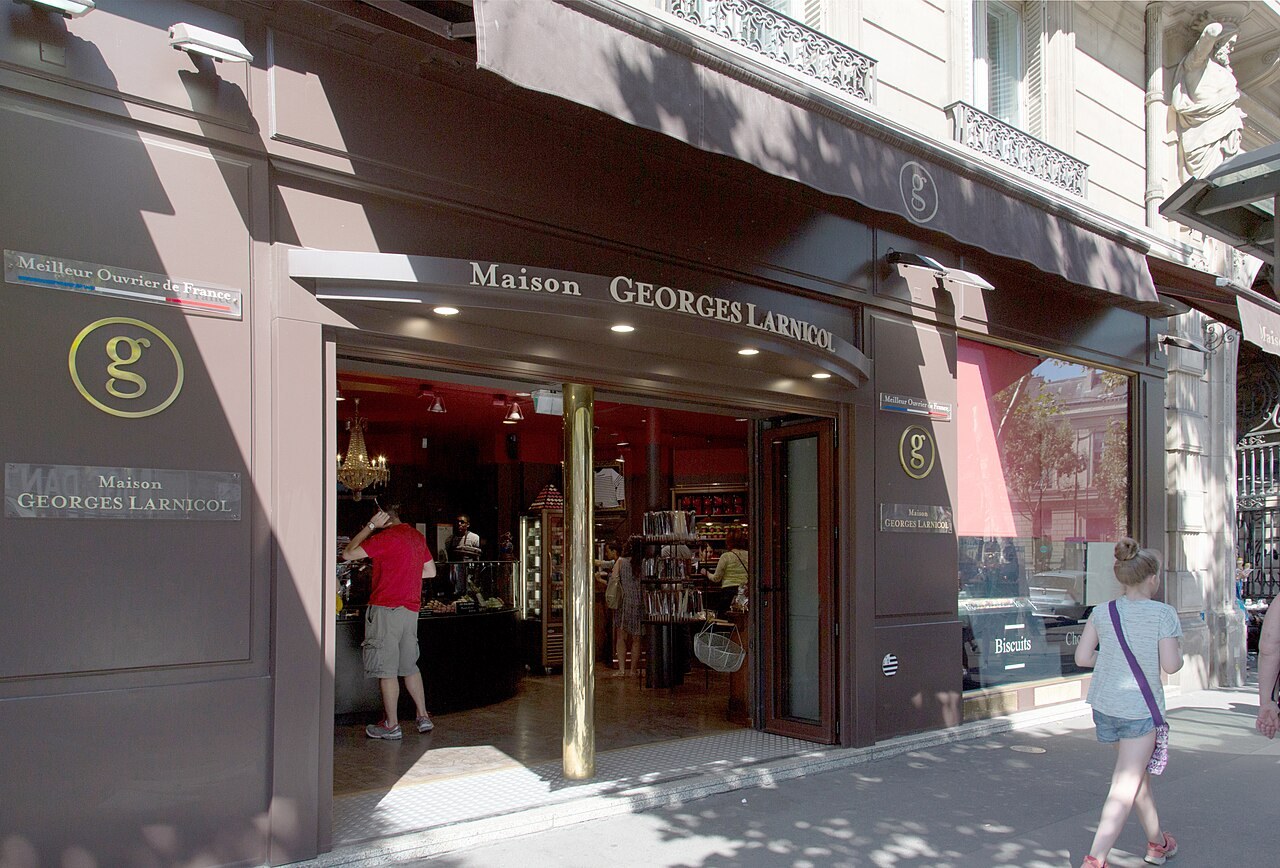
Paris treats chocolate as haute cuisine. The Salon du Chocolat, held since 1994, is the world's best-known chocolate fair, famous for its fashion show of dresses made from chocolate alongside hundreds of exhibitors. The rest of the year, the city's master chocolatiers reward a neighbourhood-by-neighbourhood approach: Patrick Roger's sculptural shops, Jacques Genin's Marais atelier where caramels and ganaches are made on site, Jean-Paul Hévin's bars and drinking chocolates, and long-established houses along Boulevard Saint-Germain, pictured here. Parisian chocolatiers tend towards intense, low-sugar ganaches, so tastings are best taken slowly and in small quantities.
Combine chocolate stops with the pâtisseries the city is equally known for, and note that many ateliers close in August, when Parisians leave and chocolate would suffer in the heat anyway.
Cologne, Germany
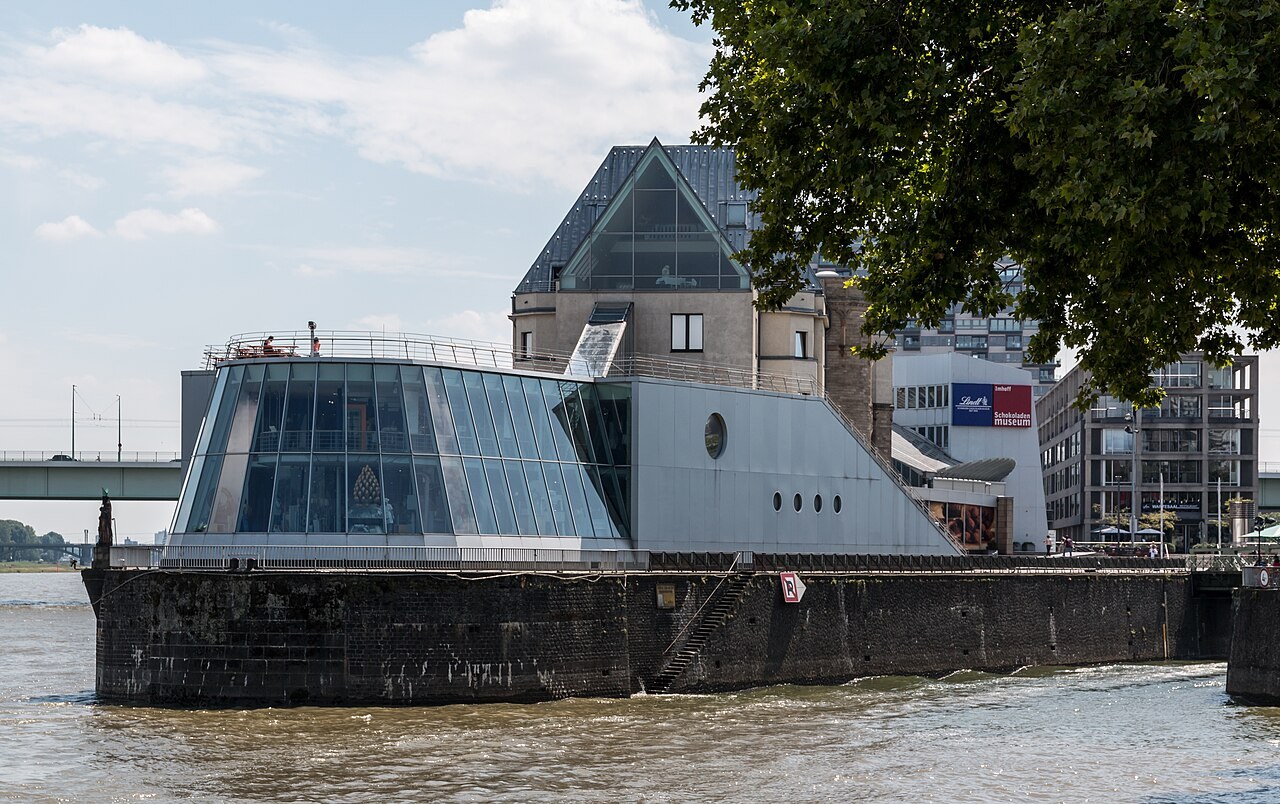
Cologne's Schokoladenmuseum, opened in 1993 by Stollwerck chief Hans Imhoff, occupies a striking glass building in the Rheinauhafen harbour district. Inside, a working miniature production line carries chocolate from bean to wrapped bar, a small tropical greenhouse grows real cacao trees, and the museum's three-metre chocolate fountain lets visitors taste liquid chocolate on a wafer. The city's claim is older than the museum: Franz Stollwerck founded his confectionery firm in Cologne in 1839, and Stollwerck grew into one of Europe's largest chocolate producers. Exhibits cover everything from pre-Columbian drinking vessels to vintage vending machines and advertising.
The museum sits a short walk from the cathedral along the Rhine promenade, so it combines easily with the old town's breweries and the Rhine cable car for a full day.
Bournville, Birmingham, United Kingdom
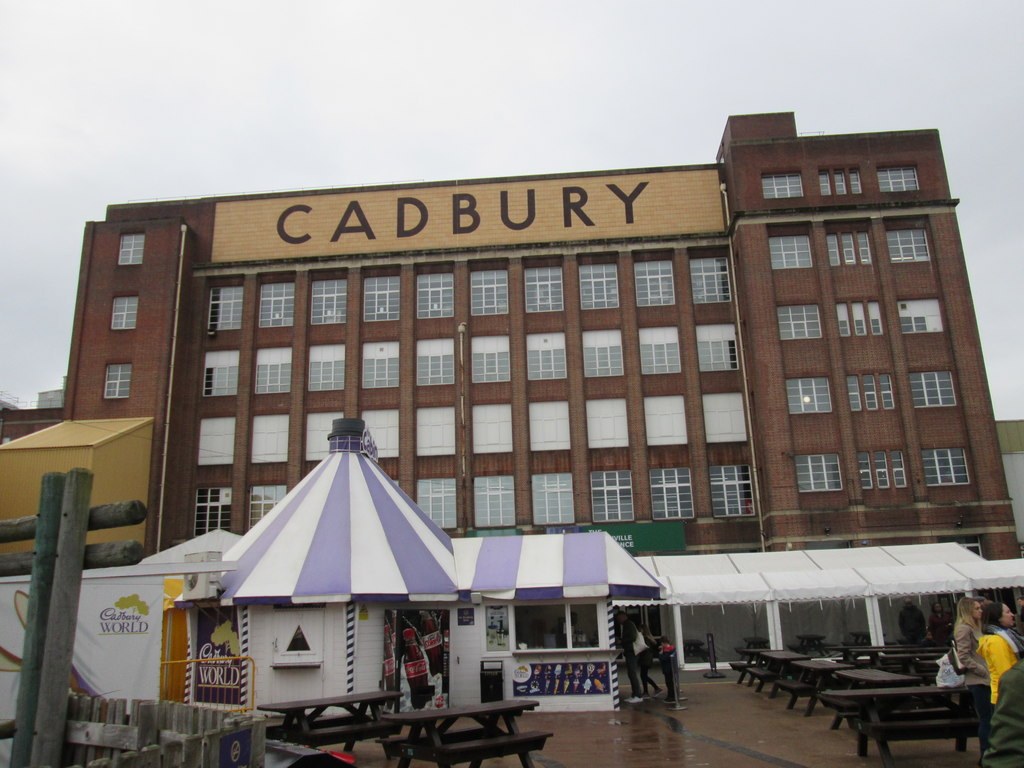
Bournville shows what happened when chocolate money was spent on workers' welfare. John Cadbury opened a tea and cocoa shop in Birmingham's Bull Street in 1824; in 1879 his sons Richard and George moved production out of the smoky city to a greenfield site they named Bournville, a French-sounding coinage for a garden factory. Around it they built a model village of cottages, gardens, schools and sports grounds, with no pubs, a Quaker statement in brick. Cadbury World, opened in 1990 on the factory site, tells the company story and the making of products such as Dairy Milk, launched in 1905 and still made at Bournville.
Even without the attraction, the village itself is the exhibit: leafy streets, the carillon, and the factory whose tiled frontage still dominates the green.
Hershey, Pennsylvania, United States
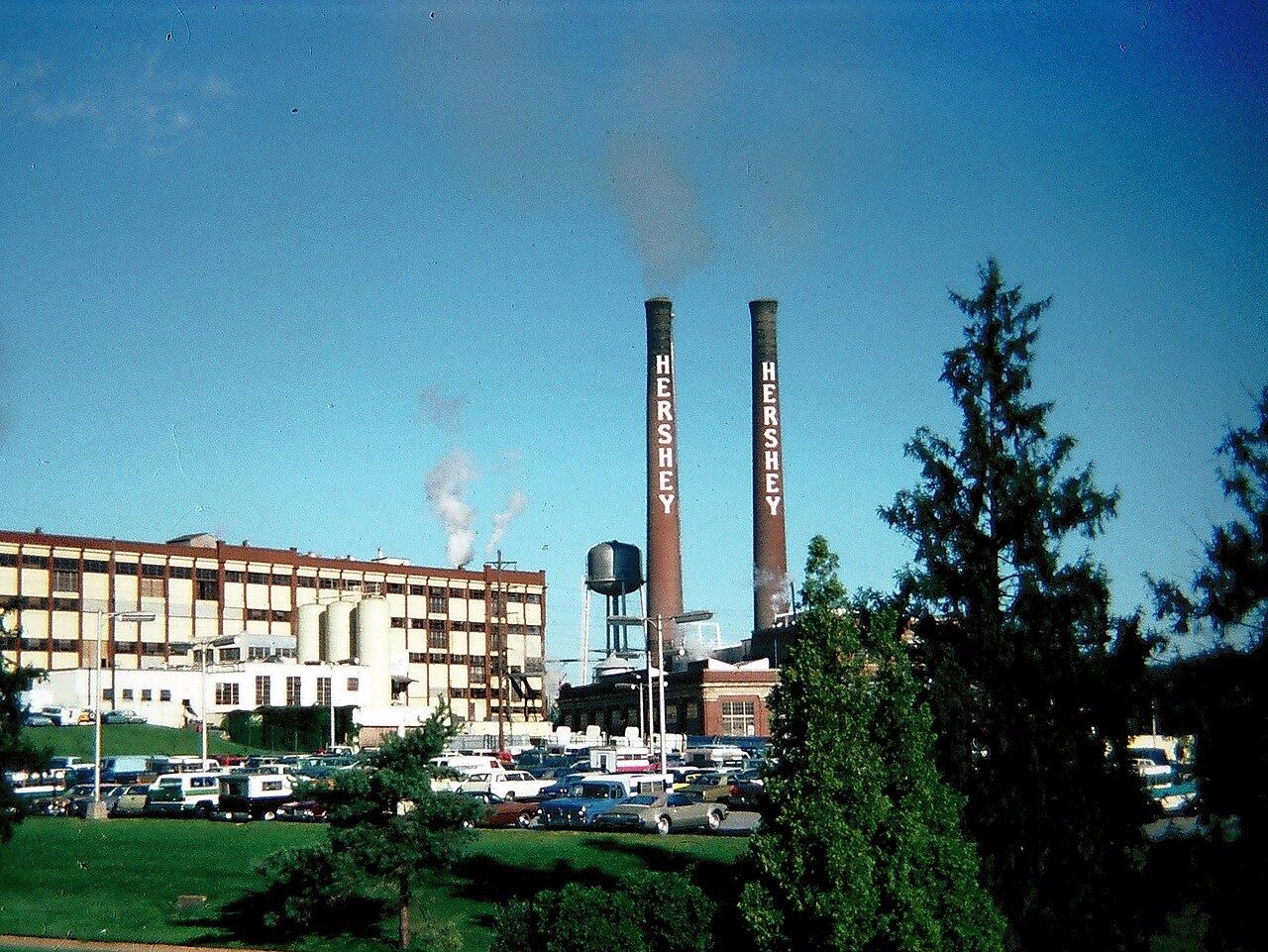
Hershey is the rare town that exists because of a chocolate bar. Milton S. Hershey made his fortune with the Lancaster Caramel Company, then sold it in 1900 for a million dollars to concentrate on chocolate, building his factory amid the dairy farms of his native Derry Township in Pennsylvania. The town that grew around the plant took his name, complete with Chocolate Avenue, where the street lights are shaped like Hershey's Kisses, the bite-sized chocolates introduced in 1907.
Hersheypark, begun in 1906 as a leisure ground for employees, is now a major amusement park, and The Hershey Story museum on Chocolate Avenue covers Milton Hershey's life, his school for orphaned boys, and the making process. It is a company town in the fullest sense, and all the more interesting for it.
Oaxaca, Mexico
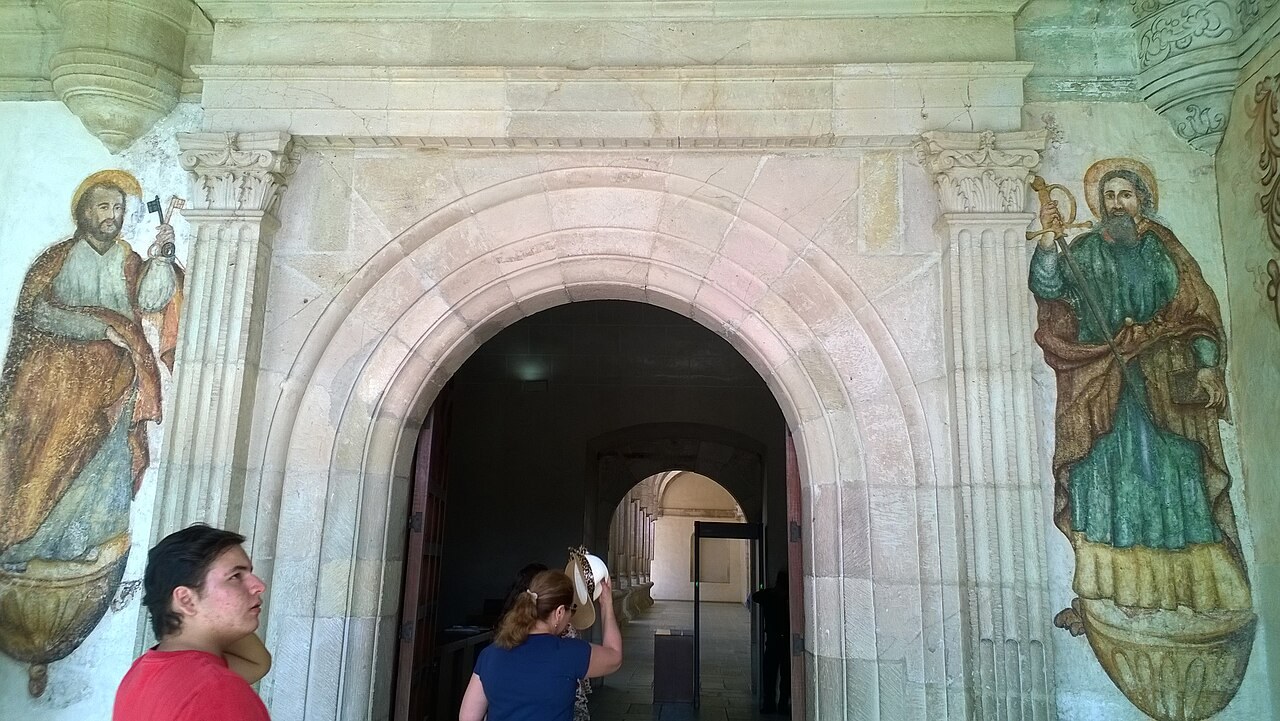
Nowhere in this list drinks its chocolate quite like Oaxaca. In the markets around the church of Santo Domingo, cacao is still ground on stone metates with almonds, cinnamon and sugar to make chocolate de mesa, discs and blocks whisked into hot water or milk, and the frothy corn drink tejate and chocolate atole sold from clay pots. The best-known local maker, Mayordomo, has milled chocolate in the city since 1956, and its shops let you watch the stones at work. Chocolate here is also savoury: mole negro, Oaxaca's celebratory sauce of chillies, spices and a little chocolate, is the dish to order in the market fondas.
Buy drinking chocolate from stalls in the Benito Juárez and 20 de Noviembre markets, and ask vendors how they prepare it; recipes are a point of family pride.
Ecuador
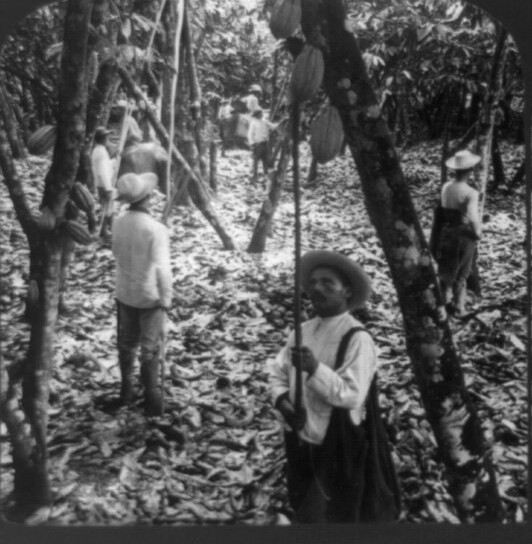
Ecuador is where much of the world's most prized cacao begins. Its Nacional variety, often sold as Arriba cacao after the upriver ports it shipped from, is classed as fine-aroma cacao, valued for floral and fruity notes that bulk cacao lacks. Cacao has been cultivated on Ecuador's coastal plain and in Amazonian foothills for centuries, long before it became an export crop in the colonial era, when Guayaquil's cacao trade made fortunes. Today a bean-to-bar generation works close to source: Pacari, founded in Quito in 2002, built an international name on single-origin Ecuadorian bars made with organic and biodynamic cacao, and small makers have followed in Quito and Guayaquil.
Farm visits in Los Ríos and Guayas provinces show fermenting and drying at origin. This historic photograph shows a harvest in progress; the work, pods split by hand and beans fermented in boxes, remains much the same.
Ghana
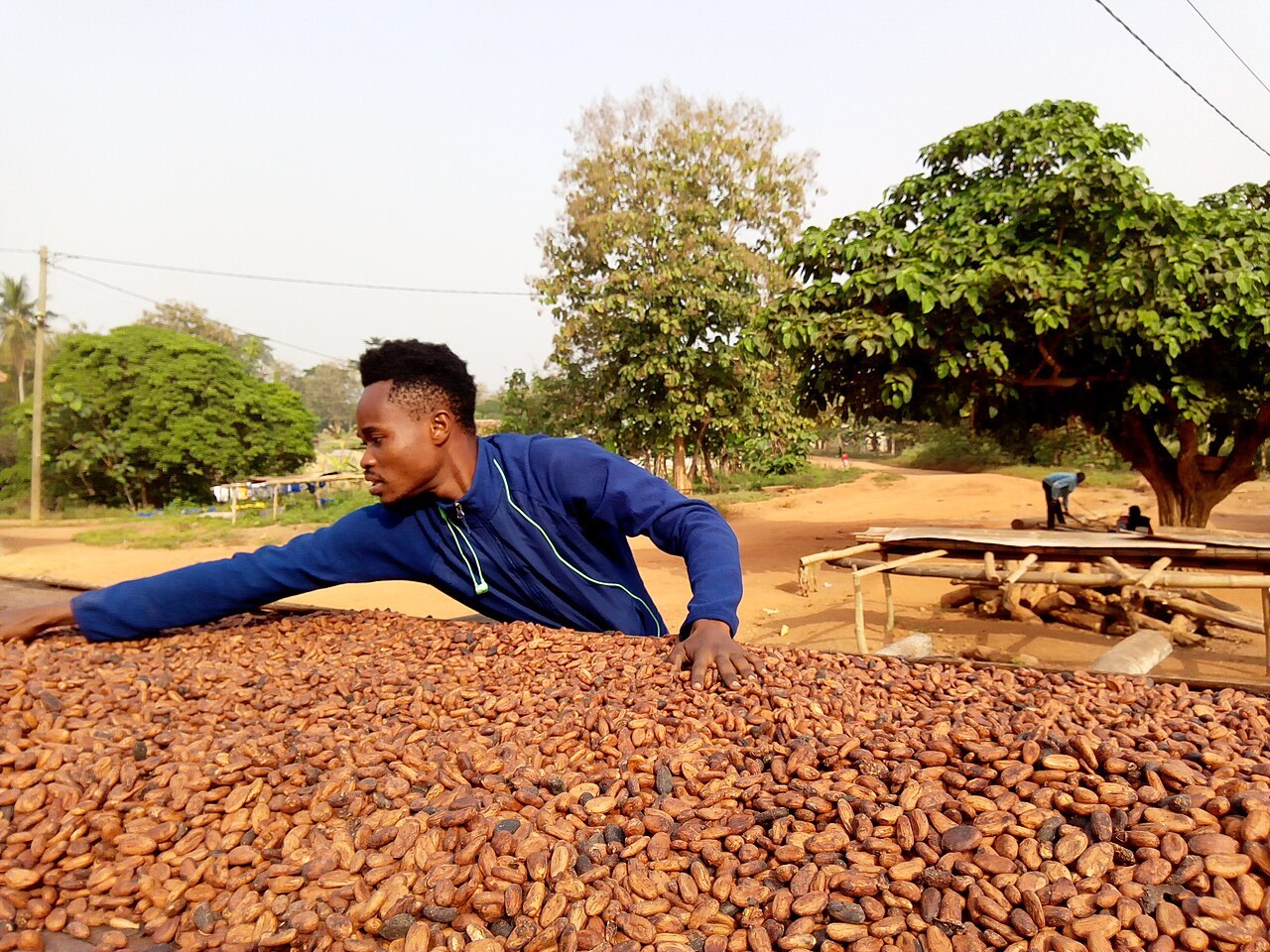
Ghana's chocolate story starts with one man and a few pods. In 1879 the blacksmith Tetteh Quarshie returned from Fernando Po, now Bioko, with cocoa pods and planted them at Mampong-Akuapem; trees descended from his plantings still grow there, and cocoa spread until Ghana stood alongside Côte d'Ivoire as one of the world's two largest producers. The state Cocoa Board, COCOBOD, still buys the crop through licensed companies, and its research institute at Tafo works on disease-resistant varieties for a crop threatened by swollen shoot virus and illegal mining.
For visitors, the honest experience is agricultural rather than artisanal: farm tours around Tafo and Mampong, fermentation boxes and drying mats in action, and Golden Tree chocolate, COCOBOD's own brand, in Accra shops. Ghana grows far more chocolate than it eats, which makes it the most thought-provoking stop on this list.
Villajoyosa, Spain
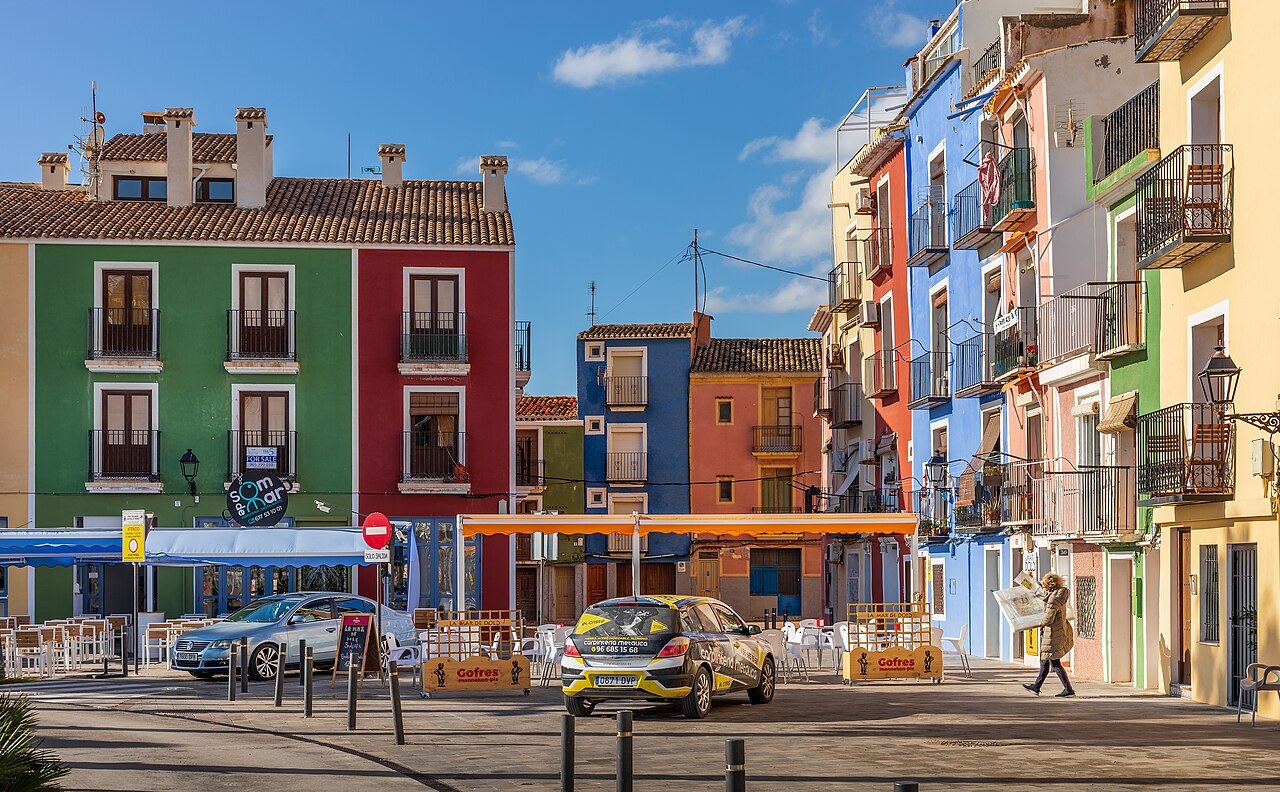
The Valencian fishing town of Villajoyosa, La Vila Joiosa in Valencian, has made chocolate since the nineteenth century. Chocolates Valor, founded in 1881 by Valeriano López Lloret, grew from a local workshop into one of Spain's best-known chocolate makers, and its Museo del Chocolate, in the former factory, covers the town's chocolate history and the Valor production process. Villajoyosa once had several chocolate factories supplying Spain's drinking-chocolate trade, and the tradition survives in cafés serving thick hot chocolate with churros.
The town itself is the other attraction: its old centre is a protected row of tall, brightly painted fishermen's houses along the seafront, painted, tradition says, so sailors could spot home from the water. It sits on the tram line between Alicante and Benidorm, making it an easy half-day trip from either.
San Carlos de Bariloche, Argentina
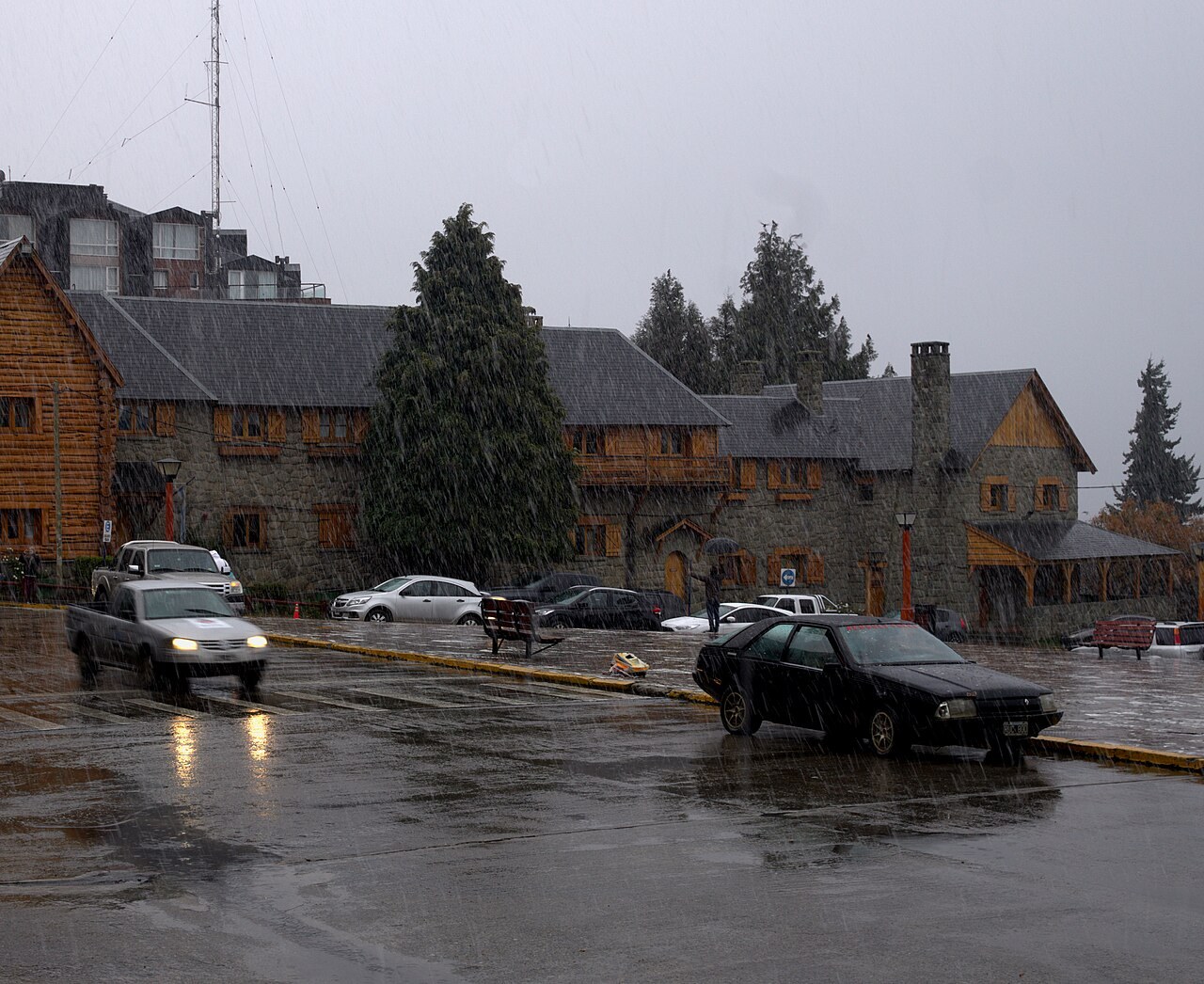
Bariloche, on the shore of Lake Nahuel Huapi in Argentine Patagonia, reinvented itself as the country's chocolate capital thanks to European immigrant families who brought Alpine recipes to the Andes after the Second World War. Avenida Mitre, a few blocks from the stone-and-timber Centro Cívico, is lined with chocolaterías such as Rapa Nui and Mamuschka, whose windows fill with filled eggs, branches of chocolate and boxes tied for the bus journey home. Each Easter the Fiesta Nacional del Chocolate takes over the civic centre, where local chocolatiers together build a giant chocolate Easter egg, several metres tall, that is broken up and shared at the festival's end.
In winter the combination that defines Bariloche is skiing at Cerro Catedral by day and hot chocolate by night. Bring an extra bag; nobody leaves with only one box.
St. Lucia
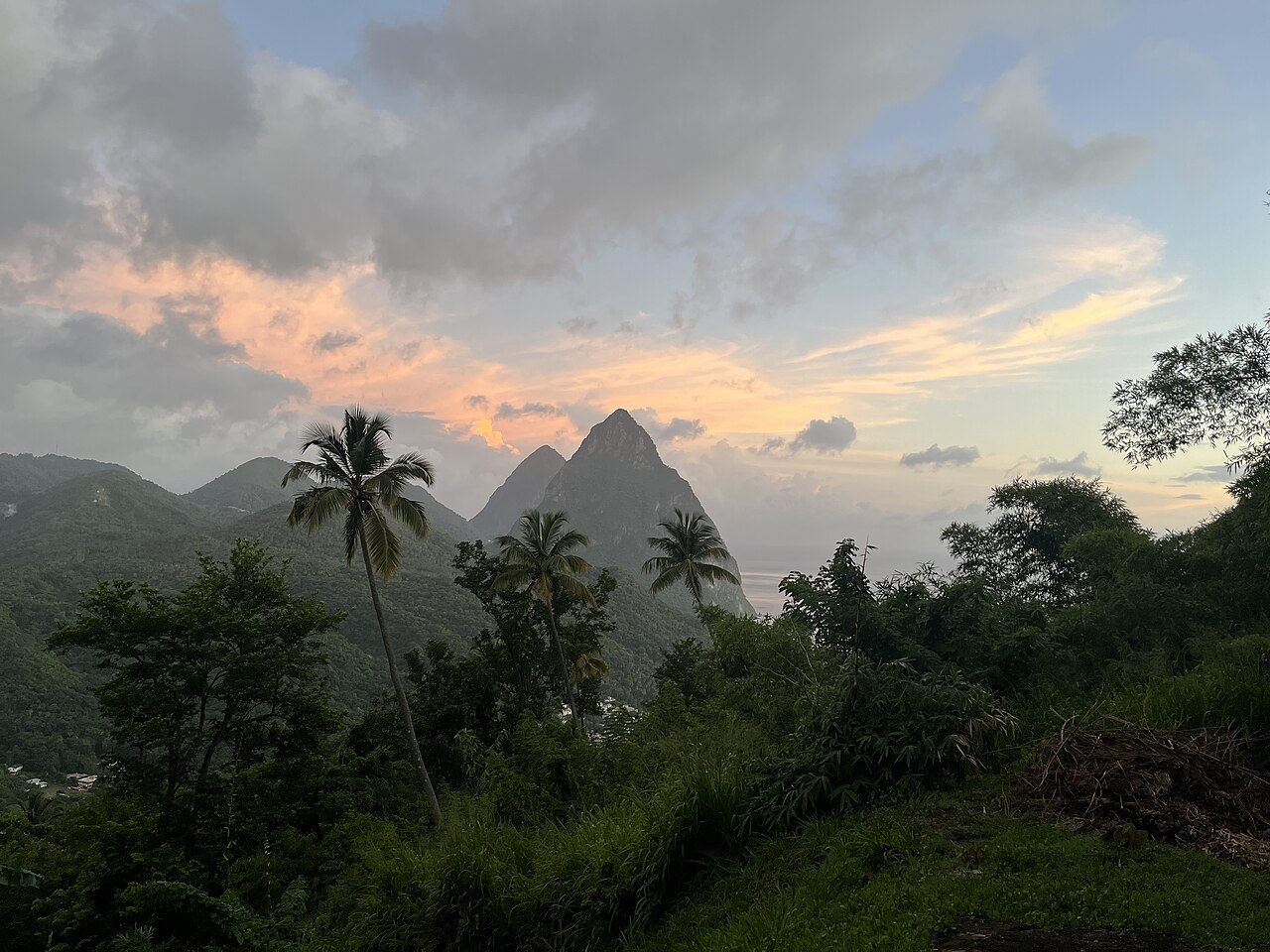
St. Lucia grows fine-flavour cacao on volcanic soil in the shadow of the Pitons, and its modern chocolate story centres on one estate. Rabot Estate, founded in 1745 and among the island's oldest cocoa estates, was bought in 2006 by the British retailer Hotel Chocolat, which grows cacao there for its single-estate bars and runs Project Chocolat, a visitor site near Soufrière offering tree-to-bean tours: grafting, harvest, fermenting and drying, then grinding your own bar. Cacao has been grown on the island for centuries and St. Lucian beans are still prized by craft makers for their flavour.
The setting does half the work: estate roads run through rainforest above the Caribbean, with Gros Piton and Petit Piton, the twin peaks in this photograph, filling the view. Pair the tour with the island's markets in Castries for local cocoa sticks, the traditional grated-cacao rolls used for cocoa tea.
How to choose
Start with the real decision: who will use this, where, how often, and what would make the choice unsafe or disappointing? The following checks keep the shortlist practical.
- Type of chocolate experience
- Depth of chocolate heritage
- Local speciality to try
- Season and opening dates
- Responsible sourcing
- Allergy and dietary needs
What to verify before you commit
Confirm the current specification, price or availability, terms, and seller or provider identity. For companies and services, request a written scope, named contact, references, and cancellation or warranty terms. For products, compare the unit price, compatibility, return window, and genuine support.
Editorial update
The best destination depends on whether you want fine pralines, bean-to-bar craft, cacao farms, pastry, or industrial history. Every place below earned its spot through a documented chocolate connection, an invention, a factory, a museum or a harvest, not just a pleasant café scene. Opening dates and tours should be checked directly before travel.
Frequently asked questions
How should I use this guide?
Use the shortlist to define what matters to you, then verify current price, availability, rules, credentials, or catalogue details at the source before you decide.
Is this a fixed ranking?
No. The refreshed page is an editorial starting point organised by fit and evidence. The right choice depends on your use case, location, budget, and timing.
When will this page be updated?
VisitBest reviews time-sensitive details when reliable public information changes. Send corrections or newer source links to visitbest10@gmail.com.
Keep exploring

Best Places to Visit in the World: Ideas by Travel Style
An editorial selection of fourteen places to visit, organised by travel style — culture, nature, food, adventure and ease of travel — rather than one…
Top Travel Destinations in the World: Our Pick of 15 Places Worth the Trip
Our editorial pick of 15 world destinations — iconic cities, island escapes and mountain bases — each with its best-known sights, the best time to…

Spring Temple Buddha: Height, History and a Visitor's Guide to the Giant Buddha of Henan
The Spring Temple Buddha in Lushan County, Henan — also called the Zhongyuan Buddha — is a 128-metre statue of Vairocana Buddha that was the tallest…