
VisitBest guide
Scariest Animals in the World: The Truly Dangerous — and the Ones That Only Look It
Sixteen of the world's most frightening animals — crocodiles, sharks, jellyfish, spiders and deep-sea oddities — with an honest split between the ones that…
In this guide
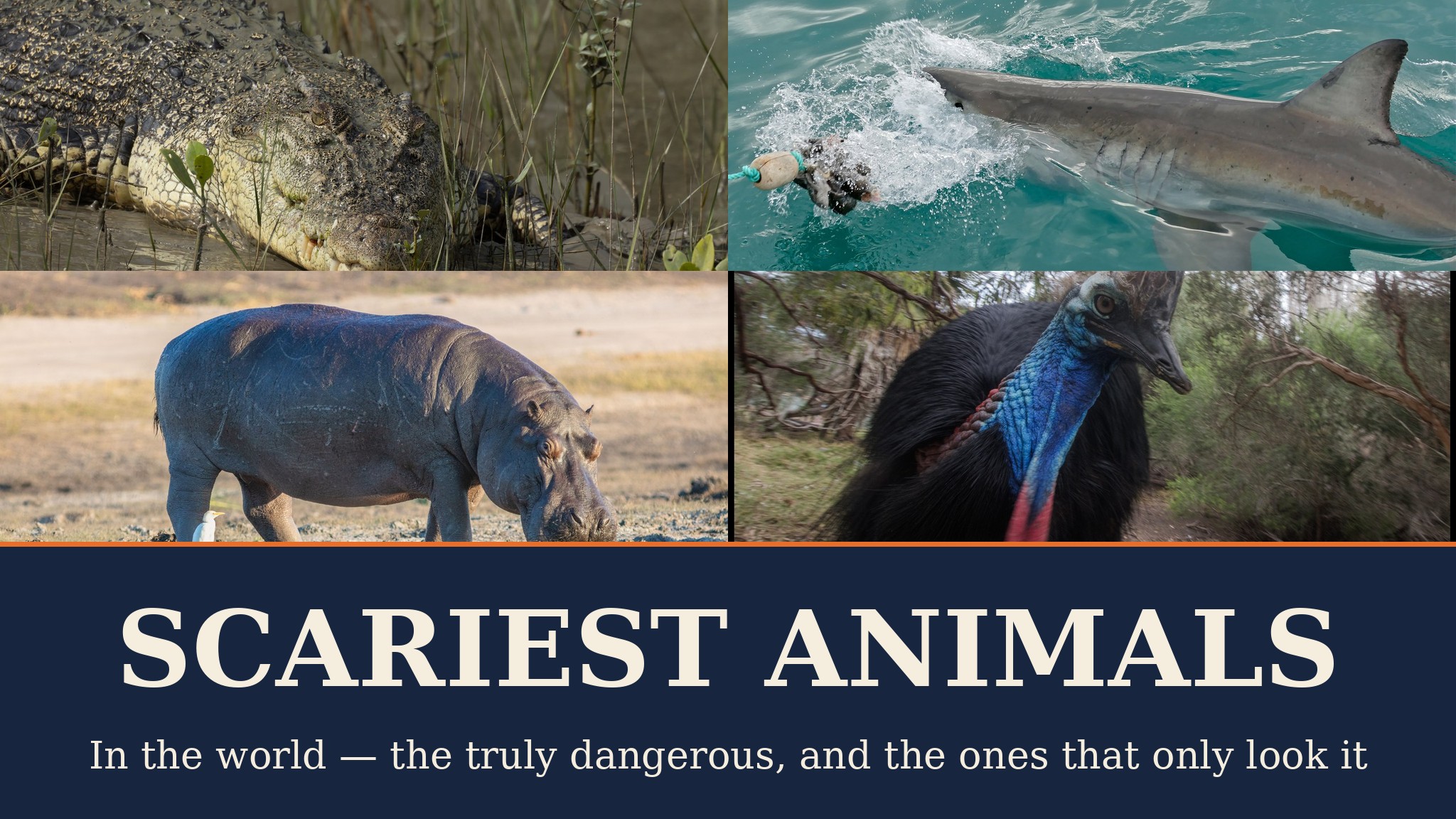
At a glance
Scary is not the same as dangerous. This guide mixes animals that really can kill — a saltwater crocodile, a box jellyfish, a funnel-web spider — with animals that merely look the part, like the aye-aye and the goblin shark. Each entry states the real level of risk plainly, without exaggeration: what the animal can do, how encounters actually happen, and how they are avoided. No death tolls or attack statistics are quoted, because for most of these animals the commonly repeated figures cannot be traced to a reliable source.
- Saltwater crocodile — The largest living reptile, and a genuine ambush predator
- Hippopotamus — A grazing giant that turns dangerous in defence of its water
- Great white shark — The biggest predatory shark, feared far beyond the facts
- Australian box jellyfish — A near-invisible jellyfish with a potentially lethal sting
Shortlist and comparison
| Topic | Best for | What to verify |
|---|---|---|
| Saltwater crocodile | The largest living reptile, and a genuine ambush predator | Real risk: high — never swim in signed crocodile waterways |
| Hippopotamus | A grazing giant that turns dangerous in defence of its water | Real risk: high — keep clear of hippos between you and deep water |
| Great white shark | The biggest predatory shark, feared far beyond the facts | Real risk: low but real — bites are rare and usually a single test bite |
| Australian box jellyfish | A near-invisible jellyfish with a potentially lethal sting | Real risk: high in season — swim inside stinger nets in the tropics |
| Sydney funnel-web spider | A stocky black spider with famously potent venom | Real risk: moderate — no confirmed deaths since the 1981 antivenom |
| Reef stonefish | The most venomous fish in the world, disguised as a rock | Real risk: moderate — almost always stepped on, so wear reef shoes |
| Blue-ringed octopus | A palm-sized octopus carrying tetrodotoxin | Real risk: moderate — bites follow handling; never pick one up |
| Cape buffalo | A herd animal famous for its unpredictable charge | Real risk: moderate — dangerous when wounded, cornered or surprised |
| Southern cassowary | A rainforest giant with a dagger on each foot | Real risk: low-moderate — shy, but kicks hard if cornered |
| Spotted hyena | A bone-crushing predator with an eerie laughing call | Real risk: low — generally avoids people |
| Titan triggerfish | A reef fish that attacks divers over its nest | Real risk: low-moderate — bites during nesting season only |
| Coconut crab | A metre-wide land crab with a record-breaking pinch | Real risk: low — not aggressive; keep fingers out of reach |
| Goliath birdeater | One of the heaviest spiders on Earth | Looks worse than it is — venom is mild; its hairs are the real defence |
| Japanese spider crab | The largest arthropod of all, spanning up to about 3.7 metres | Looks worse than it is — a slow, gentle deep-water scavenger |
| Goblin shark | A pink deep-sea shark with a blade snout and shooting jaws | Looks worse than it is — lives far below anywhere people swim |
| Aye-aye | A spectral nocturnal lemur with a skeleton-thin finger | Looks worse than it is — harmless, and endangered by superstition |
The brands in detail
Saltwater crocodile
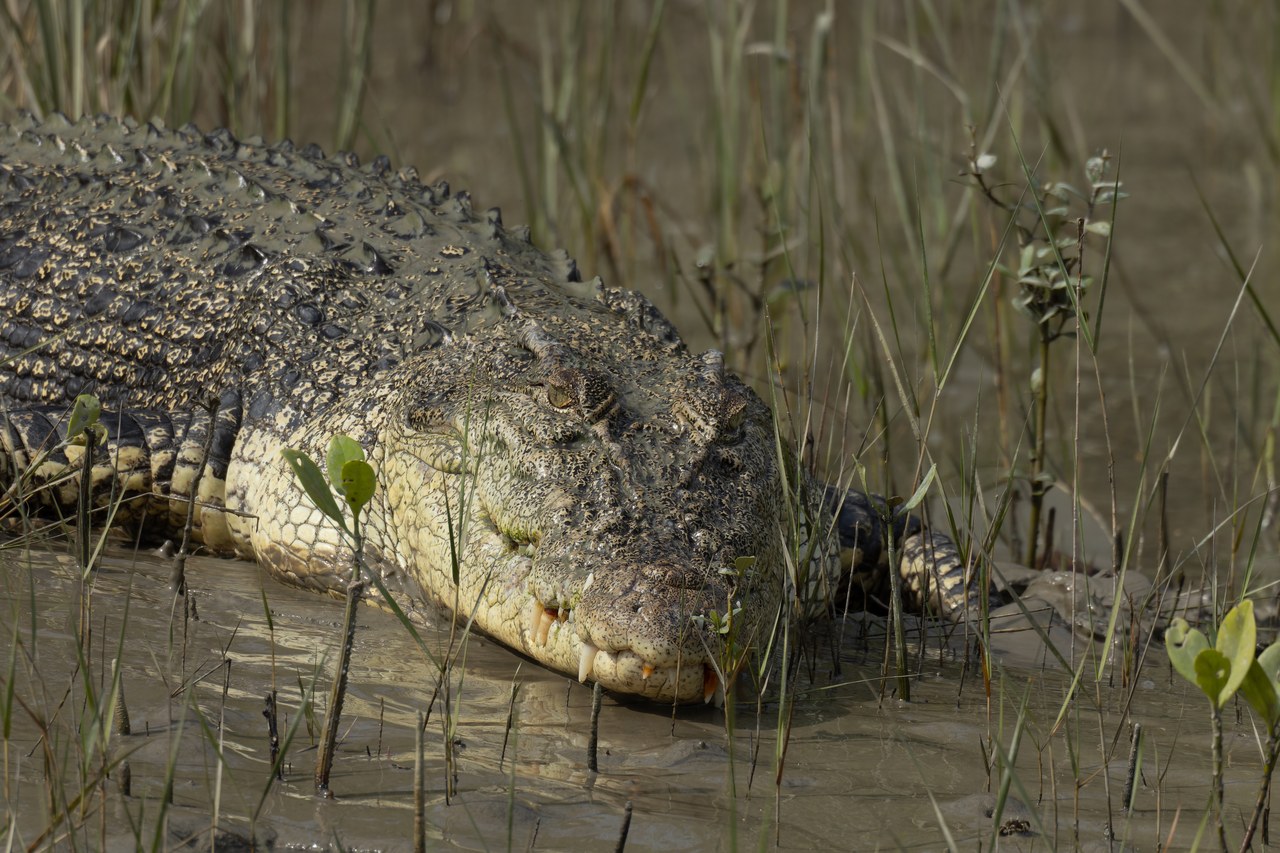
The saltwater crocodile is the largest living reptile: males commonly reach four to five metres, and exceptional individuals exceed six. Broad-snouted and heavily armoured, it lives in estuaries, rivers, mangrove swamps and coastal waters from India's east coast — including the Sundarbans, where the photograph above was taken — through South-East Asia to northern Australia and the western Pacific. It hunts by patience, waiting submerged at the water's edge with only eyes and nostrils showing, then lunging at fish, birds, pigs, deer and even buffalo. The real risk is exactly what it looks like: this is a big territorial predator, and people are occasionally taken, usually at the water's edge, in small boats or after dark. Heed warning signs and never swim in crocodile waterways.
Hippopotamus
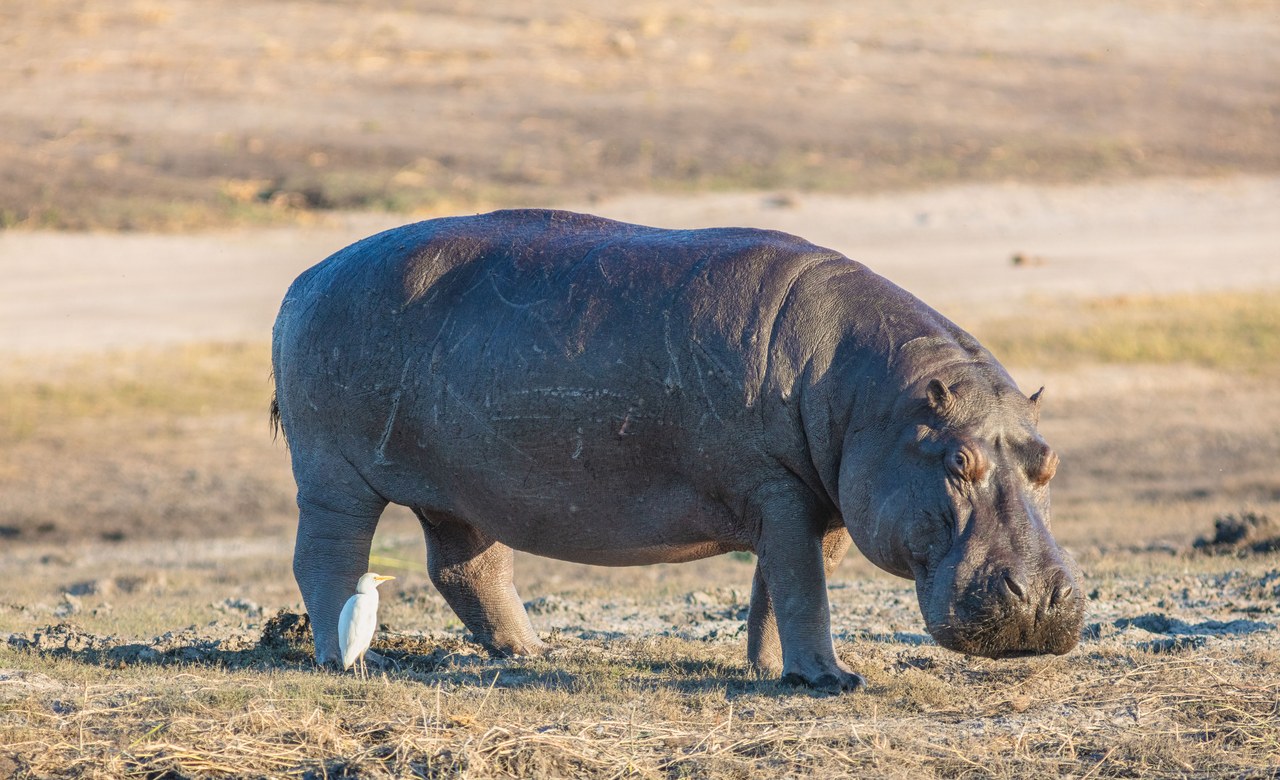
The common hippopotamus spends its days half-submerged in the rivers and lakes of sub-Saharan Africa and comes ashore after dark to graze. Behind the almost comic barrel body sits an enormous mouth that opens nearly 180 degrees, armed with tusk-like canine teeth that can reach about half a metre and stay sharp by grinding against each other. Hippos are strict vegetarians, but bulls are fiercely territorial in the water and mothers defend calves aggressively, and a hippo on land can charge faster than a person can run over a short distance. The real risk arises when a boat, canoe or walker gets between a hippo and deep water, or between a mother and her calf. Give hippos a very wide berth, especially at dawn and dusk.
Great white shark
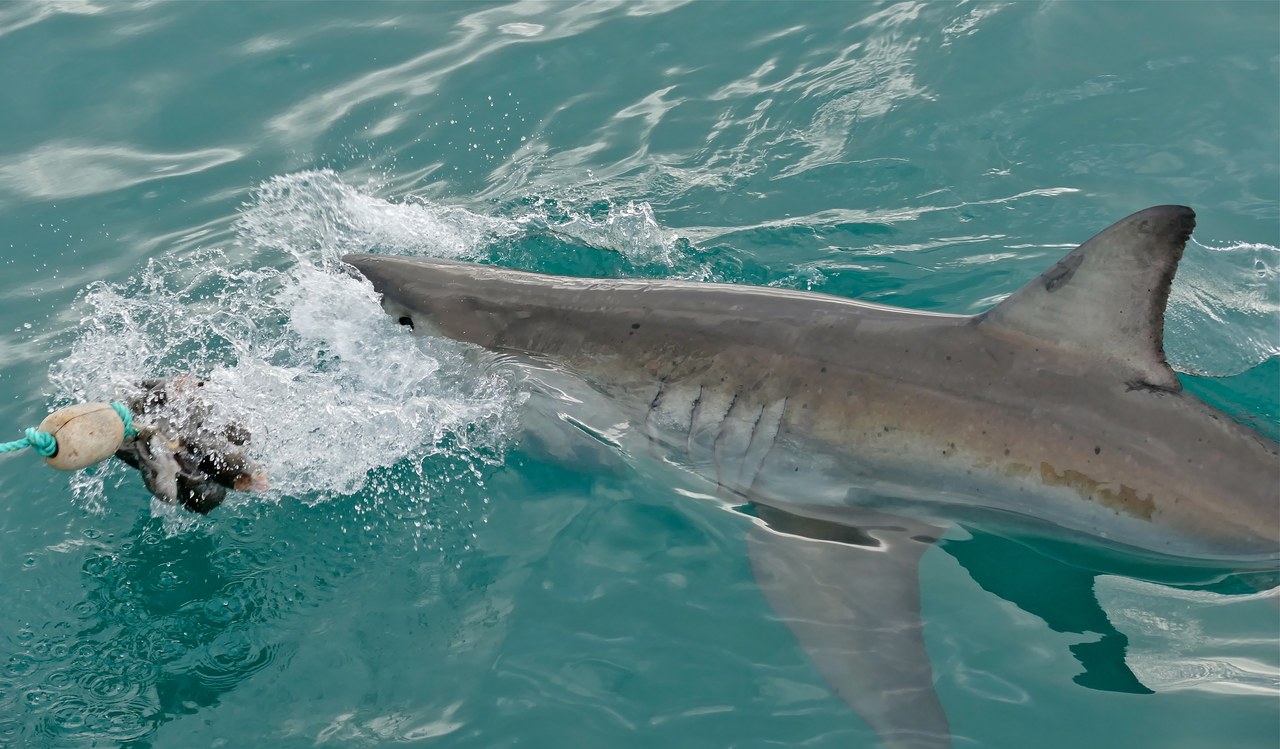
The great white is the world's largest predatory shark, growing to about six metres, grey above and white below so that it is camouflaged from both above and below. It patrols temperate coasts worldwide — South Africa, Australia, California, Mexico and the Mediterranean among them — and hunts seals and sea lions by rocketing up from deep water. The fear it inspires is out of proportion to the facts, but it is not baseless: great whites account for more recorded unprovoked bites on people than any other shark species, most of them on surfers and swimmers. Even so, bites are rare, and most appear to be a single investigative bite after which the shark moves on — people are not its prey. The species is vulnerable and protected in many countries.
Australian box jellyfish
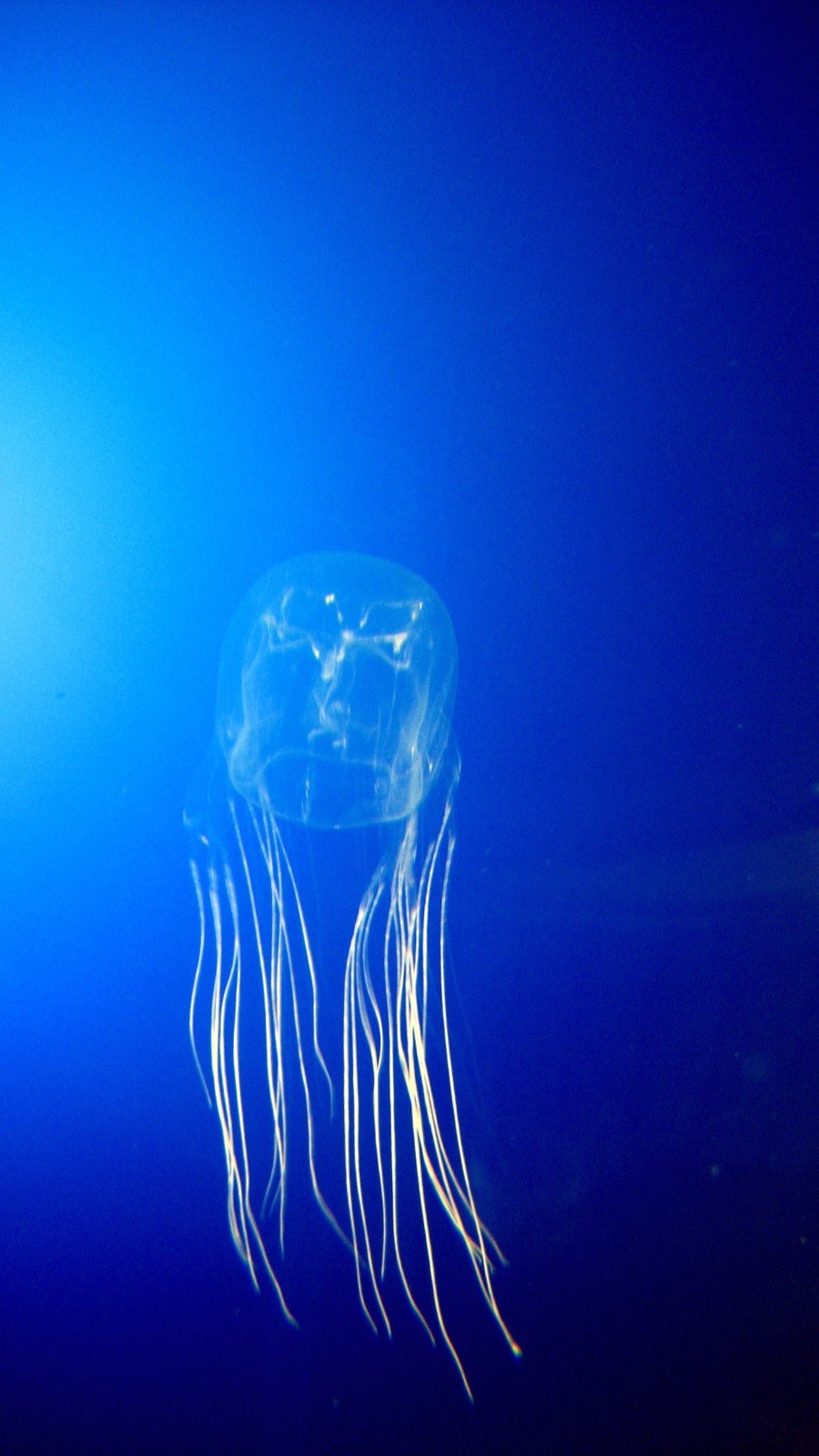
Chironex fleckeri, the Australian box jellyfish or sea wasp, is a pale, transparent cube of a jellyfish with up to sixty tentacles trailing as far as three metres from a bell about the size of a basketball. It drifts through the tropical shallows of northern Australia and the wider Indo-Pacific, hunting small fish and prawns, and it is considered one of the most venomous animals on Earth: a bad sting floods the skin with venom that can affect the heart, and severe stings have killed within minutes. The real risk is seasonal and manageable — stings happen almost entirely in the warmer 'stinger season', roughly October to May, when swimmers should use stinger-net enclosures. Vinegar, kept at tropical Australian beaches, is the recommended first aid because it stops unfired stinging cells from discharging.
Sydney funnel-web spider
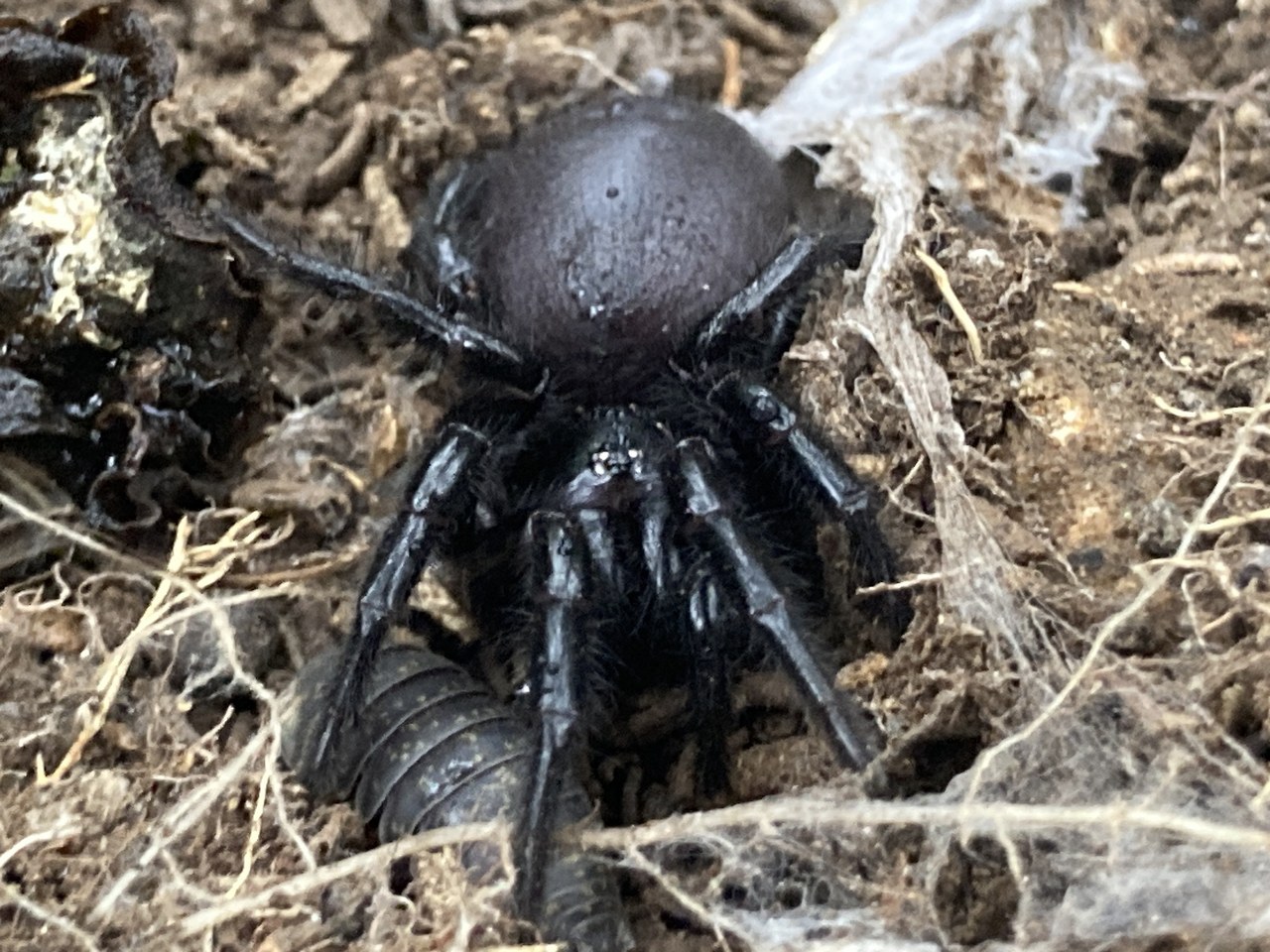
The Sydney funnel-web spider is a stocky, glossy-black spider up to about five centimetres long, with a bulky body, powerful fangs and a famously defensive temper when disturbed — it rears up and shows its fangs rather than fleeing. It lives in silk-lined burrows under rocks, logs and gardens within roughly a hundred kilometres of Sydney, and in summer and autumn the males wander at night, sometimes ending up in swimming pools, shoes and houses. Its venom contains a compound called atraxotoxin that is unusually dangerous to primates, including people. The honest picture, though, is reassuring: bites are uncommon, an antivenom has been available since 1981, and no confirmed deaths have been recorded since its introduction. A firm pressure-immobilisation bandage is the correct first aid.
Reef stonefish
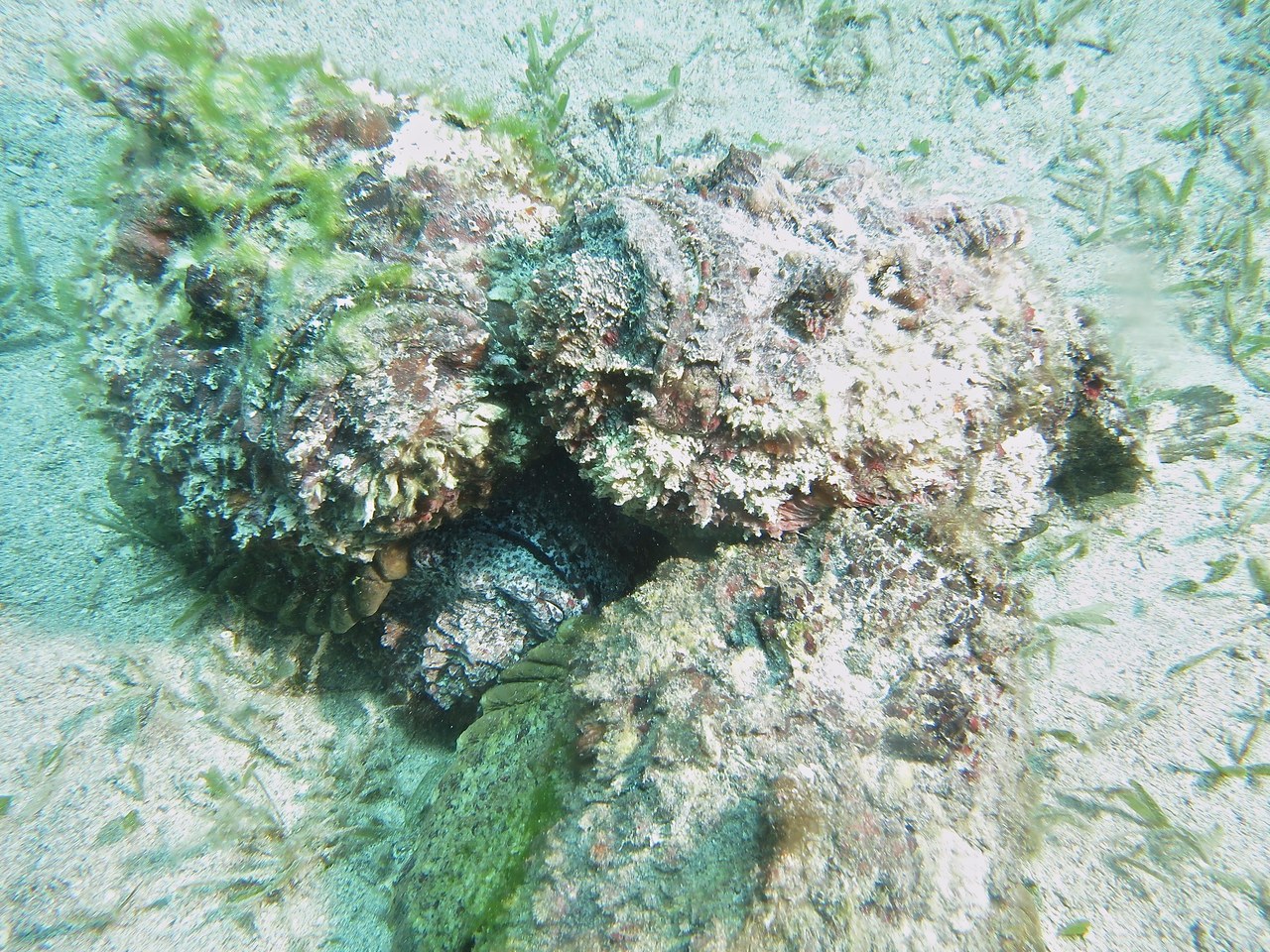
The reef stonefish is generally regarded as the most venomous fish in the world, and it looks like a piece of the reef itself — a warty, encrusted, algae-flecked lump that sits utterly still on sand and rubble in the shallow waters of the Indo-Pacific and Red Sea. Along its back stands a row of thirteen spines, each linked to a venom gland and wrapped in a sheath that peels back when something presses down on it. The stonefish does not attack: the real risk is stepping on one while wading barefoot, which drives the spines into the foot and causes intense, sometimes life-threatening envenomation. Wearing reef shoes or sturdy sandals in rocky shallows is simple, effective protection, and hot-water first aid and antivenom exist for stings.
Blue-ringed octopus
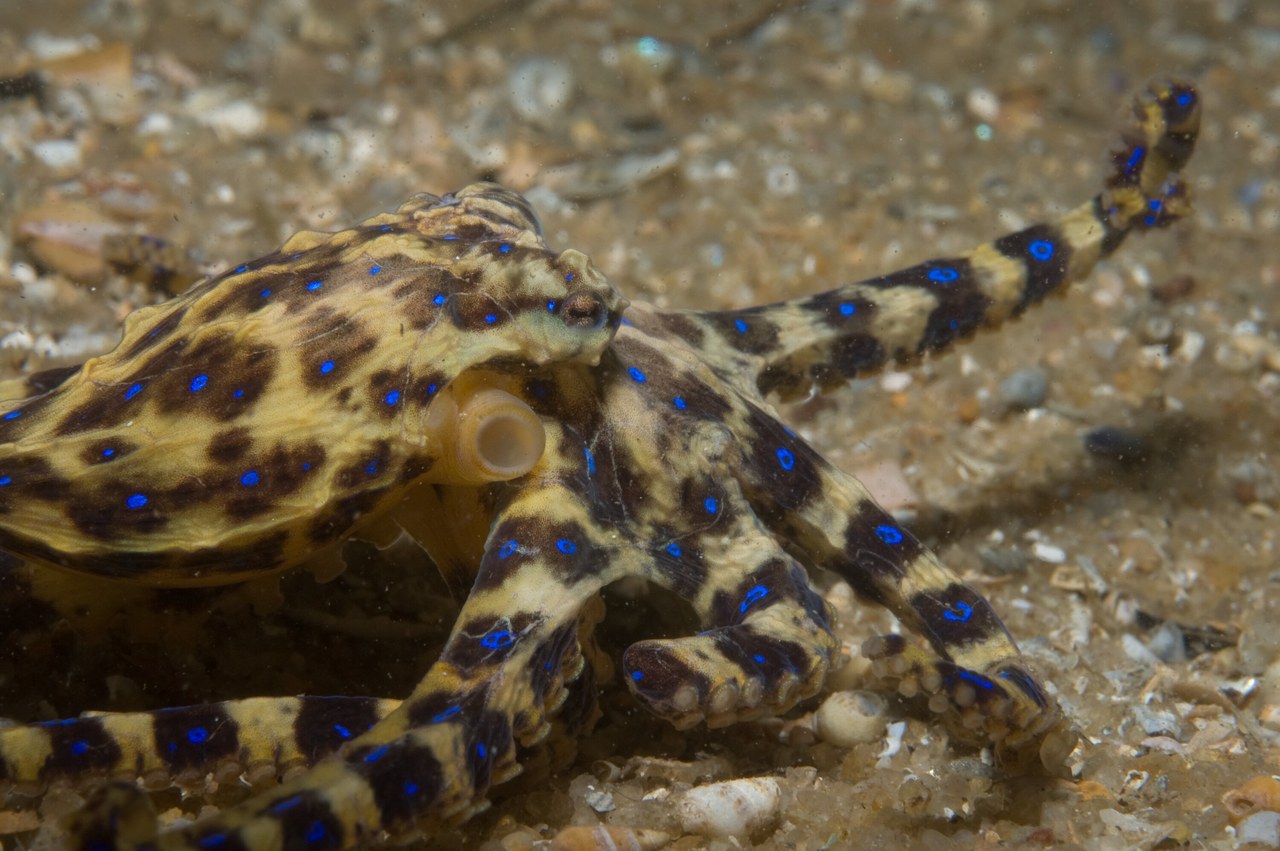
Blue-ringed octopuses are tiny — the southern species pictured here is small enough to sit in the palm of a hand — and normally a dull yellowish-brown. Disturb one, though, and it flashes brilliant iridescent blue rings and spots across its body: a warning worth obeying. These octopuses live in tide pools and shallow reefs around Australia and the western Pacific, sheltering in shells and crevices and hunting small crabs and shrimp. They carry tetrodotoxin, the same potent nerve toxin found in pufferfish, in their saliva. The bite itself is often barely felt, and there is no antivenom; treatment means supporting breathing until the toxin wears off. Bites are rare and in practice almost always follow somebody picking the animal up — admire it, photograph it, and leave it exactly where it is.
Cape buffalo
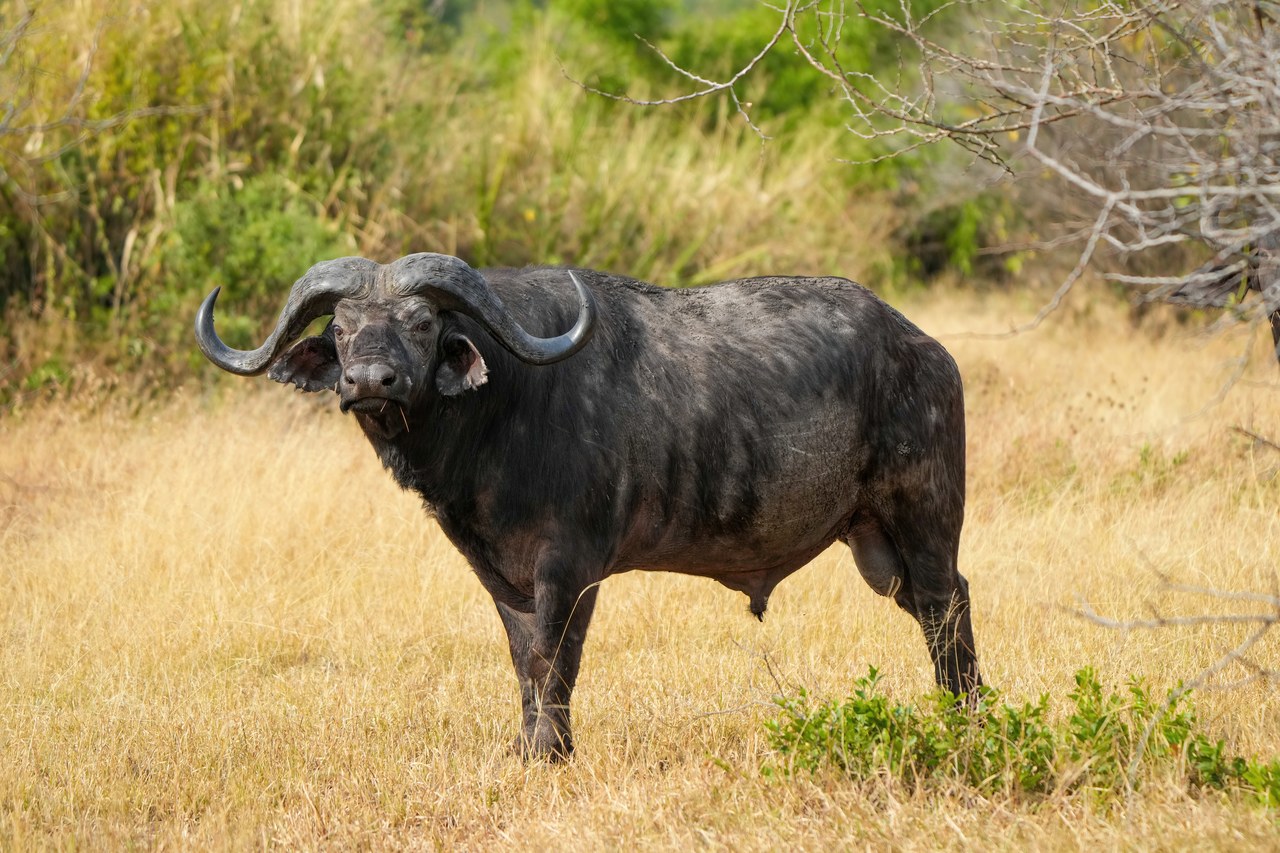
The Cape buffalo is a massive, dark bovid of sub-Saharan savannas and wetlands, its horns fused into a heavy shield — the boss — across the forehead. Herds can number in the hundreds, grazing and wallowing by day, and old bulls, which can approach 900 kilograms, often drift apart into small bachelor groups. Buffalo are not predators, but hunters and rangers have long respected them as among Africa's most dangerous animals, and the reputation has a basis: a buffalo that is wounded, cornered or surprised at close range may charge with little warning, and a herd will sometimes turn and mob a lion that has taken a calf. Unprovoked attacks on people are uncommon; the sensible rule on foot in buffalo country is distance, a clear escape route, and never approaching a lone bull closely.
Southern cassowary
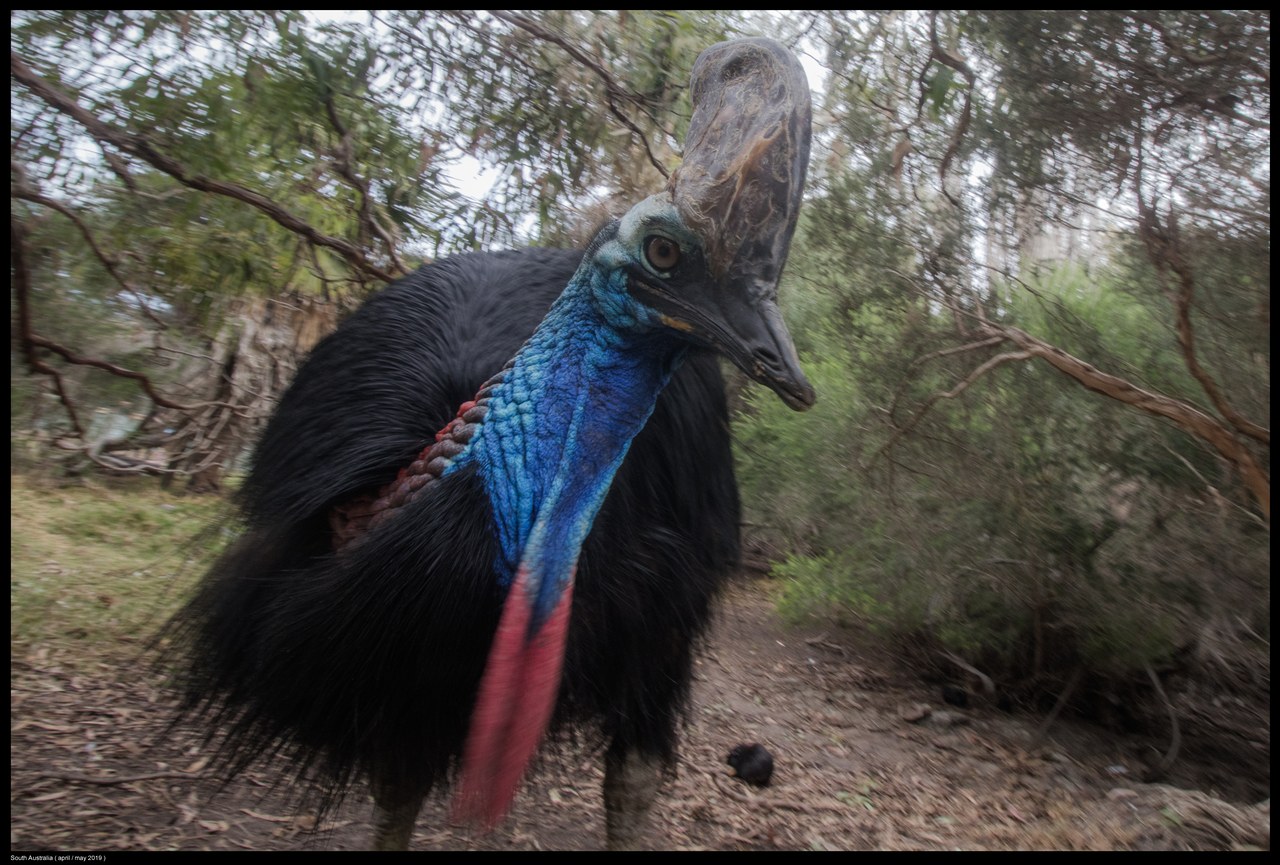
The southern cassowary is a tall, flightless bird of the rainforests of north-eastern Queensland and New Guinea, standing up to about 1.8 metres, with glossy black feathers, a bare blue neck with red wattles, and a tall helmet-like casque whose purpose is still debated. It is a shy fruit-eater that plants the rainforest as it goes, swallowing fruit whole and dispersing the seeds across the forest floor. The danger is in its feet: the inner toe of each foot carries a straight, dagger-like claw up to about twelve centimetres long, and a cornered cassowary — or a male guarding chicks — can leap and kick with both feet at once. Attacks are rare and two fatal incidents are on record, in 1926 and 2019, the second involving a captive bird. Never feed or crowd one.
Spotted hyena
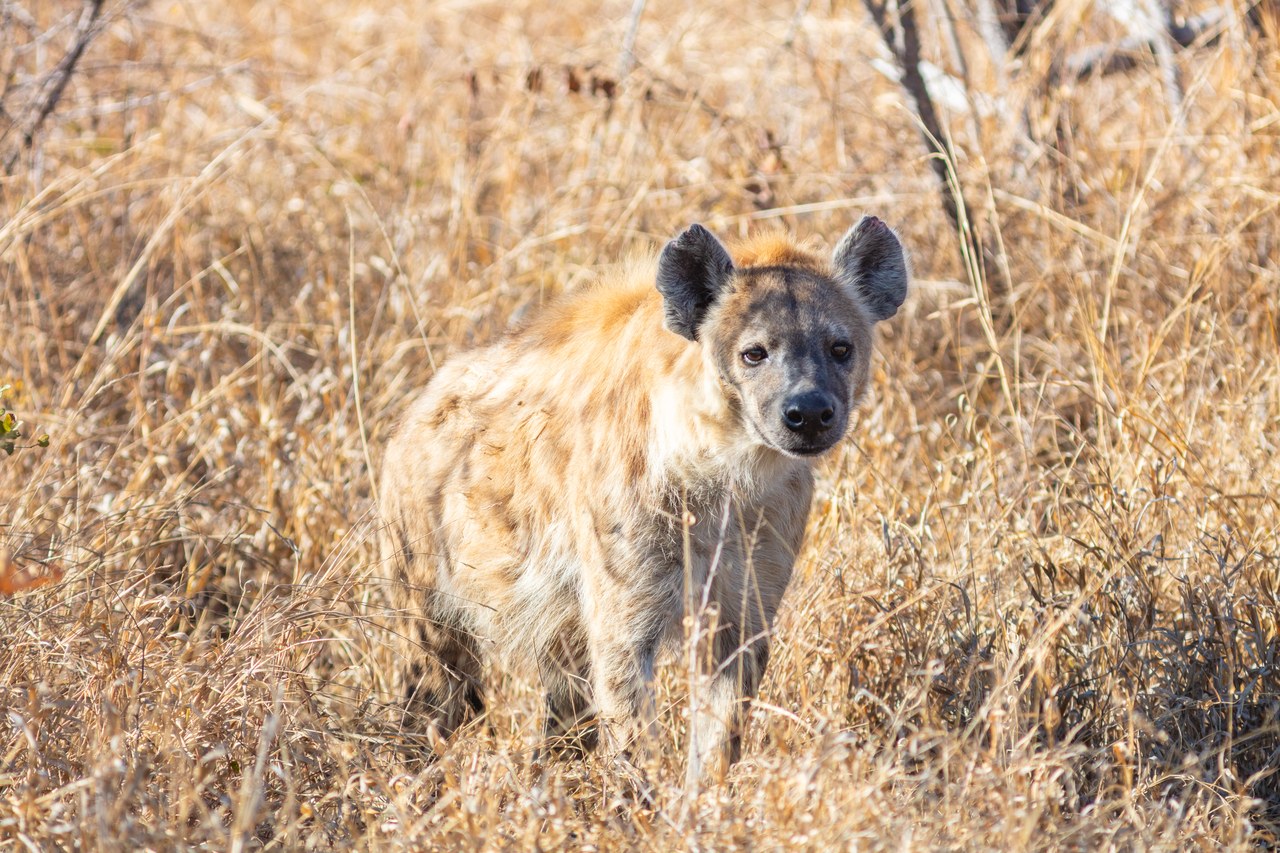
The spotted hyena is a powerful, sloping-backed predator of sub-Saharan Africa, living in clans that can number dozens and filling the night with whoops, giggles and the famous 'laugh'. Its head and neck are built around one of the strongest bites among land mammals, able to crack open large bones that lions leave behind and digest almost every part of a carcass. Research over the past half-century has rewritten its image: spotted hyenas hunt much of what they eat rather than merely scavenging, and they are social, intelligent animals with a strict clan hierarchy. The real risk to people is low — hyenas generally keep away from us — but they are large wild predators: incidents do occur where they are fed, habituated, or find people sleeping in the open, and livestock owners across Africa live with regular conflict.
Titan triggerfish
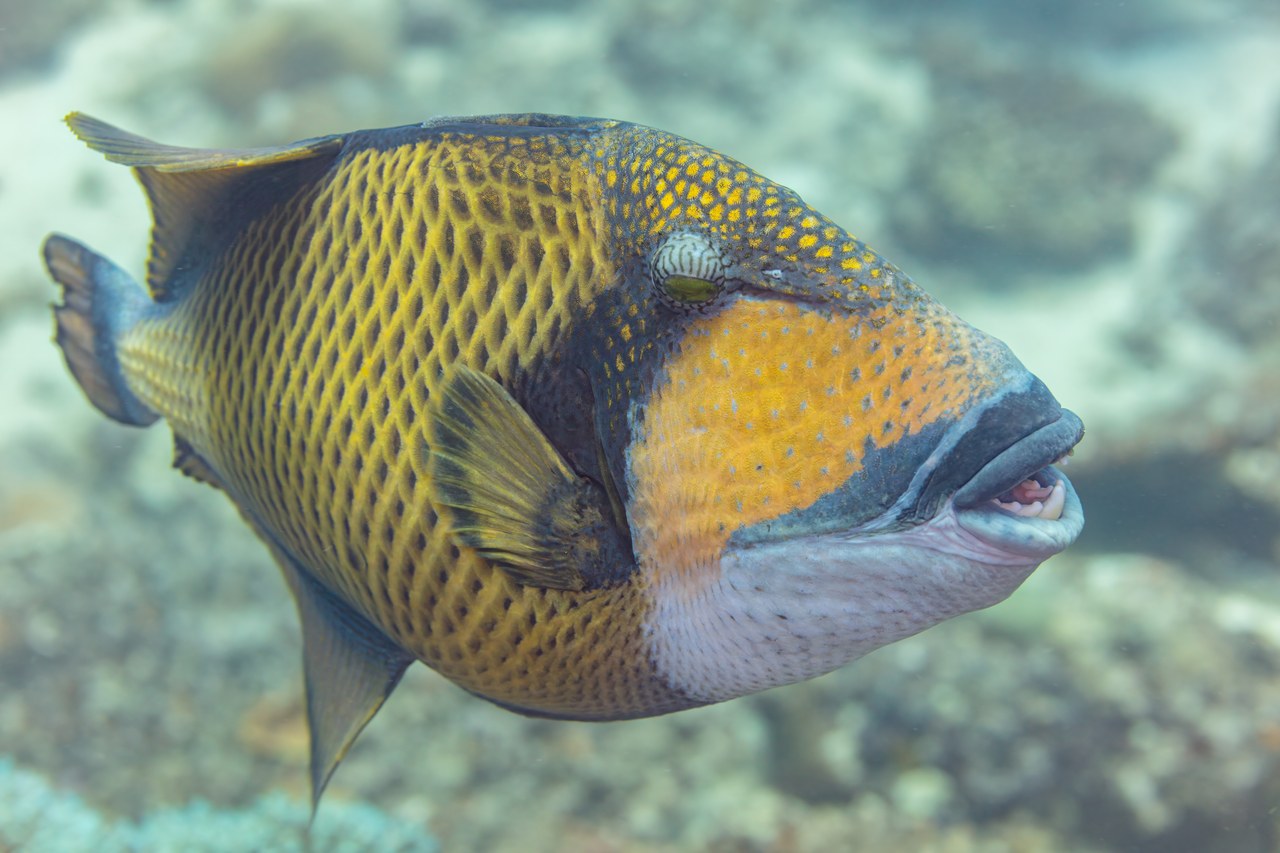
The titan triggerfish is the largest of the triggerfishes, reaching about 75 centimetres, with a deep, armour-plated body, small beak-like teeth strong enough to crush sea urchins and coral, and an unsettling habit of watching divers with one swivelling eye. It lives on lagoons and outer reefs across the Indo-Pacific. For most of the year it minds its own business, but in the breeding season a female builds a crater nest in the sand and guards a cone-shaped territory that widens towards the surface directly above it. A diver who swims up into that cone may be charged and bitten, and the teeth can draw blood even through a wetsuit. The correct escape, as dive briefings across the tropics repeat, is to fin away horizontally at the same depth — never straight up.
Coconut crab
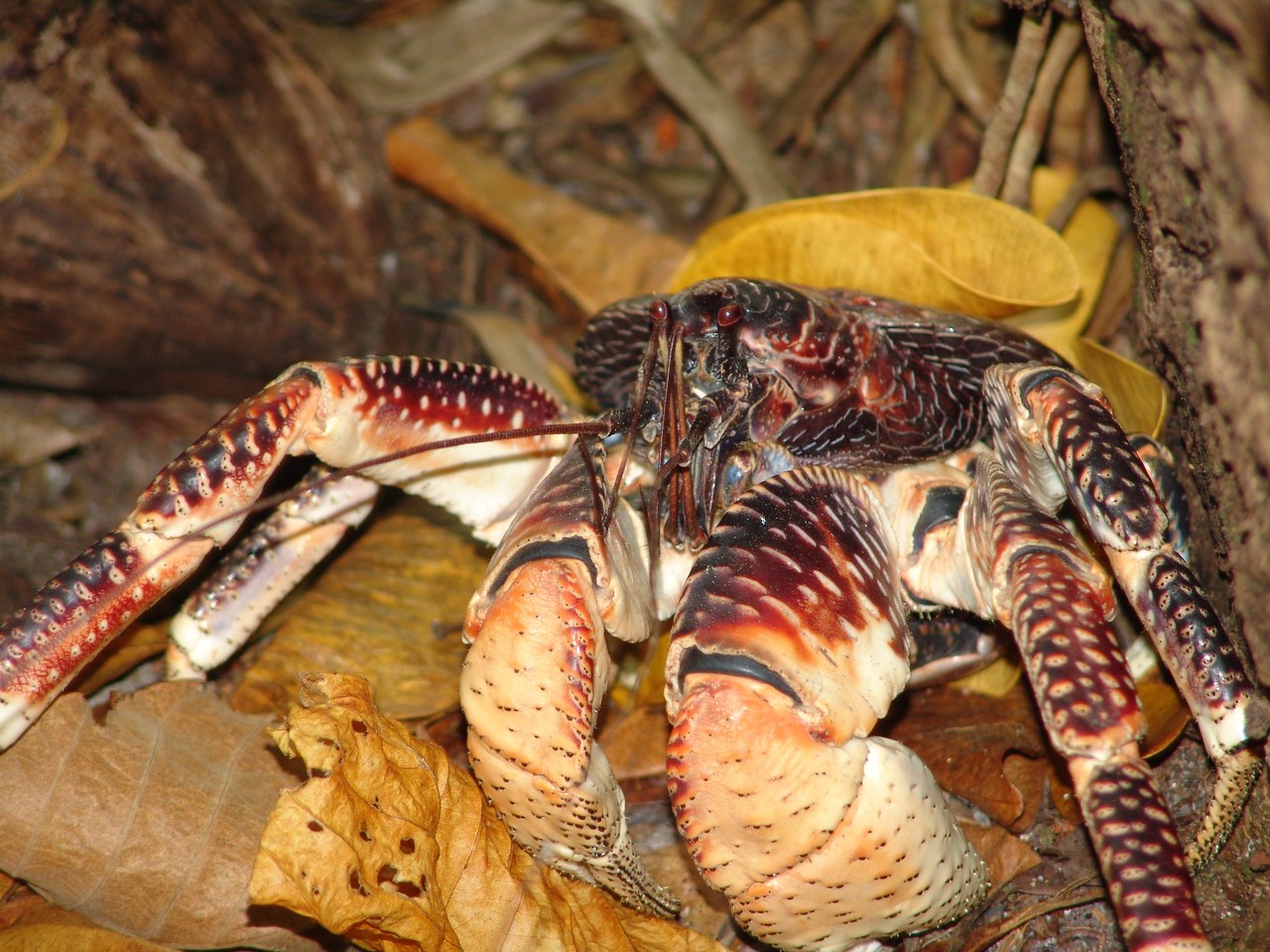
The coconut crab is the largest land-living arthropod in the world: a hermit crab that outgrows shells as a juvenile and spends its adult life on the forest floor of islands scattered across the Indian and Pacific Oceans, spanning up to about a metre from leg to leg. It climbs palms, feeds on fallen fruit, carrion and famously on coconuts, which it husks and cracks with its huge left claw. That claw is genuinely formidable — a 2016 study measured its pinch at up to about 3,300 newtons, a force in the same league as the bites of large predators. Yet the crab itself is slow, shy and entirely non-aggressive: the only realistic injury is a severe pinch to fingers that probe, grab or tease it. It is also vulnerable to over-collection and rated Vulnerable by the IUCN.
Goliath birdeater
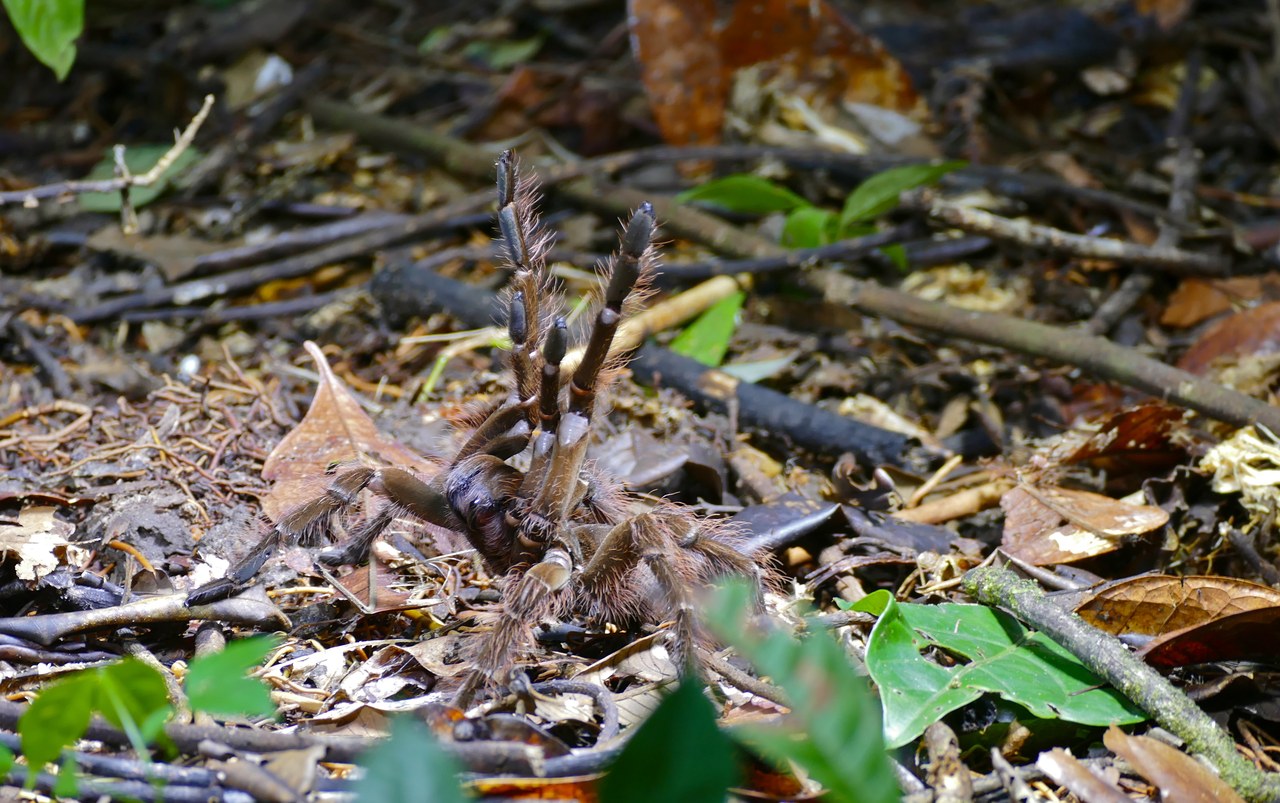
The Goliath birdeater of the rainforest floor in northern South America is among the heaviest spiders in the world, with a leg span that can approach 28 centimetres and a body the size of a small fist. Its alarming name comes from an eighteenth-century engraving showing one eating a hummingbird; in reality it mostly takes earthworms, frogs, large insects and the occasional small rodent, subduing them with fangs up to a few centimetres long. For all that bulk, the reality does not match the nightmare. Its venom is comparatively mild for people — often compared with a wasp sting — and it seldom bites. Its first line of defence is to kick a cloud of barbed, urticating hairs from its abdomen, which irritate skin and eyes and are best simply kept away from.
Japanese spider crab
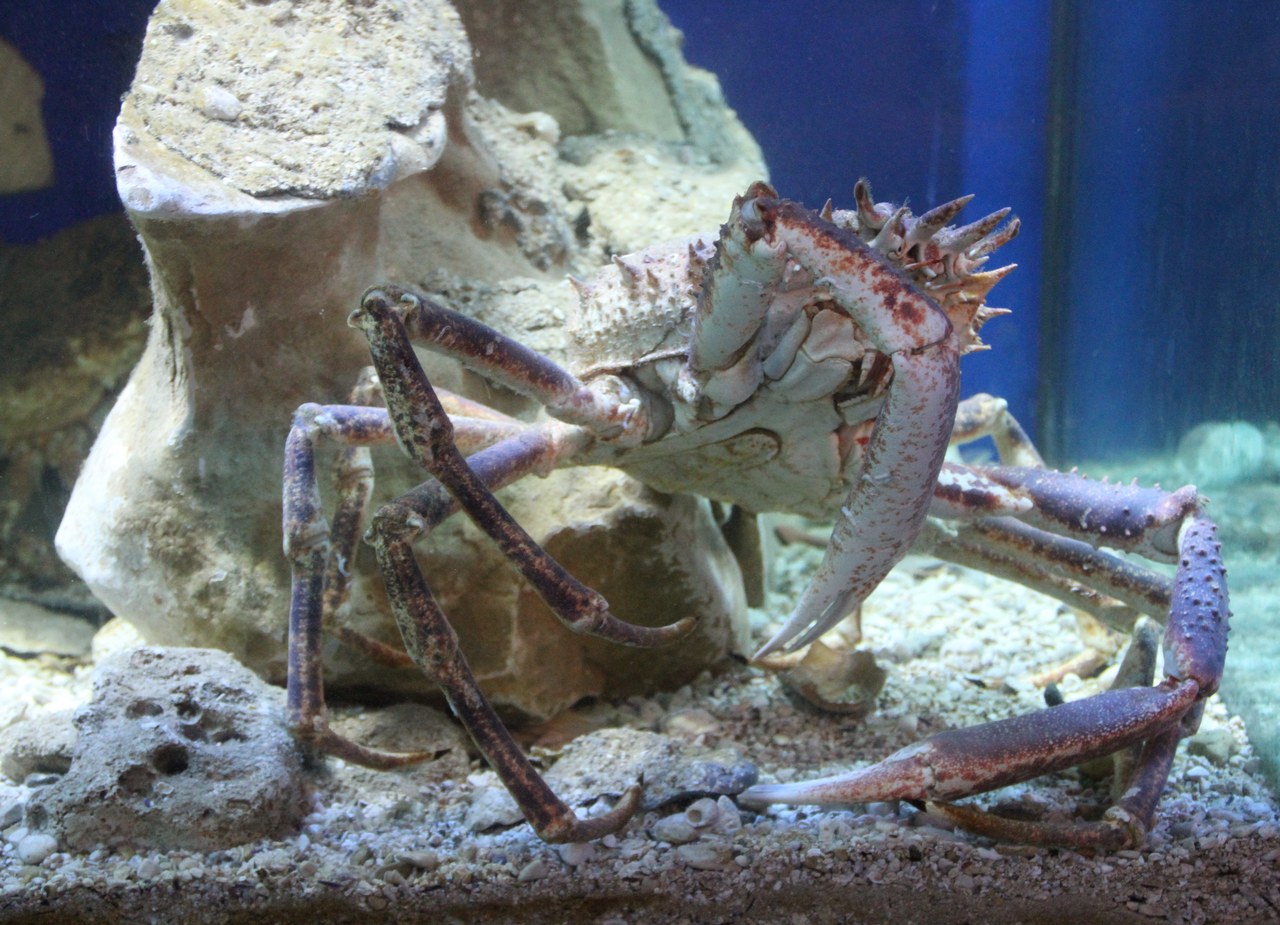
Stilt-walking across the deep seabed around Japan, the Japanese spider crab is the largest arthropod alive measured by span: up to about 3.7 metres from claw tip to claw tip, carried on ten spindly legs around a knobbly body only about forty centimetres across. It lives at depths of roughly 150 to 600 metres, scavenging dead animals and shelly invertebrates from the sediment, and it is thought to live for many decades. Face to face in an aquarium it looks like a creature from a horror film, all spikes and improbable proportions. In truth it is slow, gentle and completely harmless to people: no venom, no aggression, and claws suited to picking at carrion rather than fighting. It is occasionally caught by trawlers and prized as food in Japan — the danger runs entirely in the other direction.
Goblin shark
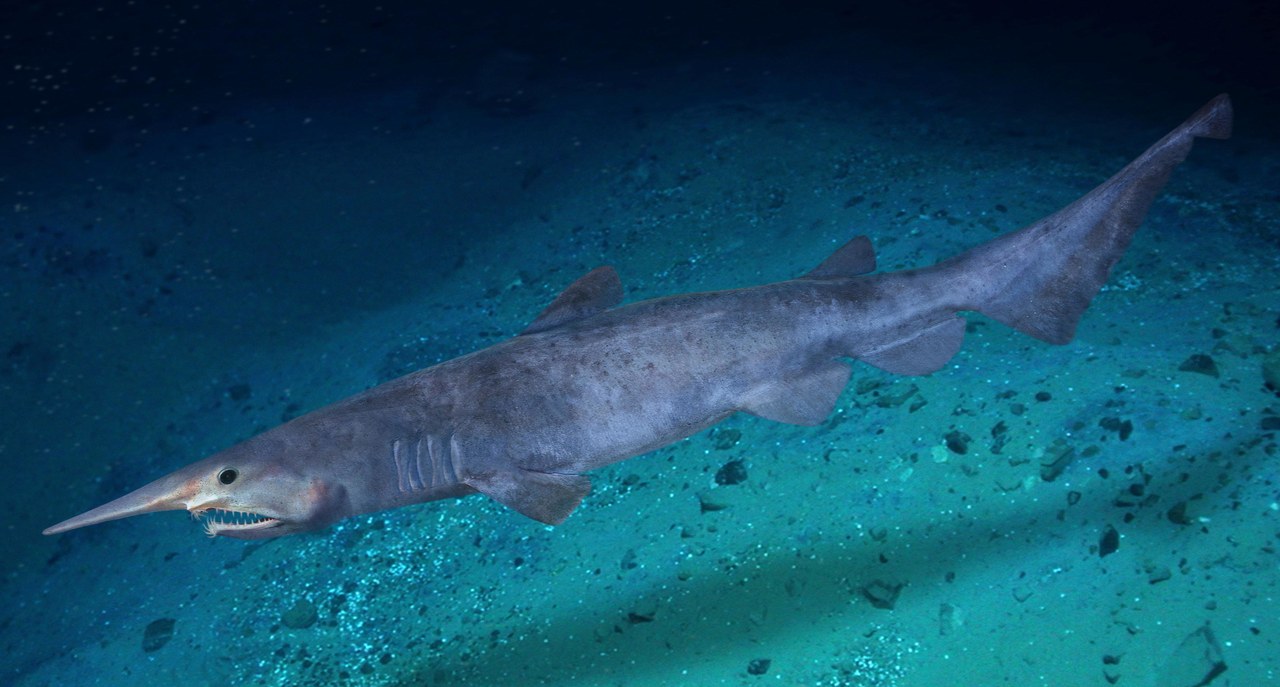
The goblin shark looks like a mistake from the deep past: a soft, flabby, pinkish-grey shark with a long, flattened blade for a snout and a set of jaws that, when prey is close, catapult forward out of its mouth to snap it up. It lives in deep water — generally between about 100 and 1,300 metres down — over continental slopes worldwide, and is most often recorded off Japan, where it was first described. The snout is covered in sensors that detect the faint electric fields of fish and squid in total darkness. Because it almost never comes near the surface, nearly everything known about it comes from specimens hauled up accidentally in deep nets and trawls. To people it is no danger at all: a living fossil we are lucky to glimpse, not a threat to fear.
Aye-aye
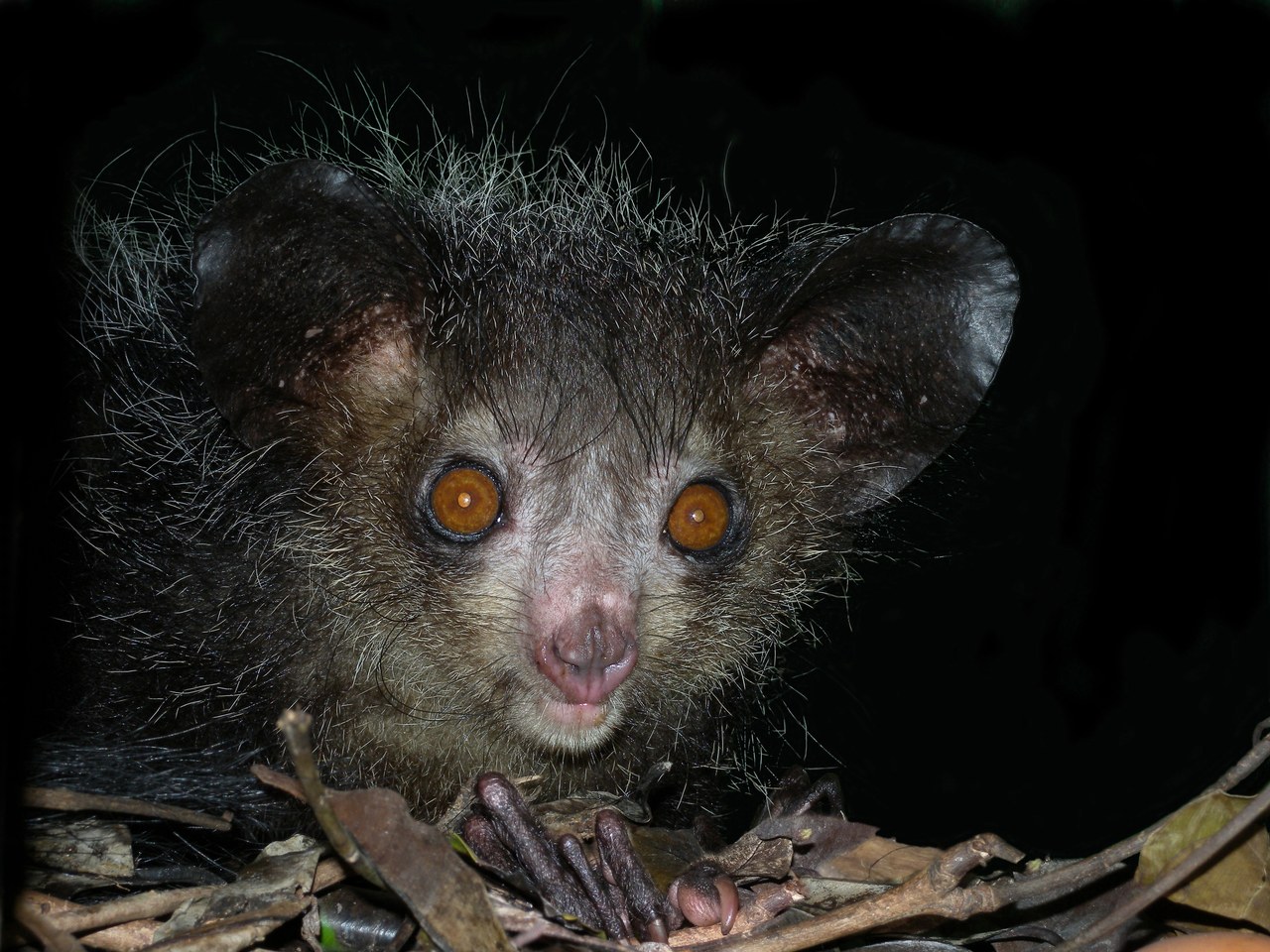
The aye-aye is a nocturnal lemur found only in Madagascar, and it looks assembled from spare parts: huge membranous ears, staring orange eyes, ever-growing front teeth like a rodent's, and one impossibly thin, ball-jointed middle finger on each hand. It uses that finger in a technique found in no other primate — tapping rapidly on dead wood, listening for hollow spaces where grubs tunnel, gnawing a hole, then hooking the insect out with the skeletal finger. None of this apparatus is aimed at us: the aye-aye eats insects, fruit and nectar, has no venom and no interest in people. The tragedy of its frightening face is that in parts of Madagascar it is traditionally considered an omen of death and is killed on sight — persecution that, along with forest loss, has left the species Endangered.
How to choose
Start with the real decision: who will use this, where, how often, and what would make the choice unsafe or disappointing? The following checks keep the shortlist practical.
- Judge risk by venom, size and behaviour — not by how an animal looks
- Never pick up small marine animals: the blue-ringed octopus is most dangerous in a hand
- Give territorial animals — hippos, cassowaries, nesting triggerfish — a wide, quiet berth
- In northern Australia's stinger season, swim only inside stinger nets and know vinegar first aid
- Watch all wildlife from a distance, and never feed, chase or corner any animal on this list
What to verify before you commit
Confirm the current specification, price or availability, terms, and seller or provider identity. For companies and services, request a written scope, named contact, references, and cancellation or warranty terms. For products, compare the unit price, compatibility, return window, and genuine support.
Editorial update
Scary is not the same as dangerous. This guide mixes animals that really can kill — a saltwater crocodile, a box jellyfish, a funnel-web spider — with animals that merely look the part, like the aye-aye and the goblin shark. Each entry states the real level of risk plainly, without exaggeration: what the animal can do, how encounters actually happen, and how they are avoided. No death tolls or attack statistics are quoted, because for most of these animals the commonly repeated figures cannot be traced to a reliable source.
Frequently asked questions
How should I use this guide?
Use the shortlist to define what matters to you, then verify current price, availability, rules, credentials, or catalogue details at the source before you decide.
Is this a fixed ranking?
No. The refreshed page is an editorial starting point organised by fit and evidence. The right choice depends on your use case, location, budget, and timing.
When will this page be updated?
VisitBest reviews time-sensitive details when reliable public information changes. Send corrections or newer source links to visitbest10@gmail.com.
Keep exploring
Lizard Species Guide: Major Groups, Habitats and Identification
Learn the major lizard groups, the features that distinguish them, and how to observe wild reptiles without disturbing them.
Game Birds: Species Groups, Habitats and Responsible Observation
An introductory guide to pheasants, partridges, quail, grouse, wild turkey, guinea fowl, and commonly included waterfowl.

Labrador Dog Price in India: Real Cost, Care and Responsible Adoption
Understand why Labrador puppy prices vary and budget for lifelong food, veterinary care, training, exercise, grooming, travel, and emergencies.