
VisitBest guide
Punjabi Sad Shayari: Original Reflective Lines with Meaning
Original Punjabi lines about distance, memory, and healing, presented in Gurmukhi with simple English meanings.
In this guide

At a glance
These lines are newly written for VisitBest. They avoid copied lyrics and are intended for personal reflection, not to romanticise prolonged distress.
- ਚੁੱਪ ਰਹਿ ਕੇ ਵੀ ਦਿਲ ਕਿੰਨੀ ਗੱਲ ਸੁਣਾਉਂਦਾ, ਤੇਰਾ ਨਾਮ ਆਵੇ ਤਾਂ ਸਮਾਂ ਰੁਕ ਜਾਂਦਾ। — Even in silence the heart tells many stories; time seems to pause when your name appears.
- ਰਾਹ ਵੱਖ ਹੋ ਗਏ, ਯਾਦਾਂ ਦਾ ਸ਼ਹਿਰ ਨਾ ਬਦਲਿਆ, ਦਿਨ ਤਾਂ ਲੰਘ ਗਿਆ ਪਰ ਦਿਲ ਦਾ ਪਹਿਰ ਨਾ ਬਦਲਿਆ। — Our roads separated, but the city of memories did not change.
- ਮੀਂਹ ਨੇ ਖਿੜਕੀ ਉੱਤੇ ਪੁਰਾਣੀ ਗੱਲ ਲਿਖੀ, ਮੈਂ ਹੱਸ ਕੇ ਮਿਟਾਈ ਪਰ ਅੱਖ ਫਿਰ ਵੀ ਭਿੱਜੀ। — Rain wrote an old story on the window; I erased it smiling, yet my eyes were wet.
- ਕੁਝ ਰਿਸ਼ਤੇ ਮੁੱਕ ਕੇ ਵੀ ਅੰਦਰ ਚੱਲਦੇ ਰਹਿੰਦੇ, ਅਸੀਂ ਅੱਗੇ ਵਧਦੇ ਹਾਂ, ਸਾਏ ਪਿੱਛੇ ਰਹਿੰਦੇ। — Some relationships continue inside us after ending; we move ahead while shadows remain.
Shortlist and comparison
| Original line | Meaning | Theme |
|---|---|---|
| ਚੁੱਪ ਰਹਿ ਕੇ ਵੀ ਦਿਲ ਕਿੰਨੀ ਗੱਲ ਸੁਣਾਉਂਦਾ, ਤੇਰਾ ਨਾਮ ਆਵੇ ਤਾਂ ਸਮਾਂ ਰੁਕ ਜਾਂਦਾ। | Even in silence the heart tells many stories; time seems to pause when your name appears. | Memory |
| ਰਾਹ ਵੱਖ ਹੋ ਗਏ, ਯਾਦਾਂ ਦਾ ਸ਼ਹਿਰ ਨਾ ਬਦਲਿਆ, ਦਿਨ ਤਾਂ ਲੰਘ ਗਿਆ ਪਰ ਦਿਲ ਦਾ ਪਹਿਰ ਨਾ ਬਦਲਿਆ। | Our roads separated, but the city of memories did not change. | Distance |
| ਮੀਂਹ ਨੇ ਖਿੜਕੀ ਉੱਤੇ ਪੁਰਾਣੀ ਗੱਲ ਲਿਖੀ, ਮੈਂ ਹੱਸ ਕੇ ਮਿਟਾਈ ਪਰ ਅੱਖ ਫਿਰ ਵੀ ਭਿੱਜੀ। | Rain wrote an old story on the window; I erased it smiling, yet my eyes were wet. | Letting go |
| ਕੁਝ ਰਿਸ਼ਤੇ ਮੁੱਕ ਕੇ ਵੀ ਅੰਦਰ ਚੱਲਦੇ ਰਹਿੰਦੇ, ਅਸੀਂ ਅੱਗੇ ਵਧਦੇ ਹਾਂ, ਸਾਏ ਪਿੱਛੇ ਰਹਿੰਦੇ। | Some relationships continue inside us after ending; we move ahead while shadows remain. | Healing |
| ਦਰਦ ਨੂੰ ਸ਼ਬਦ ਮਿਲੇ ਤਾਂ ਸਾਹ ਹੌਲਾ ਹੋਇਆ, ਰਾਤ ਲੰਮੀ ਸੀ ਪਰ ਸਵੇਰ ਦਾ ਰਾਹ ਖੁਲਿਆ। | When pain found words, breathing became easier; the long night still opened toward morning. | Hope |
| ਰਾਤ ਚੁੱਪ ਚਾਪ ਬੈਠੀ ਰਹੀ ਨਾਲ ਮੇਰੇ, ਸਵੇਰ ਨੇ ਆ ਕੇ ਹੌਲੀ ਜਿਹਾ ਹੱਥ ਫੜਿਆ। | The night sat quietly beside me, and morning came and gently took my hand. | Night and morning |
| ਸ਼ਾਮ ਦੀ ਬਾਰਿਸ਼ ਨੇ ਛੱਤ ਤੇ ਤਾਲ ਲਾਈ, ਮਿੱਟੀ ਦੀ ਖੁਸ਼ਬੂ ਨਾਲ ਦਿਲ ਥੋੜ੍ਹਾ ਹਲਕਾ ਹੋਇਆ। | The evening rain kept time on the roof, and with the scent of wet earth the heart grew a little lighter. | Rain |
| ਪੁਰਾਣਾ ਖ਼ਤ ਖੋਲ੍ਹਿਆ ਤਾਂ ਅੱਖਰ ਵੀ ਥੱਕੇ ਲੱਗੇ, ਪਰ ਉਸਦੀ ਦੁਆ ਅੱਜ ਵੀ ਉਵੇਂ ਦੀ ਉਵੇਂ ਮਿਲੀ। | When I opened the old letter, even its letters looked tired, yet its blessing felt exactly as it once did. | An old letter |
| ਰੇਲ ਚੱਲੀ ਤਾਂ ਪਲੇਟਫਾਰਮ ਪਿੱਛੇ ਰਹਿ ਗਿਆ, ਹੱਥ ਹਿਲਾਉਂਦਾ ਹੱਥ ਹੌਲੀ ਹੌਲੀ ਥੱਕ ਗਿਆ। | As the train moved on, the platform stayed behind, and the waving hand slowly grew tired. | A train farewell |
| ਮੌਸਮ ਬਦਲਿਆ ਤਾਂ ਪੱਤੇ ਵੀ ਰੰਗ ਬਦਲ ਗਏ, ਦਿਲ ਨੇ ਸਿੱਖਿਆ ਕਿ ਰੁਕਣਾ ਕਿਸੇ ਦੇ ਵੱਸ ਨਹੀਂ। | When the season changed, even the leaves changed colour, and the heart learned that stopping is in no one's hands. | Seasons changing |
| ਮੇਜ਼ ਉੱਤੇ ਇੱਕ ਕੁਰਸੀ ਅੱਜ ਵੀ ਖਾਲੀ ਰਹਿੰਦੀ, ਉਸਦੀ ਥਾਂ ਕੋਈ ਨਹੀਂ ਲੈਂਦਾ, ਬਸ ਯਾਦ ਹੀ ਬਹਿੰਦੀ। | One chair at the table still stays empty today; no one takes that place, only memory sits there. | An empty chair |
| ਰੇਡੀਓ ਉੱਤੇ ਪੁਰਾਣਾ ਗਾਣਾ ਵੱਜਿਆ ਤਾਂ ਰੁਕ ਗਿਆ, ਉਹ ਧੁਨ ਅੱਜ ਵੀ ਦਿਲ ਦੇ ਦਰਵਾਜ਼ੇ ਤੱਕ ਆਉਂਦੀ। | When an old song played on the radio I stopped; that tune still reaches the door of my heart. | A song on the radio |
| ਵਾਅਦਾ ਕਿਸੇ ਨੂੰ ਦੱਸੇ ਬਿਨਾਂ ਨਿਭਾ ਦਿੱਤਾ, ਚੁੱਪ ਚਾਪ ਕੀਤੀ ਨੇਕੀ ਦਿਲ ਨੂੰ ਸੁੱਖ ਦਿੱਤਾ। | I kept a promise without telling anyone; a kindness done quietly brought peace to the heart. | A promise kept quietly |
| ਮੁਸਕਰਾਹਟ ਵਾਪਸ ਆਈ ਤਾਂ ਡਰ ਵੀ ਲੱਗਿਆ, ਪਰ ਦਿਲ ਨੇ ਕਿਹਾ ਕਿ ਜੀਣਾ ਫਿਰ ਵੀ ਚੰਗਾ। | When the smile returned, there was fear too, but the heart said that living is still good. | Learning to smile again |
The brands in detail
Memory

“ਚੁੱਪ ਰਹਿ ਕੇ ਵੀ ਦਿਲ ਕਿੰਨੀ ਗੱਲ ਸੁਣਾਉਂਦਾ, ਤੇਰਾ ਨਾਮ ਆਵੇ ਤਾਂ ਸਮਾਂ ਰੁਕ ਜਾਂਦਾ।” Even in silence the heart tells many stories; time seems to pause when your name appears. Memory rarely arrives as one clear scene. More often it comes quietly in the middle of an ordinary day, when a name, a smell, or a familiar turning in the road brings back a person who is no longer near. The silence in this line is not emptiness; it is full of things left unsaid, conversations that ended too soon, and gratitude that never found the right moment.
Such memories can ache and comfort within the same minute, and both feelings are honest. This verse fits those quiet moments when remembering feels necessary rather than chosen. It does not ask anyone to stay inside the memory forever, only to acknowledge what it still means. If remembering brings comfort, keep it close; if it brings pain that will not ease, talking to someone trusted can help carry it.
Distance

“ਰਾਹ ਵੱਖ ਹੋ ਗਏ, ਯਾਦਾਂ ਦਾ ਸ਼ਹਿਰ ਨਾ ਬਦਲਿਆ, ਦਿਨ ਤਾਂ ਲੰਘ ਗਿਆ ਪਰ ਦਿਲ ਦਾ ਪਹਿਰ ਨਾ ਬਦਲਿਆ।” Our roads separated, but the city of memories did not change. Distance is strange because life goes on around it: days pass, work continues, seasons turn, and yet one part of the heart keeps living in a place built from shared memories. The roads in this line are not only physical roads between towns; they can be the different directions two lives have taken, through work, marriage, migration, or simply growing apart. Nothing in the verse blames either side, and that restraint matters.
Some separations happen without a villain, and grief for them is still real. This line suits anyone living far from someone they still think of daily. It gives the feeling a name without demanding a reunion, and without pretending that distance stops hurting. Staying in touch, when possible, and accepting the ache, when it is not, can both be part of living with distance.
Letting go

“ਮੀਂਹ ਨੇ ਖਿੜਕੀ ਉੱਤੇ ਪੁਰਾਣੀ ਗੱਲ ਲਿਖੀ, ਮੈਂ ਹੱਸ ਕੇ ਮਿਟਾਈ ਪਰ ਅੱਖ ਫਿਰ ਵੀ ਭਿੱਜੀ।” Rain wrote an old story on the window; I erased it smiling, yet my eyes were wet. Letting go is often described as a single decision, but in real life it is a repeated one. A person can choose to move on in the morning and still feel the old story return by evening, and that return is not failure. The smile in this line is genuine, not a performance: someone can be sincerely ready for a new chapter and still tear up at a reminder of the old one.
Wiping the window clean does not mean the rain never fell, and it does not mean the past is denied. It means the present is being given room. This verse fits the stage when the decision has been made but the feelings have not fully caught up. Letting go, here, is gentle work done over time, not a door slammed shut, and patience with oneself is part of it.
Healing
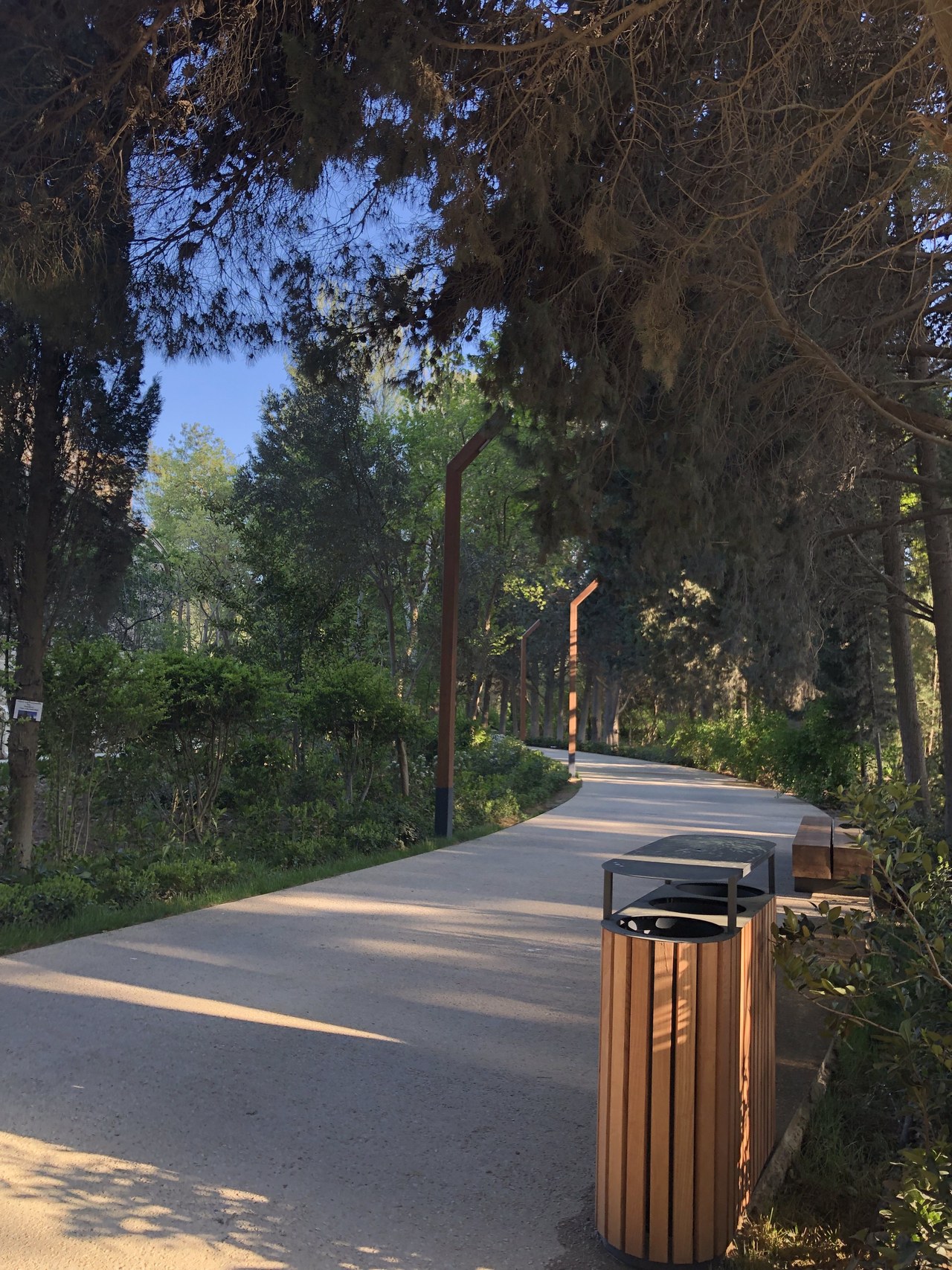
“ਕੁਝ ਰਿਸ਼ਤੇ ਮੁੱਕ ਕੇ ਵੀ ਅੰਦਰ ਚੱਲਦੇ ਰਹਿੰਦੇ, ਅਸੀਂ ਅੱਗੇ ਵਧਦੇ ਹਾਂ, ਸਾਏ ਪਿੱਛੇ ਰਹਿੰਦੇ।” Some relationships continue inside us after ending; we move ahead while shadows remain. Healing does not mean forgetting, and it does not mean the past stops mattering. It means the past stops deciding every day. A relationship that has ended can still live inside a person as a habit of thought, a way of speaking, or a tenderness that appears unexpectedly, and moving forward alongside those shadows is not dishonest.
The shadow in this line is not an enemy to be chased away; it is the trace of something that once mattered, growing fainter as new days accumulate. This verse fits the long middle of recovery, when life is functioning again but not yet light. It asks for no applause and no deadline. Walking a little further each day, keeping ordinary routines, and letting trusted people walk nearby are quieter, truer signs of healing than any sudden transformation.
Hope
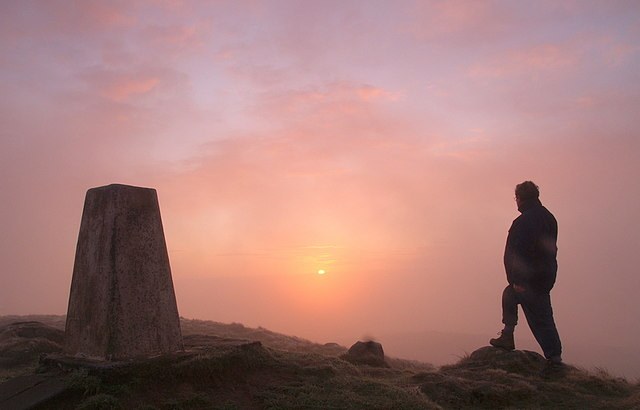
“ਦਰਦ ਨੂੰ ਸ਼ਬਦ ਮਿਲੇ ਤਾਂ ਸਾਹ ਹੌਲਾ ਹੋਇਆ, ਰਾਤ ਲੰਮੀ ਸੀ ਪਰ ਸਵੇਰ ਦਾ ਰਾਹ ਖੁਲਿਆ।” When pain found words, breathing became easier; the long night still opened toward morning. Hope in this line begins with something practical: finding words. Naming a feeling, whether in a diary, a letter, or a conversation with a trusted person, does not solve the problem behind it, but it can make the feeling smaller and easier to carry. Breathing becoming easier is a modest claim, and that modesty is the point.
The night in the verse is honestly long; the line does not pretend otherwise, and it does not promise that morning removes every difficulty. It says only that the way toward morning opened, which is enough to take the next step. This verse is for the moment when someone has finally spoken about what hurts. If sadness stays heavy or grows unmanageable, the page's own guidance applies: reach out to someone trusted rather than relying on a verse alone.
Night and morning

“ਰਾਤ ਚੁੱਪ ਚਾਪ ਬੈਠੀ ਰਹੀ ਨਾਲ ਮੇਰੇ, ਸਵੇਰ ਨੇ ਆ ਕੇ ਹੌਲੀ ਜਿਹਾ ਹੱਥ ਫੜਿਆ।” The night sat quietly beside me, and morning came and gently took my hand. Night-time sadness has its own character: the house is quiet, distractions fall away, and thoughts that were manageable by day grow larger in the dark. This line does not argue with the night or rush it away; it lets the night sit, like a companion that is difficult but present. Morning, when it comes, does not arrive with noise or triumph. It takes a hand gently, the way one might lead someone out of a dark room without hurrying them.
That gentleness matters, because a person who has spent a hard night rarely needs excitement; they need steadiness, light, and one ordinary thing to do next. This verse fits sleepless or heavy nights and the slow relief of dawn. It is companionship for the night, not a cure for it, and if nights stay very hard, talking to someone trusted remains the right step.
Rain

“ਸ਼ਾਮ ਦੀ ਬਾਰਿਸ਼ ਨੇ ਛੱਤ ਤੇ ਤਾਲ ਲਾਈ, ਮਿੱਟੀ ਦੀ ਖੁਸ਼ਬੂ ਨਾਲ ਦਿਲ ਥੋੜ੍ਹਾ ਹਲਕਾ ਹੋਇਆ।” The evening rain kept time on the roof, and with the scent of wet earth the heart grew a little lighter. Rain in sad poetry is often only a symbol of tears, but here it is also a sound and a smell: rhythm on a roof, and the fresh scent that rises when dry earth is first wetted. Those small sensory details are the point.
When feelings are heavy, attention often narrows to the worry itself; noticing rain, scent, and rhythm gives the mind somewhere else to rest for a while, without denying the sadness. The heart in this line grows only a little lighter, and that smallness is honest. No single evening fixes a loss or a separation. But small easings add up, and they are worth noticing. This verse fits monsoon evenings and quiet hours indoors, when the weather outside seems to keep company with the mood inside, and still leaves the air a little cleaner.
An old letter
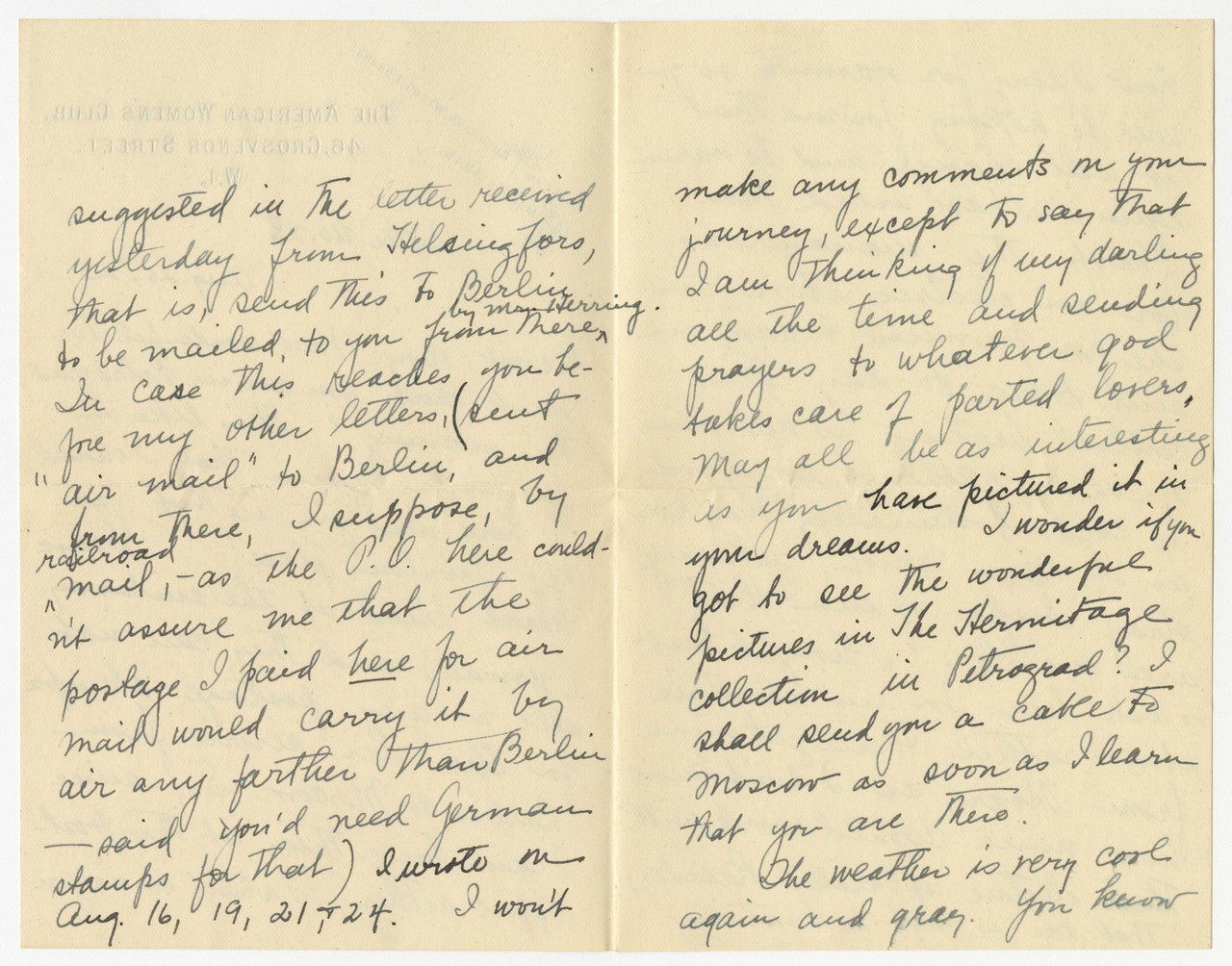
“ਪੁਰਾਣਾ ਖ਼ਤ ਖੋਲ੍ਹਿਆ ਤਾਂ ਅੱਖਰ ਵੀ ਥੱਕੇ ਲੱਗੇ, ਪਰ ਉਸਦੀ ਦੁਆ ਅੱਜ ਵੀ ਉਵੇਂ ਦੀ ਉਵੇਂ ਮਿਲੀ।” When I opened the old letter, even its letters looked tired, yet its blessing felt exactly as it once did. An old letter is different from a message on a phone. It carries handwriting, crossings-out, and the time someone took to sit and write, and it survives long after the moment it was written. Opening one can feel like meeting a younger version of both the writer and the reader. The tired letters in this line acknowledge that years have passed and people have changed, perhaps beyond recognition.
Yet the blessing, the goodwill at the heart of the letter, has not aged. That is why old letters are kept in drawers and boxes even when they are rarely read: they are proof that care once existed in a tangible form. This verse fits anniversaries, clear-outs, and quiet evenings of remembering. It honours the past without asking anyone to live in it.
A train farewell
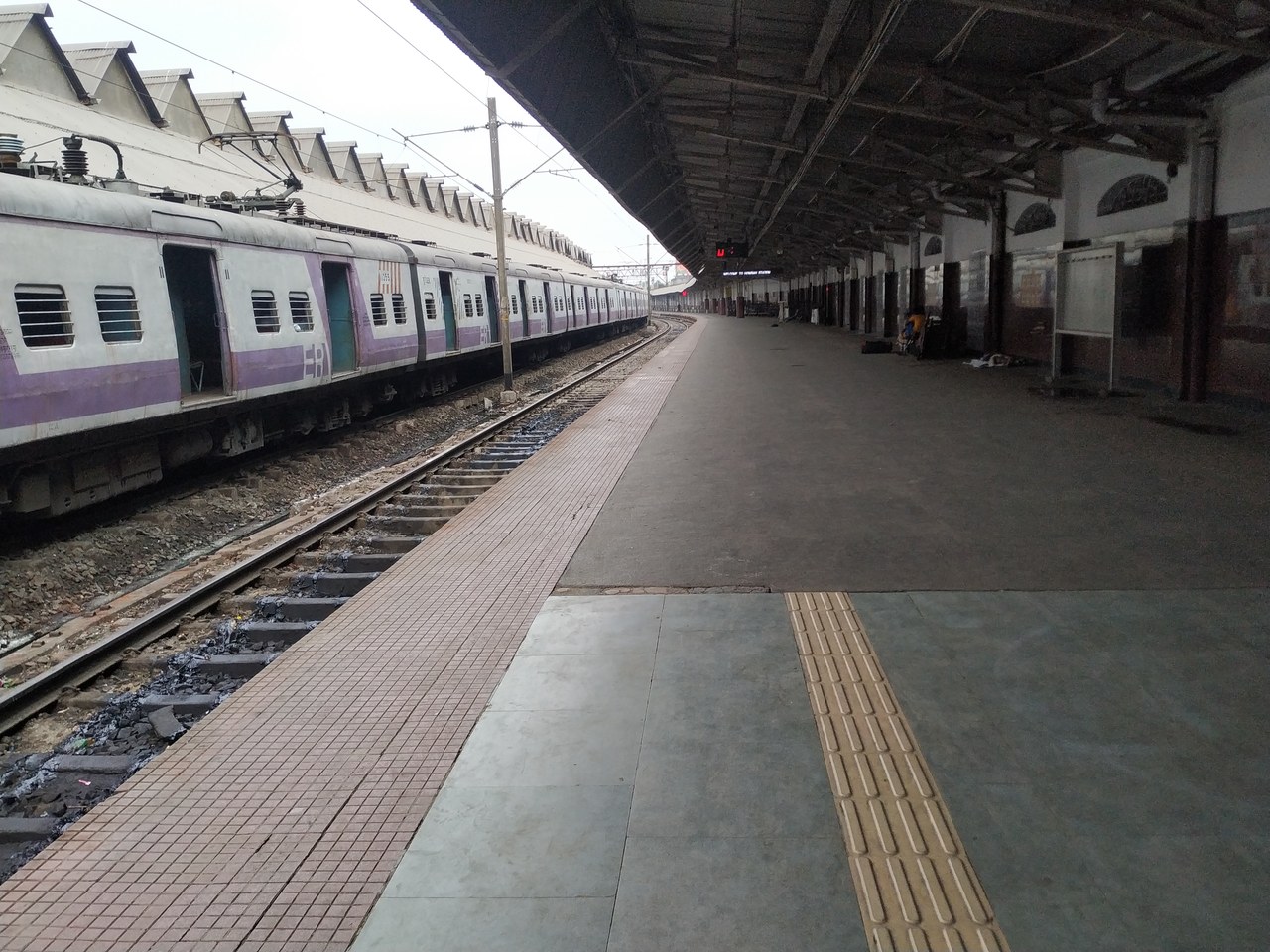
“ਰੇਲ ਚੱਲੀ ਤਾਂ ਪਲੇਟਫਾਰਮ ਪਿੱਛੇ ਰਹਿ ਗਿਆ, ਹੱਥ ਹਿਲਾਉਂਦਾ ਹੱਥ ਹੌਲੀ ਹੌਲੀ ਥੱਕ ਗਿਆ।” As the train moved on, the platform stayed behind, and the waving hand slowly grew tired. A farewell at a station has a particular ache because it is both final and ordinary: the train follows a timetable, the platform stays where it is, and the people left behind must walk back through the same gate they entered. The tired hand in this line is not dramatic; it is the honest detail of someone who kept waving until waving no longer reached anyone.
That is how many partings actually feel, not like a scene, but like a small physical tiredness after the moment has passed. This verse fits departures for work, study, or a new life elsewhere, and the return journey home afterwards. It does not promise a reunion or close the story. It simply stays with the platform for a moment longer, which is sometimes all that a farewell needs.
Seasons changing
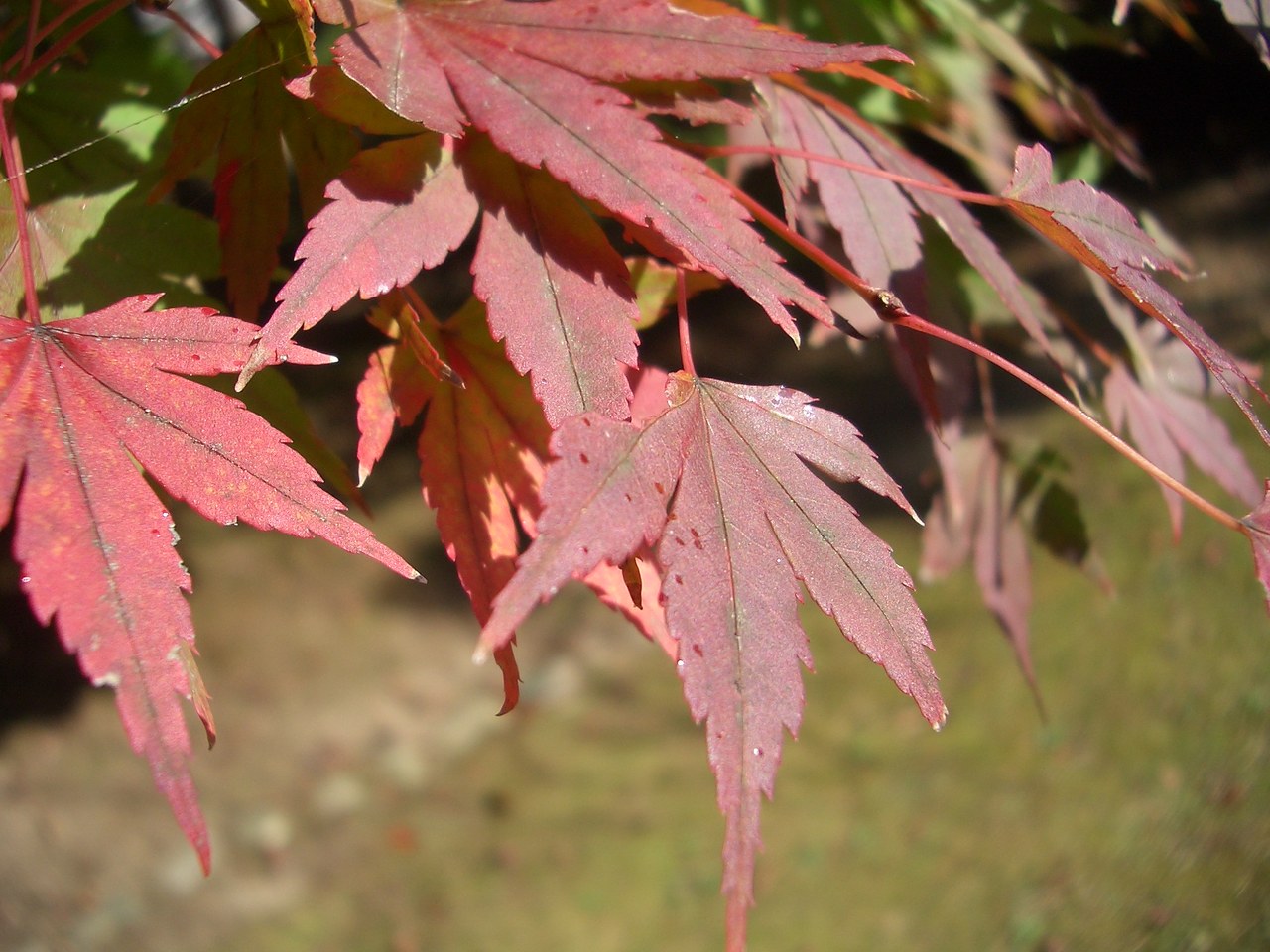
“ਮੌਸਮ ਬਦਲਿਆ ਤਾਂ ਪੱਤੇ ਵੀ ਰੰਗ ਬਦਲ ਗਏ, ਦਿਲ ਨੇ ਸਿੱਖਿਆ ਕਿ ਰੁਕਣਾ ਕਿਸੇ ਦੇ ਵੱਸ ਨਹੀਂ।” When the season changed, even the leaves changed colour, and the heart learned that stopping is in no one's hands. Seasons change whether anyone is ready or not, and that can feel unfair when life already feels unsteady. Yet the same fact can also bring relief: a season that hurts does not last forever, because no season does. The leaves in this line do not resist their change of colour; they simply change, and the tree remains.
People are not trees, and the verse does not ask anyone to accept loss passively or to pretend change is easy. It observes a gentler truth, that holding everything exactly as it was is not within anyone's power, and that letting time move is sometimes the only honest option. This verse fits the turn of a year, a move, or a stage of life ending. It offers the seasons as company, not as advice.
An empty chair
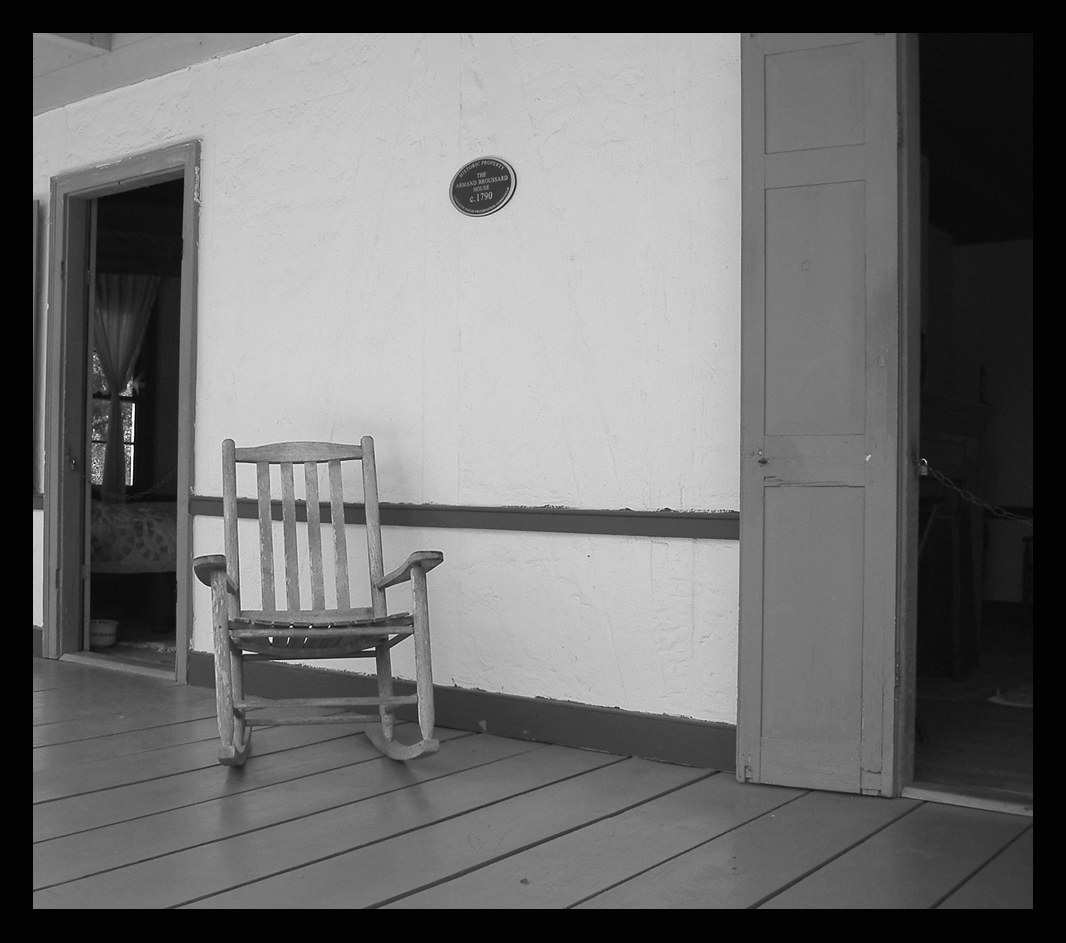
“ਮੇਜ਼ ਉੱਤੇ ਇੱਕ ਕੁਰਸੀ ਅੱਜ ਵੀ ਖਾਲੀ ਰਹਿੰਦੀ, ਉਸਦੀ ਥਾਂ ਕੋਈ ਨਹੀਂ ਲੈਂਦਾ, ਬਸ ਯਾਦ ਹੀ ਬਹਿੰਦੀ।” One chair at the table still stays empty today; no one takes that place, only memory sits there. An empty chair is one of the plainest signs of absence, because it appears at the most ordinary moments: meals, festivals, and family evenings when everyone else is present. No one needs to explain it; the family simply leaves the place, or avoids it, and the gap does the speaking. The line does not fill the chair with a replacement or a lesson.
It allows memory to sit there, which is how many families actually live with loss: the person is spoken of, their habits remembered, and the chair respected rather than hurriedly reused. This verse fits homes where someone is deeply missed, especially at gatherings. It is written with restraint, because grief at a table deserves quiet rather than display. If the emptiness feels unmanageable, the page's guidance stands: reach out to someone trusted.
A song on the radio

“ਰੇਡੀਓ ਉੱਤੇ ਪੁਰਾਣਾ ਗਾਣਾ ਵੱਜਿਆ ਤਾਂ ਰੁਕ ਗਿਆ, ਉਹ ਧੁਨ ਅੱਜ ਵੀ ਦਿਲ ਦੇ ਦਰਵਾਜ਼ੇ ਤੱਕ ਆਉਂਦੀ।” When an old song played on the radio I stopped; that tune still reaches the door of my heart. Music has a way of bypassing careful thought. A tune heard by chance, while cooking, driving, or passing a shop, can open a door that words alone could not, and suddenly a whole period of life is present again. The stopping in this line is involuntary: the listener does not choose to remember, the song chooses for them.
That can be painful, and it can also be tender, because the tune carries not only the person who is missed but also the time when things were whole. This verse names no particular song, and it should not be read as referring to any one recording. It is about the experience itself, which belongs to whoever hears it. If a song brings comfort, let it play; if it brings pain that lingers, it is all right to turn it off.
A promise kept quietly

“ਵਾਅਦਾ ਕਿਸੇ ਨੂੰ ਦੱਸੇ ਬਿਨਾਂ ਨਿਭਾ ਦਿੱਤਾ, ਚੁੱਪ ਚਾਪ ਕੀਤੀ ਨੇਕੀ ਦਿਲ ਨੂੰ ਸੁੱਖ ਦਿੱਤਾ।” I kept a promise without telling anyone; a kindness done quietly brought peace to the heart. Not every promise is announced. Some are kept in private: a debt repaid without mention, a visit made without photographs, care given to someone who will never know the cost of it. There is a particular peace in that privacy, because the act does not need applause to be real, and it cannot be taken away by anyone else's opinion.
In a sadder season, such a quiet promise can also be a way of honouring someone who is gone, by living in the way they would have valued. The peace in this line is not triumph; it is the calm that follows doing the right thing without display. This verse fits moments of private resolve, when a person chooses faithfulness over recognition. It reminds the reader that goodness does not need a witness to count, and that quiet integrity is its own reward.
Learning to smile again
“ਮੁਸਕਰਾਹਟ ਵਾਪਸ ਆਈ ਤਾਂ ਡਰ ਵੀ ਲੱਗਿਆ, ਪਰ ਦਿਲ ਨੇ ਕਿਹਾ ਕਿ ਜੀਣਾ ਫਿਰ ਵੀ ਚੰਗਾ।” When the smile returned, there was fear too, but the heart said that living is still good. Smiling again after a sad time can feel strangely frightening, as though happiness might betray the person or the period that was lost. That fear is common and deserves to be named rather than hidden. A returning smile does not erase grief, and it does not mean the loss mattered less; it means life is making room again, alongside what was lost, not instead of it.
The heart's answer in this line is deliberately simple: living is still good. It is not a claim that everything is fine, only that goodness has not entirely left. This verse fits the first ordinary happy moment after a hard season, a laugh that surprises the person laughing. It should be received gently, without pressure to stay cheerful, and if sadness still dominates, support from a trusted person matters more than any verse.
How to choose
Start with the real decision: who will use this, where, how often, and what would make the choice unsafe or disappointing? The following checks keep the shortlist practical.
- Use original lines rather than copied lyrics
- Keep the English meaning with translations
- Reach out to someone you trust when sadness feels unmanageable
- Do not use a quote in place of needed support
What to verify before you commit
Confirm the current specification, price or availability, terms, and seller or provider identity. For companies and services, request a written scope, named contact, references, and cancellation or warranty terms. For products, compare the unit price, compatibility, return window, and genuine support.
Editorial update
These lines are newly written for VisitBest. They avoid copied lyrics and are intended for personal reflection, not to romanticise prolonged distress.
Frequently asked questions
How should I use this guide?
Use the shortlist to define what matters to you, then verify current price, availability, rules, credentials, or catalogue details at the source before you decide.
Is this a fixed ranking?
No. The refreshed page is an editorial starting point organised by fit and evidence. The right choice depends on your use case, location, budget, and timing.
When will this page be updated?
VisitBest reviews time-sensitive details when reliable public information changes. Send corrections or newer source links to visitbest10@gmail.com.
Keep exploring
Punjabi Motivational Shayari on Life: Original Lines with Meaning
Original Punjabi motivational couplets in Gurmukhi with simple English meanings for captions, reflection, and encouragement.

Best Digital Photography Books: A Reading Path from Exposure to Visual Storytelling
An ordered reading path combining exposure and composition manuals, classic monographs, portrait and project books, and critical writing about how…

Top 6 Yoga Mats: Choose the Right Grip, Cushion and Material
Compare yoga mats by practice style, grip when dry or sweaty, thickness, density, size, material, odour, cleaning, and carrying weight.