
VisitBest guide
Top 14 Bike Racks for Cars: Roof, Hitch and Trunk Options Compared
Choose a cycle carrier by car compatibility, number and weight of bikes, loading height, frame contact, security, visibility, and local regulations.
In this guide
At a glance
A rack must be approved for both the vehicle and the bicycle load. Confirm roof limits, hitch ratings, hatch clearance, lights, and number-plate visibility before driving.
- Roof-mounted rack — Keeps rear access clear
- Hitch platform rack — Stable support and easy loading
- Hitch hanging rack — Multiple conventional-frame bikes
- Trunk-mounted rack — Occasional use without a hitch
Shortlist and comparison
| Option | Best for | What to verify |
|---|---|---|
| Roof-mounted rack | Keeps rear access clear | Loading height, roof rating, and overhead clearance |
| Hitch platform rack | Stable support and easy loading | Compatible rated hitch and rear clearance |
| Hitch hanging rack | Multiple conventional-frame bikes | Frame contact and adapter needs |
| Trunk-mounted rack | Occasional use without a hitch | Exact vehicle fit and paint protection |
| Spare-wheel rack | Some rear-spare SUVs | Wheel mount design and door operation |
| Pickup-bed carrier | Bikes transported in a pickup | Fork, wheel, or tailgate protection method |
| Towball-mounted rack | Platform carrier clamped on a towball | Towball nose weight and light board |
| Racks for e-bikes and heavy bikes | Higher per-bike limits and low loading | Per-bike weight, tray width, and battery removal |
| Choosing by body style: hatchback, sedan or SUV | Fit follows the car's shape | Hatch clearance, spoiler fit, and rear access |
| Inside-car carriers | Bikes carried inside the cabin or boot | Folded seats, wheel removal, and securing the load |
| Security, locks and anti-theft | Keeping bikes and rack on the car | Locking points, cables, and unattended stops |
| Number plate, lights and visibility | Staying legal with a loaded rear rack | Plate and light board, indicators, and reflectors |
| Weight limits and ratings | The numbers that decide safety | Car limit, hitch limit, and rack limit together |
| Care, fitting checks and storage | Keeping the rack safe season after season | Strap checks, cleaning, and dry storage |
This post contains affiliate links. As an Amazon Associate, we earn from qualifying purchases. This does not affect our editorial independence.
The brands in detail
Roof-mounted rack
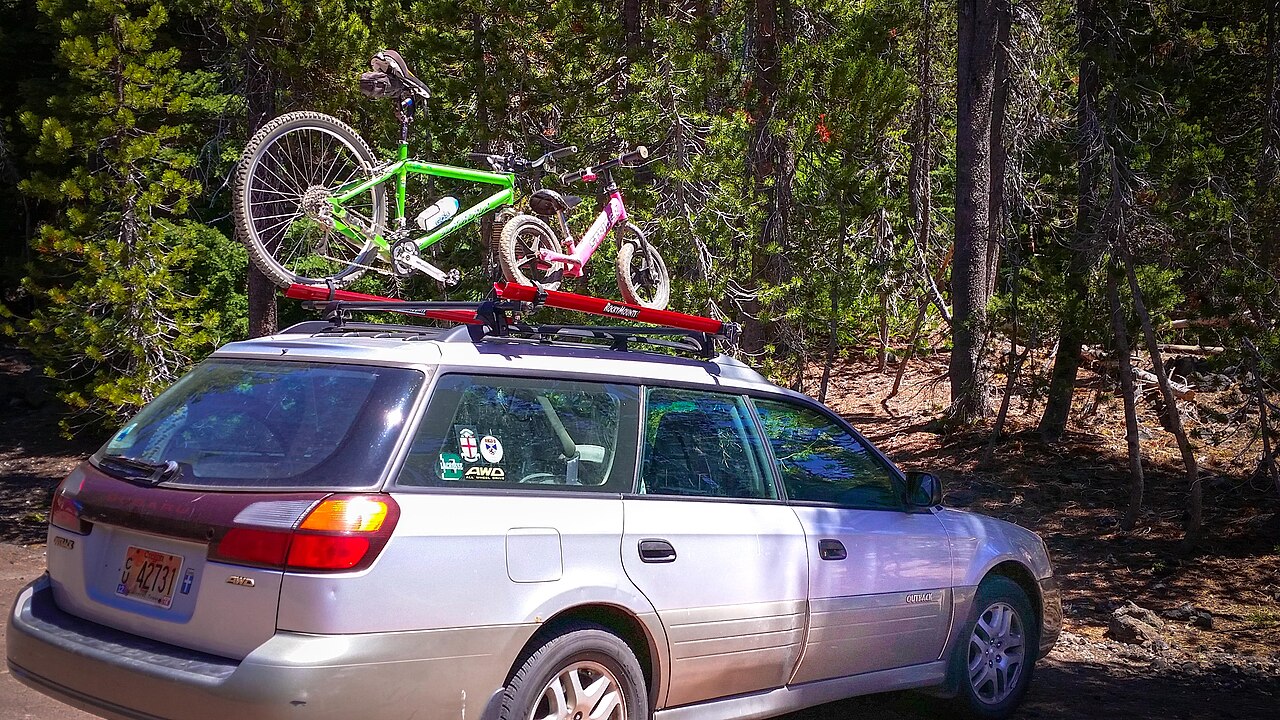
A roof-mounted rack carries bikes upright on crossbars fitted to the car's roof rails or to approved roof-rack feet. Each bike is held by its frame, fork or front wheel, so the boot, rear doors, lights and number plate stay completely clear, and the rack never touches the rear of the car. The costs are lifting every bike to roof height, which is harder with heavy bikes and tall cars, checking the car's roof load rating against the combined weight of crossbars, rack and bikes, accepting more wind noise and fuel use, and remembering the extra height at multi-storey car parks, height barriers, toll plazas and low branches.
Loading technique matters: lift with the legs, stand close to the car, and use a small step if the maker allows it, rather than twisting with the bike overhead. Fork-mount versions need the front wheel carried separately, usually on the roof or inside the car, while wheel-on versions hold both wheels and suit quick loading. A roof rack suits regular riders with a suitable roof system who value clear rear access, unobstructed reversing cameras and the freedom to open the boot at every stop.
Hitch platform rack
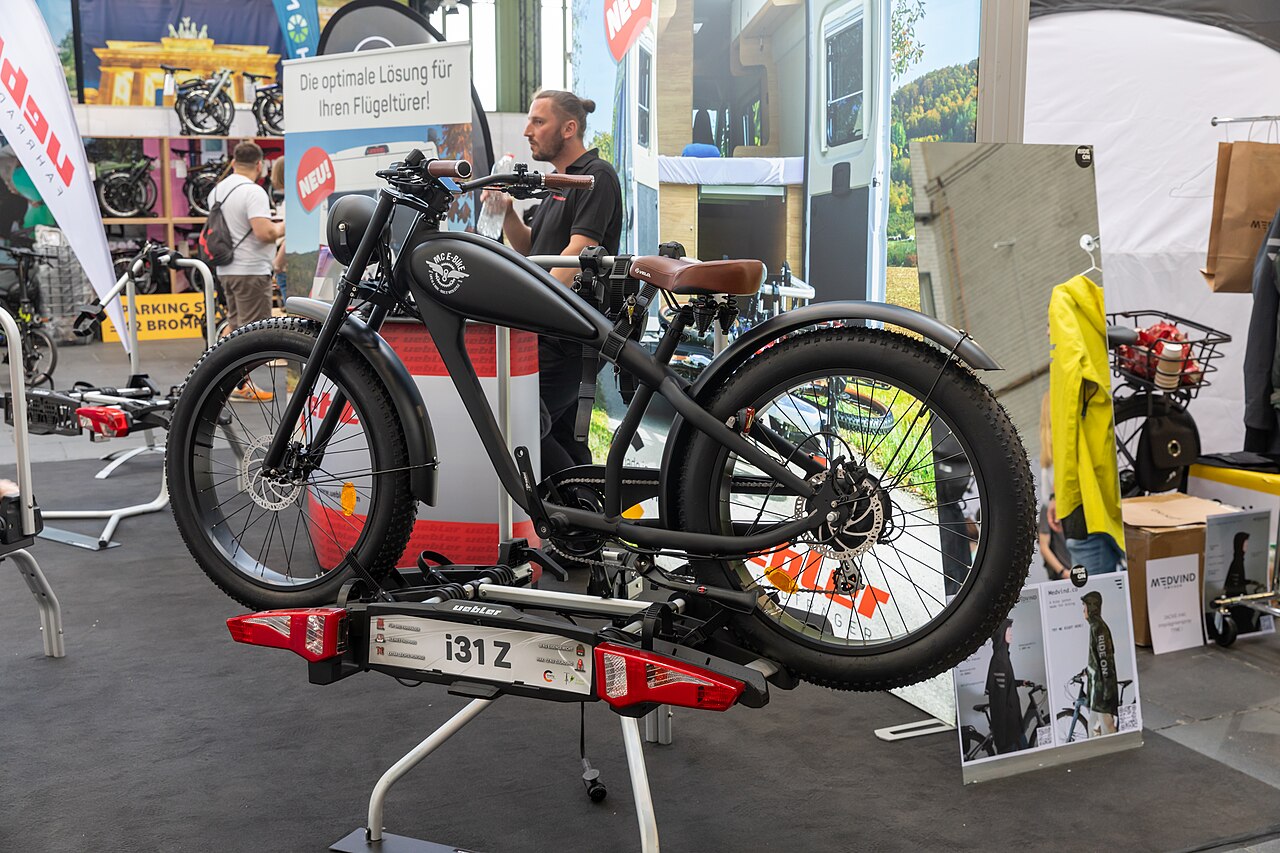
A hitch platform rack slots into a rated tow hitch receiver and carries bikes on wheel trays, with each bike supported under its tyres and held by a wheel hook or a padded frame arm. Loading is low and easy because bikes roll or lift a short distance onto the trays, bikes sit apart without touching each other, and many models tilt away for boot access or fold up against the car when empty. Wheel support rather than frame hanging makes this the friendliest type for carbon frames, step-through frames and unusual frame shapes, provided the wheel hook or arm contacts only where the maker intends.
It only works on a vehicle fitted with a correctly rated hitch, which is uncommon on Indian cars, and buyers must check the combined weight of rack and bikes against the hitch limit, confirm the tray length suits the bikes' wheelbases, and check whether lights and the number plate remain visible or whether the rack provides its own plate holder and light board. Ground clearance on steep ramps and driveway aprons also deserves a check, because a loaded platform extends well behind the rear wheels.
Hitch hanging rack
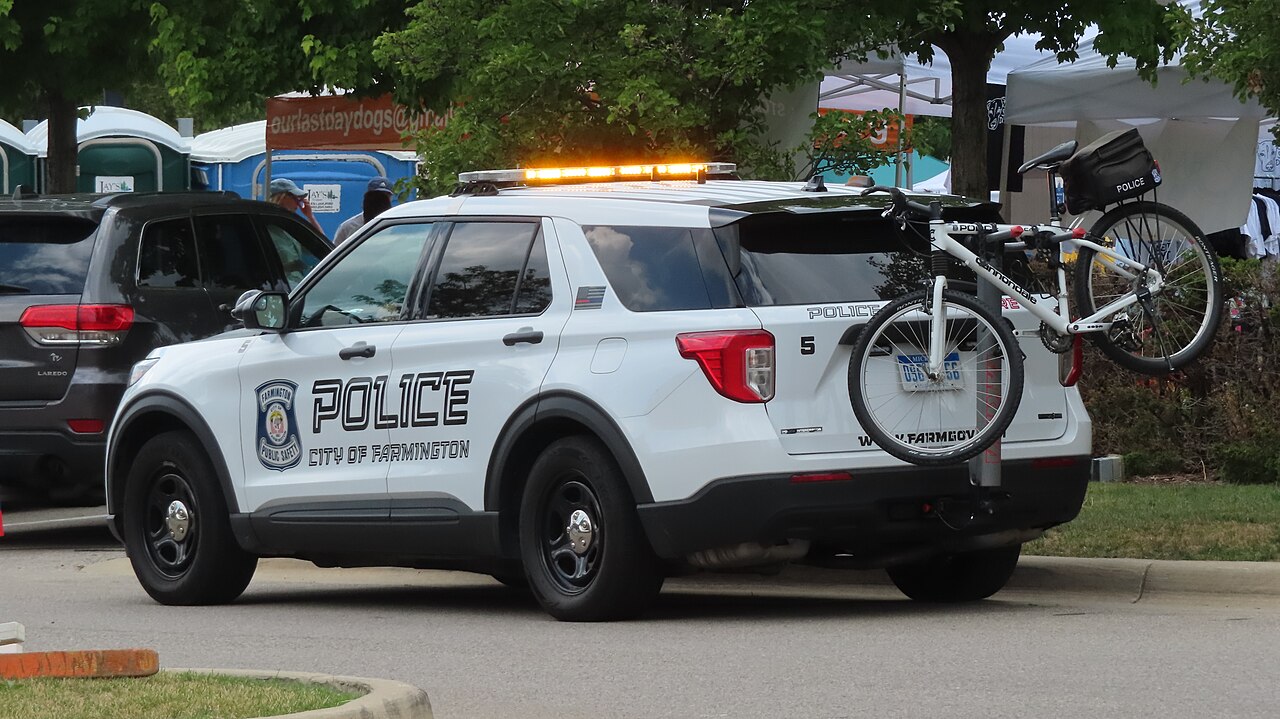
A hitch hanging rack slots into a tow hitch receiver and carries bikes hanging from two support arms, with the frames resting in cradles and held in place by straps. It can carry several conventional-frame bikes in a compact, relatively light package, costs less in structure than a platform of the same capacity, and often tilts for boot access or folds flat for storage. The compromises follow from hanging the bikes by their frames.
Frames touch the cradles, so padding and careful strap tension matter, bikes can sway or rub against each other on rough roads unless an anti-sway device or extra straps are used, and step-through, small, sloping or unusual frames may need an adapter bar to sit level. The order in which bikes are loaded changes how handlebars and pedals interlock, so a trial loading at home is worthwhile before a long trip.
Like every hitch rack it needs a correctly rated hitch fitted to the car, and the total weight of rack and bikes, the security of the hitch pin, and the visibility of lights and number plate must all be checked before driving.
Featured model: Allen Sports 3-Bike Hitch Racks for 1 1/4 in. and 2 in. Hitch
Trunk-mounted rack

A trunk-mounted rack straps and hooks onto the boot lid, hatch or rear door, with padded feet resting against the car and bikes held on a pair of support arms. It needs no hitch and no roof bars, folds flat for storage in a corner or inside the boot, and is the easiest type to buy and fit in India for occasional trips to a trailhead or a holiday rental. That convenience rests entirely on fit.
The maker must approve the rack for the exact car, because hook positions, strap angles and foot placement are worked out model by model, and glass edges, plastic spoilers and thin panels cannot take strap loads. All contact points should be clean before fitting so trapped grit does not grind the paint, straps must be tensioned evenly and rechecked after the first few kilometres and at every stop, and padding should protect both the car's finish and the bikes' frames.
Boot access is usually blocked while the rack is fitted, the rear wiper and spoiler can rule some cars out, extra care is needed so the bikes do not hide the lights or number plate, and the rack should come off when it is not in use.
Featured model: Universal Rear Mounted Car Bike Rack for SUVs, Sedans and Hatchbacks - Safely Carries 3 Bikes
Spare-wheel rack
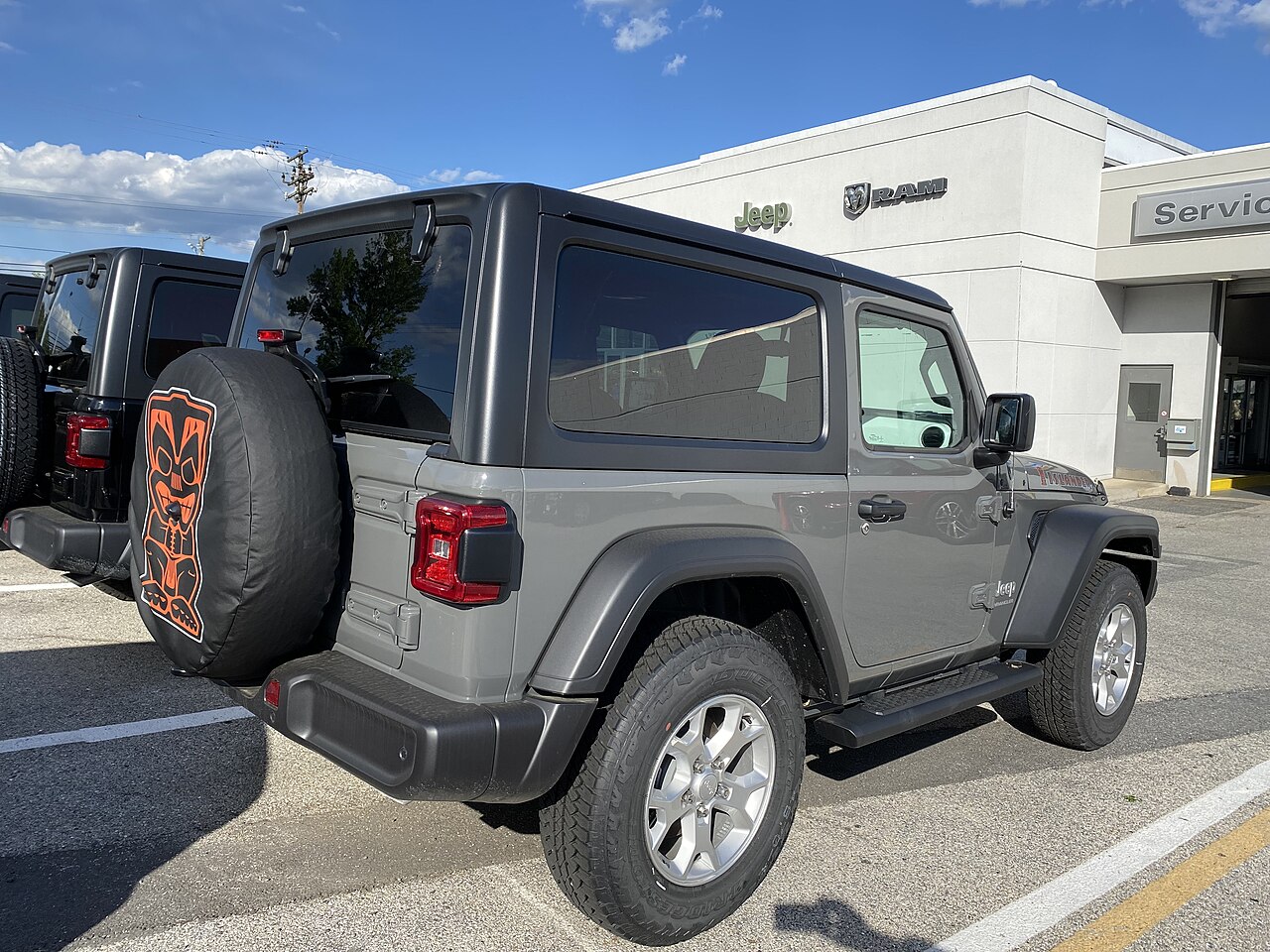
A spare-wheel rack mounts over or through the rear spare wheel fitted to SUVs with a tailgate-mounted spare, using the wheel and its carrier as the support instead of a hitch or straps on body panels. Bikes sit on carry arms behind the spare, keeping the roof free and the tow point unobstructed, which is why this type appeals to off-road tourers who already rely on the rear spare. The spare, its mounting and the rear door hinges then carry the extra load, so the wheel's condition and tightness, the carrier's rating, the total added weight and the door's operation must all be checked carefully.
On many vehicles the tailgate will not swing fully with bikes loaded, and the rack itself may need partial removal before the spare can be used, which is worth practising at home rather than discovering in the rain. Bikes sit high and far back, so loading needs a firm stance, lights and the number plate must remain visible behind the wheels and frames, and the whole assembly should be checked for movement after the first stretch of rough road, because a heavy spare carrier flexes more than a rigid hitch.
Featured model: Allen Sports Deluxe 2-Bike Spare Tire Rack, Black
Pickup-bed carrier
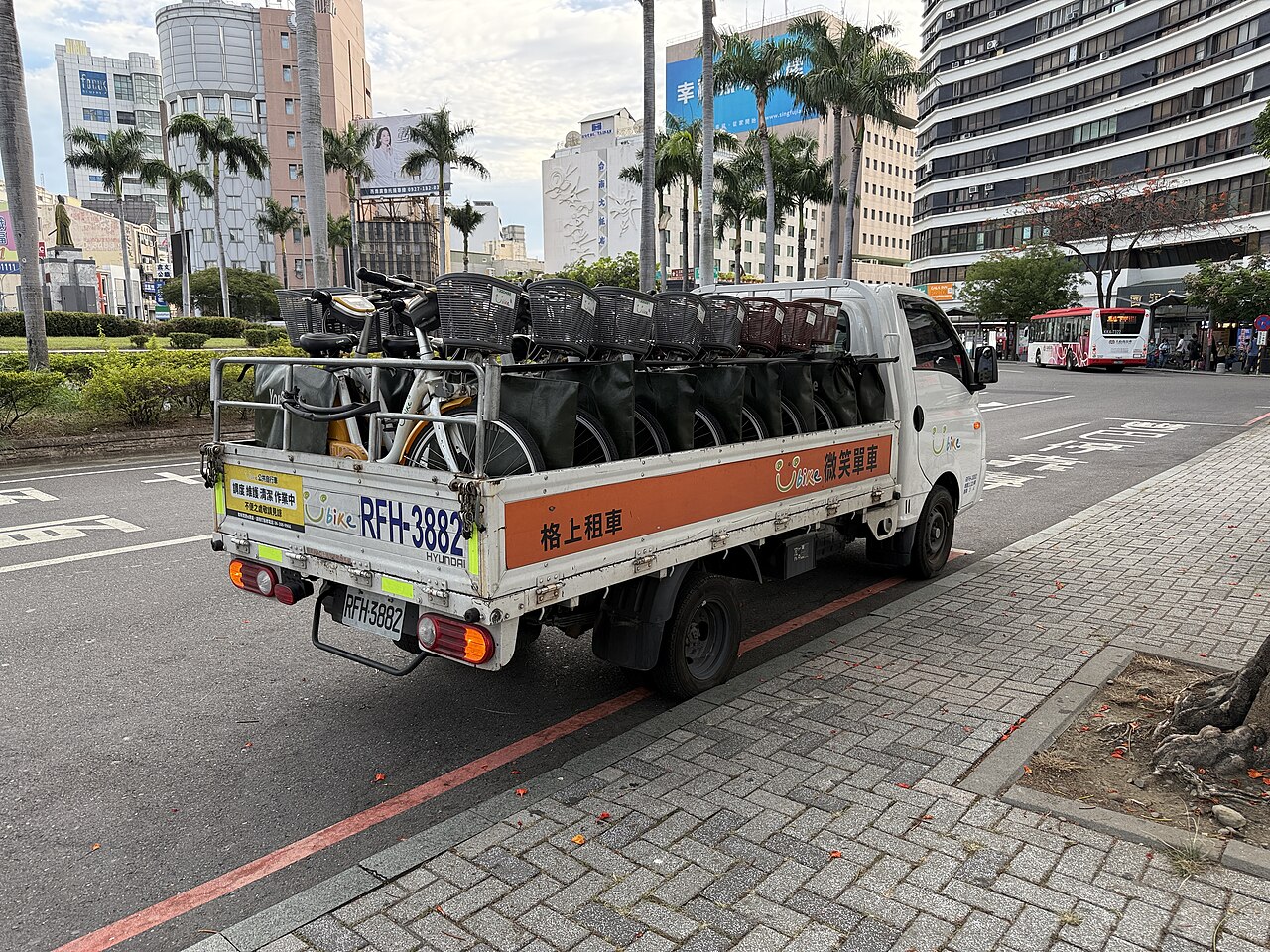
A pickup-bed carrier carries bikes inside the load bed of a pickup such as a Hilux or V-Cross, either upright on fork or wheel mounts fixed across the bed, or with the front wheel over the tailgate on a padded tailgate pad. Bikes stay largely out of the airflow, no hitch or roof system is needed, loading is at waist height, and several bikes can line up side by side with their front wheels turned or removed to save space. The bed itself does the carrying, so the checks are about protection and security rather than ratings alone.
Forks, down tubes, bed rails and the tailgate need padding wherever they touch, because an unpadded edge will rub paint and carbon on a long drive. Bikes should be strapped so they cannot bounce or slide under braking, and locked with a cable to a fixed bed anchor when the vehicle is left, because an open bed is visible and accessible. Bed space is then used up for other luggage, load that overhangs the rear must keep lights and plate visible, and local rules on loads extending beyond the vehicle should be checked before a long highway run.
Featured model: GoHimal Tailgate Pad Pro for Mountain Bike
Towball-mounted rack
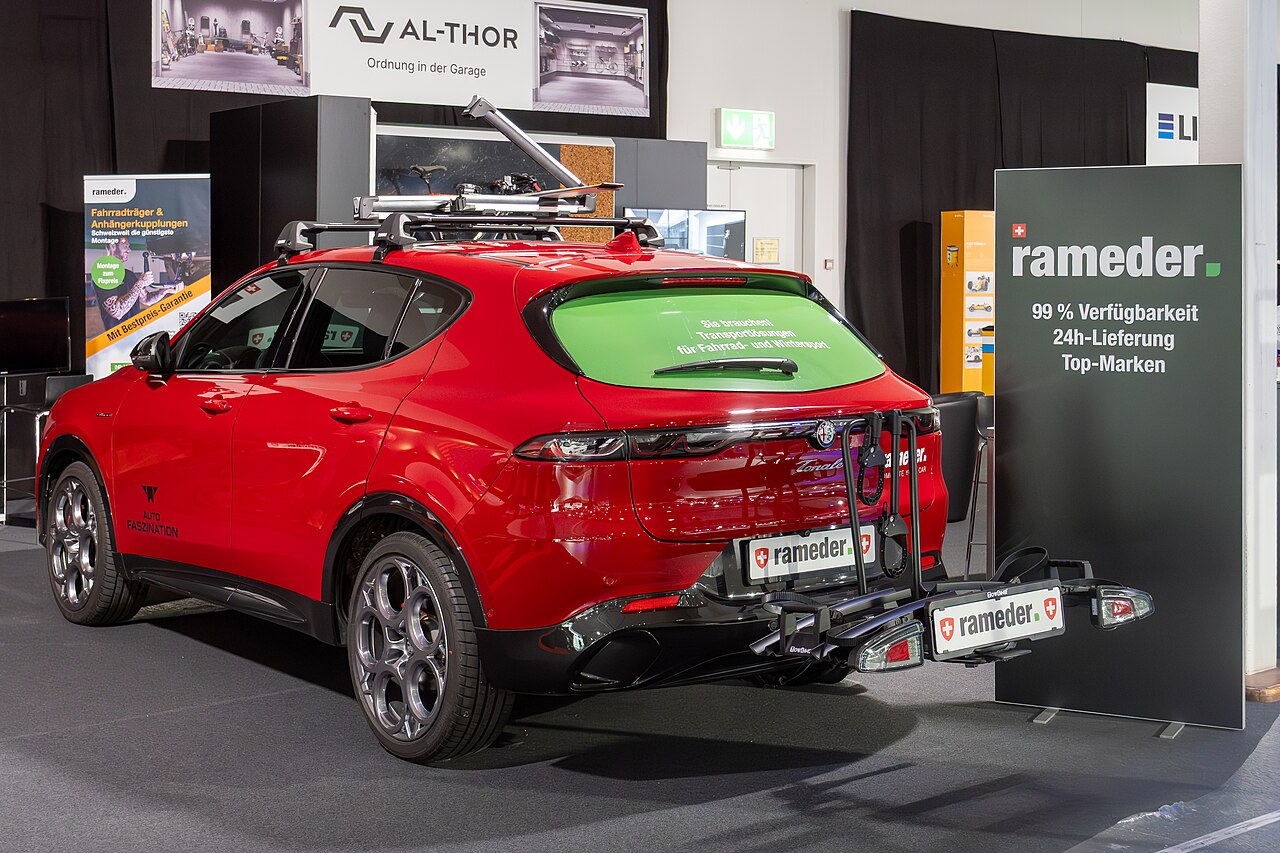
A towball-mounted rack clamps directly onto a standard towball rather than sliding into a square hitch receiver, and it is the dominant rear-carrier format in much of Europe. Most are platform designs: the clamp locks onto the ball, wheel trays carry the bikes, and the rack often arrives with its own light board and number-plate holder already fitted, with a tilt mechanism for boot access. Towball carriers are highly relevant in India wherever an aftermarket towbar with a ball has been fitted, because they need no receiver tube.
The critical figure is the towbar's rated nose weight, the maximum downward load on the ball, which must cover the rack's own weight plus every bike; this limit, not the towing capacity, decides what can be carried. The ball should be clean and free of paint or grease where the clamp grips, unless the rack maker states otherwise, the clamp lever must be locked and checked for rock before loading, and the light-board plug must match the car's trailer socket so indicators, brake lights and plate illumination all work. A short test drive and a recheck of the clamp complete a careful fitting.
Racks for e-bikes and heavy bikes
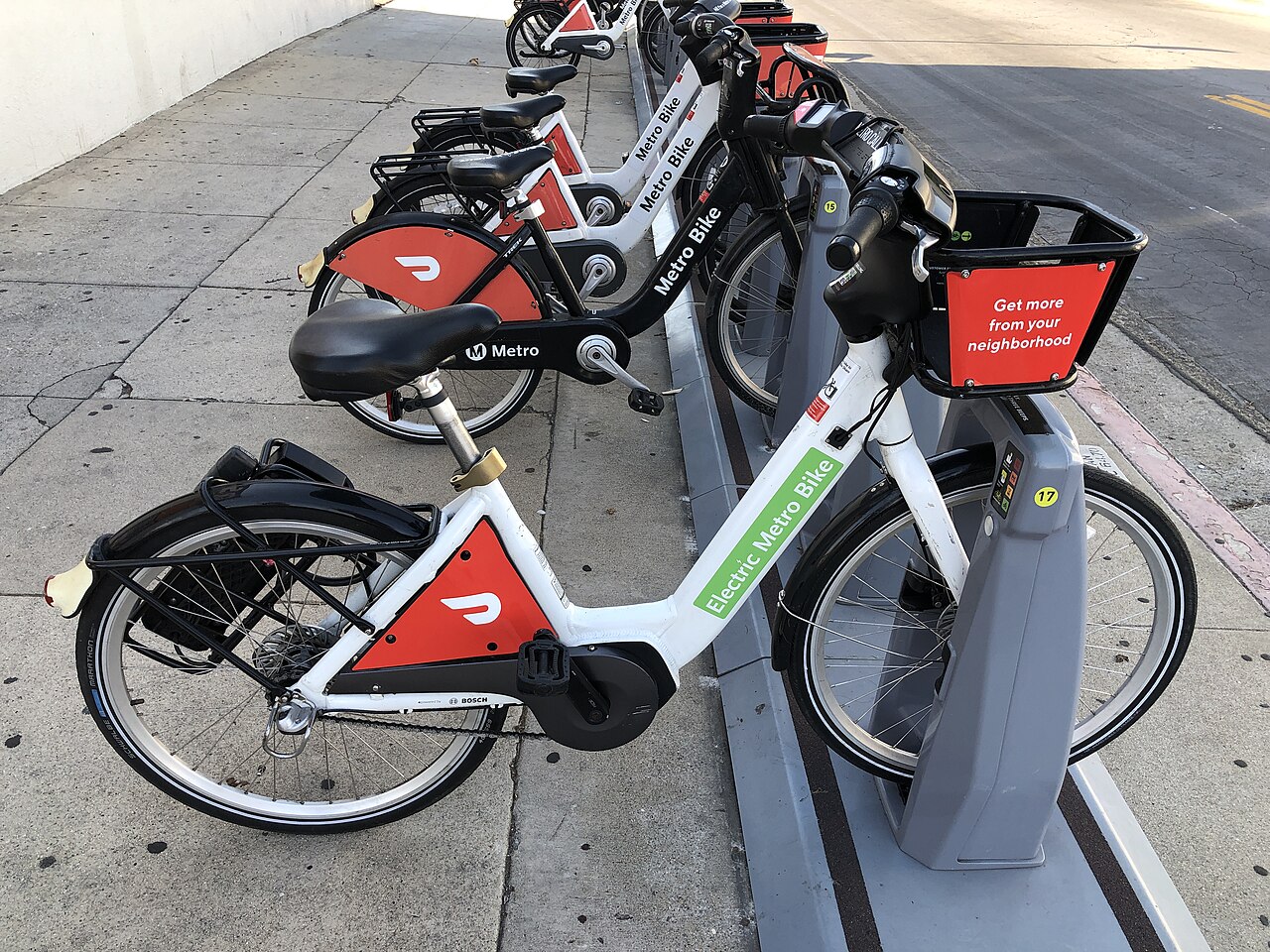
E-bikes change rack buying because the weight arrives per bike rather than spread evenly. A single electric bike with its battery fitted can weigh as much as two light road bikes, so the rack's per-bike limit matters as much as its total limit, and a rack rated for the total can still be wrong for one heavy bike in each tray. Start by weighing the bike as it will actually travel. If the battery removes easily and the bike maker allows transport without it, carrying the battery inside the car trims weight and protects it from weather and knocks.
Low platform and towball racks are the natural home for heavy bikes because loading is a short lift, and some platforms accept a loading ramp so the bike can be rolled up instead of lifted; roof carrying is rarely sensible because the lift is overhead. Check tray width and wheel straps against wide tyres, wheelbase length against tray spacing, and any frame clamp against the bike maker's guidance, since some e-bike frames should only be held by the wheels. Two people for loading, and a practice lift at home, prevent most strained backs and dropped bikes.
Choosing by body style: hatchback, sedan or SUV
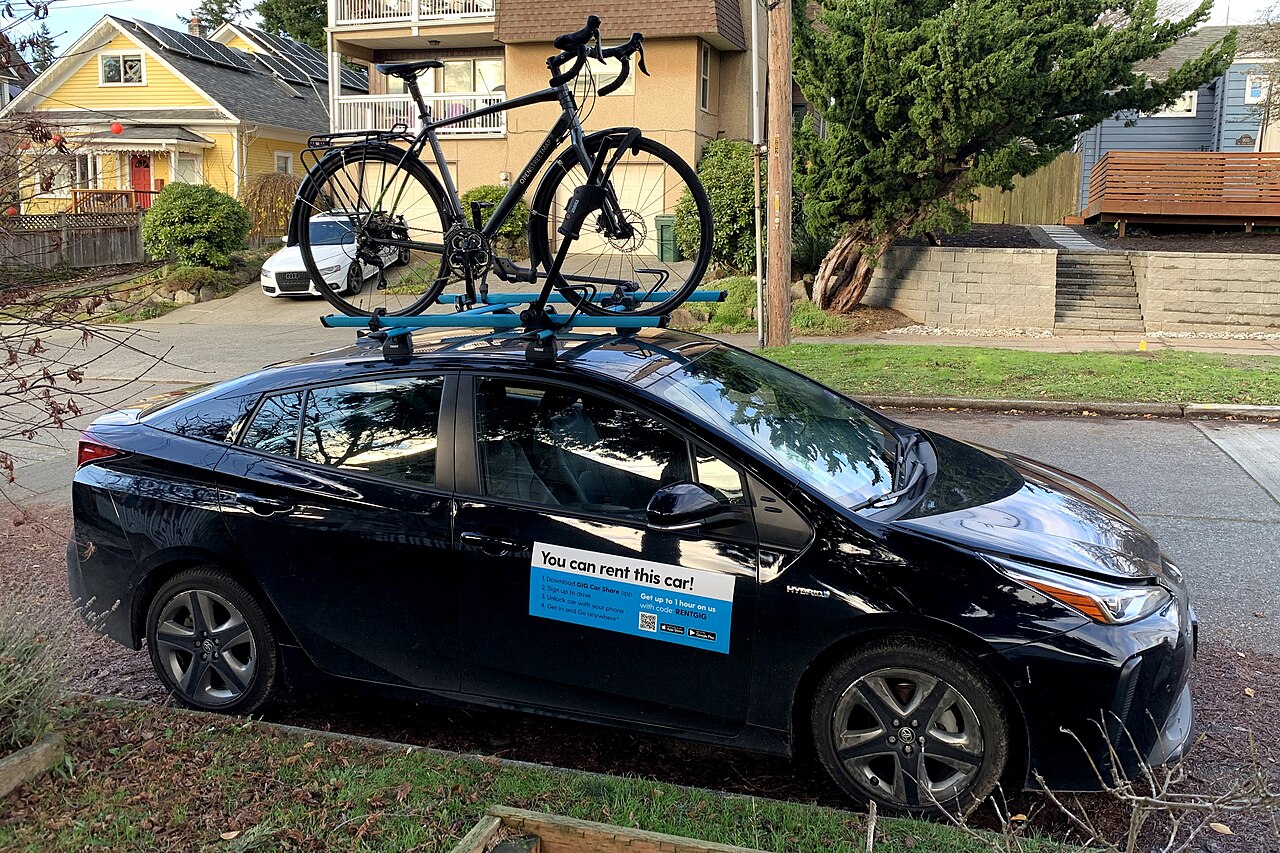
The same rack can be a success on one car and unusable on another, because body style decides where straps, feet and clamps can safely go. On a hatchback, the one-piece tailgate rises with any rack attached to it, rear glass and plastic spoilers cannot bear strap loads, the wiper arc can clash with hooks and frames, and a rear rack must clear the opening tailgate or be removed before it opens.
On a sedan, a boot lid offers solid metal edges for trunk-rack hooks on approved models, but the lid's hinges and seals were not designed for hanging loads, rear visibility through the smaller window shrinks faster, and a roof system keeps the boot fully usable. On an SUV or estate, height is the theme: roof loading means lifting to a taller rail, while the flat, vertical tailgate suits platform and towball racks well, a tailgate spare wheel opens the spare-wheel option, and reversing cameras and parking sensors sit exactly where rear racks mount.
In every case the car's handbook and the rack maker's fit list for that exact model year come first, and a photograph of the loaded car from behind settles most visibility questions before a trip.
Inside-car carriers
Carrying a bike inside the car needs no rack at all, and for one bike it is often the most secure and weatherproof option. Rear seats fold, the front wheel usually comes off, and the bike lies drive-side up on a protective sheet or sits upright against a fork mount fixed to a board in the load bay. The interior is protected from chain grease, mud and sharp pedals, the bike is invisible to opportunistic thieves and untouched by rain and road spray, and there is no effect on lights, plates, height or fuel use. The costs are space and cleanliness.
Passengers and luggage compete for the same volume, a muddy mountain bike needs mats or a wash first, and the bike must be secured so it cannot slide forward under braking or block the driver's view to the rear. Quick-release and through-axle wheels need their discs and dropouts protected, loose wheels should be padded where they rest against frames, and small parts such as axle levers belong in a bag so they are not left behind. Measure the load bay's diagonal before assuming a large frame fits, and remember that folding bikes solve the same problem with far less dismantling.
Security, locks and anti-theft
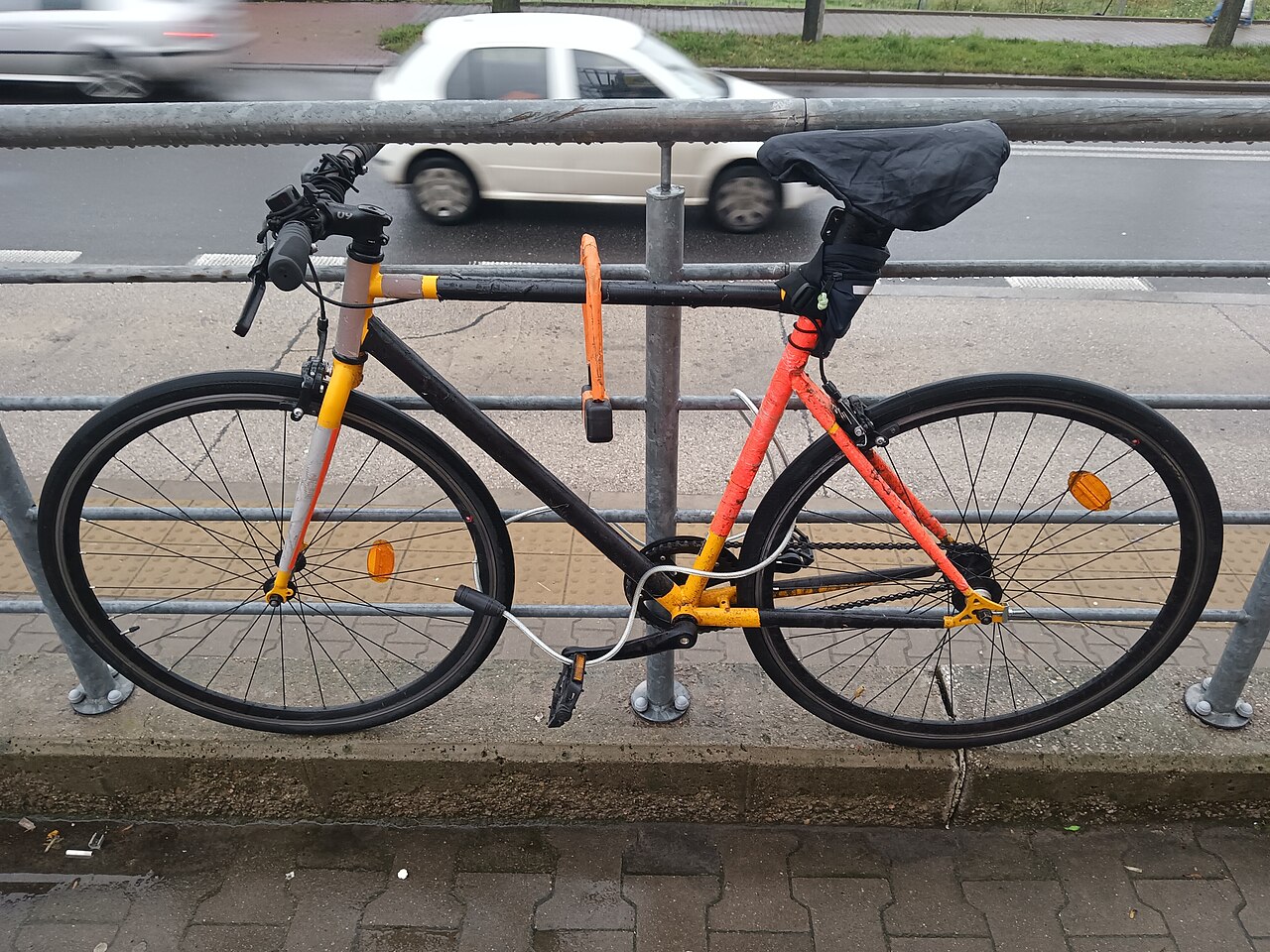
A rack lock and a bike lock do different jobs, and a careful owner thinks about both. Some racks offer locking knobs or cores that secure the rack to the hitch or towball and clamp the bike to the rack; where they do not, a strong cable or chain through the bike's frame and rear wheel and around the rack or a fixed point on the car is the fallback.
Locks of this size deter opportunistic theft and stop a bike being lifted away in seconds, but no portable lock can guarantee security during a long unattended stop, so parking choices matter as much as hardware: stop where the car stays in sight, take lights, computers and bags with you, and avoid leaving loaded bikes overnight where a quieter option exists. Security begins before the trip as well. Photograph each bike, note its frame number, and keep proof of ownership at home, which helps with police reports and insurance conversations after a theft.
At the mechanical level, a locking hitch pin or a properly tightened anti-rattle device also keeps the rack itself from being unbolted or slid out, and a strap through a wheel to the rack stops opportunistic loosening as well as theft.
Number plate, lights and visibility
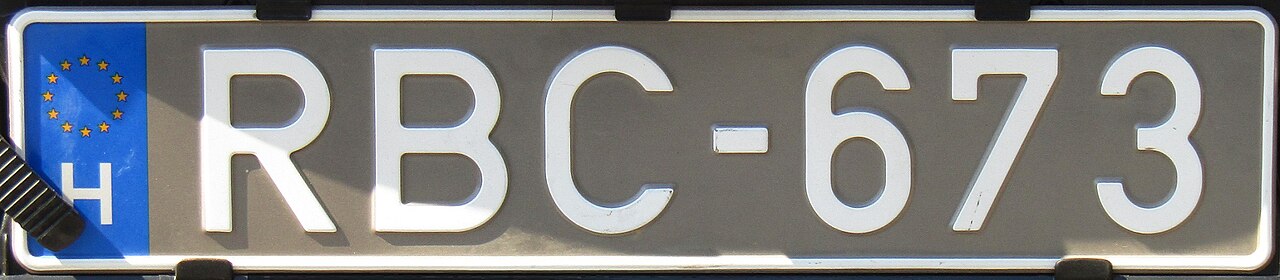
Any rack that hangs bikes behind the car works in exactly the space where the number plate, tail lights, indicators and reversing camera live, and keeping them visible is a legal requirement, not a styling choice. Before choosing a rear rack, stand behind the loaded car and check honestly: plate readable in full, both lights and indicators unobstructed, reflectors visible, and no wheel or frame cutting across the high-level brake light.
Where the bikes do hide the plate or lights, the usual solution is the rack's own plate holder and light board, wired to the car's trailer socket so brake lights, indicators, tail lamps and plate illumination repeat correctly behind the bikes; a board that only displays a plate does not replace hidden lights. Rules on repeating a plate and on loads overhanging the rear differ by place, so check the current local requirements rather than copying what drivers elsewhere do, and keep the board's lens and connections clean because road spray coats everything at the back of a car.
Blocked parking sensors and cameras should be expected with most rear racks: rely on mirrors, drive accordingly, and never let a hanging strap or cable swing across a light.
Weight limits and ratings
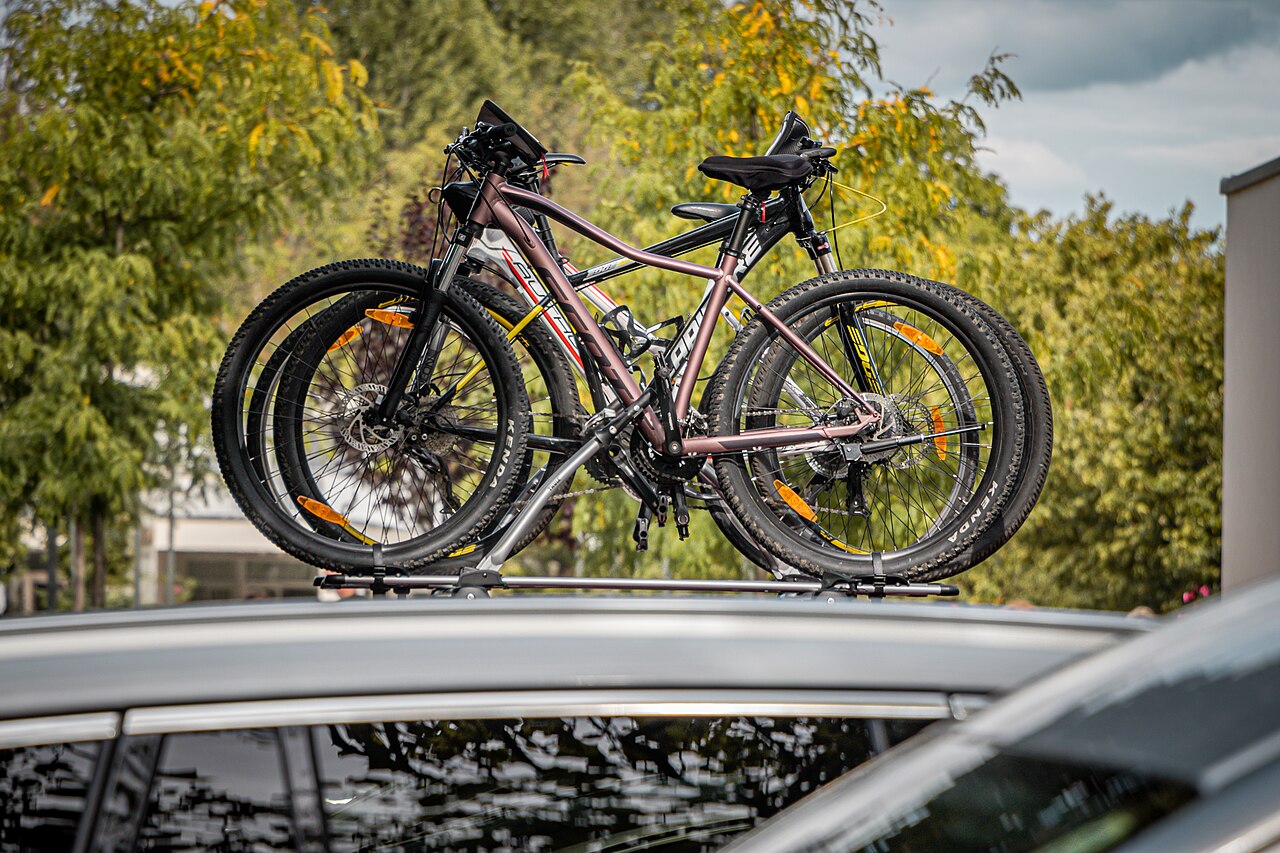
Three separate limits govern every loaded rack, and the lowest of them is the one that counts. The car has a limit: a maximum roof load in the handbook for roof systems, or a nose-weight or receiver limit for the towbar or hitch. The rack has limits: a maximum per bike and a maximum total, both in its instructions. And the rack's own weight consumes part of the car's allowance before any bike is added, which buyers most often forget. Honest weighing prevents most mistakes.
Weigh bikes as they will travel, with bottles, locks and bags either counted or removed, and remember that published weights for bikes are often quoted without pedals or accessories. Roof figures in handbooks are dynamic limits for a moving car and must not be confused with the much higher static figures quoted for parked roof tents. Nose weight can be checked with the rack loaded, using a suitable scale under the coupling before a first long trip.
If the arithmetic fails, the honest fixes are fewer bikes, a lower and stronger mounting system, batteries and heavy accessories carried inside the car where the makers allow it, or a different vehicle, never wishful thinking about a rating.
Care, fitting checks and storage

A rack that is checked and stored properly stays safe for years, while a neglected one fails quietly through frayed straps and seized clamps. Build a short ritual around every trip: before loading, inspect straps for cuts and fading, pads for splits, clamp jaws and wheel hooks for bends, and bolts and knobs for tightness; after the first few kilometres, stop somewhere safe and recheck strap tension and bike movement, then glance at the load in the mirrors and at every fuel stop after that.
Road film in the monsoon, dust on highway runs and winter grit all work into moving parts, so wash the rack as you would the car, rinse salt and mud off promptly, dry pivots and locks before storing, and use only the lubricant the maker suggests on threads and locking cores, kept away from strap webbing and clamp friction surfaces. Store the rack folded, indoors and dry, out of strong sun that ages straps and plastics, with its instructions, spare straps and keys kept together and labelled.
When the rack changes cars, treat the fitting as new: fit lists, strap lengths and clearances belong to the old car, not the new one.
How to choose
Start with the real decision: who will use this, where, how often, and what would make the choice unsafe or disappointing? The following checks keep the shortlist practical.
- Vehicle-specific approval
- Combined bicycle weight
- Secure attachment at every stop
- Lights, plate, camera, and road-law compliance
What to verify before you commit
Confirm the current specification, price or availability, terms, and seller or provider identity. For companies and services, request a written scope, named contact, references, and cancellation or warranty terms. For products, compare the unit price, compatibility, return window, and genuine support.
Editorial update
A rack must be approved for both the vehicle and the bicycle load. Confirm roof limits, hitch ratings, hatch clearance, lights, and number-plate visibility before driving.
Frequently asked questions
How should I use this guide?
Use the shortlist to define what matters to you, then verify current price, availability, rules, credentials, or catalogue details at the source before you decide.
Is this a fixed ranking?
No. The refreshed page is an editorial starting point organised by fit and evidence. The right choice depends on your use case, location, budget, and timing.
When will this page be updated?
VisitBest reviews time-sensitive details when reliable public information changes. Send corrections or newer source links to visitbest10@gmail.com.
Keep exploring

Top 6 Cricket Bats in India: A Practical Buying Guide
Compare willow type, size, pickup, sweet spot, handle, preparation, and aftercare before choosing a cricket bat.

Top 6 Footballs Under ₹500: What to Buy for Practice and Casual Play
A budget-football guide focused on surface, construction, size, grip, air retention, and realistic durability expectations.

Top 14 Pharma Companies in Delhi (2026)
Explore pharma companies in Delhi — ratings, company types, comparison tables, and VisitBest directory listings.