
VisitBest guide
Best Punjabi Movies: 14 Essential Films from the Classics to the Modern Hits
Punjabi cinema has grown from a small regional industry into one of the most confident film cultures in India, and this editorial selection of 14 films…
In this guide

At a glance
For decades, Punjabi cinema lived in the shadow of Hindi films made in the same Bombay studios, borrowing their stars and their melodrama. What changed it was confidence in its own material: Gurdial Singh's fiction, the memory of 1919 and 1984, the wedding halls of Patiala and the departure lounges of a million migrants. The classics on this list, Chann Pardesi and Marhi Da Deeva, were made by serious directors working with actors such as Raj Babbar and Deepti Naval who moved between Hindi and Punjabi films, and both were honoured with the National Film Award for Best Feature Film in Punjabi. The modern boom, by contrast, was built by comedy and romance: director Anurag Singh's run with Diljit Dosanjh, Smeep Kang's farces, and Jagdeep Sidhu's romances turned Punjabi films into reliable box-office events in India, Canada, Australia and Britain. A note on method: this is an editorial selection, not a definitive ranking, and the order is chronological so the industry's arc stays visible. Photographs show a lead or significant cast member of each film and are credited in full. One film, Angrej, appears without a photograph: the images of its lead actor, Amrinder Gill, on Wikimedia Commons could not be identity-verified — Wikipedia's lead image for him is in fact a photograph of Angrej's own director, Simerjit Singh — so rather than risk publishing the wrong person, VisitBest lists the film text-only.
- Chann Pardesi (1981) — The classic that set the standard
- Marhi Da Deeva (1989) — Gurdial Singh's great novel on screen
- Shaheed Udham Singh (1999) — The revolutionary who waited 21 years
- Carry on Jatta (2012) — The farce that launched a franchise
Shortlist and comparison
| Option | Best for | What to verify |
|---|---|---|
| Chann Pardesi (1981) | The classic that set the standard | Raj Babbar's first Punjabi film, with Amrish Puri and Om Puri |
| Marhi Da Deeva (1989) | Gurdial Singh's great novel on screen | Deepti Naval and Raj Babbar in a rural tragedy |
| Shaheed Udham Singh (1999) | The revolutionary who waited 21 years | Raj Babbar as Udham Singh; Gurdas Maan as Bhagat Singh |
| Carry on Jatta (2012) | The farce that launched a franchise | Gippy Grewal and Mahie Gill in a comedy of errors |
| Jatt & Juliet (2012) | The rom-com that broke the box office | Diljit Dosanjh and Neeru Bajwa spar on a flight to Canada |
| Punjab 1984 (2014) | A mother searches for her missing son | Kirron Kher leads a National Award-winning drama |
| Angrej (2015) | A period romance in pre-Partition Punjab | Amrinder Gill and Sargun Mehta across the class divide |
| Ardaas (2016) | Gippy Grewal turns to social drama | Interwoven village stories around faith and hardship |
| Nikka Zaildar (2016) | The campus romance that made Ammy Virk a star | Patiala college, first love and family honour |
| Lahoriye (2017) | A love story that crosses to Lahore | Amrinder Gill and Sargun Mehta across the border |
| Manje Bistre (2017) | A wedding, a village and a runaway romance | Gippy Grewal and Sonam Bajwa at a traditional wedding |
| Qismat (2018) | The romance named after a hit song | Ammy Virk and Sargun Mehta in Chandigarh |
| Shadaa (2019) | The bachelor who swore off marriage | Diljit Dosanjh and Neeru Bajwa's comedy hit |
| Chal Mera Putt (2019) | Punjabis abroad, laughing through the struggle | Amrinder Gill and Simi Chahal in Birmingham |
The brands in detail
1. Chann Pardesi (1981)
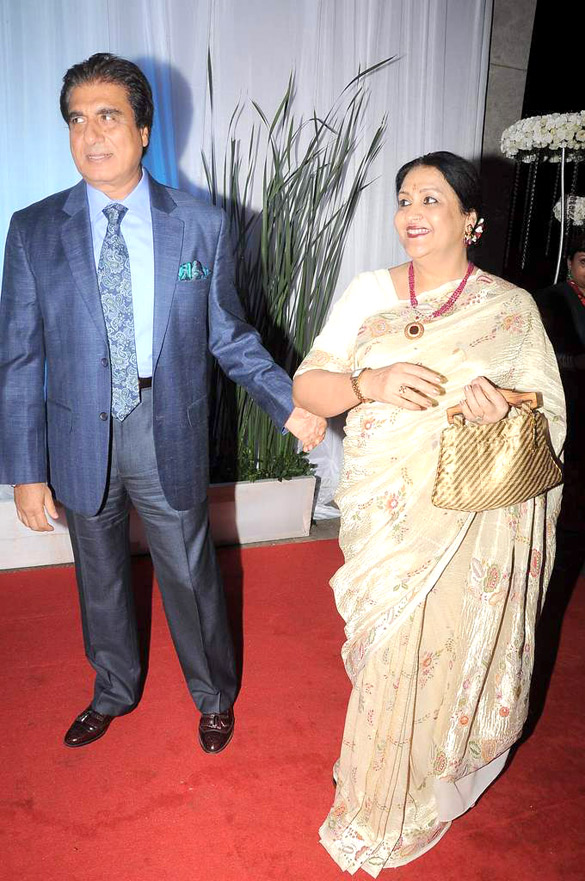
Directed by Chitrarth Singh, Chann Pardesi is the film most histories of Punjabi cinema start with. A rural drama of land, family obligation and forbidden love in a Punjab village, it starred Raj Babbar — in his first Punjabi film — alongside Rama Vij, with Amrish Puri, Kulbhushan Kharbanda and Om Puri in the cast, an extraordinary concentration of talent for a regional production of its time. The film won India's National Film Award for Best Feature Film in Punjabi in 1980 and went on to become a major commercial success when it found distribution in 1981. Its importance is twofold: it proved that a Punjabi film could carry serious themes with literary weight, and it launched or showcased performers who would shape Hindi cinema for the next three decades. Anyone who wants to understand where modern Punjabi filmmaking comes from should begin here.
2. Marhi Da Deeva (1989)
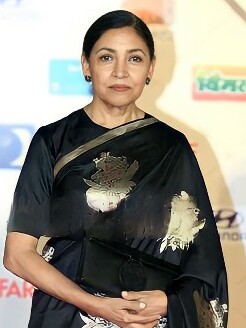
Marhi Da Deeva adapts Gurdial Singh's 1964 novel of the same name, one of the most respected works of modern Punjabi literature, and it treats its source with matching gravity. Directed by Surinder Singh and starring Raj Babbar, Deepti Naval and Parikshit Sahni, the film is a tragedy set in a changing agrarian world, where old bonds between landowners and labouring families are breaking down and the people caught inside them have nowhere to go. It won the National Film Award for Best Feature Film in Punjabi and remains the benchmark for literary adaptation in the language. Deepti Naval, then one of Hindi parallel cinema's defining actors, is central to its restraint: this is a film of silences and obligations rather than speeches. Together with Chann Pardesi, it forms the classic double bill of Punjabi serious cinema.
3. Shaheed Udham Singh (1999)
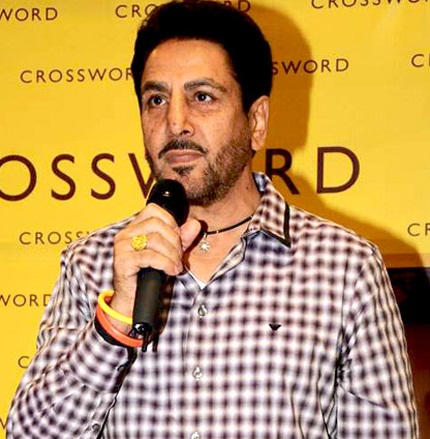
This biographical film tells the story of Udham Singh, the revolutionary who witnessed the Jallianwala Bagh massacre in Amritsar in 1919 and spent 21 years carrying its memory before shooting Michael O'Dwyer — the former Lieutenant Governor of Punjab he held responsible — in London in 1940. Raj Babbar plays Udham Singh, with Punjabi music legend Gurdas Maan appearing as Bhagat Singh and Shatrughan Sinha in the cast. The film was released on 24 December 1999, just two days before Udham Singh's birth centenary, and it was later screened in the retrospective section of the 2016 Independence Day Film Festival organised by the Directorate of Film Festivals and the Ministry of Defence. As a piece of historical memory it matters beyond its production values: for many Punjabi viewers it remains the standard screen telling of a story every schoolchild in the state knows.
4. Carry on Jatta (2012)
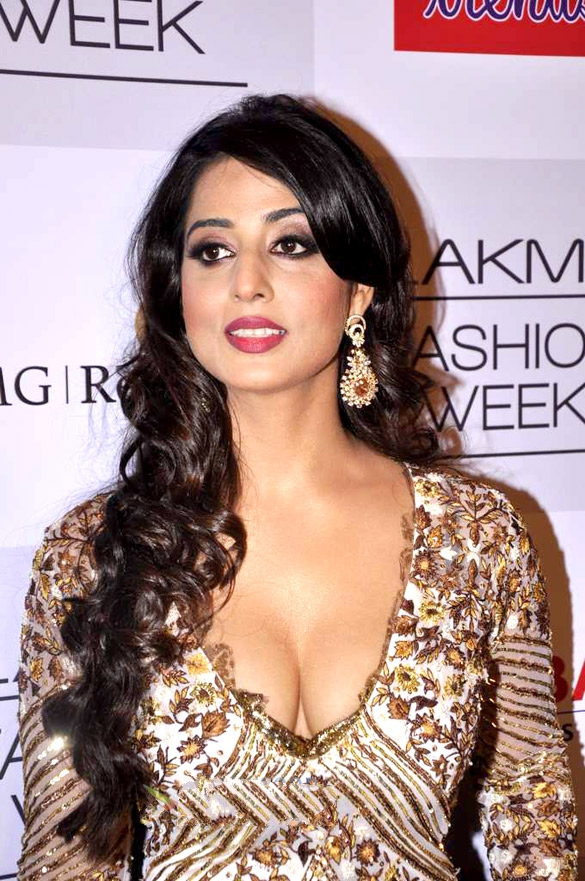
If the classics gave Punjabi cinema its conscience, Carry on Jatta gave the modern industry its comedy engine. Directed by Smeep Kang and released on 27 July 2012, it stars Gippy Grewal and Mahie Gill in a breathless farce of concealed marriages, mistaken identities and families deceiving each other at cross purposes — a plot machine assembled from classic stage comedy and run at full speed. The film's success was structural as much as artistic: it demonstrated that a Punjabi comedy, made on a modest budget, could fill cinemas in Punjab and in diaspora markets alike, and it spawned sequels as well as remakes in Odia, Telugu and Bengali. Kang and Grewal's partnership became a template that Punjabi producers followed for a decade. It is still the first film many viewers name when asked for a Punjabi comedy recommendation.
5. Jatt & Juliet (2012)

Jatt & Juliet, directed by Anurag Singh and released on 29 June 2012, is the romantic comedy that redrew the map of the Punjabi box office. Diljit Dosanjh plays a rough-edged village youngster and Neeru Bajwa a polished, Canada-bound young woman; thrown together on a flight and then in Vancouver, the two argue their way towards romance. The film became the highest-grossing Punjabi film of its time and won multiple honours at the PTC Punjabi Film Awards 2013, including Best Film and Best Director, while its success carried both its stars to a new level — Dosanjh towards Hindi cinema and Bajwa into her position as the defining female lead of the era. Its sequel followed in 2013. More than a decade on, its template — village boy, modern girl, diaspora setting, songs woven through — is still the industry's default setting.
6. Punjab 1984 (2014)
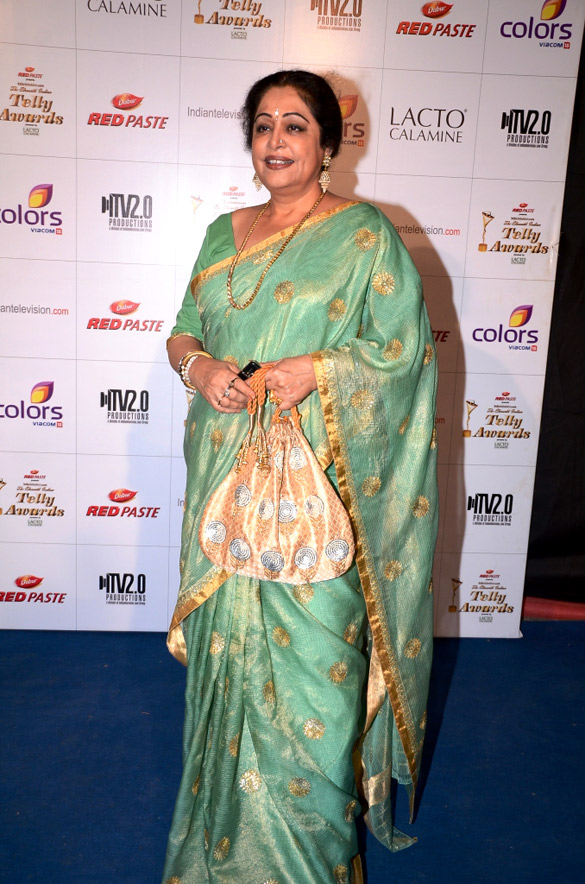
The most decorated Punjabi film of the modern era, Punjab 1984 confronts the state's darkest decade directly. Directed by Anurag Singh and released on 27 June 2014, it is set during the insurgency years of 1984 to 1986 and follows a mother, played by Kirron Kher, searching for her missing son, played by Diljit Dosanjh, as the machinery of militancy and counter-insurgency closes around ordinary families. It was the fourth collaboration between Singh and Dosanjh, and it won the National Film Award for Best Feature Film in Punjabi at the 62nd National Film Awards. Kher's performance — grief held under iron control — is widely regarded as one of the finest of her career, and Dosanjh proved he could carry a tragedy as completely as a comedy. Sonam Bajwa also appears in an early leading role.
7. Angrej (2015)
Angrej — the title means 'the Englishman' — is a period romance set in Punjab in the final years of the British Raj. Directed by Simerjit Singh, it stars Amrinder Gill and Sargun Mehta as young lovers divided by social strata, with Aditi Sharma, Ammy Virk, Binnu Dhillon, Anita Devgan, Sardar Sohi and Nirmal Rishi in supporting roles. At a time when Punjabi cinema was dominated by contemporary comedy, Angrej reached backwards: costumes, courtyards and a slower courtship, and audiences responded, making it one of the defining Punjabi films of the decade and the picture that established Sargun Mehta as a leading actor. A disclosure on the photograph: VisitBest lists Angrej without one. The Wikimedia Commons images naming Amrinder Gill could not be identity-verified — Wikipedia's lead image for him is in fact a photograph of this film's director — and the one solo portrait found could not be confirmed as him, so no image has been substituted.
8. Ardaas (2016)
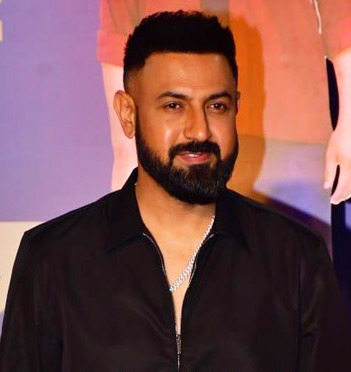
Written and directed by Gippy Grewal, with dialogue by Rana Ranbir, Ardaas was released on 11 March 2016 and marked a deliberate change of direction for Punjabi cinema's biggest comedy star. An ensemble social drama, it weaves together the troubles of several families in a Punjab village — debt, addiction, pride, faith — around the figure of a wise elder and the Sikh practice of ardaas, the prayer of supplication that gives the film its title. Grewal also stars, alongside an ensemble cast, and the film's refusal of easy comedy was itself a statement: it treated village Punjab not as a backdrop for jokes but as a place where real pressures gather. Its success showed producers that serious contemporary drama could find an audience in the multiplex era, and a sequel, Ardaas Karaan, followed in 2019.
9. Nikka Zaildar (2016)
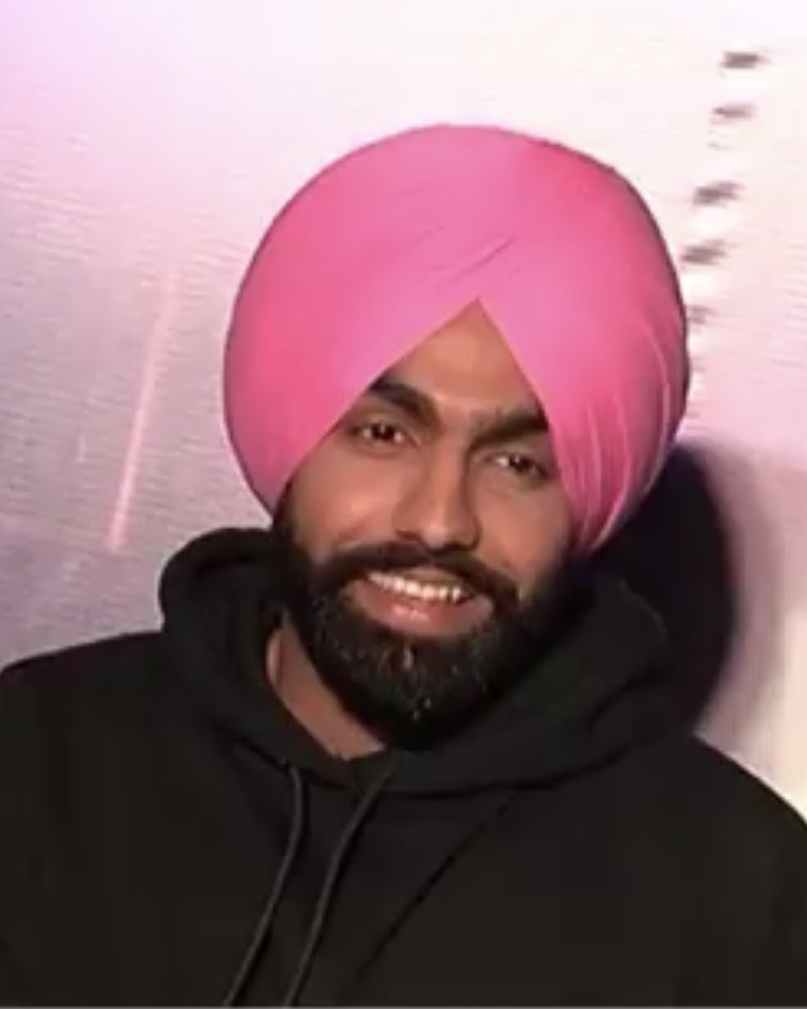
Nikka Zaildar is the film that turned singer Ammy Virk into a leading man. Directed by Simerjit Singh and written by Jagdeep Sidhu, it was released worldwide on 30 September 2016 and stars Virk as Nikka, a student at college in Patiala who falls in love with Manraj, played by Sonam Bajwa. What lifts it above the campus-romance formula is texture: the hostel banter, the families' pride and panic, and a second half that turns a comic courtship into a question of honour between households. The chemistry of its leads and its songs carried it to major commercial success, and it grew into a franchise with sequels in 2017 and 2019. It also confirmed Jagdeep Sidhu, its writer, as the defining romantic voice of the new Punjabi cinema — two years before Qismat made that reputation unarguable.
10. Lahoriye (2017)
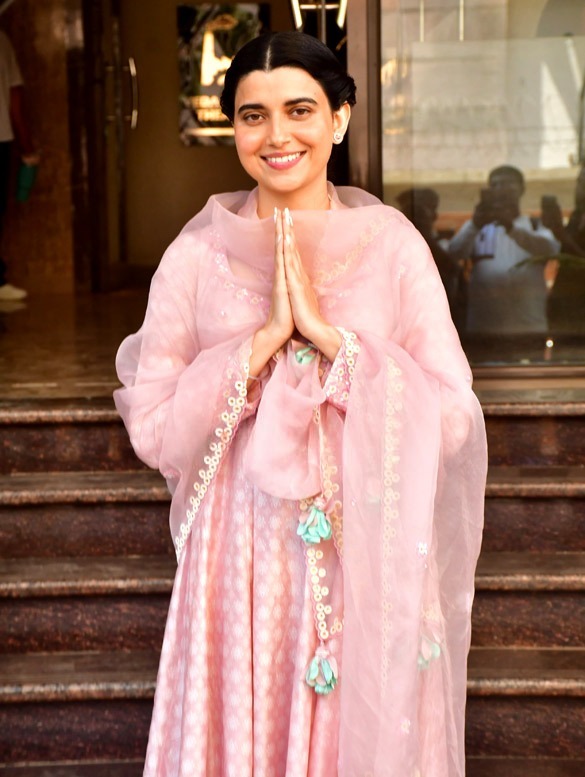
Lahoriye, written and directed by Amberdeep Singh, is the rare Punjabi film that sets its romance across the border its audience's grandparents crossed. Amrinder Gill plays a young man from Indian Punjab who falls in love with a woman from Lahore, played by Sargun Mehta, and the film follows what the Radcliffe Line does to a relationship conducted through visits, family elders and memory. Yuvraj Hans, Nimrat Khaira, Sardar Sohi and Guggu Gill complete a cast that balances its two households with unusual fairness — the Lahori family is written with the same warmth as the Indian one. Released in 2017, seventy years after Partition, Lahoriye treats the division of Punjab as a living wound rather than a history lesson, and its gentleness is precisely its argument. It confirmed Amberdeep Singh as one of the industry's most humane writer-directors.
11. Manje Bistre (2017)
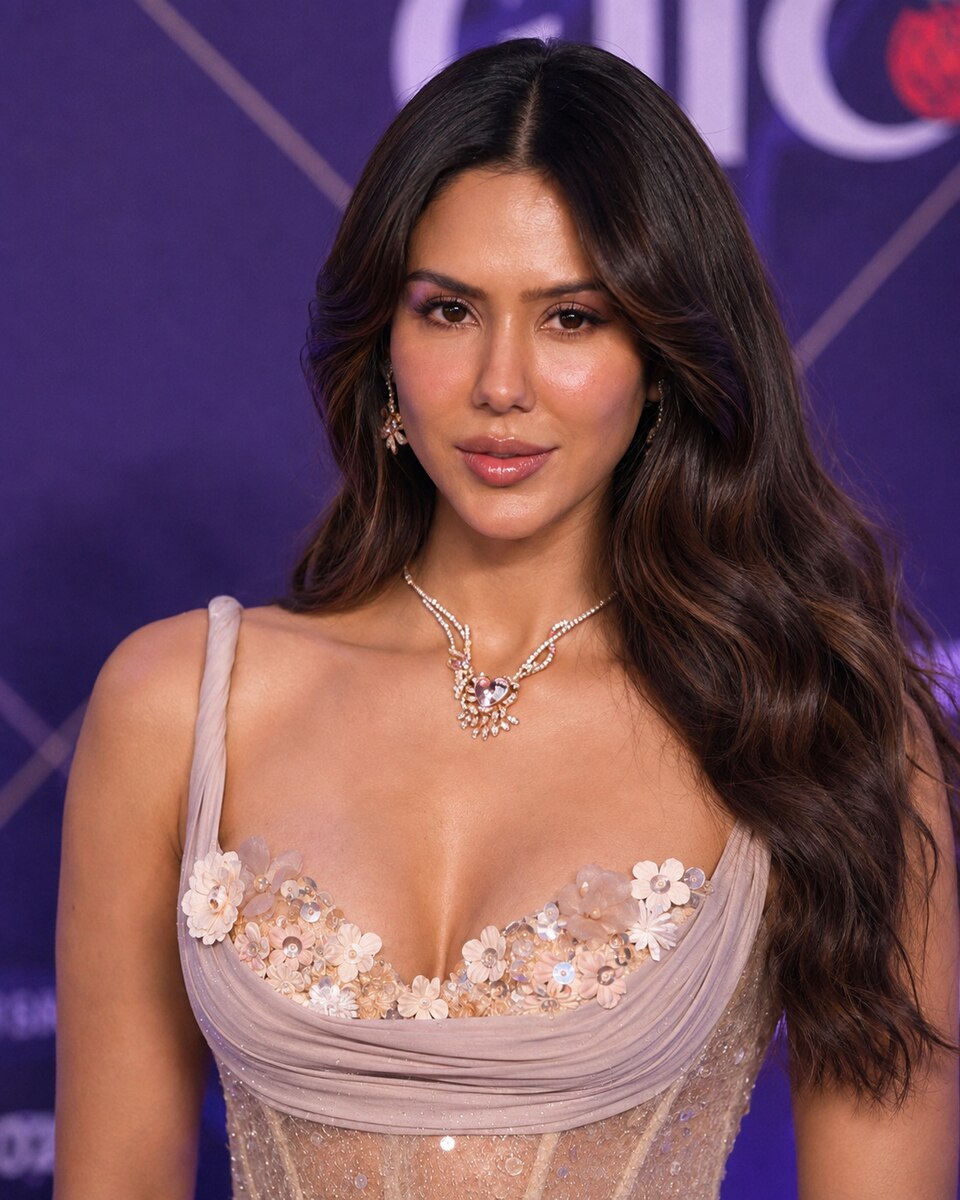
Manje Bistre takes its title from the cots and bedding — manje bistre — that a village gathers door to door when a wedding fills a house with guests, and the film builds its romance inside exactly that bustle. Directed by Baljit Singh Deo, with story and screenplay by Gippy Grewal and dialogue by Rana Ranbir, it was released on 14 April 2017 and stars Grewal and Sonam Bajwa, with Karamjit Anmol, Jaggi Singh, Sardar Sohi and Hobby Dhaliwal around them. Set against a traditional Punjabi wedding, it watches a romance spark and stumble amid the ceremonies, the caterers and the cousins. Audiences turned it into one of the year's biggest Punjabi hits, and a sequel, Manje Bistre 2, followed in 2019. Few films on this list are happier company: it is the modern Punjabi wedding film against which others are measured.
12. Qismat (2018)
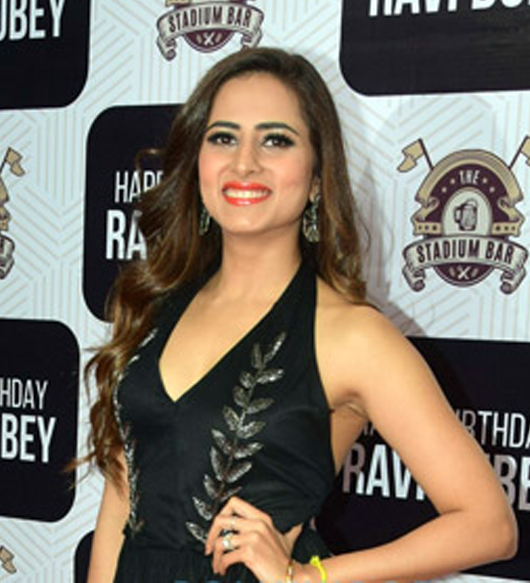
Qismat began as a song: Ammy Virk's 2017 hit of the same name, whose video starred Sargun Mehta. Writer-director Jagdeep Sidhu expanded that pairing into a feature, released in 2018, in which Virk plays a student in Chandigarh who falls in love, played by Mehta, in defiance of the match arranged for him at home — and then discovers what the title, 'destiny', intends to do about it. Guggu Gill, Tania and Harby Sangha support. What distinguishes Qismat is its ending's refusal of comfort; Punjabi romances were not supposed to leave audiences in tears, and the film's emotional honesty turned it into a word-of-mouth phenomenon and one of the era's most loved films. It established the Virk–Mehta pairing as the screen romance of its generation, and Qismat 2 followed in 2021.
13. Shadaa (2019)
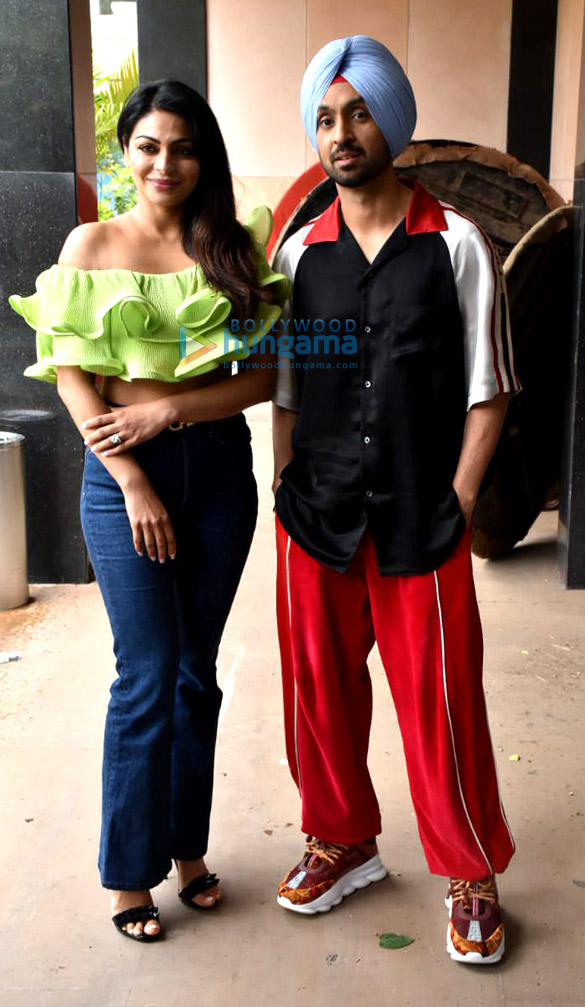
A shadaa is a confirmed bachelor, and Jagdeep Sidhu's comedy — written and directed by him — builds its plot around one man's cheerful refusal to marry. Diljit Dosanjh plays the shadaa, a wedding photographer surrounded by other people's marriages, and Neeru Bajwa the equally marriage-sceptical woman who finally complicates his position; Hardeep Gill, Anita Devgan and Jagjeet Sandhu support. Released in 2019, Shadaa became one of the highest-grossing Punjabi films of its time, powered by the Dosanjh–Bajwa pairing that had first ignited in Jatt & Juliet seven years earlier and by a script that lets its heroine argue her case as strongly as its hero. It is the late masterpiece of the Punjabi rom-com boom: confident, funny and entirely uninterested in apologising for its characters' choices.
14. Chal Mera Putt (2019)
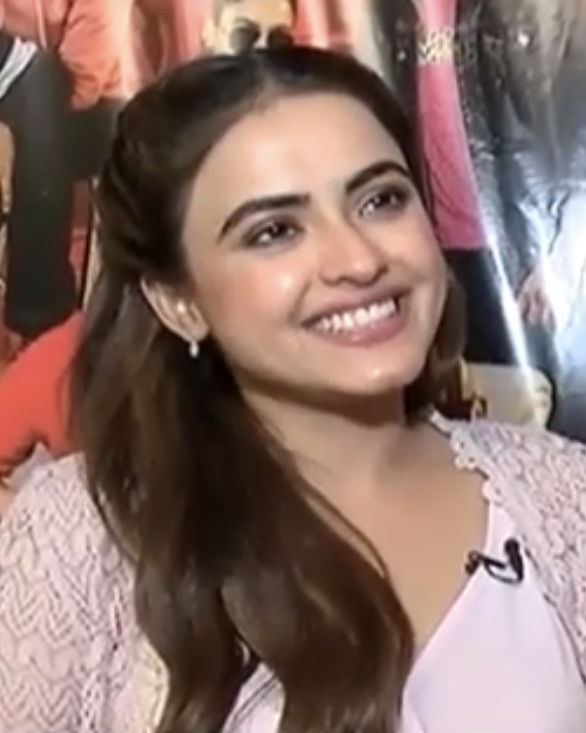
The diaspora is Punjabi cinema's second homeland, and Chal Mera Putt is its warmest portrait. Directed by Janjot Singh and produced by Rhythm Boyz Entertainment with Gillz Network and Omjee Star Studios, the film follows a group of Punjabis in Birmingham, England, working cash jobs, sharing houses and chasing the paperwork of a settled life. Amrinder Gill and Simi Chahal lead an ensemble that includes the celebrated Pakistani comedians Iftikhar Thakur, Nasir Chinyoti and Akram Udas — casting that itself bridges the Punjab the audience left behind. Released in 2019, the film turned the migrant grind into comedy without ever mocking the dream underneath it, and its success produced a direct sequel, Chal Mera Putt 2, in 2020, with the series continuing thereafter. It closes this list where Punjabi cinema now lives as much as anywhere: abroad.
How to choose
Start with the real decision: who will use this, where, how often, and what would make the choice unsafe or disappointing? The following checks keep the shortlist practical.
- A story rooted in Punjabi life
- Performances, not just star power
- Music that belongs to the film
- Endurance: still watched, quoted and loved
What to verify before you commit
Confirm the current specification, price or availability, terms, and seller or provider identity. For companies and services, request a written scope, named contact, references, and cancellation or warranty terms. For products, compare the unit price, compatibility, return window, and genuine support.
Editorial update
For decades, Punjabi cinema lived in the shadow of Hindi films made in the same Bombay studios, borrowing their stars and their melodrama. What changed it was confidence in its own material: Gurdial Singh's fiction, the memory of 1919 and 1984, the wedding halls of Patiala and the departure lounges of a million migrants. The classics on this list, Chann Pardesi and Marhi Da Deeva, were made by serious directors working with actors such as Raj Babbar and Deepti Naval who moved between Hindi and Punjabi films, and both were honoured with the National Film Award for Best Feature Film in Punjabi. The modern boom, by contrast, was built by comedy and romance: director Anurag Singh's run with Diljit Dosanjh, Smeep Kang's farces, and Jagdeep Sidhu's romances turned Punjabi films into reliable box-office events in India, Canada, Australia and Britain. A note on method: this is an editorial selection, not a definitive ranking, and the order is chronological so the industry's arc stays visible. Photographs show a lead or significant cast member of each film and are credited in full. One film, Angrej, appears without a photograph: the images of its lead actor, Amrinder Gill, on Wikimedia Commons could not be identity-verified — Wikipedia's lead image for him is in fact a photograph of Angrej's own director, Simerjit Singh — so rather than risk publishing the wrong person, VisitBest lists the film text-only.
Frequently asked questions
How should I use this guide?
Use the shortlist to define what matters to you, then verify current price, availability, rules, credentials, or catalogue details at the source before you decide.
Is this a fixed ranking?
No. The refreshed page is an editorial starting point organised by fit and evidence. The right choice depends on your use case, location, budget, and timing.
When will this page be updated?
VisitBest reviews time-sensitive details when reliable public information changes. Send corrections or newer source links to visitbest10@gmail.com.
Keep exploring

Top 30 Most Beautiful 90s Actresses (Then and Now)
The 1980s and 1990s were golden decades for cinema, bringing us an unforgettable array of actresses whose beauty, talent, and … Read more

Popular Chinese Actors to Know: Career Highlights and Where to Start
A respectful, non-ranked guide to influential actors from Chinese-language cinema and television, with a practical starting point for each…

Best Legal Sites to Watch Anime in India
Compare legal anime streaming options by catalogue, subtitles, dubbing, simulcast timing, device support, and regional availability.