
VisitBest guide
Everyday Beauty Tips for a Polished, Low-Effort Look
A short, repeatable everyday routine: prepare the skin, use base products in thin layers, define one or two features properly, finish the hair and nails…
In this guide
At a glance
A polished look does not require hiding normal skin texture or buying many products. The routine below is deliberately short: a few steps done neatly beat fifteen done hurriedly. Use what suits your skin, stop anything that irritates, and consult a qualified professional for persistent concerns rather than layering on more makeup.
- Skin prep: cleanse, moisturise and daytime protection — The two minutes that decide the whole look
- Base and foundation: the right shade, thin layers — Makes skin look like skin, only calmer
- Concealer: small amounts, only where needed — A targeted tool, not a second foundation
- Powder, setting and daytime touch-ups — Shine control, in the morning and at 4 pm
Shortlist and comparison
| Topic | Best for | What to verify |
|---|---|---|
| Skin prep: cleanse, moisturise and daytime protection | The two minutes that decide the whole look | Let each layer settle for a minute |
| Base and foundation: the right shade, thin layers | Makes skin look like skin, only calmer | Check the match in daylight, not shop light |
| Concealer: small amounts, only where needed | A targeted tool, not a second foundation | Pat the edges; never rub |
| Powder, setting and daytime touch-ups | Shine control, in the morning and at 4 pm | Blot first, powder second |
| Blush: placement that looks like health, not paint | Two finger-widths of colour, well blended | Blend up and back, never in circles |
| Contour and highlight: keep it subtle | Structure by suggestion, not by stripe | If you can see the stripe, blend more |
| Eyeshadow: one wash of colour, one deeper crease shade | Two shades are enough for most days | Tap the brush before it touches your eye |
| Eyeliner and mascara: definition without weight | Darkness at the roots, lightness at the tips | Roots of the lashes matter most |
| Brows: follow your natural shape | Your shape, with the gaps filled in | Fill gaps; do not redraw the whole brow |
| Lips: prepare, line, apply, blot | The step that finishes the sentence | Blot once, then reapply |
| Hair finish: the two-minute tidy | Tidy beats elaborate, every time | One clear idea, executed neatly |
| Nails: short, clean and cared for | The detail everyone notices subconsciously | Even lengths beat fancy colours |
| Fragrance: less than you think | One or two sprays is a full dose | Your nose adapts before other people's do |
| Evening routine: take the day off properly | Tomorrow's base is decided tonight | Dissolve, do not scrub |
The brands in detail
Skin prep: cleanse, moisturise and daytime protection
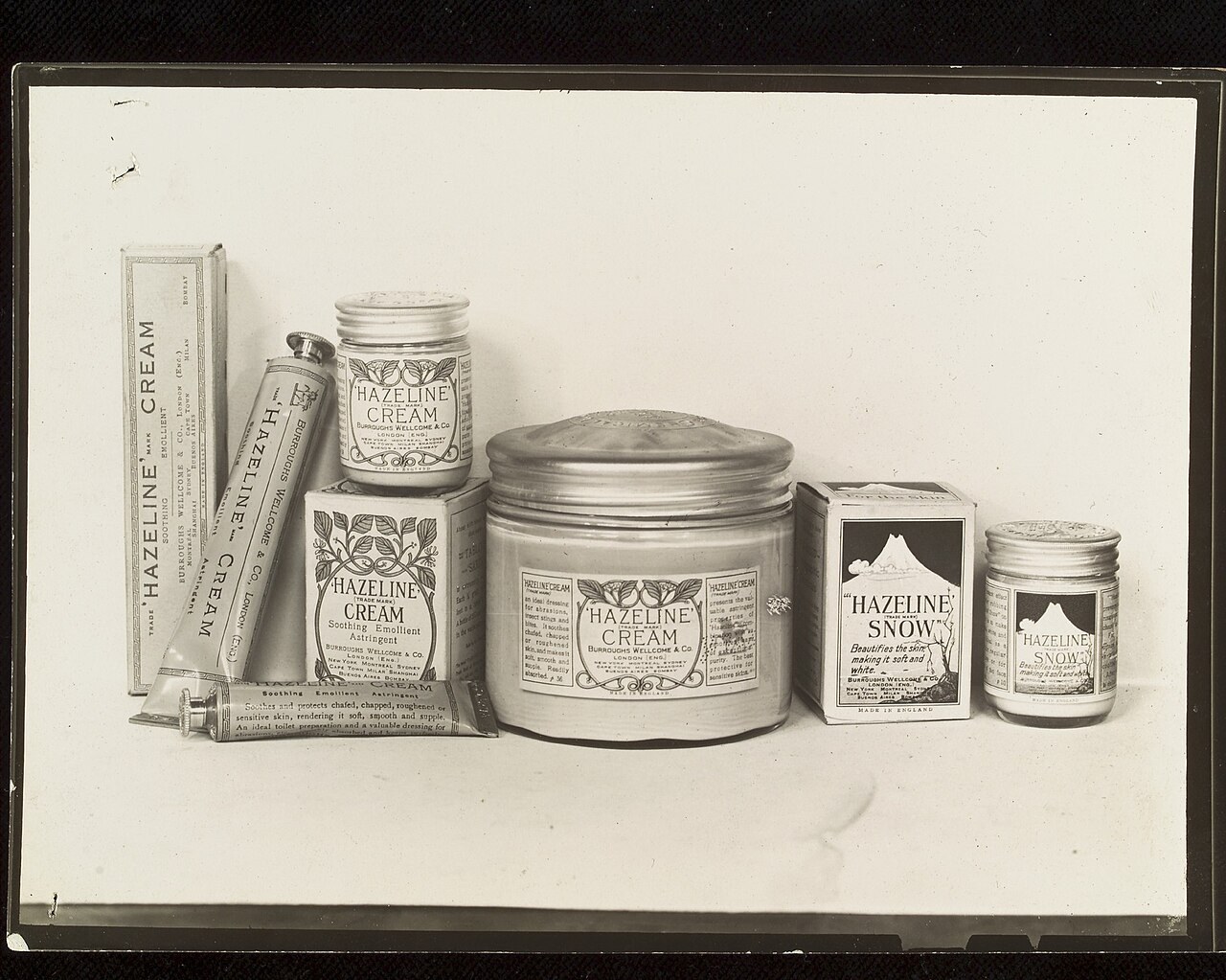
Every polished look starts before makeup. Wash your face with a gentle cleanser and lukewarm water, pat dry rather than rubbing, and apply moisturiser while the skin is still slightly damp so it spreads evenly and you use less. Give it a minute or two to settle before anything goes on top; makeup layered over freshly applied cream tends to slide and pill. In the daytime, sun protection is the final skincare step for most routines, applied after moisturiser and left to set for a few minutes so the base does not disturb it.
Keep the cast of products short: a cleanser, a moisturiser and a daytime protector you will actually use every day beat a shelf of occasional steps. If your skin feels tight, hot or itchy after a product, that is information, not something to push through; simplify back to the steps that leave your skin comfortable, and keep the order consistent so you can tell which step is responsible when something changes.
Base and foundation: the right shade, thin layers
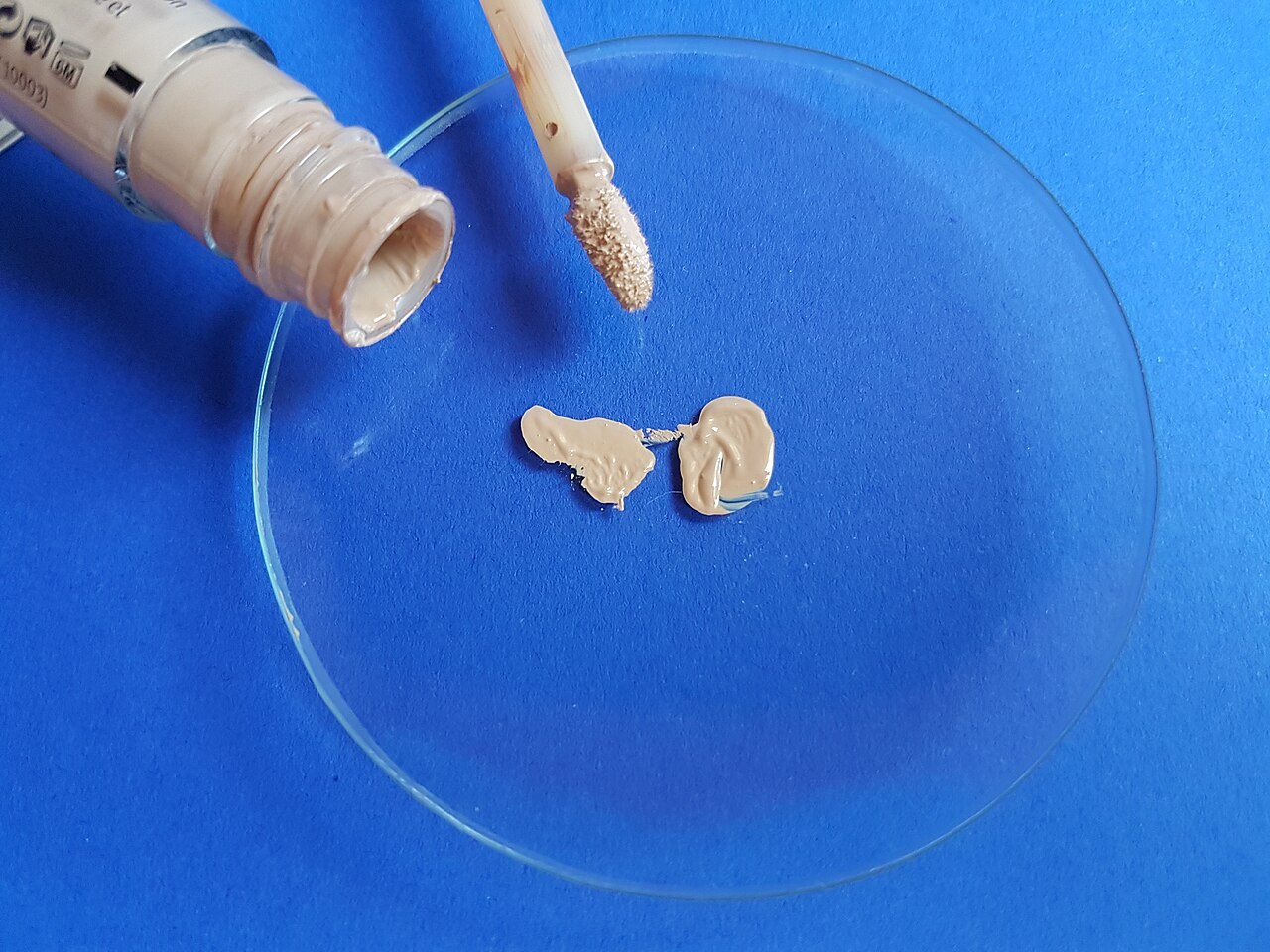
A good base is mostly shade-matching and restraint. Choose a foundation or tinted product that disappears along your jawline in daylight; if you are between shades, the one that vanishes is right and the one that looks like a stripe is not, whatever the tube promises. Apply a small amount to the centre of the face, where most people want the most coverage, and blend outwards with a damp sponge, clean fingertips or a brush, so the edges fade to nothing at the hairline, ears and jaw.
Build in thin layers only where you want more, rather than one thick layer everywhere, and check the result in natural light before powder: indoor bulbs hide both unblended edges and a wrong undertone. Many polished everyday looks use far less than expected: a tint or a sheer layer over moisturised skin, with targeted concealer doing the rest, keeps real skin texture visible, which reads as polished rather than painted.
Concealer: small amounts, only where needed
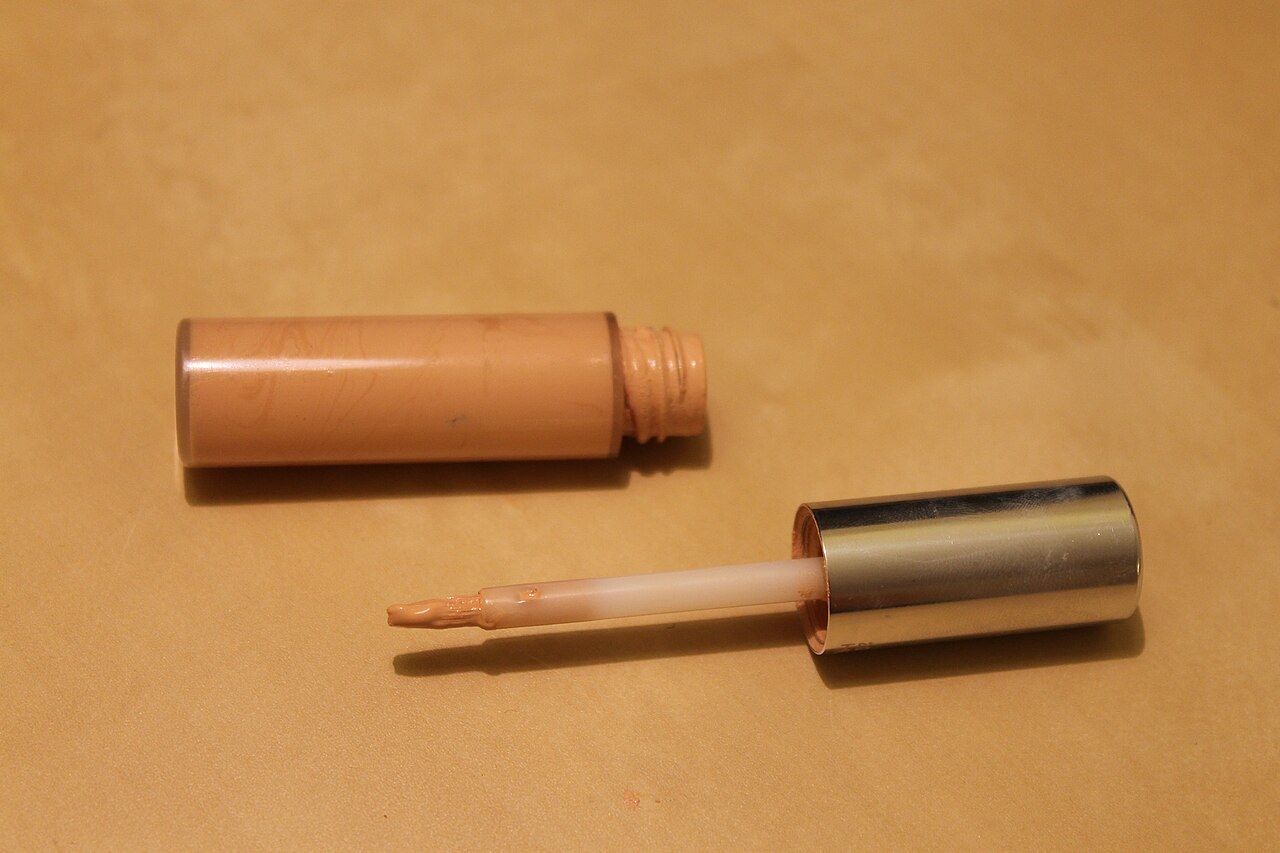
Concealer earns its place by being used sparingly. Its jobs are small and specific: softening the look of under-eye shadow, covering a blemish or a patch of redness, and tidying around the nose and mouth where base tends to wear first. Use a shade close to your skin for blemishes, and one a touch lighter only under the eyes, where brightness helps. Apply with the applicator or a fingertip in dots, wait half a minute, then pat the edges with a ring finger or sponge until there is no visible border; rubbing just moves it off the spot you wanted covered.
For blemishes, a tiny amount pressed precisely onto the spot looks better than a wide smear, and a second thin layer after the first sets beats one thick one. Set concealer under the eyes with the lightest dusting of powder if it creases on you, and skip it entirely on days when there is nothing you actually want to cover.
Powder, setting and daytime touch-ups

Powder's job is traffic control: it takes down shine where shine arrives first and helps the rest of the routine last the day. Use a large, soft brush or a puff, pick up a little, tap off the excess, and press or roll it only onto the areas that need it, usually the forehead, nose, chin and under the eyes, leaving the cheeks and the edges of the face as luminous as your skin naturally is. Too much powder everywhere is the fastest route to a flat, tired finish, especially in photographs.
Through the day, blot before you add: a tissue or blotting sheet pressed gently on shiny areas lifts oil without disturbing what is underneath, and only then, if needed, a light press of powder restores the finish. Carrying a small compact for this two-minute touch-up is the whole secret of looks that still look intentional at six in the evening; the morning routine does not need to be heavier to last.
Blush: placement that looks like health, not paint
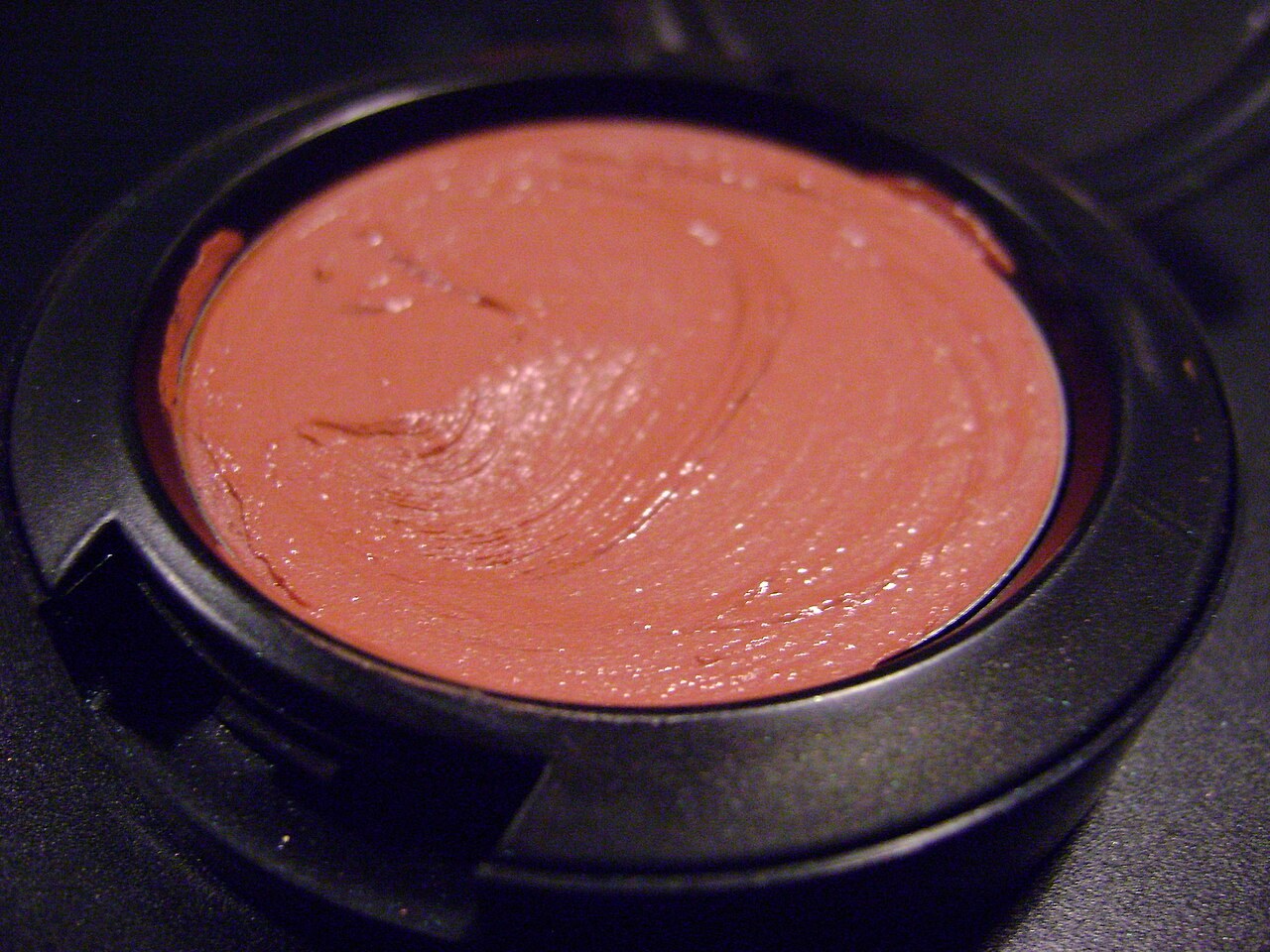
Blush is the step that makes a face look awake, and the step most easily overdone. Smile gently and place colour on the apples of the cheeks, then blend it up and back towards the tops of the ears so there are no round, separate circles. Creams blend with fingertips and suit a low-effort routine; powders sit happily over a powdered base; either way, start with less than you think, step back, and add only if the mirror at arm's length says the colour has disappeared.
A useful guide is to match the intensity to the rest of the look: with a strong lip, keep blush quiet; with bare lips and simple eyes, blush can carry more of the work. Choose a shade in the same family as your natural flush and your lip colour so the face reads as one story. If you overdo it, do not start again: a clean brush or the sponge you used for base, pressed over the top, tones it down neatly.
Contour and highlight: keep it subtle
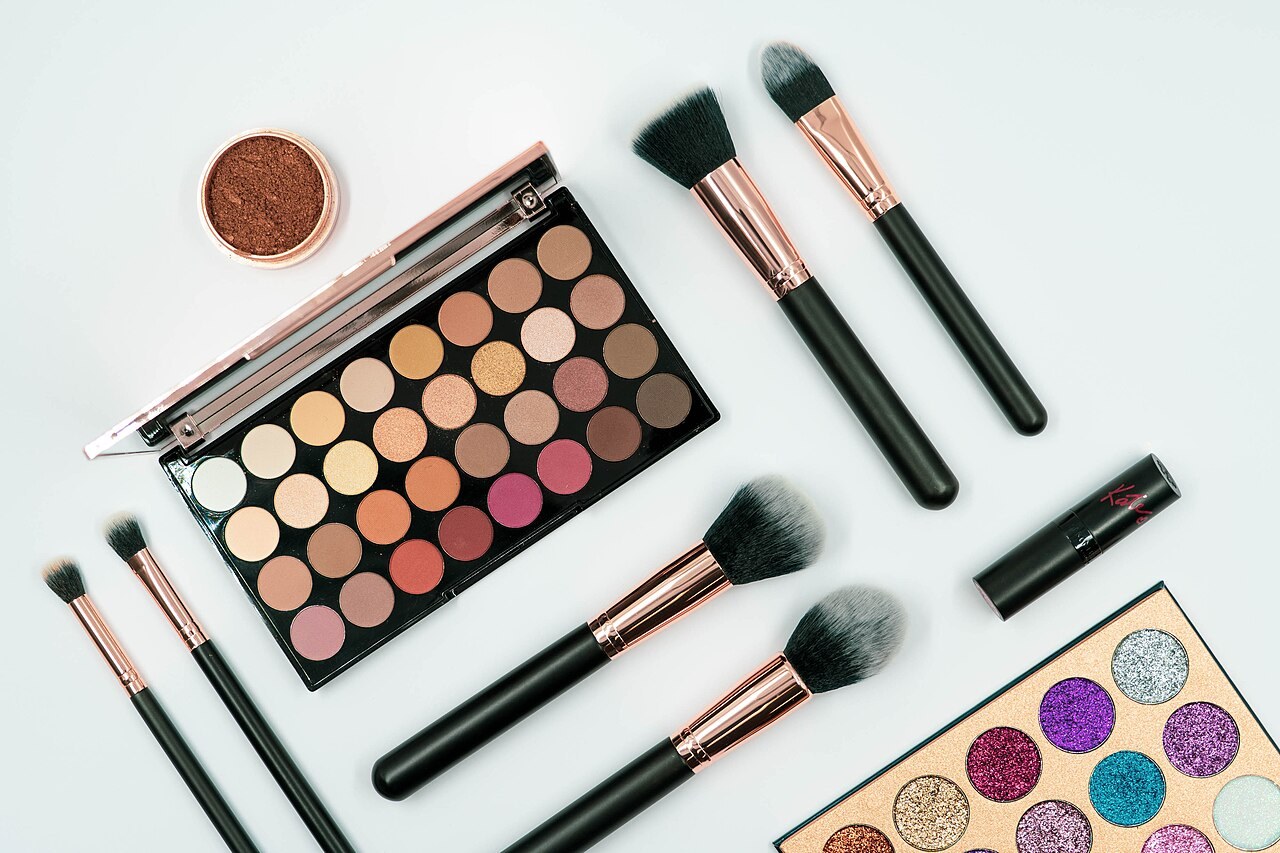
Contour and highlight are optical tools, not obligations, and for an everyday polished look they work best at quarter strength. The principle is simple: a matte shade slightly deeper than your skin, placed where shadow naturally falls, such as under the cheekbones, along the sides of the nose or under the jaw, reads as structure; a soft, low-shimmer highlight on the high points, the tops of the cheekbones and the brow bone, reads as light. Blend both far more than feels necessary, because the edges are what give the game away, and check from the side and in daylight.
Heavy stripes belong to stage and camera lighting, where they are designed for distance and flash, and can look muddy at conversational range. If you are new to it, practise with your blush and a bronzer-toned powder first, keep everything else in the routine unchanged, and remember that a well-matched base plus blush already does most of what contour promises, with none of the risk.
Eyeshadow: one wash of colour, one deeper crease shade
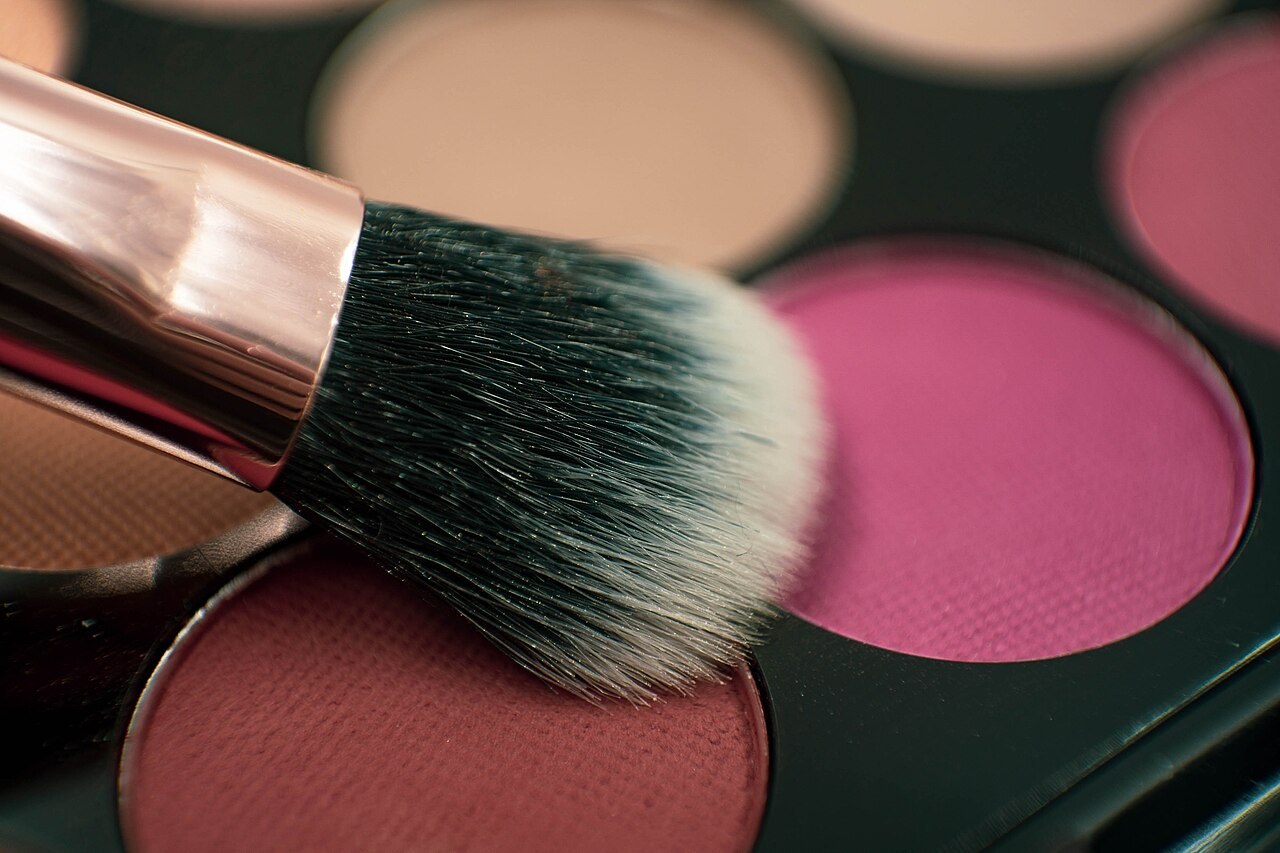
Everyday eyeshadow needs two shades and one rule: blend the edge. Start with a wash of a neutral shade close to your skin tone over the whole lid, which evens the surface and gives other colours something to grip. Add a slightly deeper shade into the crease, the fold above the eye, using a soft brush in small back-and-forth movements, keeping the colour concentrated at the outer half so eyes look open rather than heavy. That is the entire technique; a third, lighter shade at the inner corner or centre of the lid is an optional brightness step, not a requirement.
Matte textures are the most forgiving for daytime and for textured lids, while shimmer draws attention to whatever it sits on, so place it deliberately. Apply shadow before base makeup if you are heavy-handed, so fallout can be cleaned away, and always tap excess off the brush first: it is easier to add a second layer than to rescue a first one that landed all at once.
Eyeliner and mascara: definition without weight
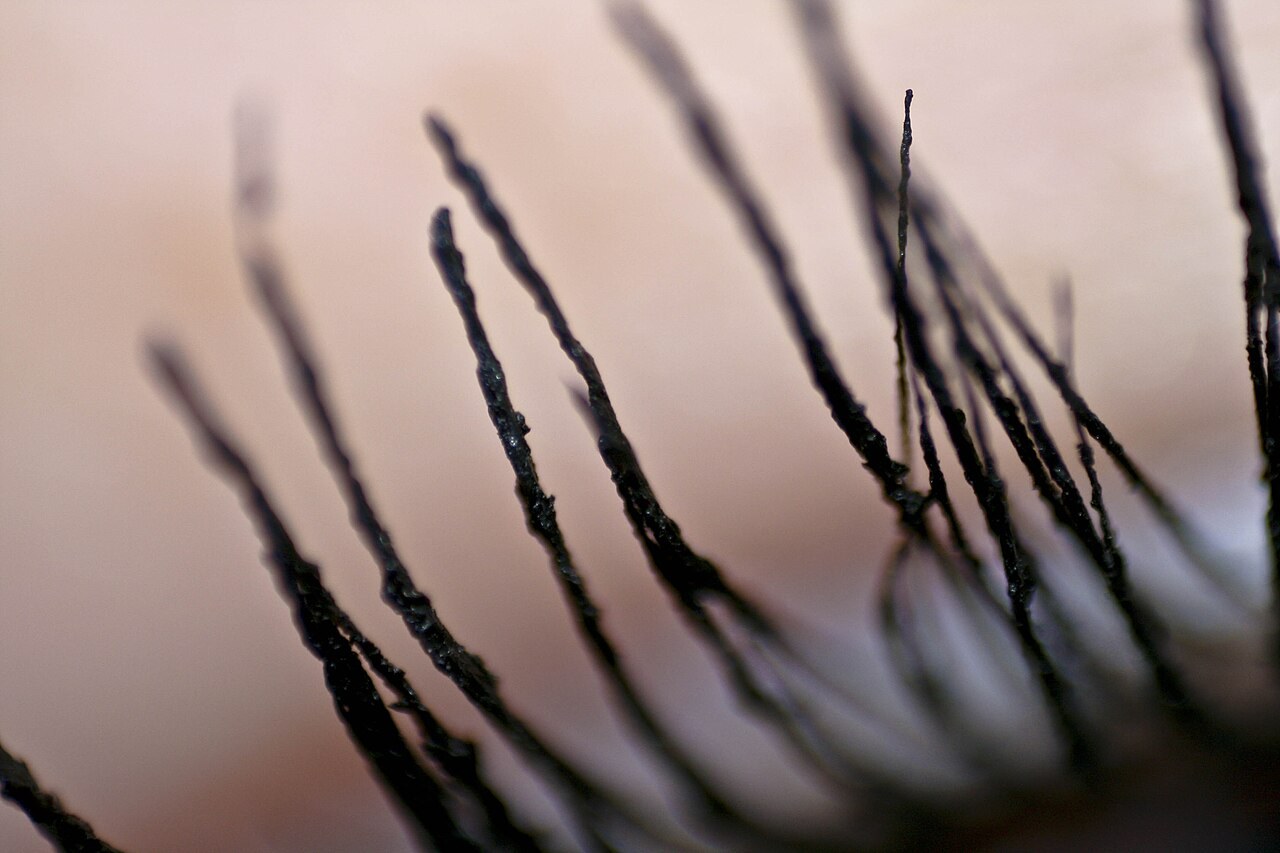
Lashes and a soft line do more for everyday definition than any other eye step. Mascara works best in thin coats: wiggle the wand at the roots, where the darkness creates the illusion of a liner, and pull through to the tips, adding a second coat while the first is still tacky rather than after it dries, which is when clumps form. One coat on lower lashes, or none, keeps the look fresh; a waterproof formula is a fair choice for long days and humid weather, balanced against needing a proper remover at night.
If you use liner, a soft pencil or shadow pressed between the upper lashes tightens the lash line without a visible stripe, and is far more forgiving than a liquid flick for a weekday routine. Curling lashes before mascara lifts the whole eye area in seconds. Whatever you choose, never share mascara or liner, replace mascara regularly as advised on the packaging, and stop using any eye product that leaves your eyes watering or sore.
Brows: follow your natural shape
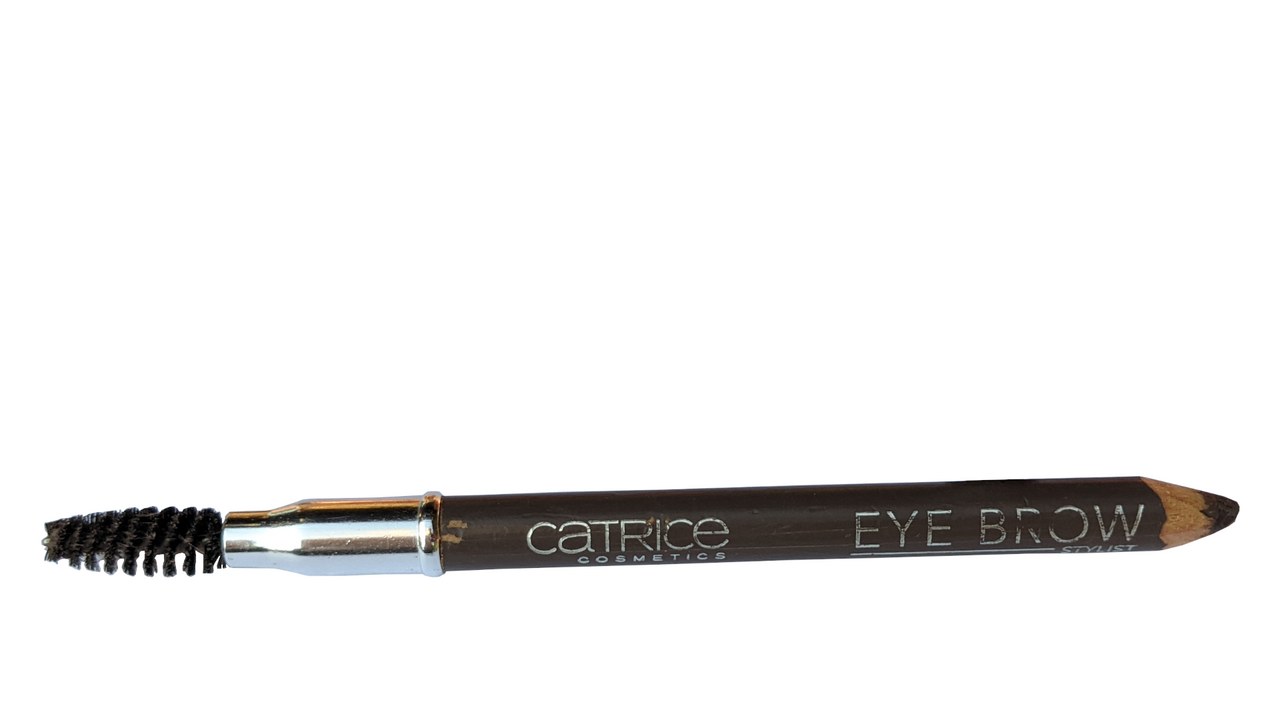
Brows frame everything else, and the polished version of a brow is simply your own brow, tidied. Start by brushing the hairs up and across with a clean spoolie so you can see the natural shape, then fill only the sparse patches with short, hair-like strokes of a pencil or powder a shade close to your brow colour, softer at the inner end and more defined towards the tail. The common mistakes are drawing a new outline over the whole brow, choosing a shade far darker than your hair, and making the two brows identical twins by force; aim for sisters that follow the same map.
Keep plucking or threading conservative and occasional: remove the obvious strays between and beneath the brows, and leave reshaping to a professional if you want a different architecture. Set unruly hairs with a clear gel or a touch of the spoolie after product. Step back regularly while you work, because brows are judged at mirror distance by everyone except you.
Lips: prepare, line, apply, blot
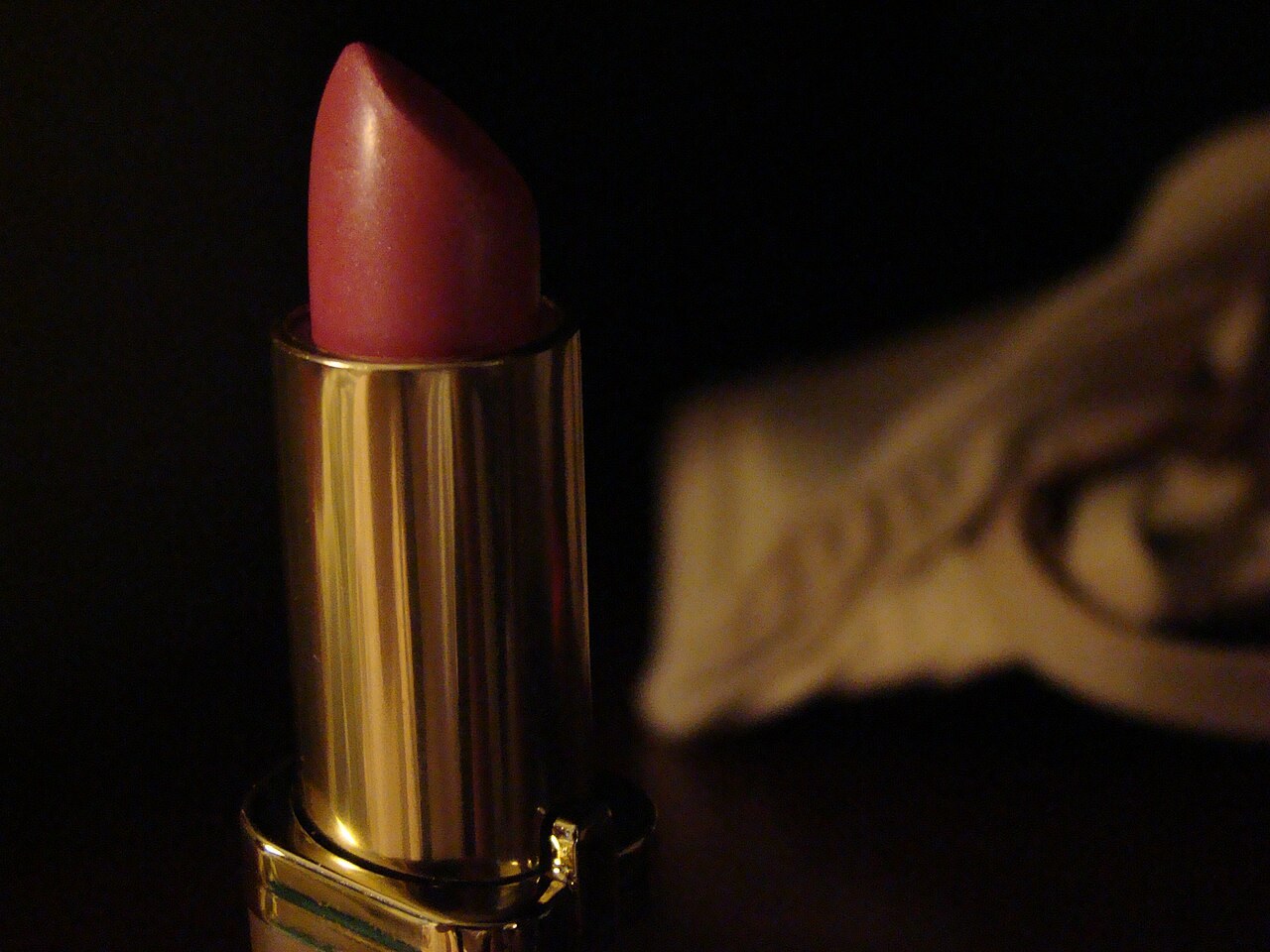
Lip colour is the fastest full stop a routine can have, and it lasts longest with a minute of preparation. Start with smooth lips: a gentle rub with a damp cloth removes loose flakes, and a thin layer of balm, left to sink in while you do the rest of your makeup, stops colour catching on dry patches. Outline and lightly fill the lips with a liner close to your lip or lipstick shade; this gives the colour a border to stay inside and means fading happens gracefully rather than in a hard ring.
Apply lipstick from the centre outwards, blot once on a tissue, and add a second thin layer; that blot-and-reapply pattern is the classic trick behind colour that survives coffee. Choose the finish for the day: satin and cream finishes forgive imperfect precision, while matte and very dark shades demand a tidy edge, so save them for when you have the minutes. A tinted balm or gloss alone is a completely respectable version of this step on low-effort days.
Hair finish: the two-minute tidy
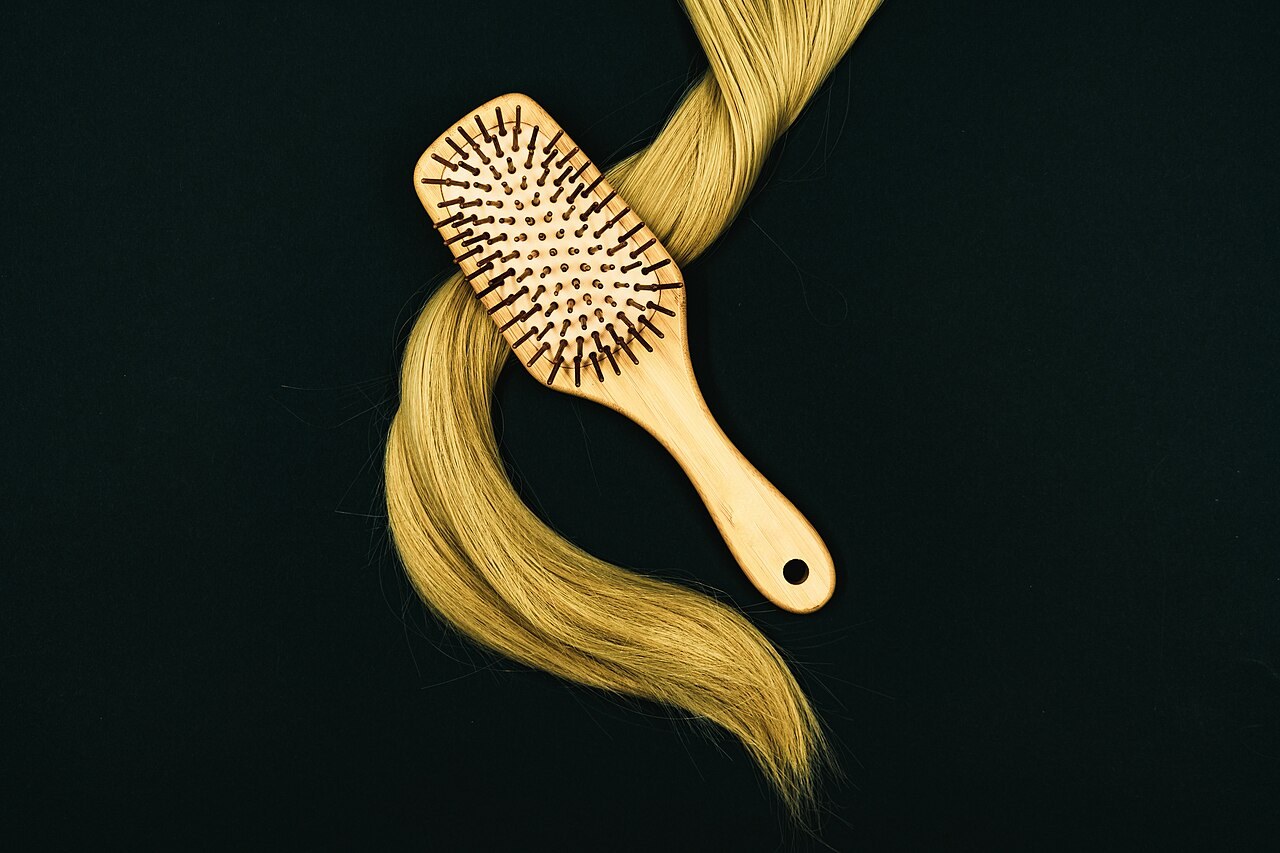
Hair can be clean, dry and technically done, and still make the whole look feel unfinished; the difference is usually two deliberate minutes at the end. Brush or comb through properly, then deal with the details that catch the eye: flyaways smoothed with the palms or a little water worked over the surface, ends that sit in one direction rather than five, and a parting that looks chosen rather than accidental.
A low ponytail, a smooth bun or a neat braid, done with a clean tie and any short pieces pinned, reads as intentional even on unwashed hair, and a centre or side part swap can refresh a familiar cut without any heat. If you use heated tools, keep passes few and purposeful, and let hair cool before brushing out, so the shape holds. Whatever your texture, the rule is the same: one clear idea, executed neatly. A simple style with tidy edges will always look more polished than an ambitious one that has collapsed by lunchtime.
Nails: short, clean and cared for
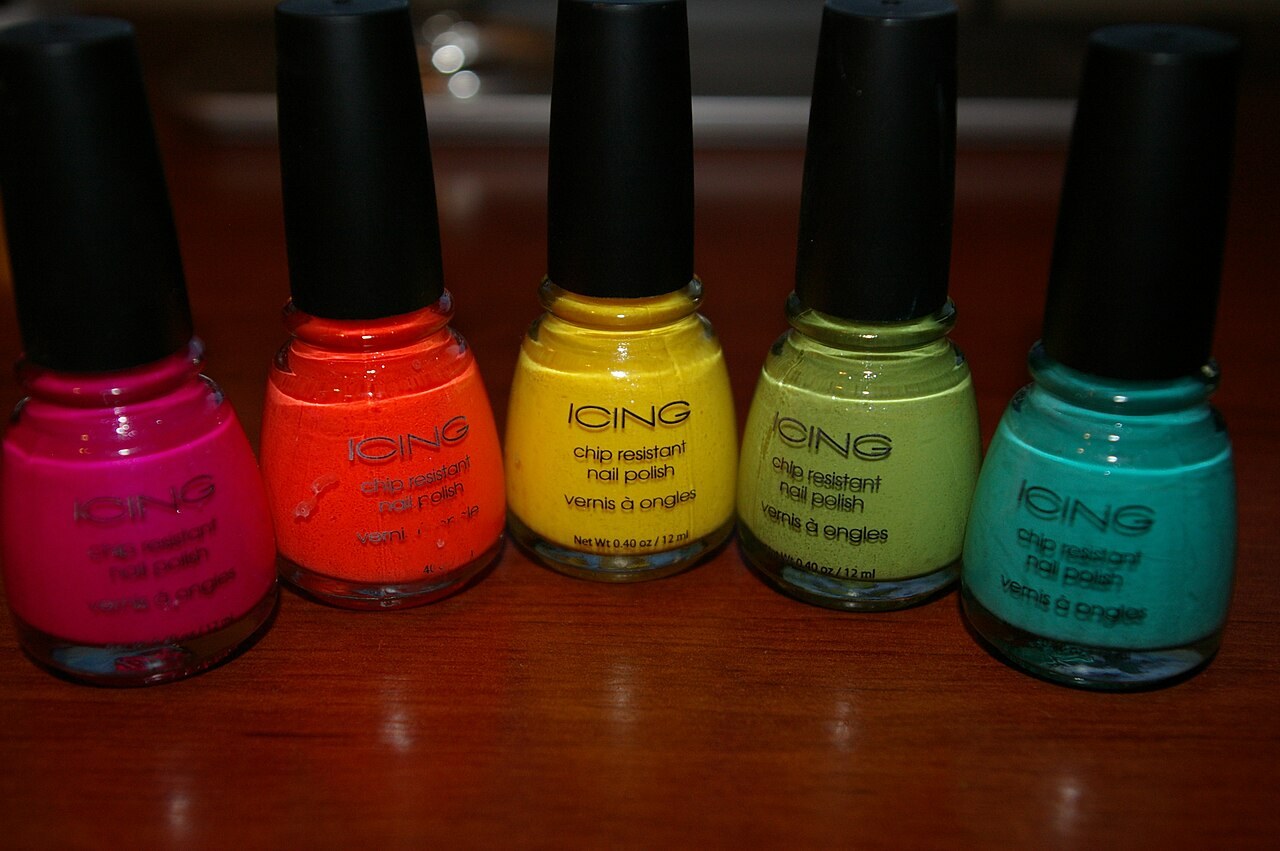
Hands are on show all day, and nails are judged on cleanliness and consistency far more than on colour. Keep nails one length and one shape, file in one direction to a smooth edge, and tidy the skin around them gently after a shower, when it is soft, rather than cutting aggressively at dry cuticles. Clean under the tips, moisturise hands and the nail area at night, and your unpolished nails will already look cared for.
If you wear colour, preparation decides how it wears: clean, dry nails, a base coat, two thin coats of colour rather than one thick one, and a top coat, with the brush swept across the free edge to seal it. Chips look untidy faster than bare nails do, so either commit to the two-minute repair or choose sheer and pale shades that hide wear, and remove colour properly with remover rather than picking, which takes the nail surface with it. Broken nail in a hurry? File it to match the others and move on; even lengths are the whole trick.
Fragrance: less than you think
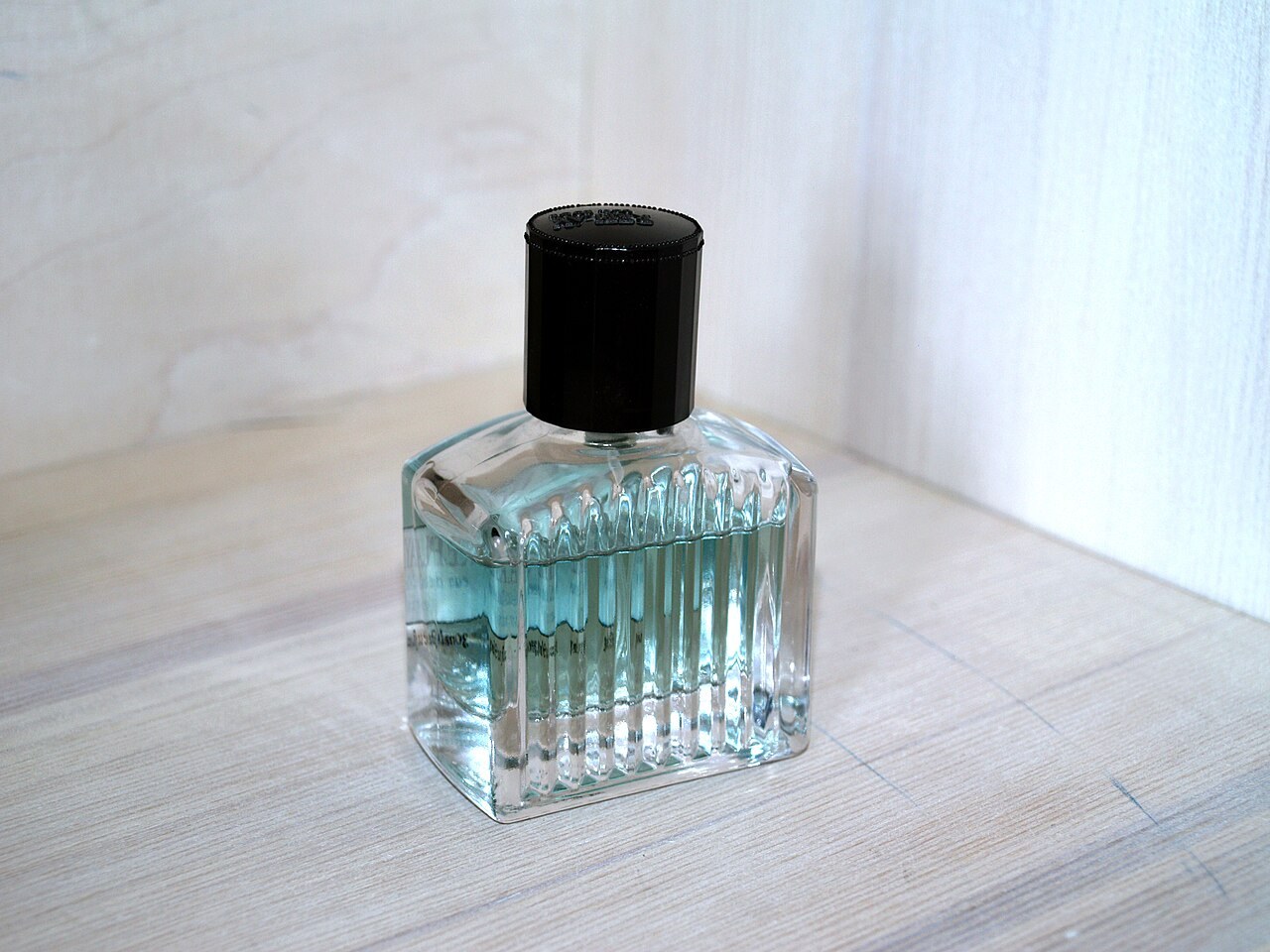
Fragrance is the only step nobody can see, and the easiest to overdo. Skin holds scent best where it is warm and moisturised, so one or two sprays to pulse points such as the sides of the neck or the wrists, applied after your moisturiser, is a full dose for daytime; resist the instinct to add one spray per hour, because your nose adapts to your own scent long before the people around you stop noticing it. Do not rub wrists together hard after spraying, whatever the films do; a gentle press is enough, and rubbing mainly shortens the scent's development on skin.
In shared spaces such as offices, public transport and clinics, treat restraint as part of the polish: the right amount is the amount someone notices only when they are close. Keep bottles away from bathroom heat and light, which age them faster, and rotate a small wardrobe of scents by mood and season rather than chasing a signature. And if you cannot smell it by midday, that may be your nose, not the perfume, asking for more.
Evening routine: take the day off properly
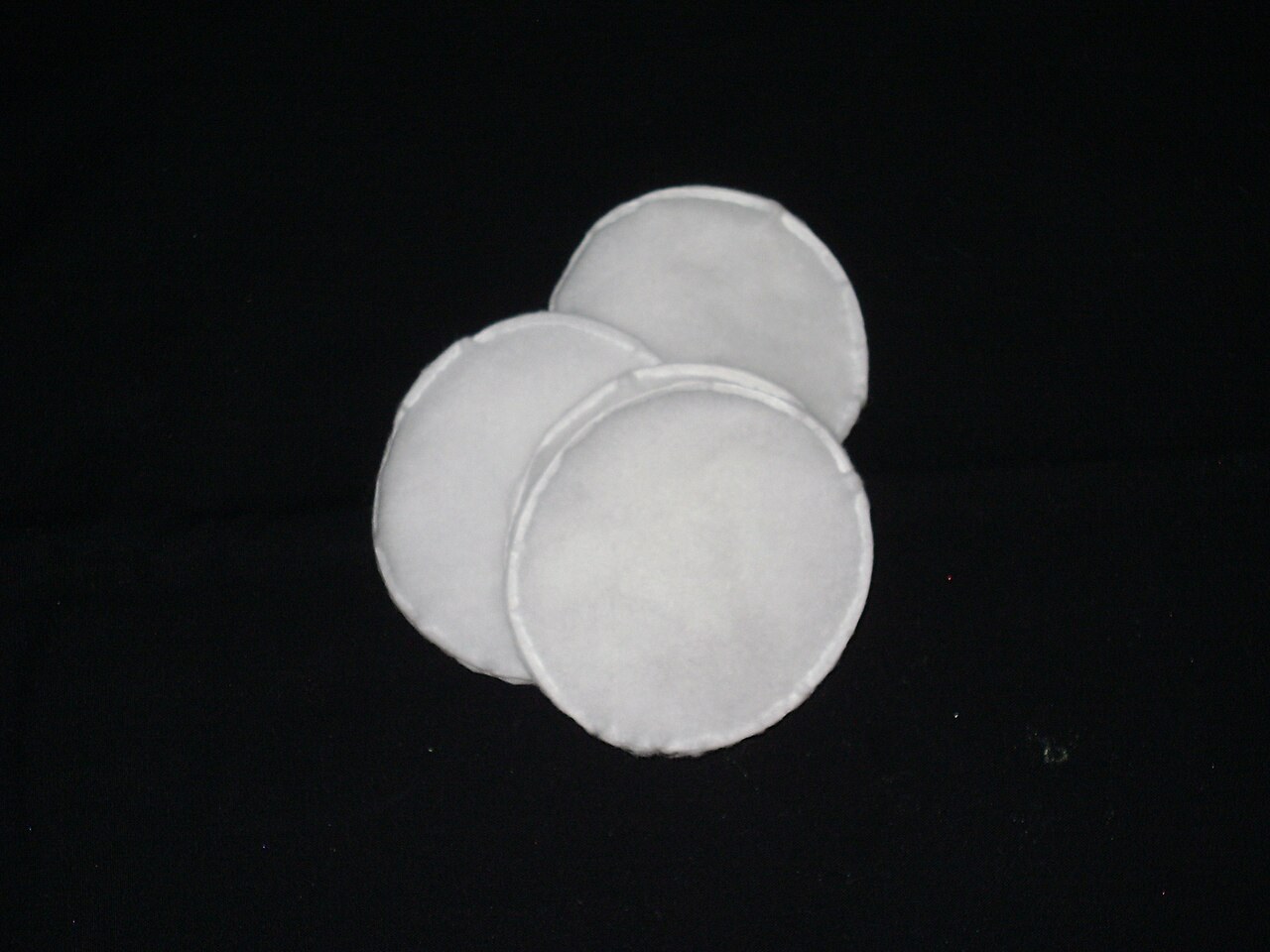
The evening routine is where tomorrow's polished look is actually made, because makeup and the day's accumulation left on overnight mean rougher skin and harder work in the morning. Remove makeup properly: a cleanser worked gently over the face dissolves most everyday makeup, with a dedicated remover or a soaked cotton pad held for a few seconds on the eyes and lips for mascara and long-wear colour, so you dissolve rather than scrub. Follow with your normal cleanse if you like a two-step wash, then moisturiser on slightly damp skin. Never sleep in makeup as a habit, and treat lashes kindly during removal, because tugging costs lashes you will miss.
This is also the housekeeping moment: rinse sponges and the brushes you used, stand them to dry, and put each product back with its lid on, which keeps bacteria down and mornings faster. Check dates and smells as you tidy; makeup that has changed texture or scent has told you it is finished, and replacing it is part of the routine, not an indulgence.
How to choose
Start with the real decision: who will use this, where, how often, and what would make the choice unsafe or disappointing? The following checks keep the shortlist practical.
- Comfort for a full day, not just for the mirror check
- Products that do not irritate your skin or eyes
- A routine short enough to repeat every day
- Good hygiene: clean tools, closed lids, in-date products
What to verify before you commit
Confirm the current specification, price or availability, terms, and seller or provider identity. For companies and services, request a written scope, named contact, references, and cancellation or warranty terms. For products, compare the unit price, compatibility, return window, and genuine support.
Editorial update
A polished look does not require hiding normal skin texture or buying many products. The routine below is deliberately short: a few steps done neatly beat fifteen done hurriedly. Use what suits your skin, stop anything that irritates, and consult a qualified professional for persistent concerns rather than layering on more makeup.
Frequently asked questions
How should I use this guide?
Use the shortlist to define what matters to you, then verify current price, availability, rules, credentials, or catalogue details at the source before you decide.
Is this a fixed ranking?
No. The refreshed page is an editorial starting point organised by fit and evidence. The right choice depends on your use case, location, budget, and timing.
When will this page be updated?
VisitBest reviews time-sensitive details when reliable public information changes. Send corrections or newer source links to visitbest10@gmail.com.
Keep exploring

Punjabi Motivational Shayari on Life: Original Lines with Meaning
Original Punjabi motivational couplets in Gurmukhi with simple English meanings for captions, reflection, and encouragement.

Punjabi Sad Shayari: Original Reflective Lines with Meaning
Original Punjabi lines about distance, memory, and healing, presented in Gurmukhi with simple English meanings.

Best Digital Photography Books: A Reading Path from Exposure to Visual Storytelling
An ordered reading path combining exposure and composition manuals, classic monographs, portrait and project books, and critical writing about how…