
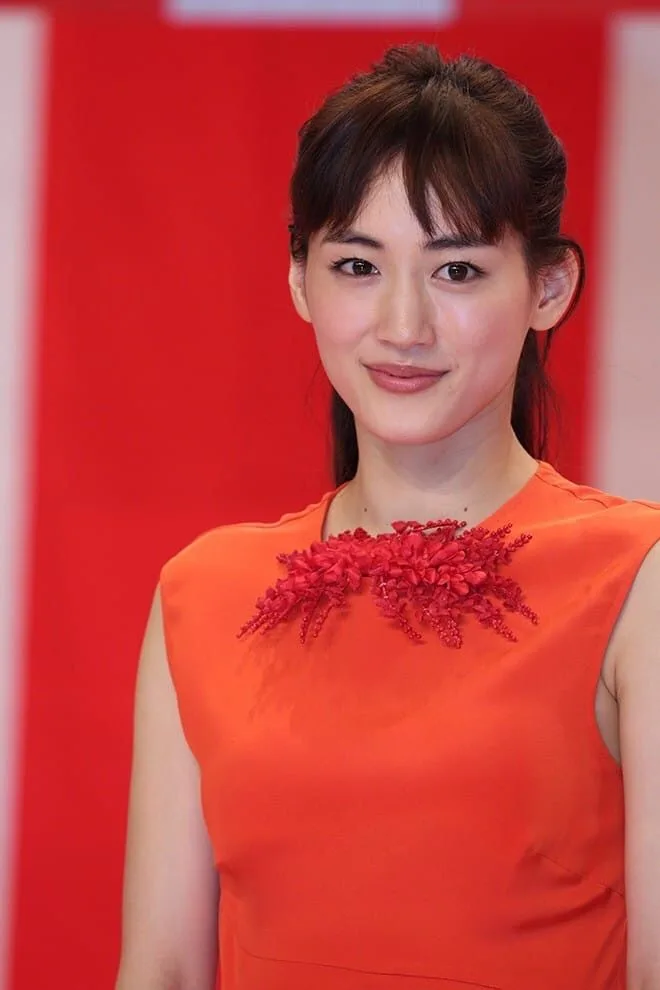
Haruka Ayase
Our Little Sister · Heaven and Hell
16.9% · 2,318 votes
✓ Your vote
From the woman named the most beautiful face in Japan to the Asadora heroines a nation starts its mornings with, these are the ten Japanese actresses who define screen beauty right now — all in recent photographs, and three of them once played sisters in the same Kore-eda film. The list opens with a reader Open Poll on who stands first. Every standing in that poll is audience sentiment only.

Open Poll — for audience sentiment only. This is a VisitBest reader poll with seeded starting figures; it is not an official vote of any kind. The standings show how VisitBest readers feel — nothing on this page is connected to any award, show or official result.
Open Poll opened 26 NOVEMBER 2026 · 13,690 votes so far · one vote per browser
Our Little Sister · Heaven and Hell
16.9% · 2,318 votes
✓ Your vote
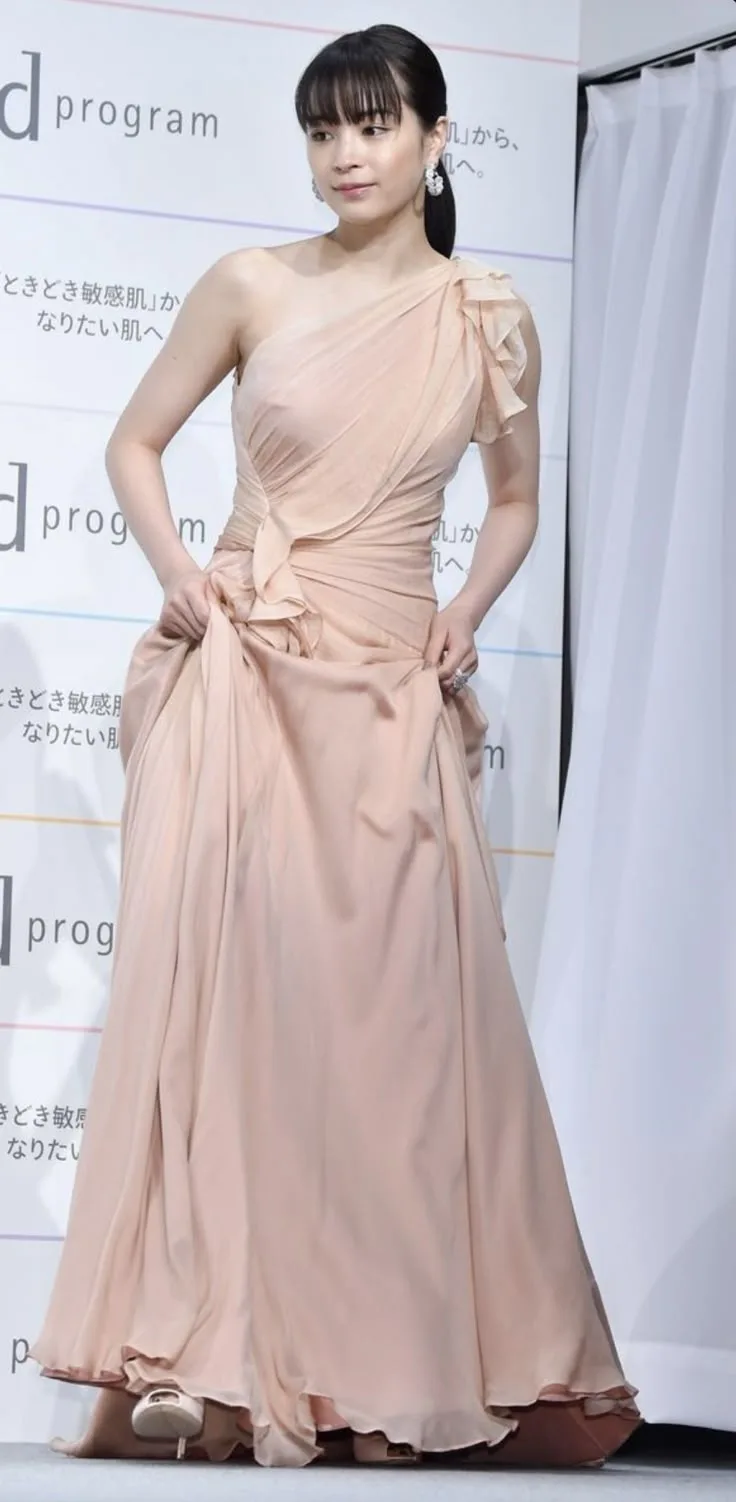
Chihayafuru · Our Little Sister
16.1% · 2,204 votes
✓ Your vote
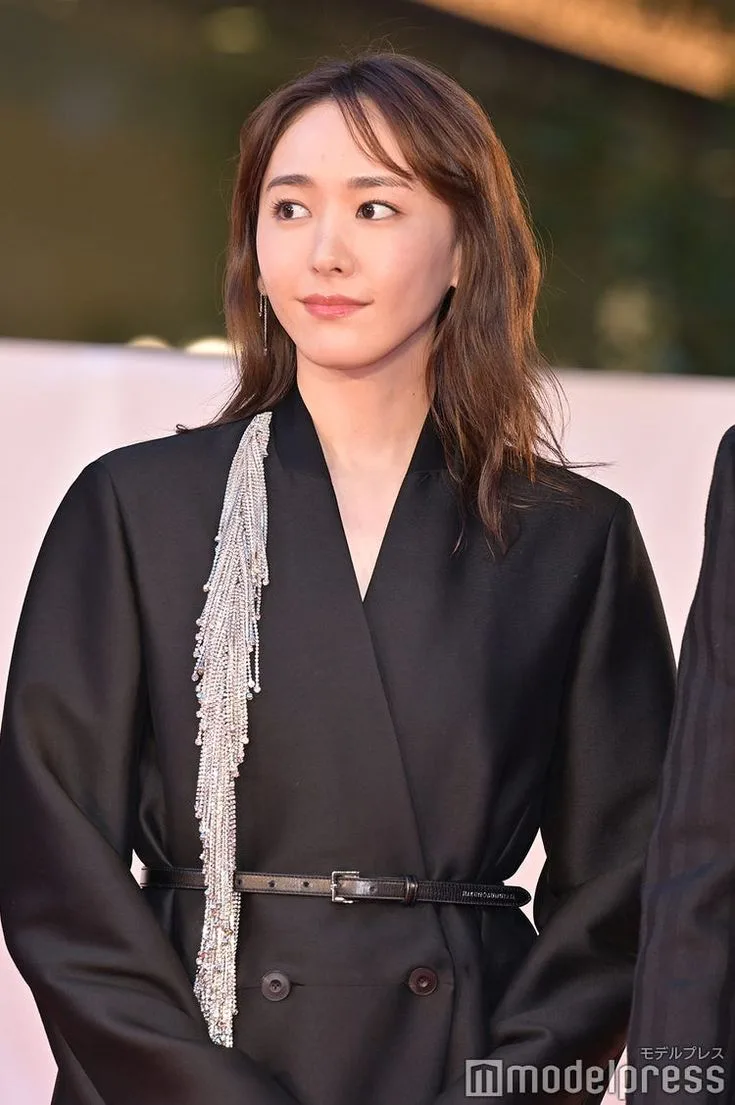
The Full-Time Wife Escapist · Code Blue
14.5% · 1,986 votes
✓ Your vote
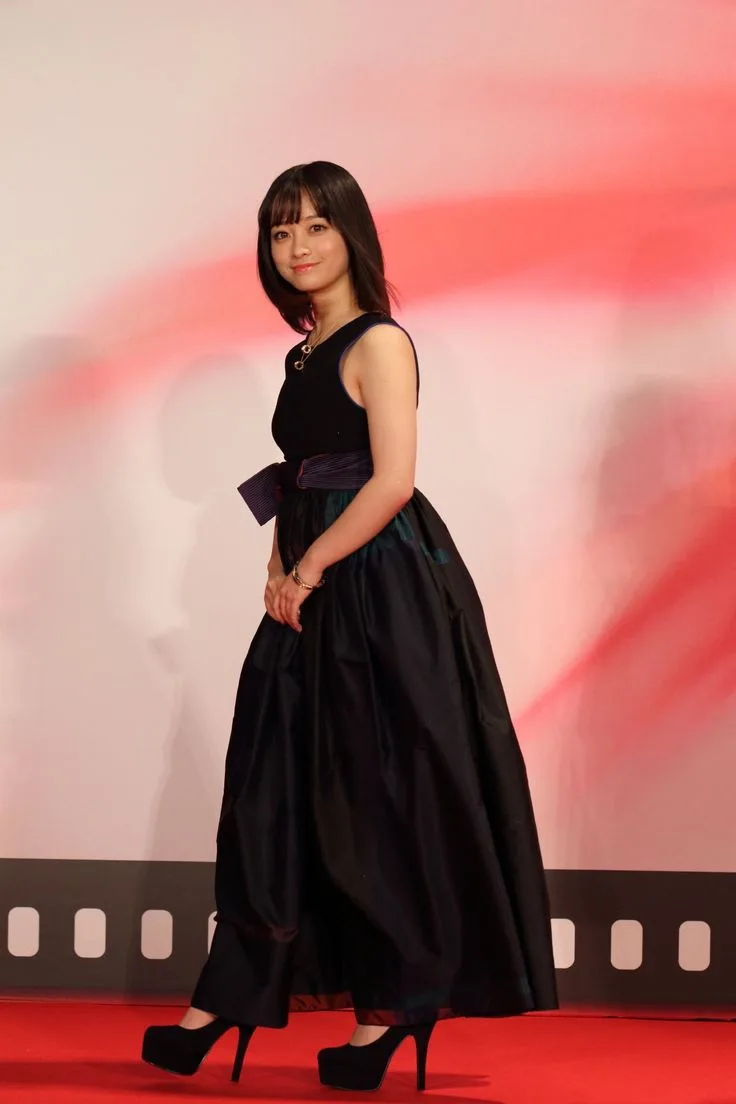
Gintama · Kaguya-sama: Love Is War
12.0% · 1,642 votes
✓ Your vote
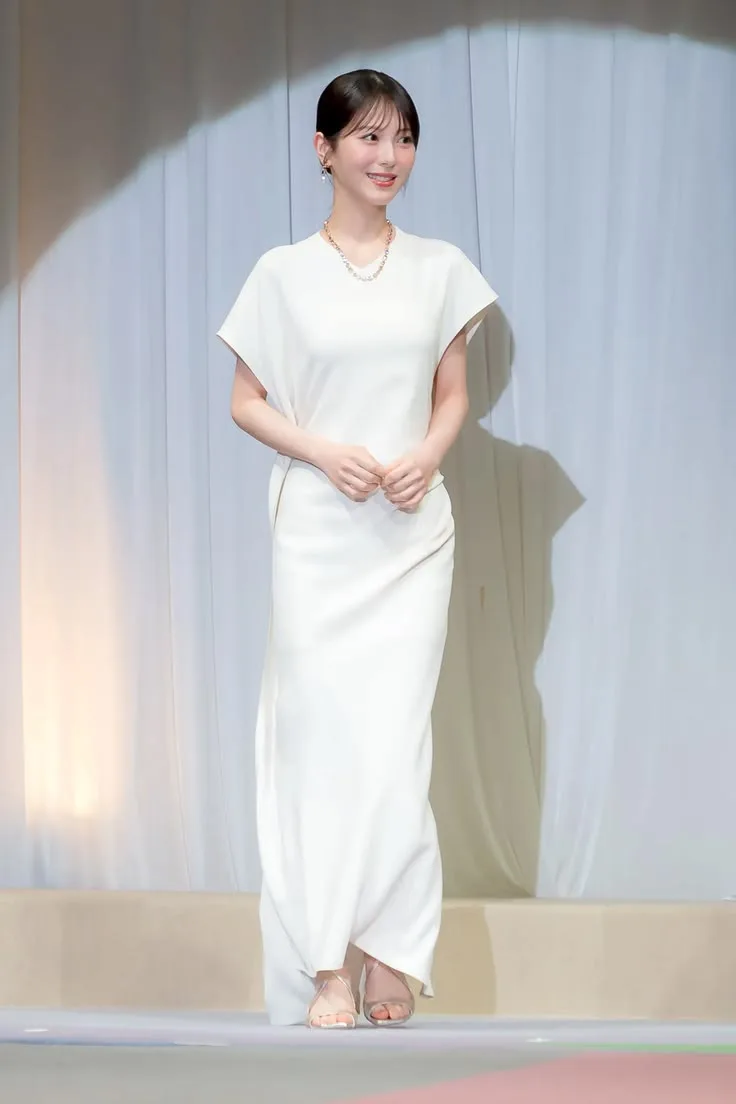
Godzilla Minus One · Let Me Eat Your Pancreas
10.1% · 1,388 votes
✓ Your vote

Unnatural · Shin Godzilla
8.4% · 1,156 votes
✓ Your vote
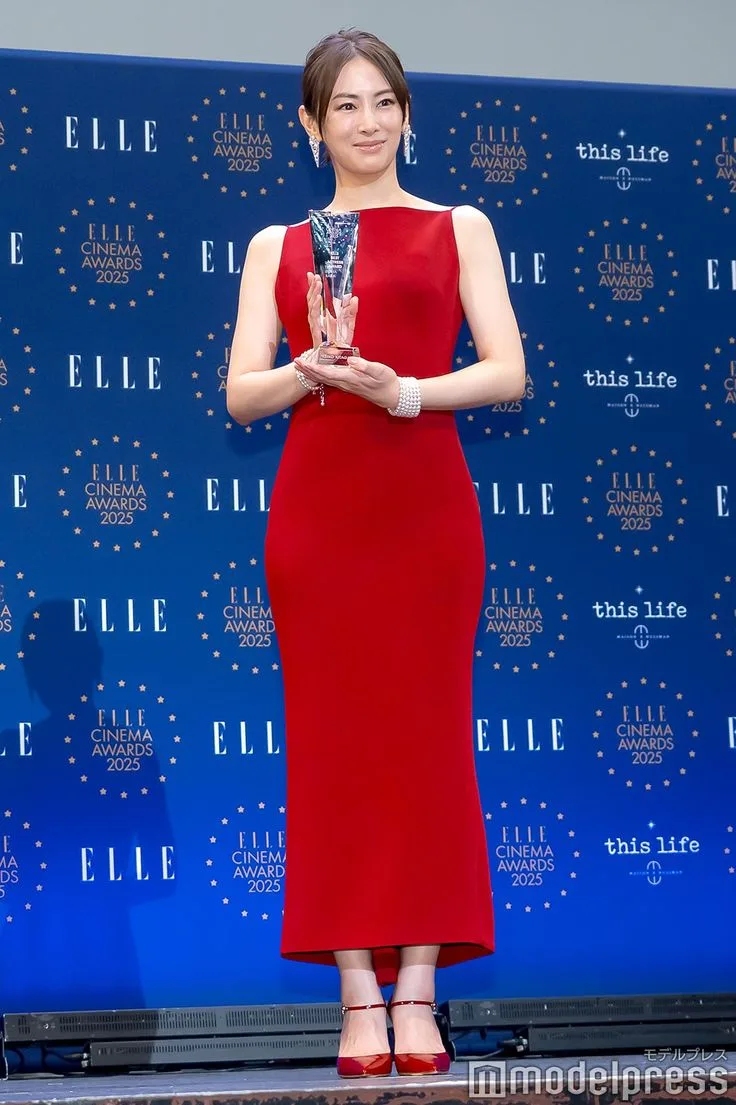
Night Flower · The Promised Neverland
7.0% · 964 votes
✓ Your vote
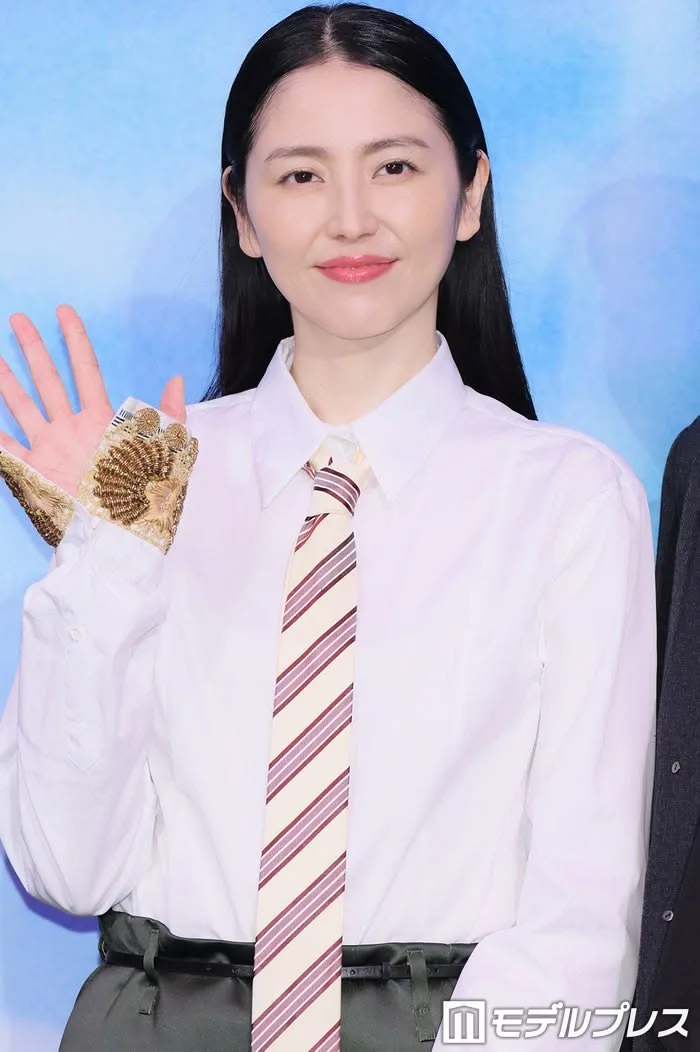
The Confidence Man JP · Our Little Sister
5.9% · 812 votes
✓ Your vote
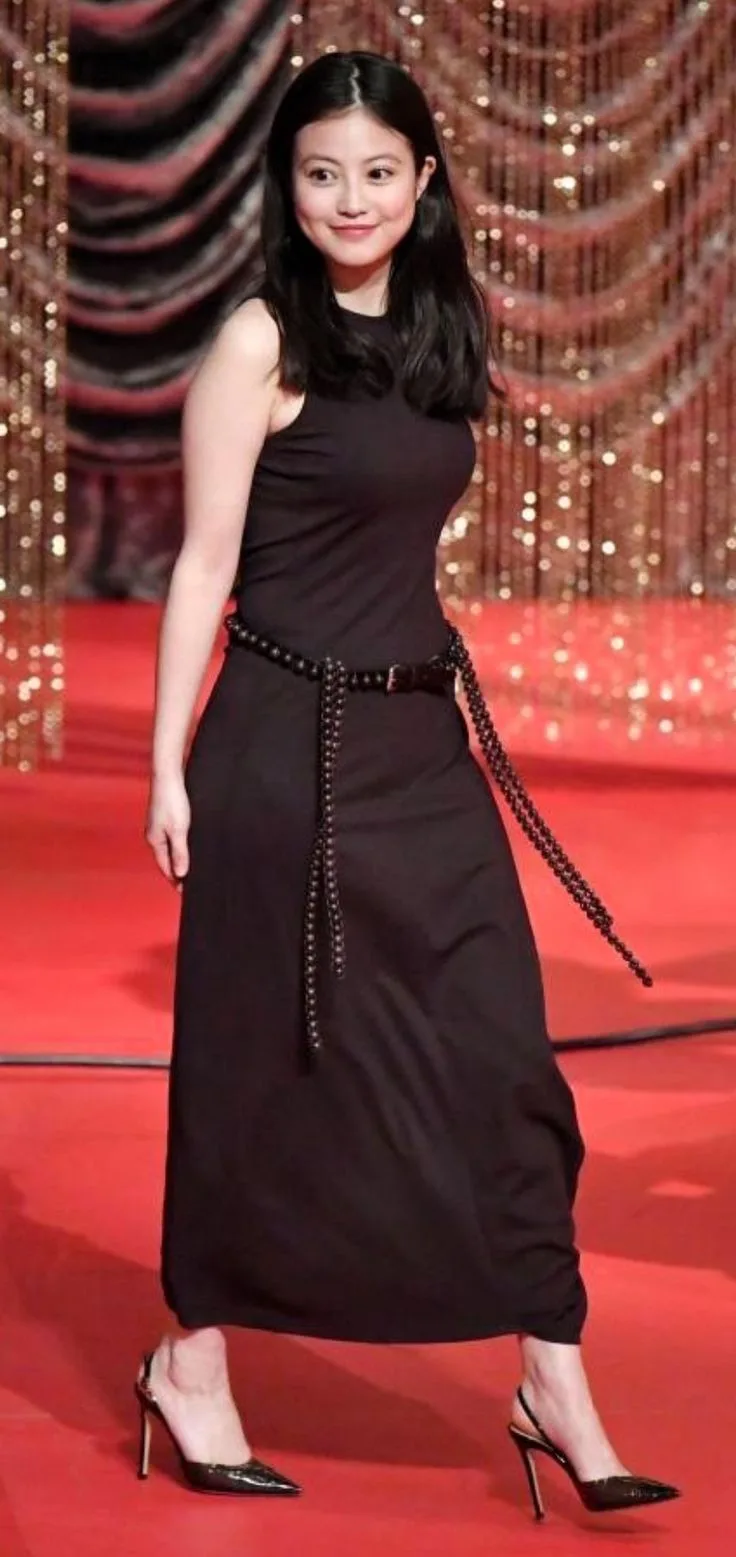
Anpan · Tokyo Revengers
5.1% · 693 votes
✓ Your vote
The World of Kanako · Silence
3.8% · 527 votes
✓ Your vote
Thank you — your vote is counted in the standings above. Open Poll — for audience sentiment only.
Haruka Ayase
16.9% · 2,318 votes
Suzu Hirose
16.1% · 2,204 votes
Yui Aragaki
14.5% · 1,986 votes
Kanna Hashimoto
12.0% · 1,642 votes
Minami Hamabe
10.1% · 1,388 votes
Satomi Ishihara
8.4% · 1,156 votes
Keiko Kitagawa
7.0% · 964 votes
Masami Nagasawa
5.9% · 812 votes
Mio Imada
5.1% · 693 votes
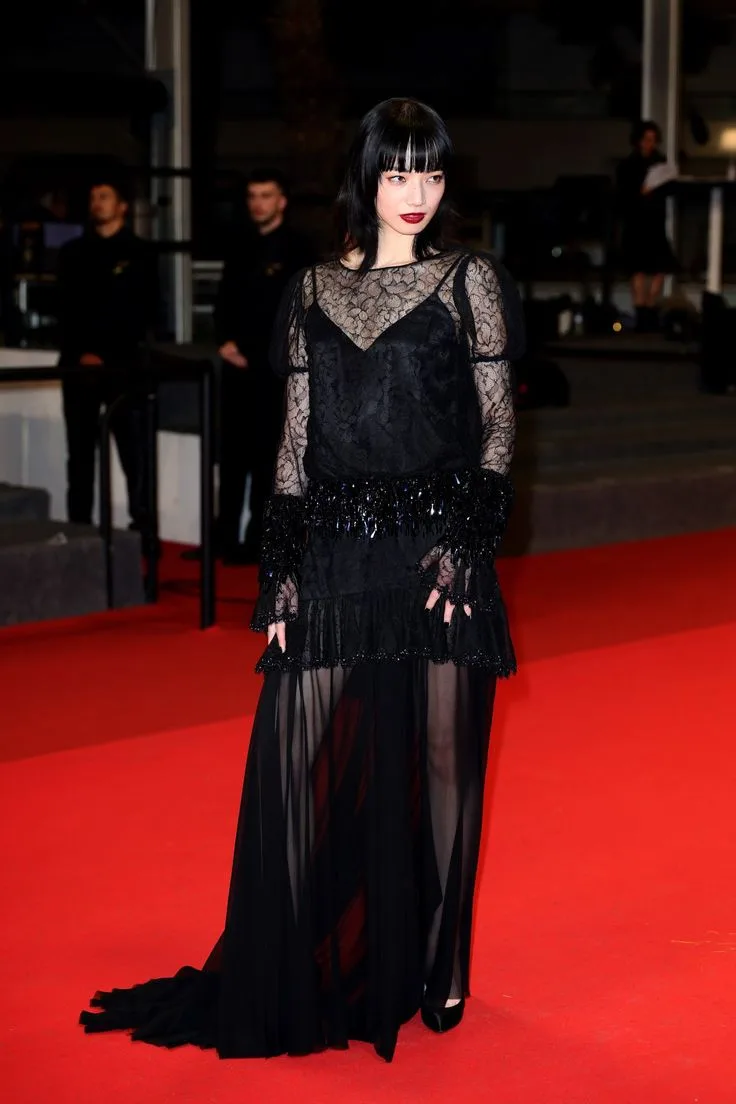
Nana Komatsu
3.8% · 527 votes
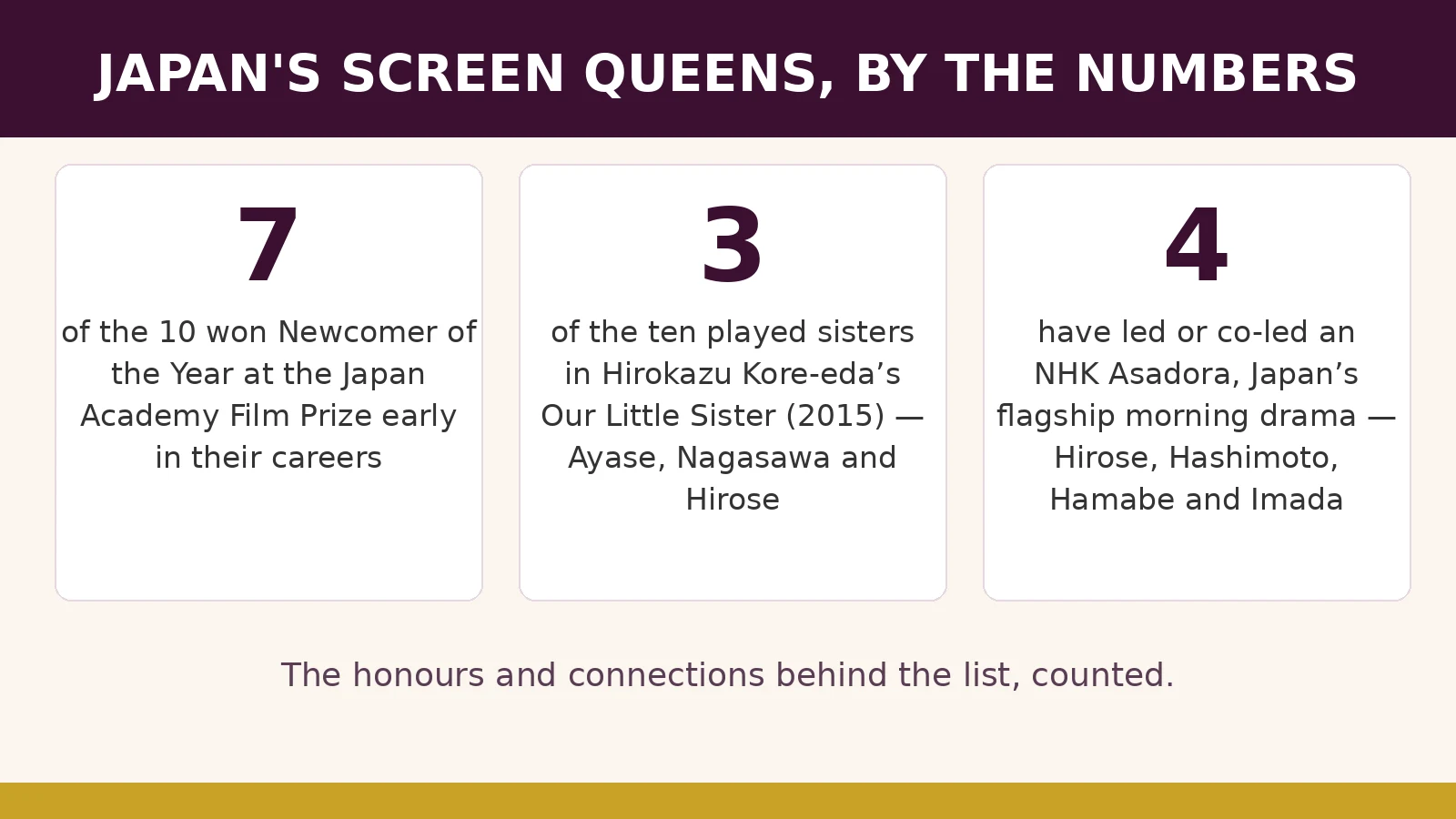
Japanese cinema and television run on a star system all of their own — morning-drama heroines become national sweethearts, and a Kore-eda film can define a generation of actresses at once. This list ranks the ten Japanese actresses who define screen beauty in Japan right now, from a woman once named the most beautiful face in the country to the current generation's Cannes regulars.
Every photograph is recent, and the ranking weighs signature roles, honours and current work. Two of the ten work under stage names, and three of them once played sisters in the same film — the details are in the profiles. The Open Poll at the top of the page lets readers cast their own vote.
| Name | Born | Signature role | Where she is now |
|---|---|---|---|
| Haruka Ayase | 24 March 1985, Hiroshima | Sachiko in Our Little Sister (2015) | Three lead films in 2026, including Kore-eda's Sheep in the Box |
| Suzu Hirose | 19 June 1998, Shizuoka | Chihaya in the Chihayafuru trilogy (2016–2018) | A Pale View of Hills (2025); You, Like a Star (2026) |
| Yui Aragaki | 11 June 1988, Naha, Okinawa | Mikuri in The Full-Time Wife Escapist (2016) | Worlds Apart (2024); works selectively |
| Kanna Hashimoto | 3 February 1999, Fukuoka | Kagura in Gintama (2017) | Asadora Omusubi heroine; Kingdom 5 (2026) |
| Minami Hamabe | 29 August 2000, Ishikawa | Noriko in Godzilla Minus One (2023) | Godzilla Minus Zero (2026); Taiga drama Brothers in Arms |
| Satomi Ishihara | 24 December 1986, Tokyo | Mikoto Misumi in Unnatural (2018) | Missing (2024); Politica Lupin (2026) |
| Keiko Kitagawa | 22 August 1986, Kobe | Isabella in The Promised Neverland (2020) | Night Flower (2025) — Hochi and ELLE Best Actress |
| Masami Nagasawa | 3 June 1987, Iwata, Shizuoka | Dako in The Confidence Man JP (2019–2022) | Dollhouse and Hokusai's Daughter (2025) |
| Mio Imada | 5 March 1997, Fukuoka | Miyo in As Long as We Both Shall Live (2023) | Asadora Anpan heroine (2025); Merry Berry Love (2026) |
| Nana Komatsu | 16 February 1996, Tokyo | Kanako in The World of Kanako (2014) | Exit 8 at Cannes (2025); Chanel ambassador |
Birth dates, roles and honours are as stated in each actress's Wikipedia profile, checked in November 2026. Japanese names are given in the order those profiles use; two entries work under stage names, and their birth names are noted in their profiles.

Haruka Ayase, born Aya Tademaru, has been at the top of Japanese beauty rankings for so long that her Wikipedia profile records her being named the most beautiful face in Japan in 2018. Her range is the real story: the beloved eldest sister Sachiko in Hirokazu Kore-eda’s Our Little Sister (2015), the Taiga drama lead in Yae’s Sakura, and hit series from Hotaru no Hikari to Heaven and Hell: Soul Exchange.
Her honours include Best Actress at the Blue Ribbon Awards (Oppai Volleyball), the Mainichi Film Awards and the Yokohama Film Festival (both for Our Little Sister), and the Hochi Film Award for The Legend and Butterfly and Revolver Lily (2023). She is busier than ever: 2026 brings three lead films, including Sheep in the Box, which reunites her with Kore-eda.
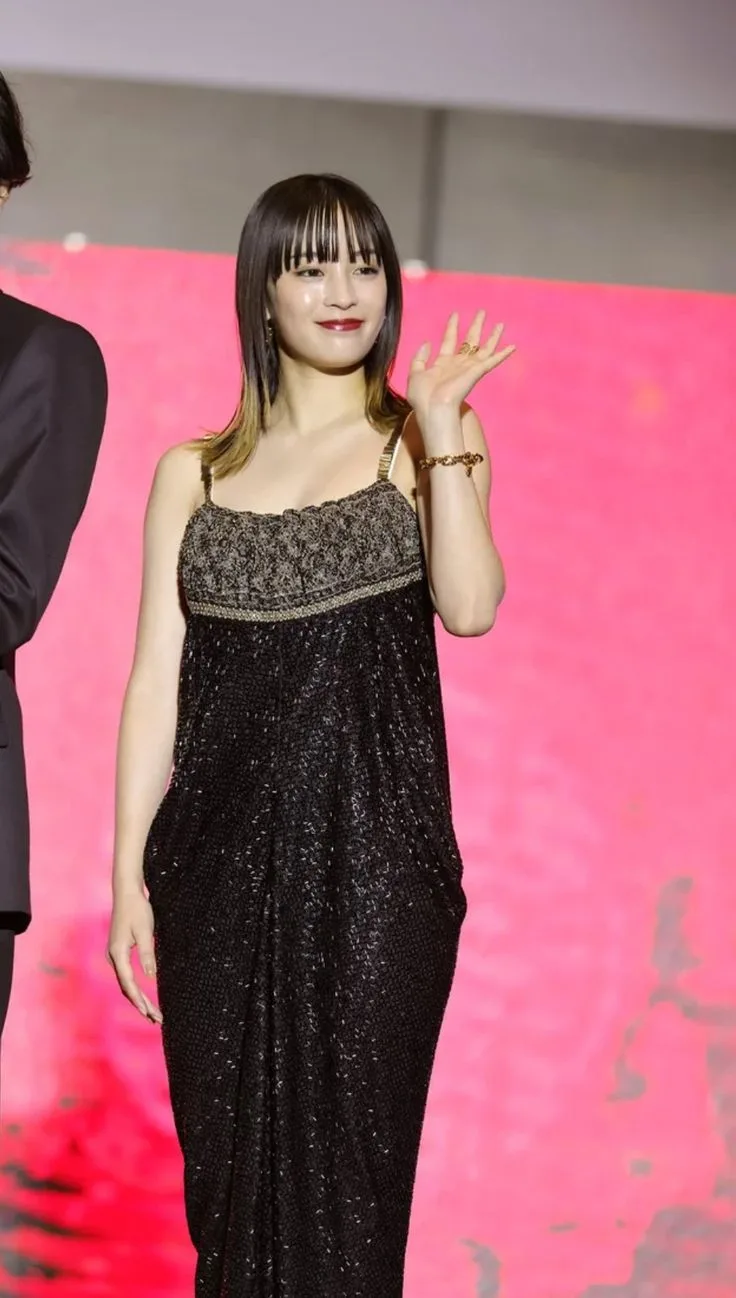
Suzu Hirose broke through at seventeen as the youngest of the four sisters in Our Little Sister (2015), winning Newcomer of the Year at the Japan Academy Film Prize, then headlined the Chihayafuru trilogy and became the heroine of Natsuzora, NHK’s 100th Asadora morning drama. The Third Murder (2017) added a Japan Academy Best Supporting Actress prize while she was still a teenager.
She is now the defining actress of her generation in Japan: A Pale View of Hills (2025) took her to Cannes and brought Best Actress honours at the Yokohama Film Festival and the Nikkan Sports Film Awards, and 2026 brings the lead in You, Like a Star and Netflix’s Human Vapor.
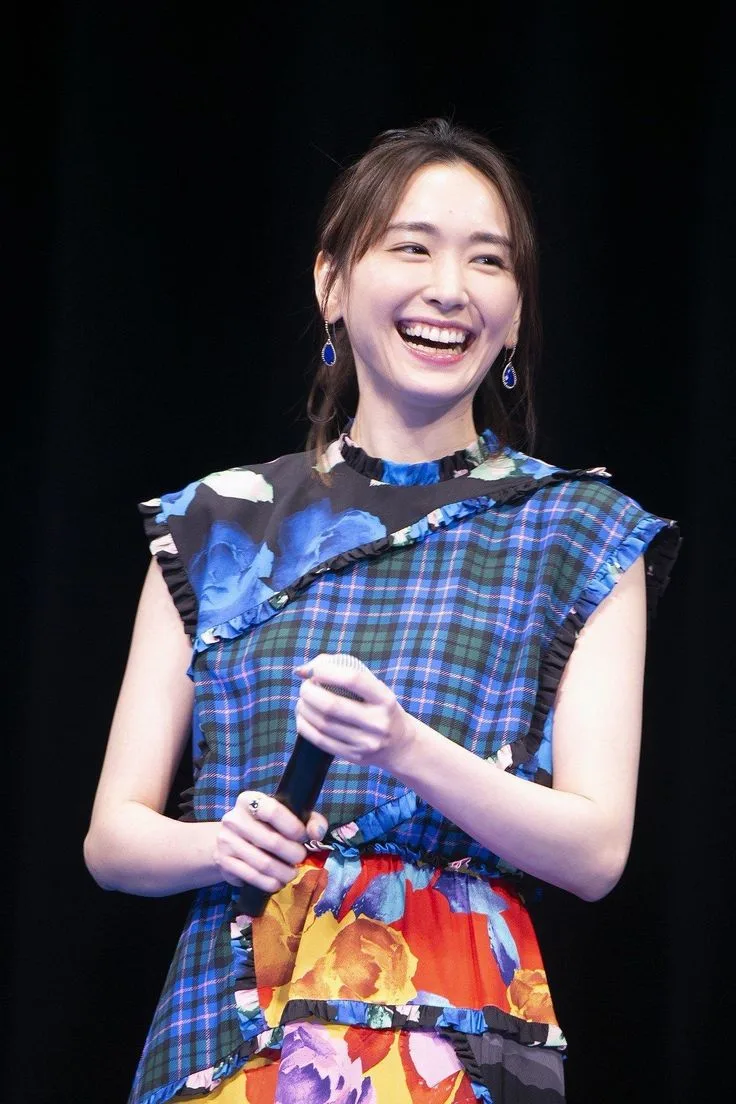
Yui Aragaki — "Gakki" to a whole country — became a star with Sky of Love (2007), spent a decade as Dr Shiraishi in Code Blue, and then fronted The Full-Time Wife Escapist (2016), whose ending "koi dance" went viral across Japan; she won Best Actress at the Blue Ribbon Awards for Mixed Doubles (2017). She married her Escapist co-star Gen Hoshino in 2021.
She works selectively now: (Ab)normal Desire (2023) brought her a Japanese Movie Critics Best Supporting Actress award, and she led Worlds Apart in 2024. Her profile lists no new acting credits for 2025 or 2026, and in October 2026 she and Hoshino announced the birth of their first child — a quieter chapter, stated here exactly as her record shows it.
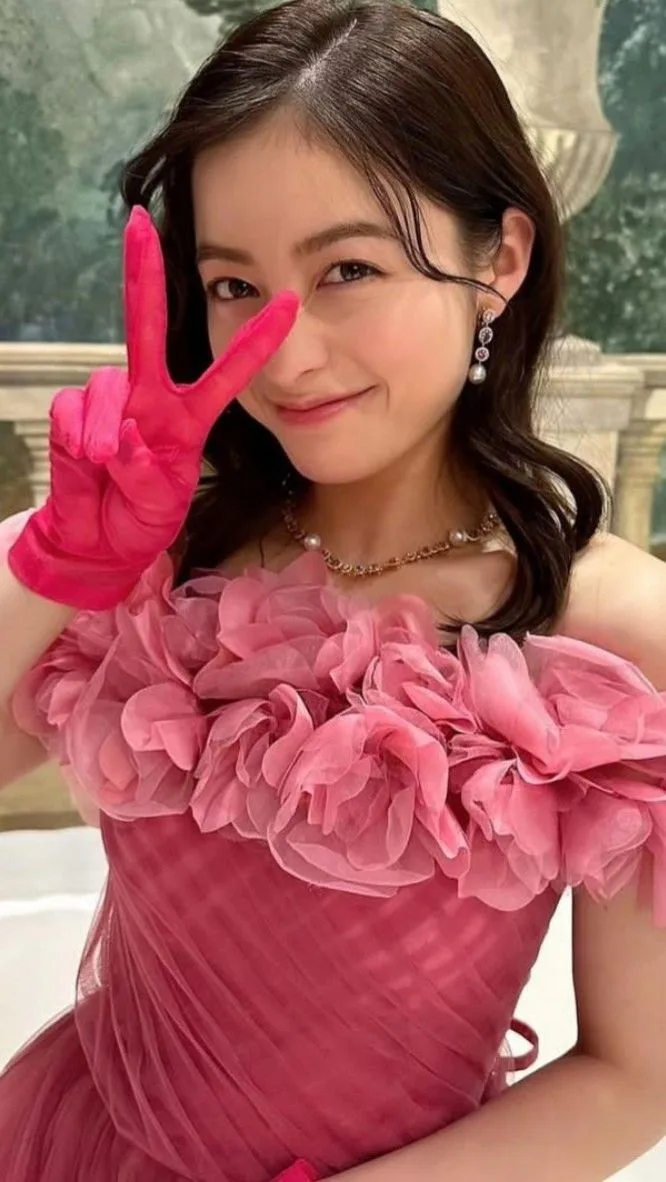
Kanna Hashimoto was a Fukuoka idol when a fan’s photograph of her performing went viral in 2013 and made her famous overnight. She converted that fame into a real acting career: Kagura in the Gintama films, the lead in Kaguya-sama: Love Is War, and a running role in the Kingdom film series, alongside a Japan Academy Newcomer Award for Sailor Suit and Machine Gun: Graduation.
She carried the Asadora Omusubi (2024–2025) as its heroine, hosted NHK’s Kōhaku Uta Gassen three years running, and returns in Kingdom 5: The Clash of Souls in 2026, with two more lead dramas the same year.
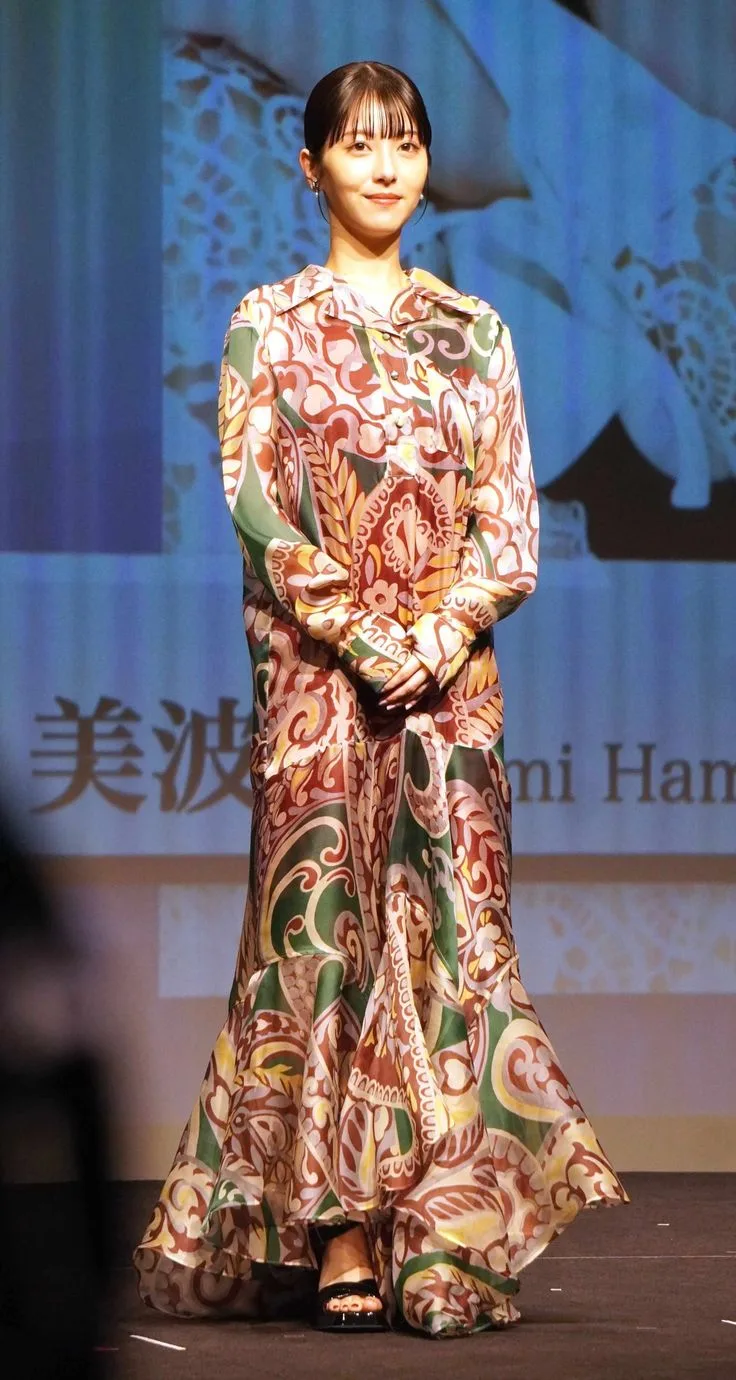
Minami Hamabe won the New Generation Award at the Toho Cinderella Audition as a child and broke through leading Let Me Eat Your Pancreas (2017), which brought her Newcomer of the Year at the Japan Academy Prize. Kakegurui made her a fan favourite, and the Asadora Ranman put her in Japan’s flagship morning slot.
Her 2023 double of Godzilla Minus One and Shin Kamen Rider won her Best Supporting Actress at the Blue Ribbon Awards and a Japan Academy Best Actress nomination. In 2026 she reprises Noriko in Godzilla Minus Zero and joins the Taiga drama Brothers in Arms.
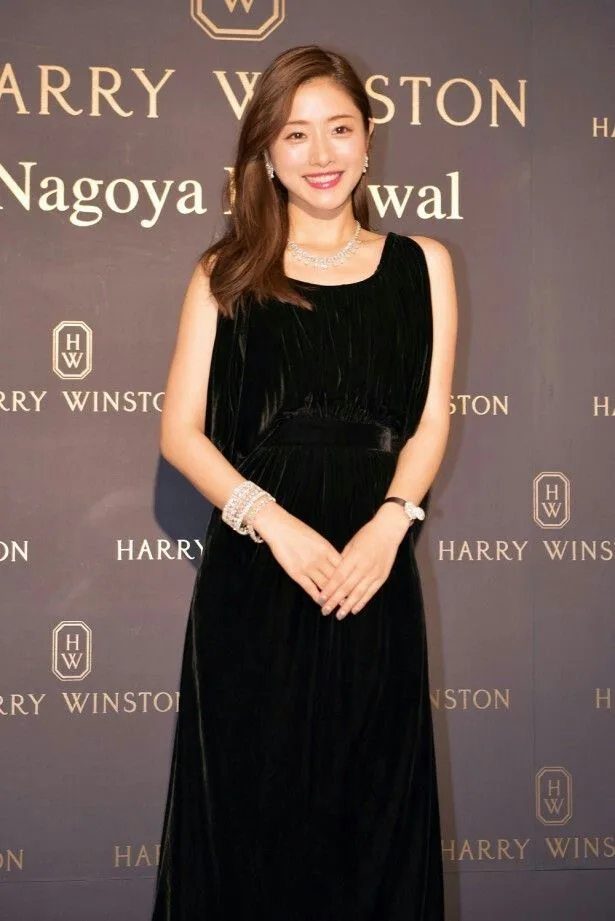
Satomi Ishihara, born Kuniko Ishigami, debuted as a lead at sixteen in Kimi wa Petto and grew into one of Japan’s most bankable television stars with Rich Man, Poor Woman and Heartbroken Chocolatier. Shin Godzilla (2016) took her English-speaking performance worldwide, and Unnatural (2018) won her Best Actress at the Tokyo Drama Awards.
Missing (2024) brought her the Hochi Film Award for Best Actress and a Japan Academy nomination. After the birth of her second child in 2025, she returns in 2026 leading the drama Politica Lupin.
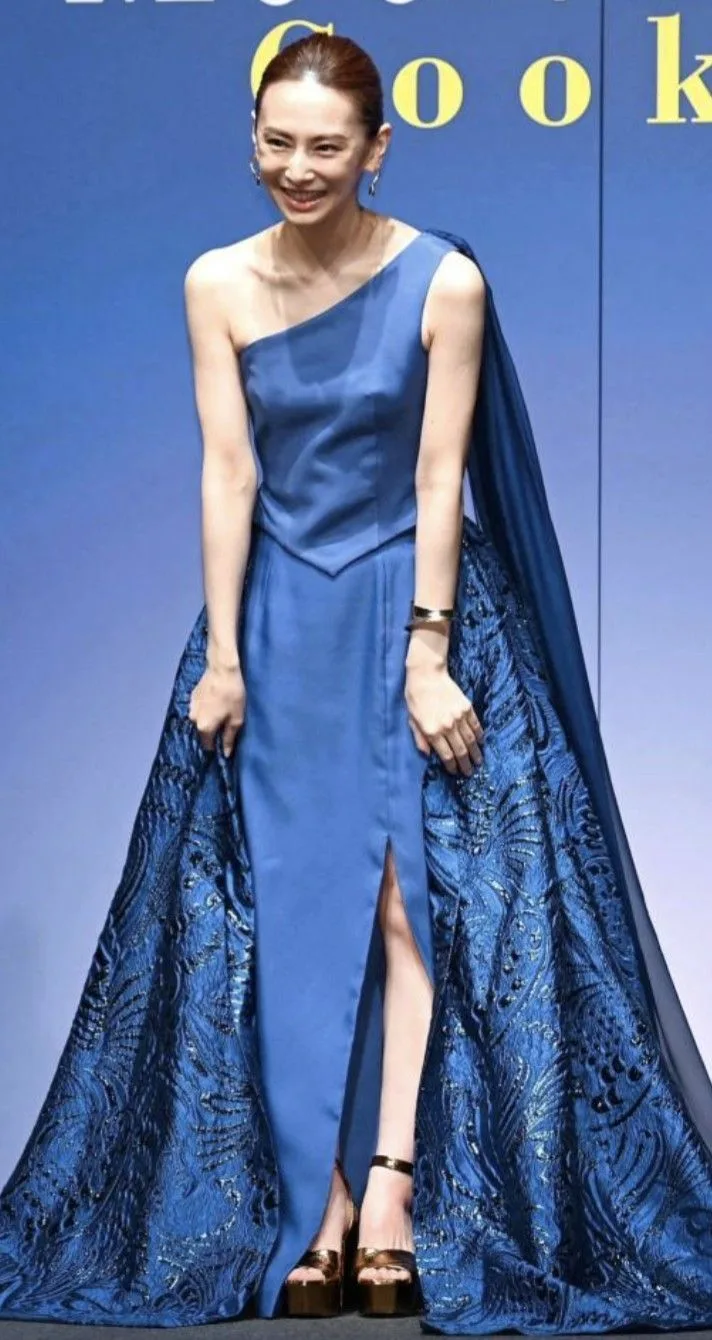
Keiko Kitagawa started as Sailor Mars in Pretty Guardian Sailor Moon and as a Seventeen model, then built one of television’s steadiest careers: Buzzer Beat, The After-Dinner Mysteries and the hit Your Home Is My Business!, which won her the Television Academy Award for Best Actress. On film she is best known internationally as Isabella in The Promised Neverland (2020).
Her career peak may be arriving now: Night Flower (2025) won her Best Actress at the Hochi Film Awards and the ELLE Cinema Awards, with a Japan Academy nomination, and she is in the Asadora The Ghost Writer’s Wife (2025–26) with two more leads in 2026.
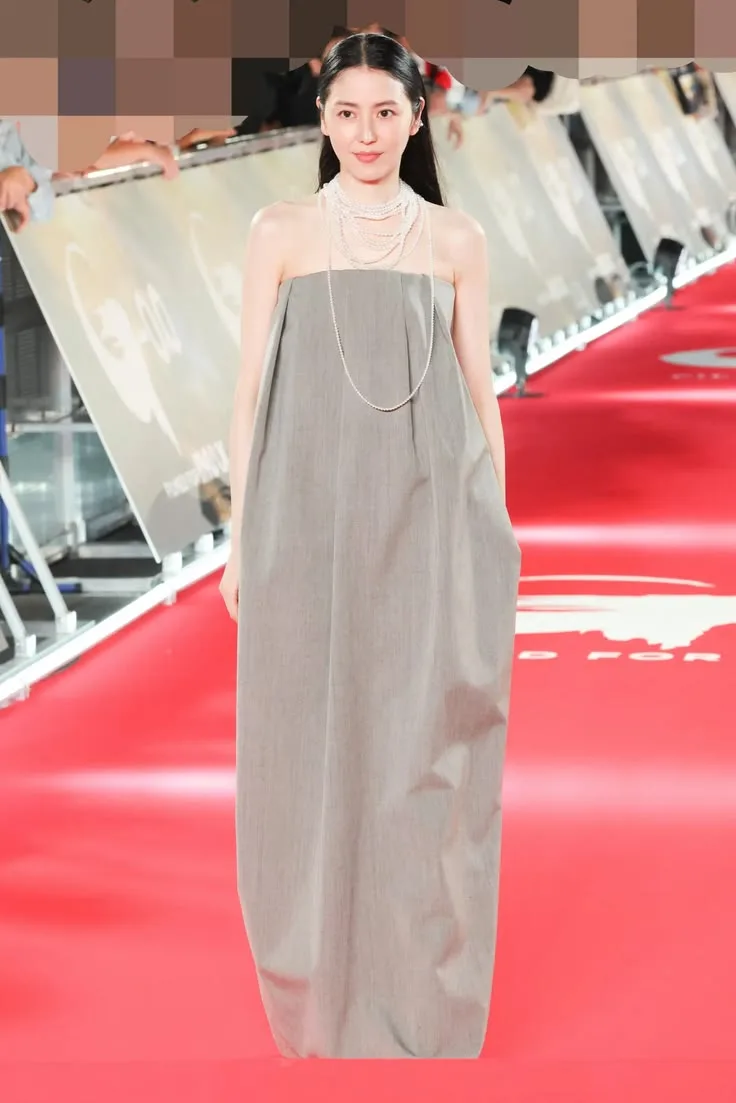
Masami Nagasawa won the Toho Cinderella Grand Prix at twelve and was a star at seventeen with Crying Out Love in the Center of the World. Her profile credits her with five Japan Academy Film Prizes and four Blue Ribbon Awards across two decades, from Our Little Sister to the con-artist comedy series The Confidence Man JP, where her Dako became a signature role.
She remains a first-choice lead: 2025 brought Dollhouse and Hokusai’s Daughter, in which she plays the artist Katsushika Ōi, and 2026 includes Between Two Lovers and Godzilla Minus Zero.
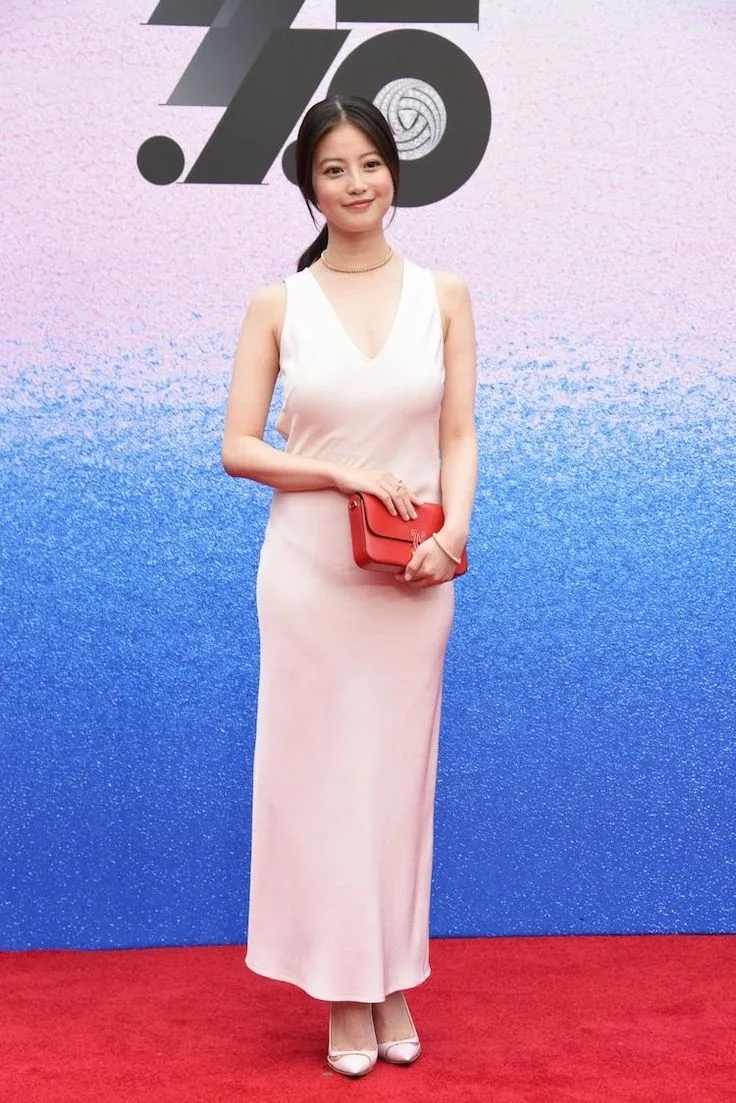
Mio Imada was scouted in Fukuoka and launched with the local label "Prettiest Girl in Fukuoka" — a billing she has long outgrown. Boys Over Flowers Season 2 (2018) was her break, the Tokyo Revengers films won her Newcomer of the Year at the Japan Academy Prize, and As Long as We Both Shall Live showed her dramatic weight as Miyo.
In 2025 she reached the top of the profession: heroine of the Asadora Anpan, chosen from 3,365 auditionees, and a host of the 76th Kōhaku Uta Gassen. In 2026 she leads Guilt and the South Korean–Japanese drama Merry Berry Love.
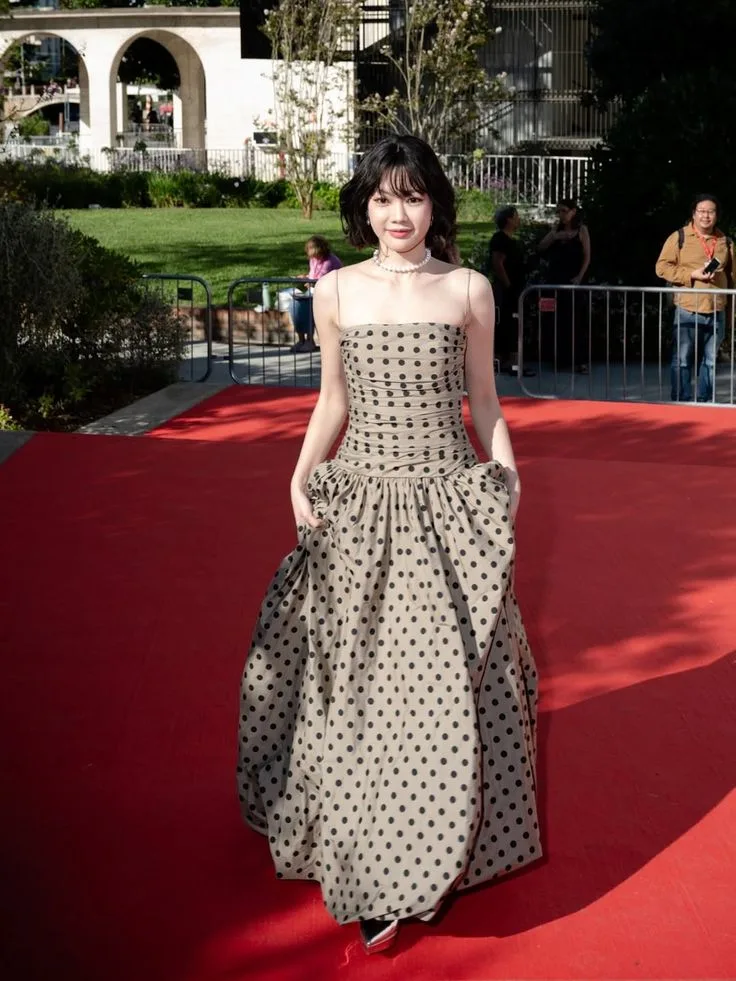
Nana Komatsu arrived fully formed in The World of Kanako (2014), winning Newcomer of the Year at the Japan Academy Film Prize, and within two years was acting for Martin Scorsese in Silence, her Hollywood debut. Drowning Love, Threads: Our Tapestry of Love and The Last 10 Years made her the defining face of a younger, fashion-literate generation; she has been a Chanel ambassador since 2015.
After the birth of her first child in 2024, she returned to acting in 2025 with Exit 8, which premiered at Cannes — her first time at the festival. No 2026 acting credit is listed yet; her recent profile is fashion-led, and that is stated here plainly rather than padded.
Haruka Ayase was named the most beautiful face in Japan in 2018, as her Wikipedia profile records, and she tops this list. Suzu Hirose leads the younger generation. The Open Poll at the top of this page shows who VisitBest readers put first.
Three of them: Haruka Ayase, Masami Nagasawa and Suzu Hirose played three of the four sisters in Hirokazu Kore-eda's Our Little Sister (2015), a film that remains a touchstone of modern Japanese cinema.
An Asadora is NHK's flagship morning drama serial, the most prestigious daily slot in Japanese television. Suzu Hirose (Natsuzora), Kanna Hashimoto (Omusubi) and Mio Imada (Anpan) have all been its heroine, and Minami Hamabe co-led Ranman.
Two. Satomi Ishihara was born Kuniko Ishigami, and Haruka Ayase was born Aya Tademaru; both work under stage names, as their profiles state.
Honourable mentions go to Nana Mori, the voice of Weathering with You and a Japan Academy nominee for Kokuho (2025); Erika Toda, of Death Note and Liar Game, who returns with two dramas in 2026; and Kyoko Fukada, the Kamikaze Girls star, whose recent work has been limited since a health-related hiatus in 2021.
No. The Open Poll is a VisitBest reader poll for audience sentiment only. It is not connected to any Japanese broadcaster, agency or awards body, and its numbers are not official votes of any kind.
Sources: each actress's English Wikipedia profile, checked November 2026, for birth dates, roles and honours. Photographs: recent public appearances, 2023–2026.
Open Poll — for audience sentiment only. This is a VisitBest reader poll with seeded starting figures; it is not an official vote of any kind. The standings show how VisitBest readers feel — nothing on this page is connected to any award, show or official result.