
VisitBest guide
Most Handsome South Indian Actors: 14 Stars of Tamil, Telugu, Malayalam & Kannada Cinema
Fourteen leading men who define star presence in South Indian cinema — Vijay, Vikram, Suriya and Dhanush from Tamil films; Allu Arjun, Mahesh Babu, Ram…
In this guide

At a glance
“Most handsome” is this page's editorial framing — a judgement about screen presence, popularity and the looks these stars are known for, not a measurable ranking, and the order here is by industry rather than merit. What the profiles themselves contain is strictly factual: birth names and dates, debuts, breakthrough roles and awards, checked against published biographies. The list deliberately spans all four South Indian industries and three generations, from 1990s debuts to the pan-India blockbuster era that Baahubali, RRR and KGF created. Photographs appear only where a freely licensed, identity-verified image exists on Wikimedia Commons; two profiles are text-only for that reason, rather than illustrated with unlicensed pictures taken from elsewhere on the web.
- Vijay — Tamil cinema's 'Thalapathy'
- Vikram — Transformational dramatic roles
- Suriya — Intense, physical performances
- Dhanush — Understated, award-heavy Tamil star
Shortlist and comparison
| Name | Why it stands out | Start with |
|---|---|---|
| Vijay | Tamil cinema's 'Thalapathy' | Start with Ghilli (2004) or Leo (2023) |
| Vikram | Transformational dramatic roles | Start with Pithamagan (2003) or Anniyan (2005) |
| Suriya | Intense, physical performances | Start with Soorarai Pottru (2020) or Kaakha Kaakha (2003) |
| Dhanush | Understated, award-heavy Tamil star | Start with Asuran (2019) or Aadukalam (2010) |
| Allu Arjun | Dance and style — the 'Icon Star' | Start with Pushpa: The Rise (2021) |
| Mahesh Babu | Telugu cinema's 'Superstar' | Start with Pokiri (2006) or Srimanthudu (2015) |
| Ram Charan | RRR's global breakout | Start with RRR (2022) or Rangasthalam (2018) |
| N. T. Rama Rao Jr. | The 'Man of Masses' | Start with RRR (2022) or Janatha Garage (2016) |
| Prabhas | Baahubali's pan-India pioneer | Start with Baahubali 2: The Conclusion (2017) |
| Rana Daggubati | Bhallaladeva of Baahubali | Start with Baahubali: The Beginning (2015) or Leader (2010) |
| Dulquer Salmaan | Malayalam's crossover charmer | Start with Bangalore Days (2014) or Sita Ramam (2022) |
| Fahadh Faasil | Malayalam's shape-shifter | Start with Kumbalangi Nights (2019) or Joji (2021) |
| Prithviraj Sukumaran | Actor-director at Malayalam cinema's centre | Start with Lucifer (2019) or Aadujeevitham (2024) |
| Yash | Kannada's 'Rocking Star' of KGF | Start with KGF: Chapter 2 (2022) |
The brands in detail
Vijay
Born Joseph Vijay Chandrasekhar on 22 June 1974 in Madras (now Chennai), Vijay is the son of director S. A. Chandrasekhar and playback singer Shoba Chandrasekhar. After child roles in his father's films, he made his lead debut in Naalaiya Theerpu (1992) and broke through with the romances Poove Unakkaga (1996) and Kadhalukku Mariyadhai (1997). Ghilli (2004) recast him as an action star — it was the first Tamil film to gross ₹50 crore — and Thuppakki (2012), Kaththi (2014), Mersal (2017), Master (2021) and Leo (2023) kept him at the top of the Tamil box office for two decades, earning him the fan title “Thalapathy” (commander). In February 2024 he launched the political party Tamilaga Vettri Kazhagam and announced his move from cinema into politics.
Vikram
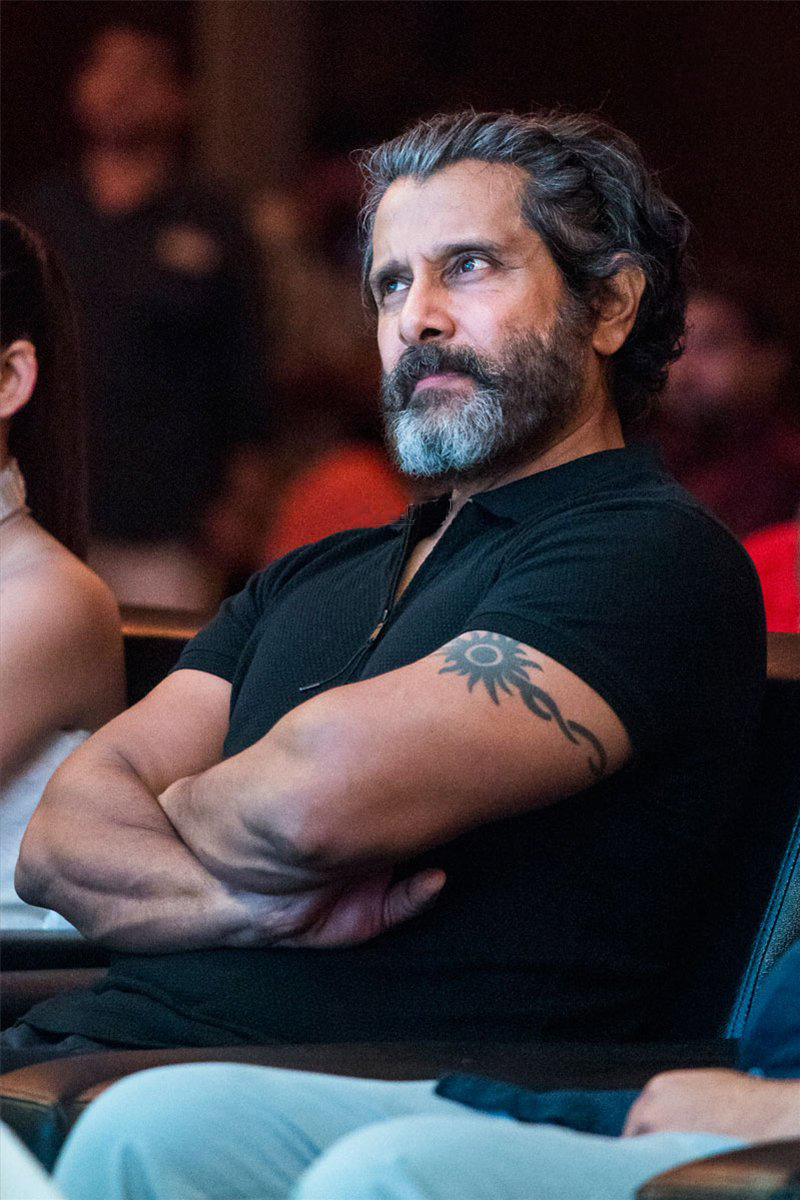
Kennedy John Victor, known as Vikram, was born on 17 April 1966 and works in Tamil cinema. After a difficult first decade following his debut in En Kadhal Kanmani (1990), he broke through as a rogue-turned-lover in Bala's tragedy Sethu (1999) and built one of Indian cinema's most decorated careers on physically demanding transformations: a blind singer in Kasi (2001) and a gravedigger in Pithamagan (2003), the latter winning him the National Film Award for Best Actor. The blockbuster Anniyan (2005) proved he could carry spectacle as well as realism, and he headlined Mani Ratnam's Ponniyin Selvan films (2022–23) as Aditha Karikalan. His honours include nine Filmfare Awards South and the Tamil Nadu government's Kalaimamani Award.
Suriya

Saravanan Sivakumar, known as Suriya, was born on 23 July 1975 and is the eldest son of actor Sivakumar. He debuted in Nerukku Ner (1997), broke through with Nandhaa (2001) and found major commercial success with the police thriller Kaakha Kaakha (2003). Ghajini (2005), in which he played a man suffering from anterograde amnesia, made him a star across the south, and he mixed commercial hits such as the Singam series with acclaimed performances in Vaaranam Aayiram (2008). His portrayal of a low-cost airline founder in Soorarai Pottru (2020) won him the National Film Award for Best Actor, and Jai Bhim (2021), which he also produced, was widely praised. He has won two National Film Awards and seven Filmfare Awards South in all.
Dhanush
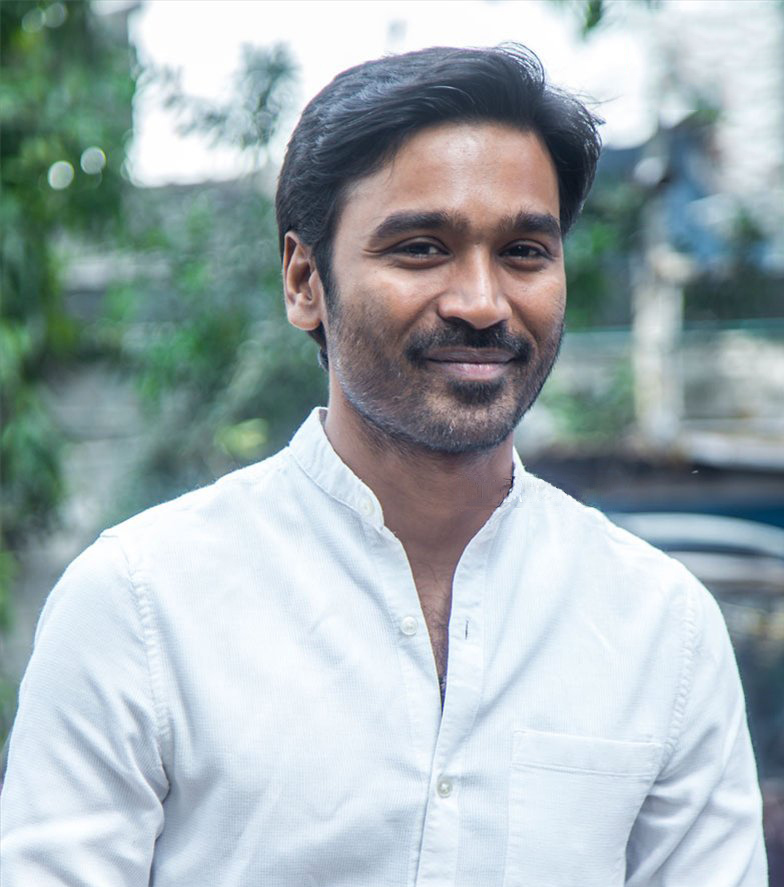
Venkatesh Prabhu Kasthuri Raja, known as Dhanush, was born on 28 July 1983 and works mainly in Tamil cinema as an actor, filmmaker, lyricist and playback singer. He debuted in his father Kasthuri Raja's Thulluvadho Ilamai (2002), rose with Polladhavan (2007), and won the National Film Award for Best Actor as a rooster-fight jockey in Aadukalam (2010). His song “Why This Kolaveri Di” from 3 (2011) became a viral phenomenon, and Raanjhanaa (2013) established him in Hindi cinema. He won a second National Best Actor award for the revenge drama Asuran (2019). Lean and unconventional by leading-man standards, he has starred in more than 50 films and is one of Tamil cinema's most decorated actors of his generation.
Allu Arjun
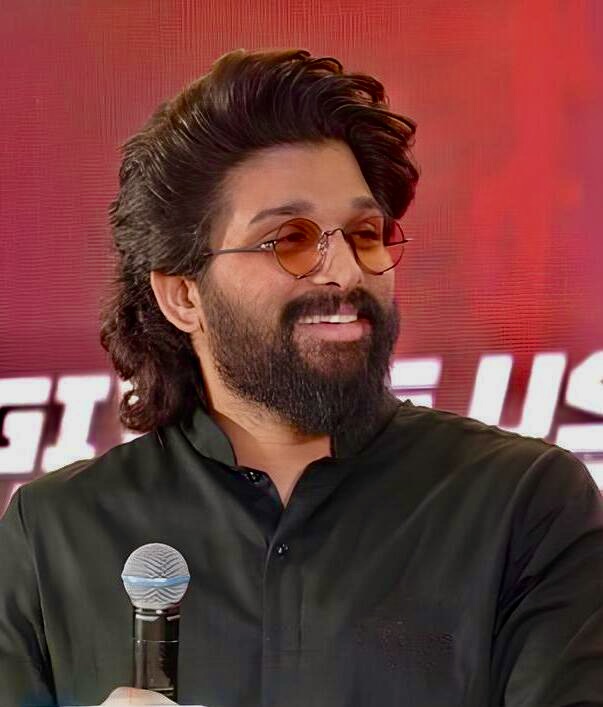
Allu Arjun, born on 8 April 1982, works in Telugu cinema and is known across India for his dancing and screen style — hence his media titles “Stylish Star” and “Icon Star”. He debuted with Gangotri (2003), rose to prominence with Sukumar's Arya (2004) and consolidated his standing with Bunny (2005), Desamuduru (2007) and the blockbuster family drama Ala Vaikunthapurramuloo (2020). As the sandalwood smuggler Pushpa Raj in Pushpa: The Rise (2021) he won the National Film Award for Best Actor — a first for a Telugu actor — and Pushpa 2: The Rule (2024) became one of the highest-grossing Indian films of all time. He has won seven Filmfare Awards and has featured in Forbes India's Celebrity 100 list since 2014.
Mahesh Babu
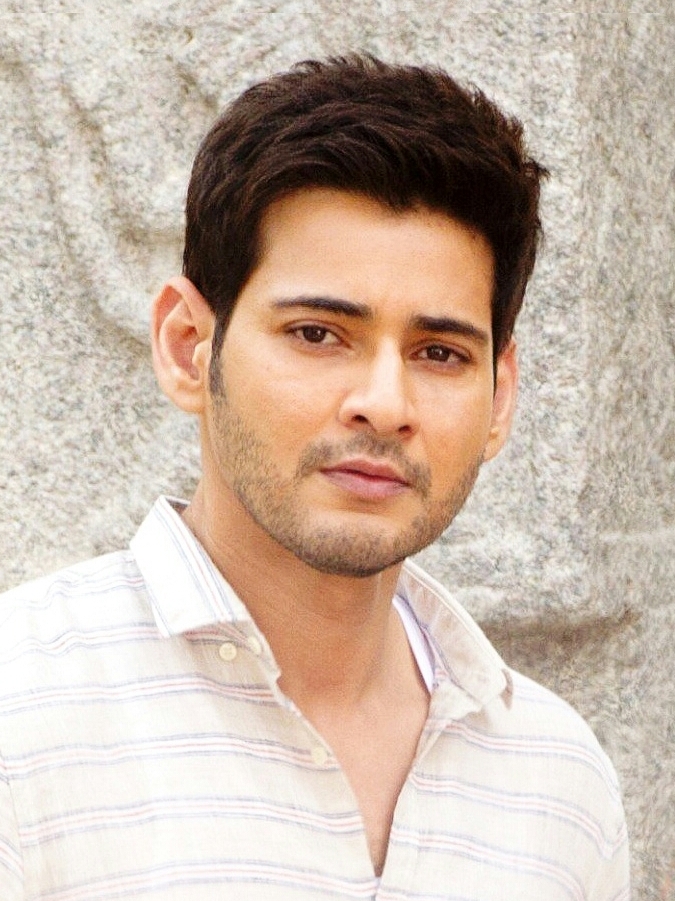
Ghattamaneni Mahesh Babu, born on 9 August 1975, is the younger son of Telugu superstar Krishna and works in Telugu cinema, where the media calls him “Superstar”. A child artist from the age of four (Needa, 1979), he made his lead debut with Rajakumarudu (1999) and broke through with Murari (2001) and the action film Okkadu (2003). Pokiri (2006), Dookudu (2011) and Srimanthudu (2015) defined his polished, understated star persona, and Maharshi (2019) added a National Film Award for Best Popular Film to the credits of a film he headlined. Known for an almost unchanging screen look across three decades, he has won nine Nandi Awards and five Filmfare Awards South and is also a noted philanthropist supporting children's heart surgeries.
Ram Charan
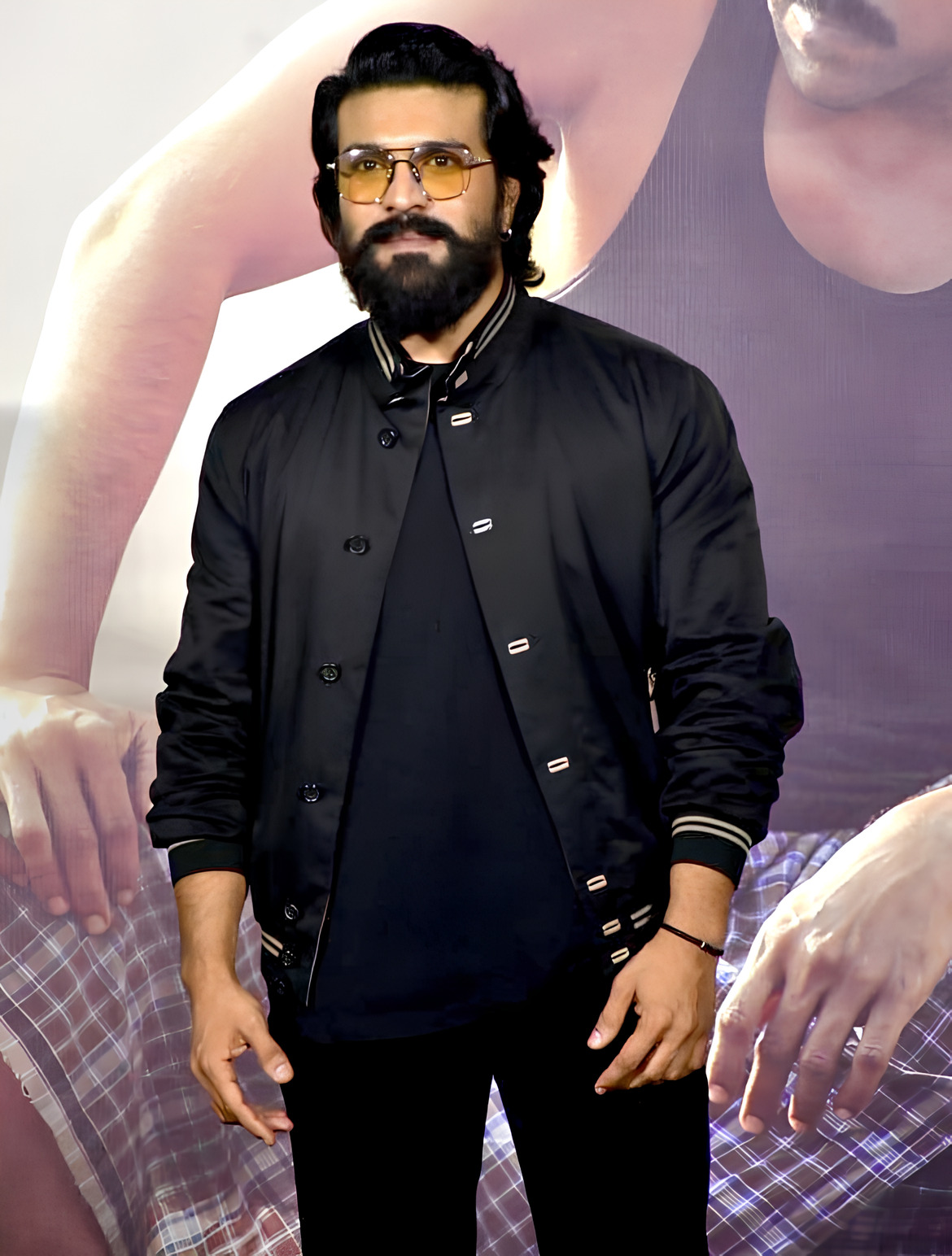
Konidela Ram Charan, born on 27 March 1985, is the son of Telugu megastar Chiranjeevi and works in Telugu cinema. He debuted with Chirutha (2007), winning the Filmfare Award for Best Male Debut – South, and rose to prominence in S. S. Rajamouli's Magadheera (2009), then the highest-grossing Telugu film ever made. After a mixed run he won wide acclaim as a deaf villager in Rangasthalam (2018), taking his second Filmfare Best Actor award, and reached global audiences as Alluri Sitarama Raju in Rajamouli's RRR (2022), one of the highest-grossing Indian films worldwide. Also a producer and entrepreneur, he headlined the political action film Game Changer (2025). His honours include four Filmfare Awards and two Nandi Awards.
N. T. Rama Rao Jr.
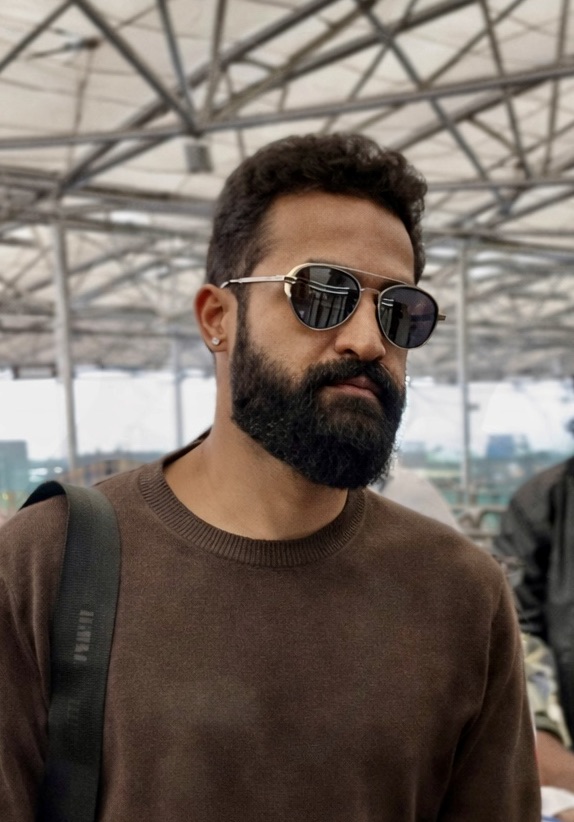
Nandamuri Taraka Rama Rao Jr., popularly NTR Jr and billed as the “Man of Masses”, was born on 20 May 1983 and is the grandson of matinee idol and former Andhra Pradesh chief minister N. T. Rama Rao. A child actor in the National Film Award-winning Ramayanam (1997), he made his lead debut with Ninnu Choodalani (2001) and broke through the same year with Student No: 1, followed by Aadi (2002) and Simhadri (2003). He sustained stardom with Janatha Garage (2016) and Aravinda Sametha (2018) before RRR (2022), as Komaram Bheem opposite Ram Charan, carried him to international recognition. Also a television presenter — he hosted the first season of Bigg Boss Telugu — he has won three Filmfare Awards South and two Nandi Awards.
Prabhas
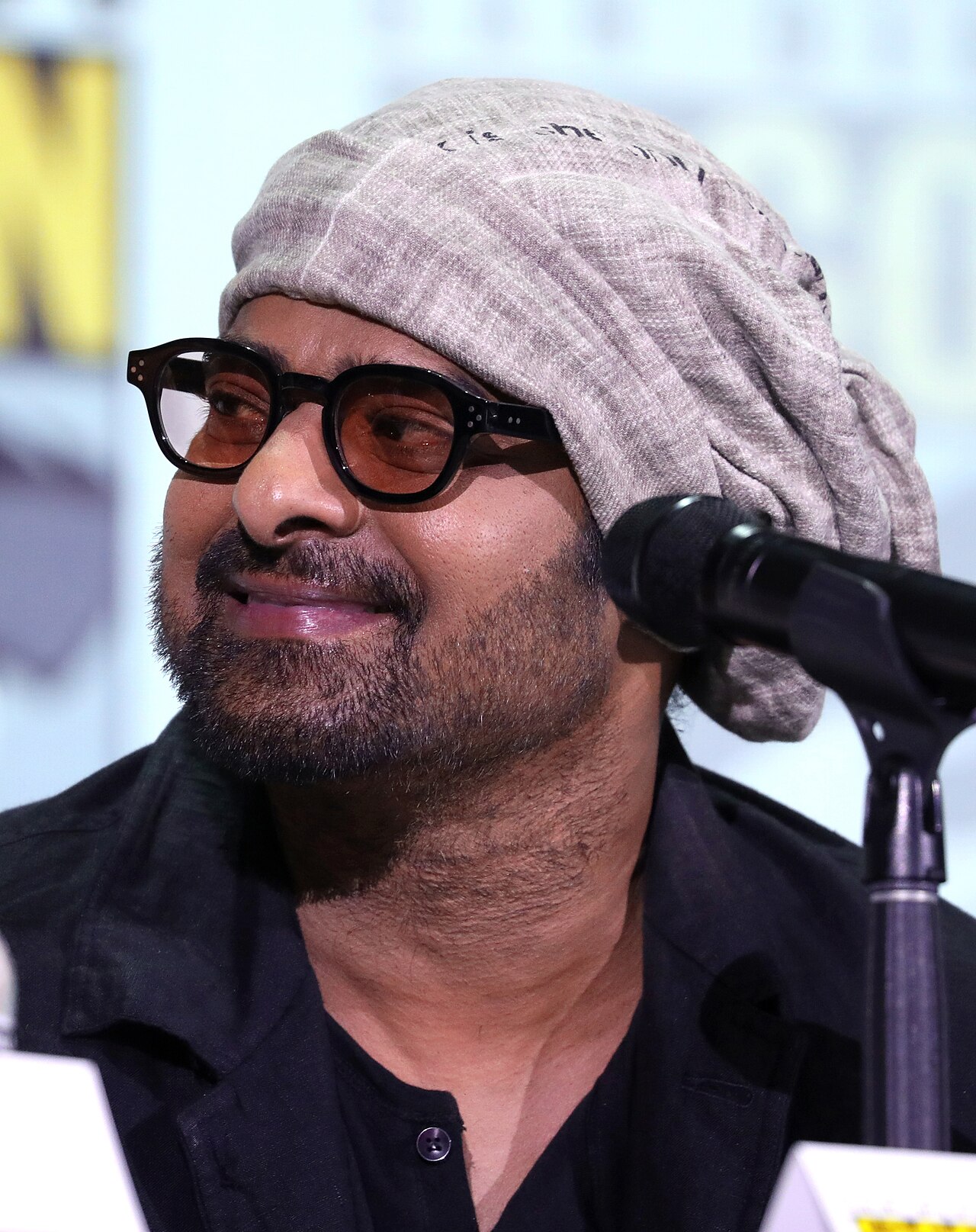
Uppalapati Venkata Suryanarayana Prabhas Raju, known mononymously as Prabhas, was born on 23 October 1979 and works predominantly in Telugu cinema, where he is called “Rebel Star”. He debuted with Eeswar (2002), broke through with Varsham (2004) and Chatrapathi (2005), and built a loyal following with Darling (2010), Mr. Perfect (2011) and Mirchi (2013). As Amarendra and Mahendra Baahubali in S. S. Rajamouli's Baahubali: The Beginning (2015) and Baahubali 2: The Conclusion (2017) — the latter the highest-grossing Indian film of its time — he became the prototype of the pan-India star, working across languages before it was fashionable. He has since headlined the large-scale productions Saaho (2019), Salaar (2023) and Kalki 2898 AD (2024).
Rana Daggubati
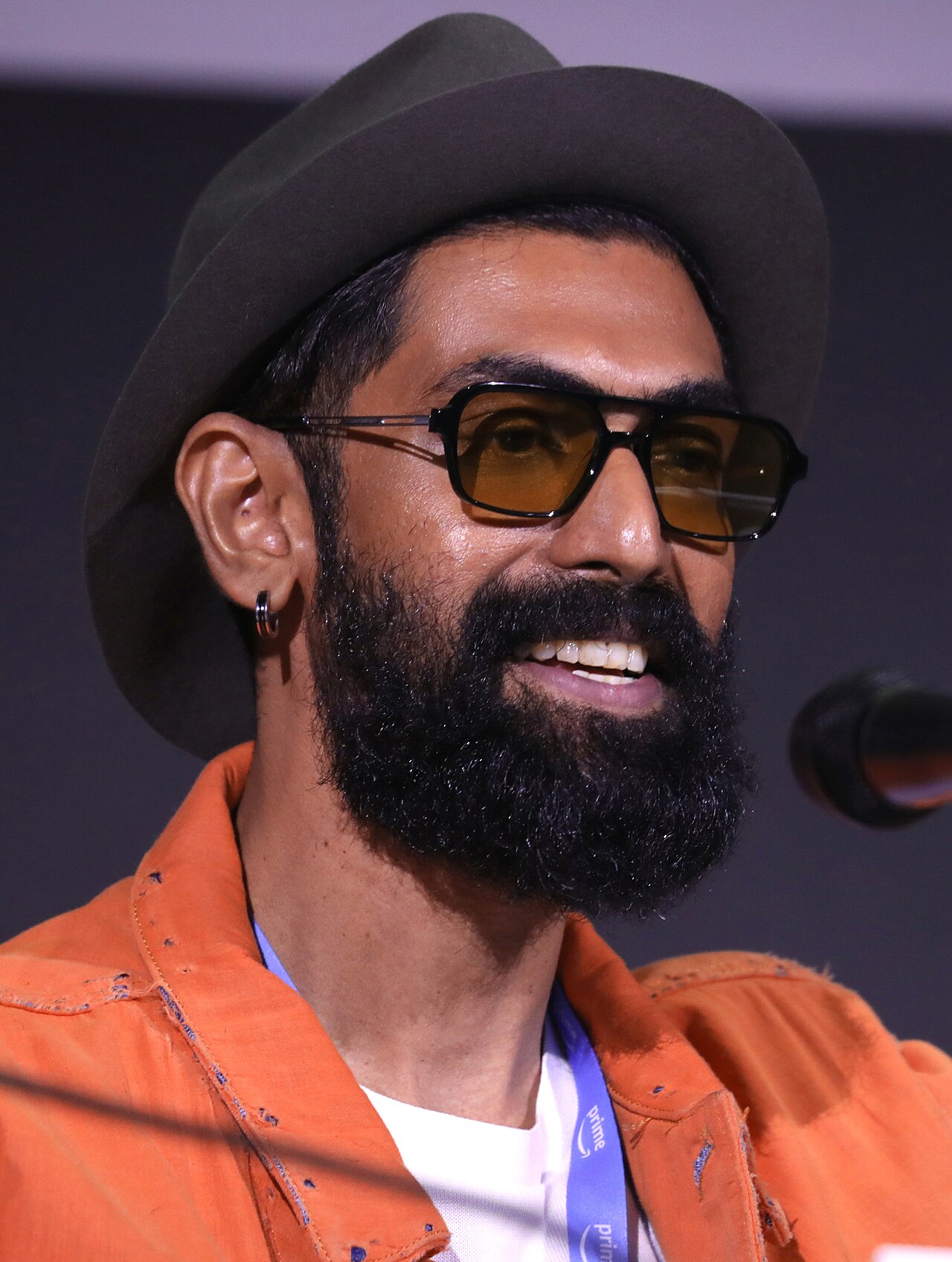
Ramanaidu “Rana” Daggubati, born on 14 December 1984, is the son of producer D. Suresh Babu and grandson of industry pioneer D. Ramanaidu. He made his acting debut with the political drama Leader (2010), winning the Filmfare Award for Best Male Debut, and crossed into Hindi cinema with Dum Maaro Dum (2011). His imposing screen presence made him the definitive Bhallaladeva, the antagonist of Baahubali: The Beginning (2015) and Baahubali 2: The Conclusion (2017), a role that brought him recognition across India. He has also appeared in the Hindi hit Baby (2015) and works as a producer and entrepreneur in the film business. His honours include a National Film Award (as a producer), two Nandi Awards and three Filmfare Awards South.
Dulquer Salmaan
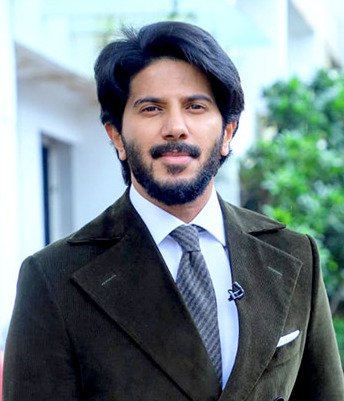
Dulquer Salmaan, born on 28 July 1983, is the son of Malayalam superstar Mammootty. After a business-management degree from Purdue University and a job in Dubai, he trained at the Barry John Acting Studio and debuted in Second Show (2012); Ustad Hotel the same year won him the Filmfare Award for Best Male Debut – South. Bangalore Days (2014) made him a youth icon, Charlie (2015) won him the Kerala State Film Award for Best Actor, and he crossed industries with ease — OK Kanmani (2015) in Tamil, Mahanati (2018) as Gemini Ganesan in Telugu and Sita Ramam (2022), a Telugu romance that became a nationwide sleeper hit. Equally at home in Malayalam realism and big-canvas romance, he is among the most sought-after leading men in Indian cinema.
Fahadh Faasil
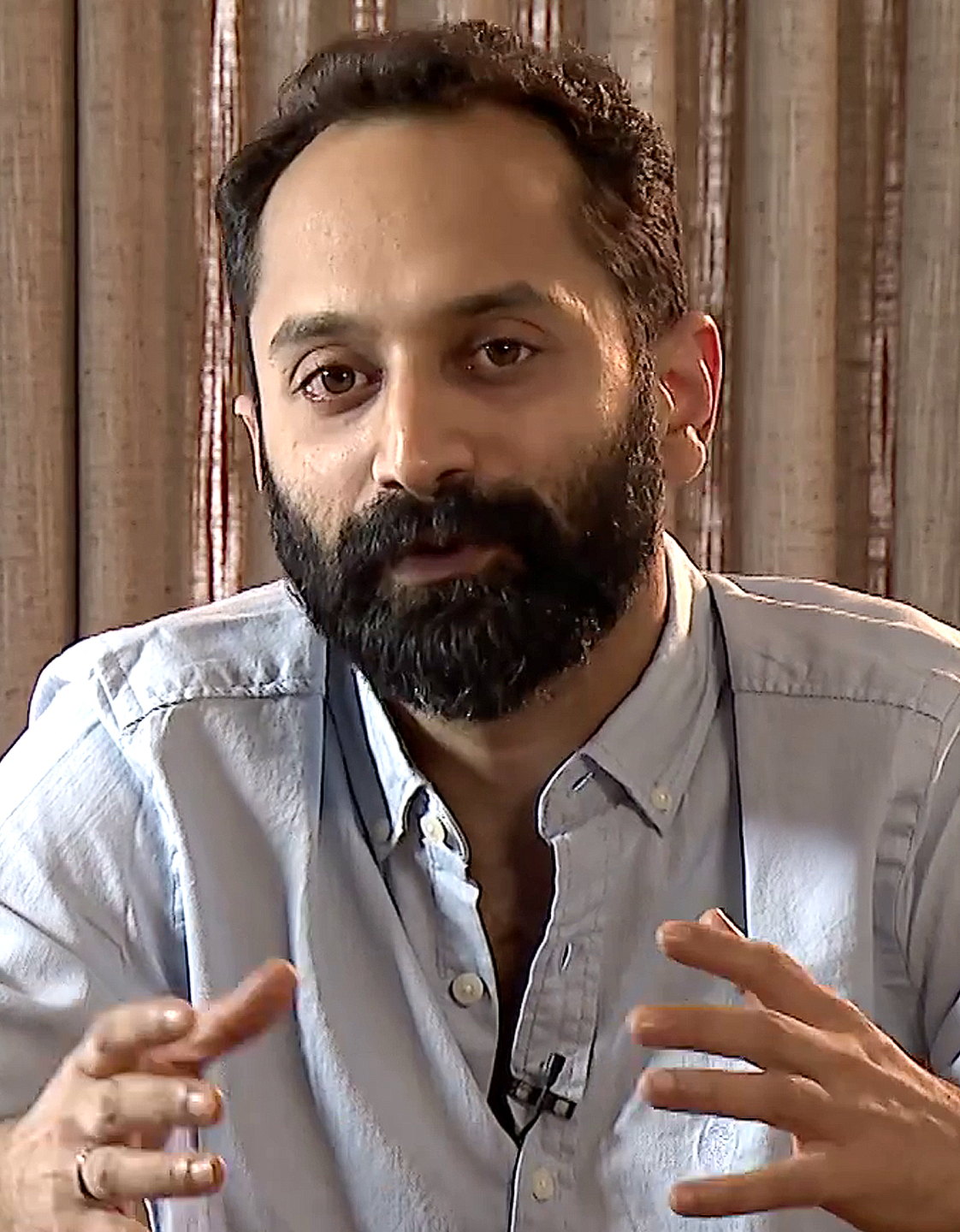
Abdul Hameed Mohammed Fahad Fazil, known as Fahadh Faasil, was born on 8 August 1982 and is the son of director Fazil. His debut at twenty in his father's Kaiyethum Doorath (2002) failed, and he returned only seven years later with the anthology Kerala Cafe (2009). Thrillers Chaappa Kurishu and Akam (both 2011) won him the Kerala State Film Award for Second Best Actor, and he grew into Malayalam cinema's most shape-shifting leading man: Maheshinte Prathikaaram (2016), Thondimuthalum Driksakshiyum (2017) — which won him the National Film Award for Best Supporting Actor — Kumbalangi Nights (2019) and Joji (2021). Telugu audiences know him as the antagonist Bhanwar Singh Shekhawat in the Pushpa films, and Tamil audiences from Vikram (2022).
Prithviraj Sukumaran
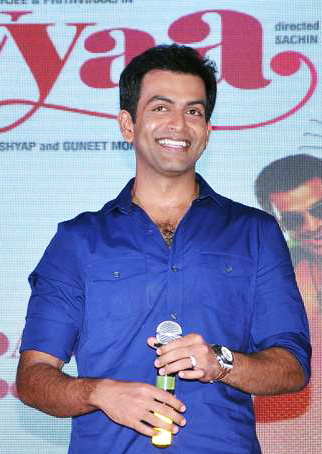
Prithviraj Sukumaran, born on 16 October 1982, is the son of actor Sukumaran and one of Malayalam cinema's defining modern stars, with more than 100 films as actor, producer, director and playback singer. He debuted in Nandanam (2002), came back strongly with Classmates (2006) and became the youngest recipient of the Kerala State Film Award for Best Actor for Vaasthavam (2006). He won the state award again for Ayalum Njanum Thammil (2012) and Celluloid (2013), crossed into Tamil with Mozhi (2007), and directed Mohanlal in Lucifer (2019), then the highest-grossing Malayalam film ever made. His survival drama Aadujeevitham (The Goat Life, 2024), filmed over several years, was a major critical and commercial success.
Yash
Yash, born Naveen Kumar on 8 January 1986, works in Kannada cinema and is billed as the “Rocking Star”. He began in television serials in the 2000s, made his film debut with Jambada Hudugi (2007) and won the Filmfare Award for Best Supporting Actor for Moggina Manasu (2008). Googly (2013) and Mr. and Mrs. Ramachari (2014) established him as a leading man, but it was Prashanth Neel's KGF: Chapter 1 (2018) that changed his scale: as Rocky, a gold-smuggling underworld don, he fronted the first Kannada film to become a nationwide event, and KGF: Chapter 2 (2022) ranked among the highest-grossing Indian films of all time. He has won three Filmfare Awards South and five SIIMA Awards.
How to choose
Start with the real decision: who will use this, where, how often, and what would make the choice unsafe or disappointing? The following checks keep the shortlist practical.
- Chosen for sustained leading-man stardom in Tamil, Telugu, Malayalam or Kannada cinema, not a single hit
- Covers all four South Indian industries and several generations, from 1990s debuts to the pan-India era
- Screen presence and popularity are the editorial frame; the profiles themselves stick to documented career facts
- Facts checked against published biographies (Wikipedia as the base source); dates and credits are given only where documented
- Photographs are shown only where a freely licensed, identity-verified image exists on Wikimedia Commons; other profiles are text-only
What to verify before you commit
Confirm the current specification, price or availability, terms, and seller or provider identity. For companies and services, request a written scope, named contact, references, and cancellation or warranty terms. For products, compare the unit price, compatibility, return window, and genuine support.
Editorial update
“Most handsome” is this page's editorial framing — a judgement about screen presence, popularity and the looks these stars are known for, not a measurable ranking, and the order here is by industry rather than merit. What the profiles themselves contain is strictly factual: birth names and dates, debuts, breakthrough roles and awards, checked against published biographies. The list deliberately spans all four South Indian industries and three generations, from 1990s debuts to the pan-India blockbuster era that Baahubali, RRR and KGF created. Photographs appear only where a freely licensed, identity-verified image exists on Wikimedia Commons; two profiles are text-only for that reason, rather than illustrated with unlicensed pictures taken from elsewhere on the web.
Frequently asked questions
How should I use this guide?
Use the shortlist to define what matters to you, then verify current price, availability, rules, credentials, or catalogue details at the source before you decide.
Is this a fixed ranking?
No. The refreshed page is an editorial starting point organised by fit and evidence. The right choice depends on your use case, location, budget, and timing.
When will this page be updated?
VisitBest reviews time-sensitive details when reliable public information changes. Send corrections or newer source links to visitbest10@gmail.com.
Keep exploring

Top 30 Most Beautiful 90s Actresses (Then and Now)
The 1980s and 1990s were golden decades for cinema, bringing us an unforgettable array of actresses whose beauty, talent, and … Read more

Popular Chinese Actors to Know: Career Highlights and Where to Start
A respectful, non-ranked guide to influential actors from Chinese-language cinema and television, with a practical starting point for each…

Best Legal Sites to Watch Anime in India
Compare legal anime streaming options by catalogue, subtitles, dubbing, simulcast timing, device support, and regional availability.