
VisitBest guide
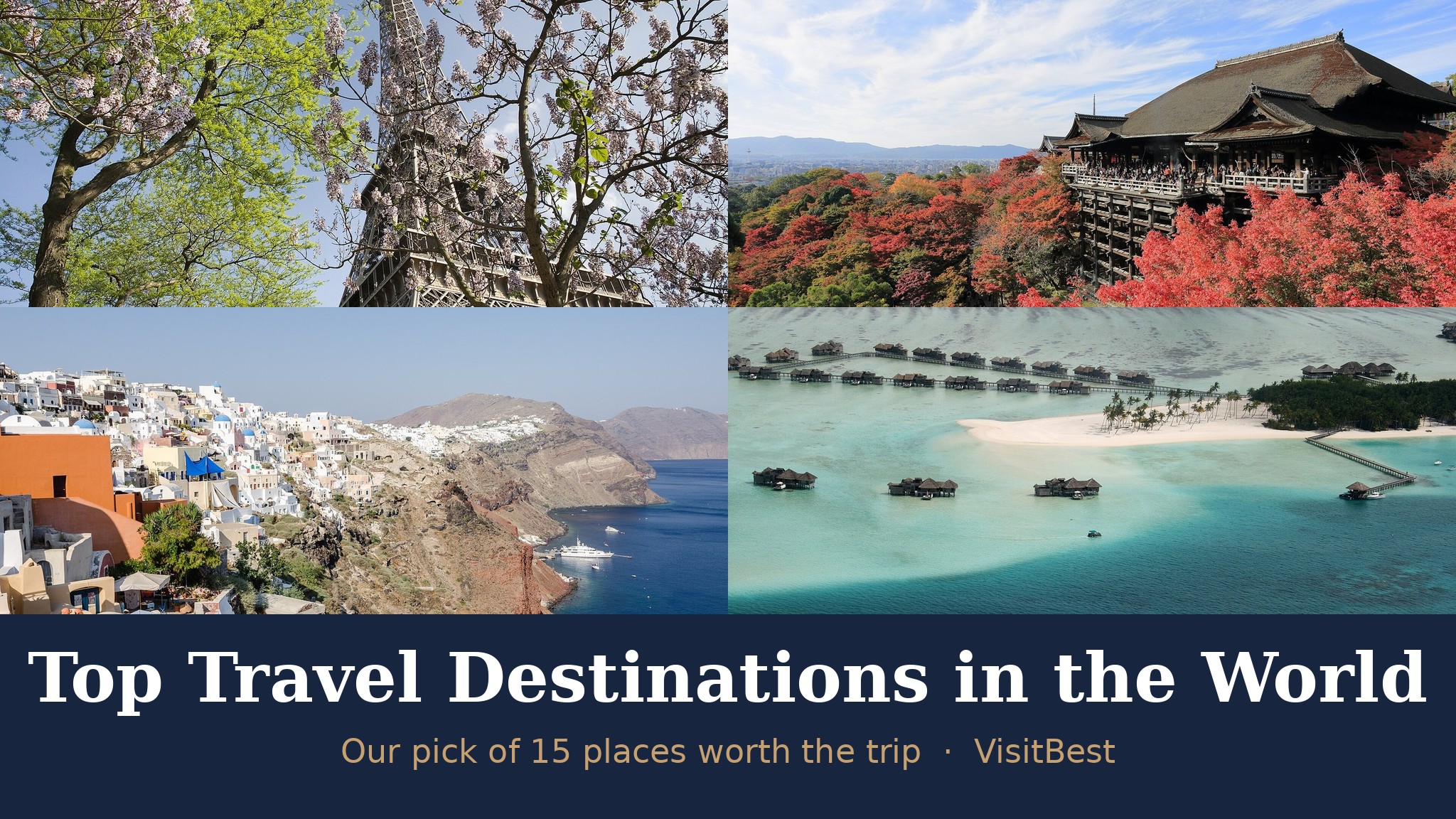
Top Travel Destinations in the World: Our Pick of 15 Places Worth the Trip
Our editorial pick of 15 world destinations — iconic cities, island escapes and mountain bases — each with its best-known sights, the best time to visit…
In this guide
At a glance
This is a VisitBest editorial selection, not an official ranking: the mix balances famous cities, islands, mountains and cultural centres across six continents. Seasons are general guidance — weather, prices, opening arrangements and entry rules change, so confirm official travel advice and current details before booking. Cost levels are described qualitatively (budget, mid-range, luxury-leaning) rather than with prices, which vary too much by season and departure point to state responsibly.
- Paris, France — The Eiffel Tower, the Louvre and Montmartre
- Kyoto, Japan — Temples, shrines, gardens and Gion's lanes
- Rome, Italy — The Colosseum, the Forum and the Vatican
- Santorini, Greece — Caldera villages, sunsets and volcanic beaches
Shortlist and comparison
| Place | Why go | Planning note |
|---|---|---|
| Paris, France | The Eiffel Tower, the Louvre and Montmartre | Spring or early autumn; first-time Europe trips, art and food |
| Kyoto, Japan | Temples, shrines, gardens and Gion's lanes | Blossom or maple season; culture at a slower pace |
| Rome, Italy | The Colosseum, the Forum and the Vatican | Spring or autumn; history, art and food at any budget |
| Santorini, Greece | Caldera villages, sunsets and volcanic beaches | Late spring or early autumn; couples and island-hoppers |
| Bali, Indonesia | Temples, rice terraces, surf and wellness | Dry season (Apr–Oct); surfers, couples and long stays |
| New York City, USA | Liberty, Broadway, museums and five boroughs | Autumn or late spring; city, theatre and food lovers |
| Dubai, UAE | Burj Khalifa, old-town souks and desert trips | Nov–Mar outdoors; luxury, families and stopovers |
| London, UK | Palaces, free museums and the West End | May–Sep days; first UK trips, theatre and rail touring |
| Interlaken and the Jungfrau Region, Switzerland | Alpine lakes and Europe's highest railway | Jun–Sep hiking, Dec–Mar skiing; mountains and railways |
| Maldives | One-island resorts, reefs and overwater villas | Dry season (Nov–Apr); honeymoons, diving, doing nothing |
| Barcelona, Spain | Gaudí's landmarks plus a city beach | Spring or autumn; design, tapas and city breaks |
| Reykjavik and the South Coast, Iceland | Waterfalls, black beaches and northern lights | Summer road trips or winter aurora; photographers |
| Cape Town, South Africa | Table Mountain, coast, penguins and wine | Nov–Mar summer; nature, food and road trips |
| Sydney, Australia | Opera House, harbour ferries and surf beaches | Spring or autumn; beach-plus-city travellers |
| Marrakech, Morocco | Medina souks, palaces and Jemaa el-Fnaa | Spring or autumn; culture, design and haggling happily |
The brands in detail
Paris, France
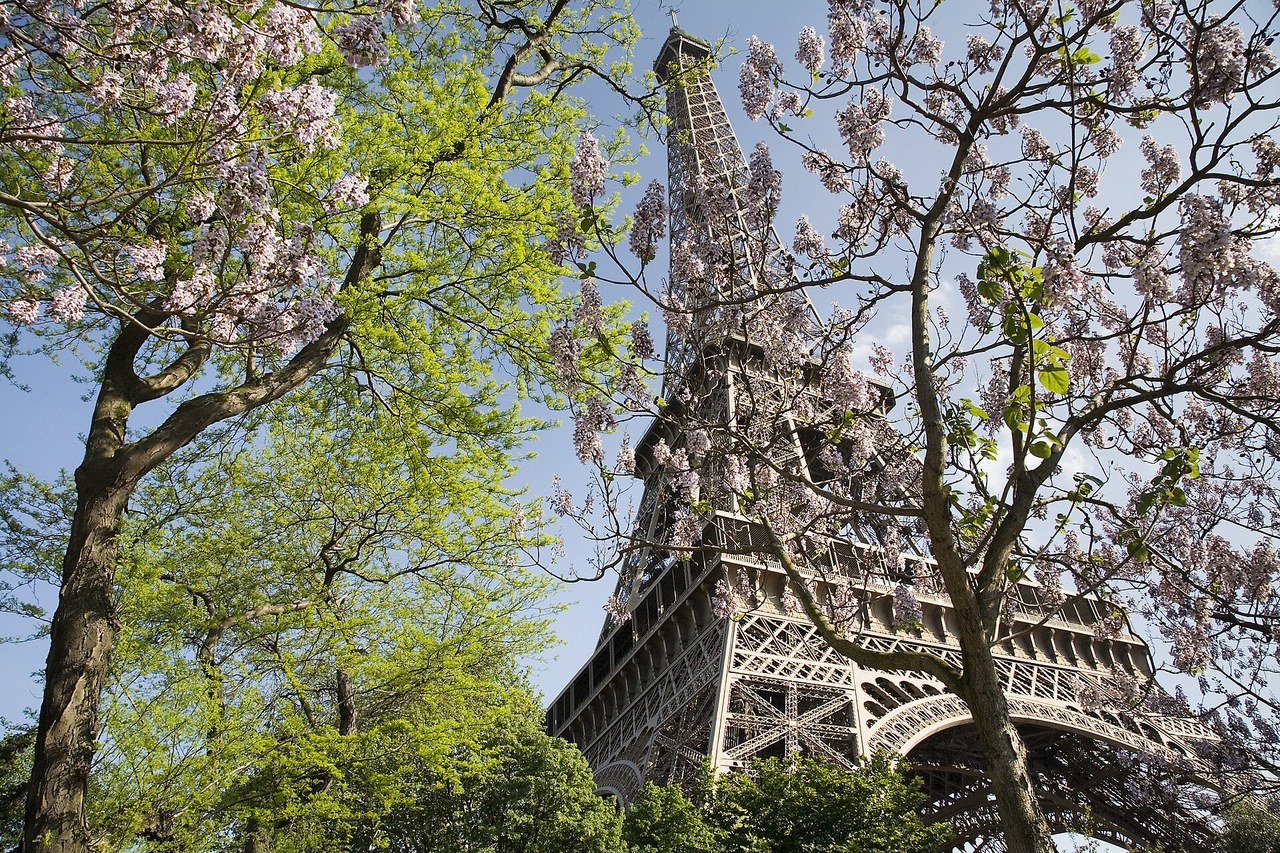
Paris earns its place on almost every traveller's list through the sheer density of landmarks in a compact, walkable centre. The Eiffel Tower, the Louvre, Notre-Dame Cathedral, the Arc de Triomphe and the avenues of the Champs-Élysées are all within a few kilometres of each other, and neighbourhoods such as Montmartre and the Marais reward unhurried wandering as much as the headline sights do. Spring (April to June) and early autumn (September to October) bring mild weather and thinner crowds; summer is liveliest but busiest, and winter is quieter and cheaper apart from the festive season. Paris suits first-time visitors to Europe, art and history lovers, couples, and food travellers who plan days around markets, bakeries and bistros. It is a mid-range to luxury-leaning city: museum passes and walking keep costs down, but hotels in central arrondissements are rarely cheap.
Kyoto, Japan
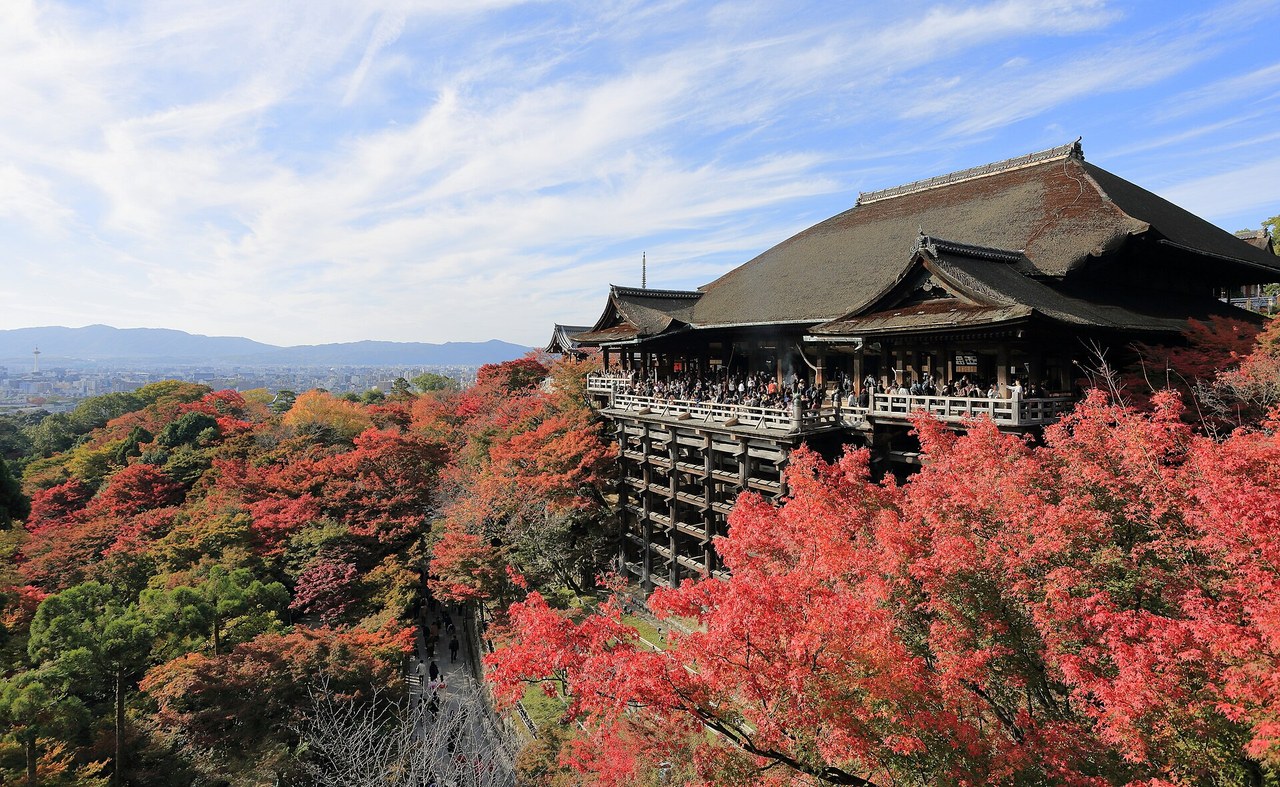
Kyoto is Japan's great storehouse of traditional culture, preserved while Tokyo reinvented itself. More than a thousand Buddhist temples and hundreds of Shinto shrines sit among wooden machiya streets: Kinkaku-ji, the Golden Pavilion, mirrors itself in its pond; Fushimi Inari Taisha climbs a mountain through thousands of vermilion torii gates; and in Gion, the geisha district, lantern-lit lanes look much as they did centuries ago. The two famous seasons are late March to early April for cherry blossom and mid-November to early December for maple colour, both beautiful and very busy; May and October offer green gardens and calmer streets. Kyoto suits culture and history travellers, garden lovers, photographers, and anyone who prefers a slower, contemplative pace to big-city energy. Book blossom- and maple-season stays well ahead.
Rome, Italy
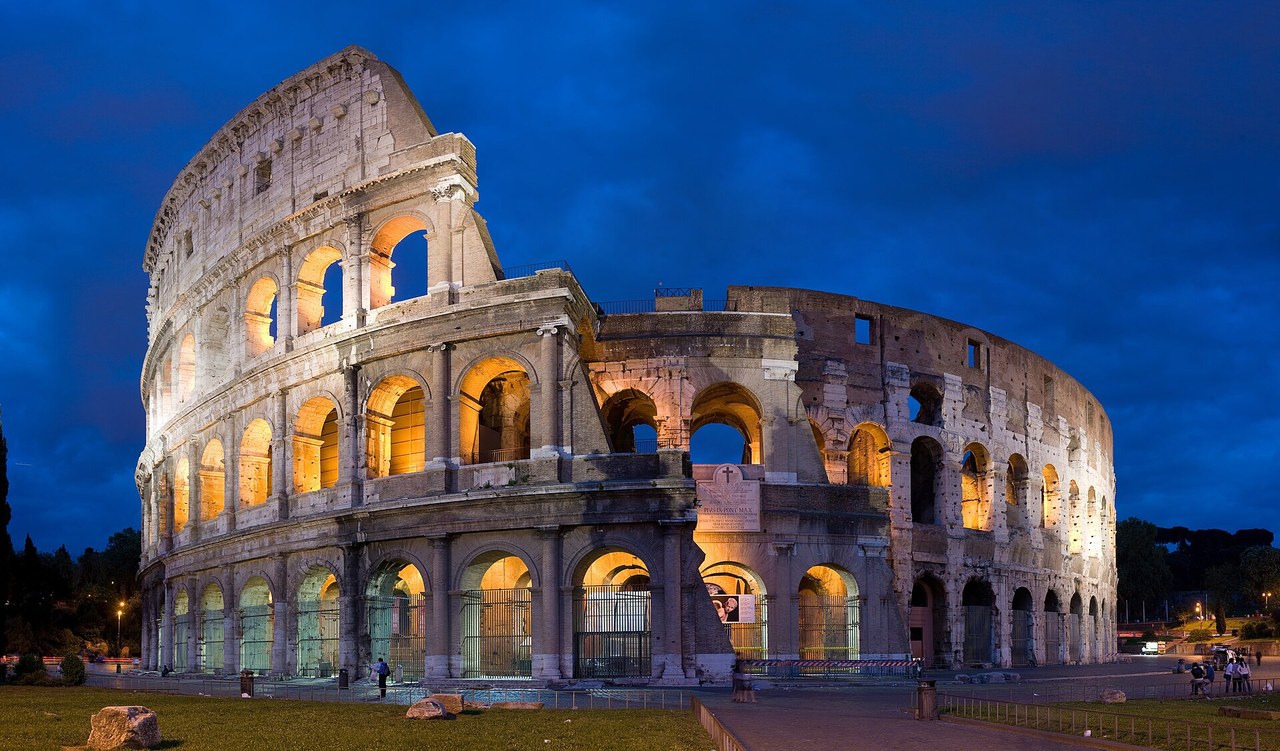
Rome is an open-air museum layered over nearly three thousand years: the Colosseum and Roman Forum anchor the ancient city, while the Vatican City adds St Peter's Basilica and the Sistine Chapel a short ride away. Between the monuments, everyday Rome — espresso bars, market squares such as Campo de' Fiori, and the lanes of Trastevere — is half the pleasure. April to June and September to October give warm days without the peak heat; July and August are hot and crowded, and August is when many local businesses close. Rome suits history enthusiasts, first-time visitors to Italy, art lovers and food travellers. It can be done at almost any budget, from hostel bunks near Termini to luxury hotels near the Spanish Steps, and most highlights are reachable on foot or by metro.
Santorini, Greece
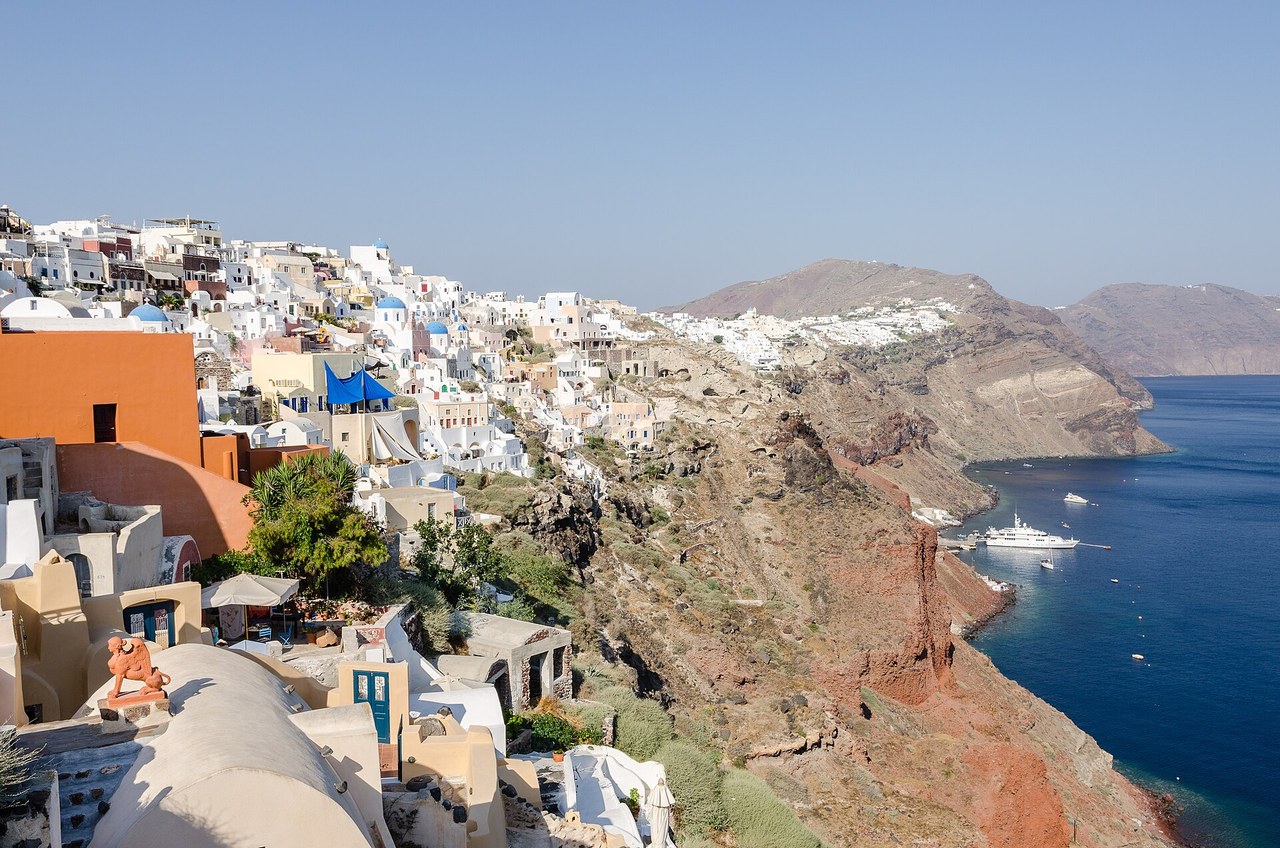
Santorini is the crescent rim of a drowned volcanic caldera, and its whitewashed villages — Oia, Fira and Imerovigli — spill down black cliffs to an intensely blue Aegean. Travellers come for the caldera sunsets, cave hotels with plunge pools, black- and red-sand beaches such as Kamari and Perissa, boat trips to the hot springs, and the buried ancient city of Akrotiri, preserved by the eruption that shaped the island. May to June and September to early October are the sweet spots: warm seas, open businesses and fewer crowds than the July–August peak, when prices and temperatures both soar. Santorini suits couples and honeymooners first of all, plus photographers and relaxed island-hoppers combining it with other Cyclades. It leans luxury in the caldera-view villages; staying in Kamari or Perissa keeps it mid-range.
Bali, Indonesia
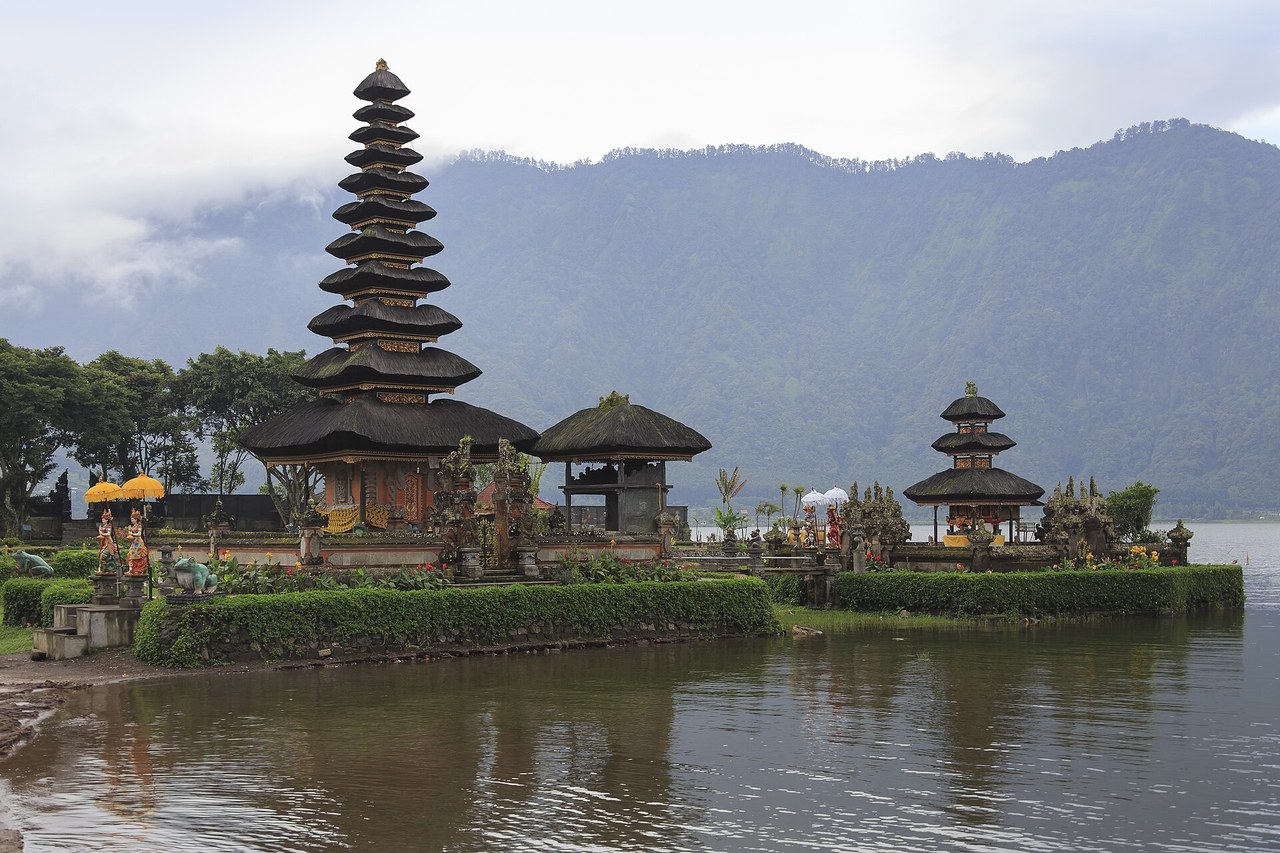
Bali pairs a deeply spiritual Hindu culture with surf beaches, jungle valleys and volcanic highlands, which is why it absorbs everyone from backpackers to honeymooners. Ubud, inland, is the cultural heart — temples, rice terraces at Tegalalang, craft villages and yoga retreats — while the south coast (Kuta, Seminyak, Canggu, Uluwatu) is about beaches and surf breaks, and the temple of Ulun Danu Bratan floats on its mountain lake in the north. The dry season, roughly April to October, is best for beaches and island-hopping to Nusa Penida; the November-to-March wet season brings short, heavy showers but greener landscapes and lower prices. Bali suits surfers, wellness and yoga travellers, couples, and long-stay visitors on a mid-range budget; it remains one of the better-value destinations on this list outside the luxury resort strip.
New York City, USA
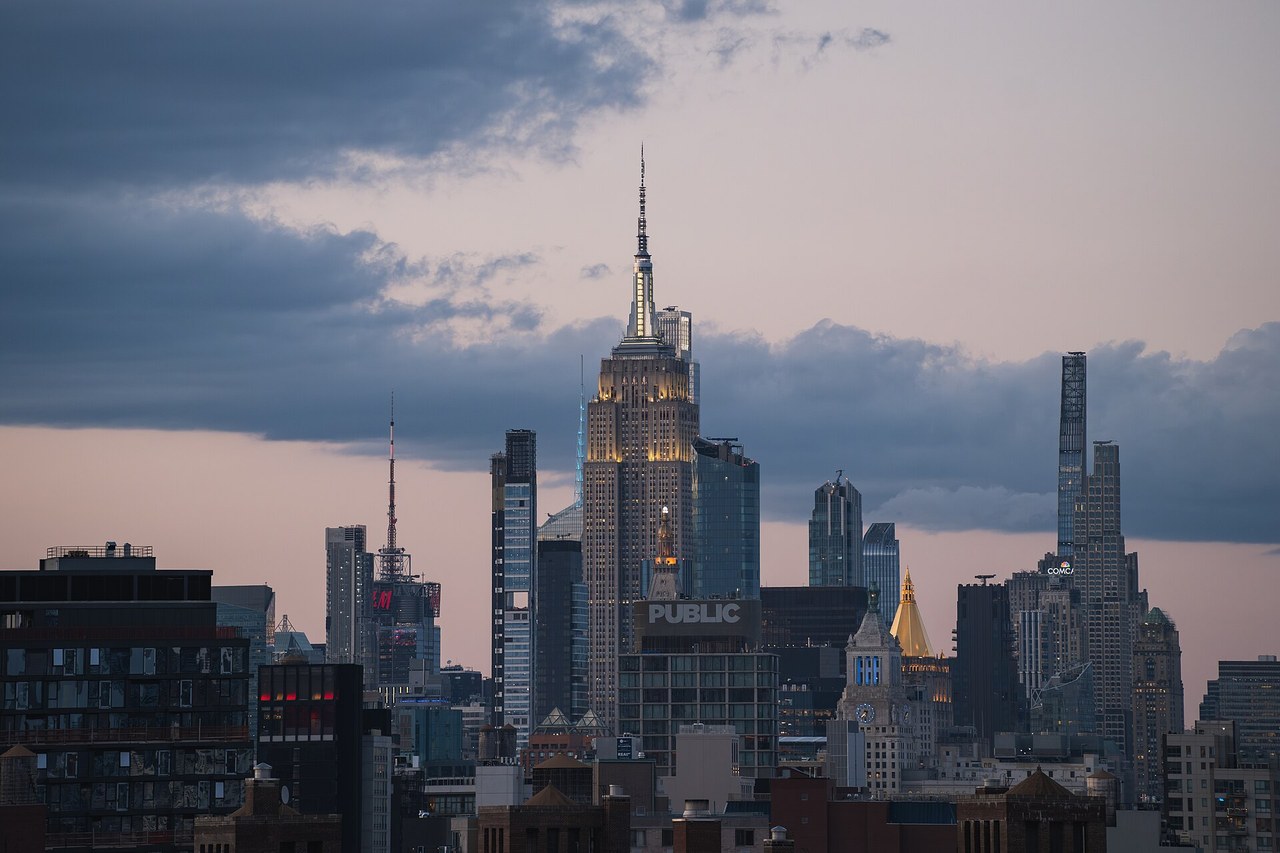
New York is the archetypal big-city trip: the Statue of Liberty and Ellis Island, the Empire State and Chrysler Buildings, Times Square, Central Park, Broadway theatres, and museums of the calibre of the Metropolitan Museum of Art and MoMA — all spread across five boroughs with quite different characters. September to October brings crisp air and autumn colour; April to June is mild and lively; December is magical but pricey around the holidays, and January–February is the cheapest, coldest window. New York suits city lovers, theatre and museum travellers, shoppers, and food enthusiasts who can eat their way through a different cuisine every night. It is firmly a mid-range to luxury destination — accommodation dominates any budget — though many of its best experiences, from the Brooklyn Bridge walk to Central Park, are free.
Dubai, UAE
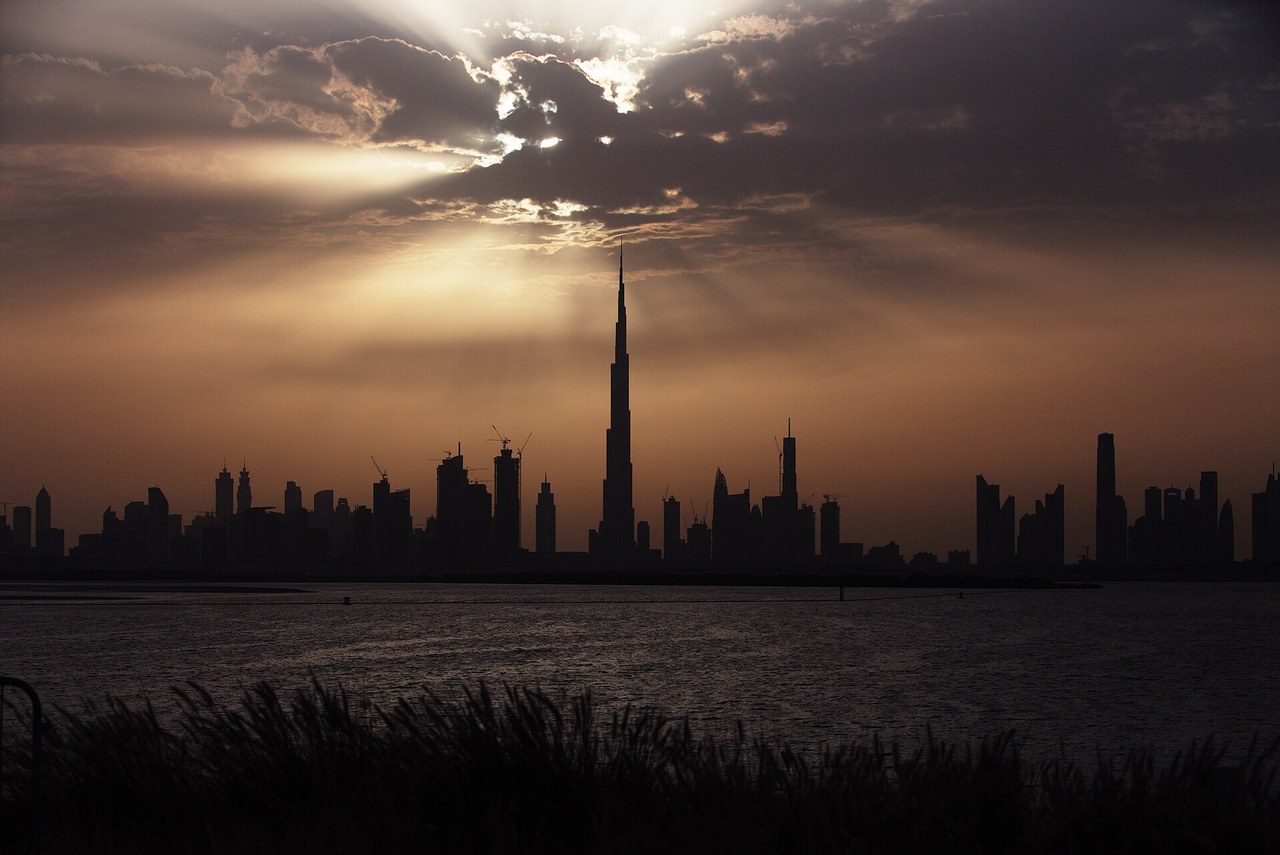
Dubai built itself into a destination within a generation: the Burj Khalifa, the world's tallest building, rises over fountain shows and mega-malls, while the older city around Dubai Creek keeps gold and spice souks, wooden abra boats and the Al Fahidi historic quarter. Add Palm Jumeirah's resorts, desert safaris to the dunes, and indoor attractions built to beat the heat. November to March is the comfortable season for being outdoors; from June to September, extreme heat pushes life indoors and prices drop sharply. Dubai suits luxury travellers, shoppers, families who use its theme parks and aquariums, and stopover visitors breaking a long-haul journey for two or three days. Costs span mid-range in the older districts to unapologetically luxury on the Palm and around Downtown.
London, UK
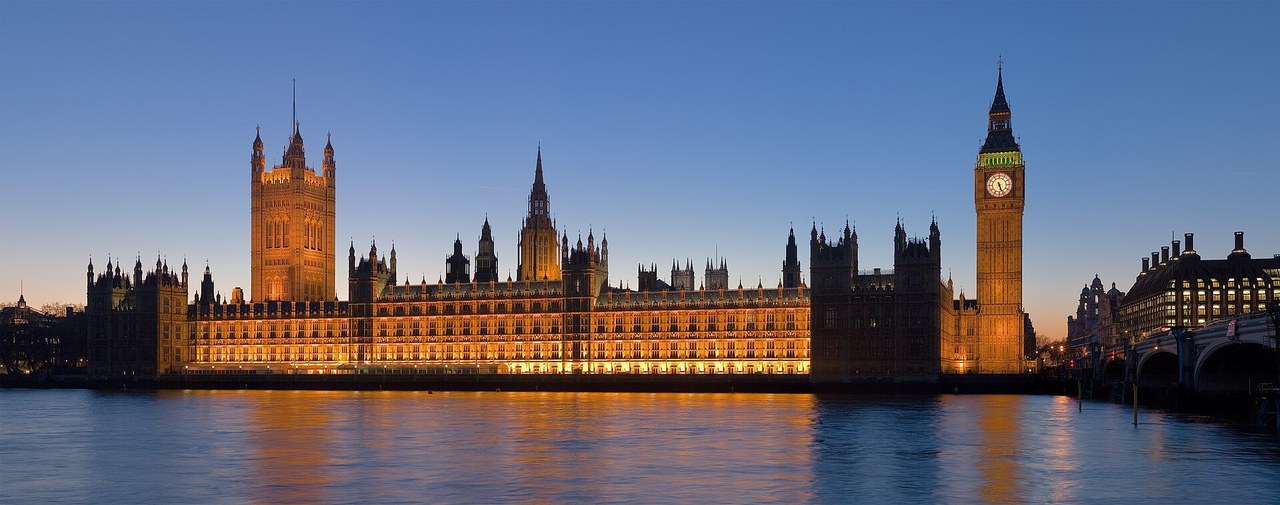
London mixes world-famous pageantry with neighbourhoods that each feel like a separate city. The headline list is long — the Tower of London, Buckingham Palace, Westminster Abbey, the British Museum, the Tower Bridge skyline — and much of the museum offer is free, which softens a famously expensive city. May to September gives the longest days and the best chance of park weather in Hyde Park and Hampstead Heath; December trades daylight for festive lights and markets. London suits first-time visitors to Britain, theatre travellers (the West End rivals Broadway), history and museum enthusiasts, and anyone using it as a rail hub for day trips to Oxford, Bath or Brighton. Budget for mid-range to luxury spending, and stay near a Tube line rather than chasing a central postcode.
Interlaken and the Jungfrau Region, Switzerland
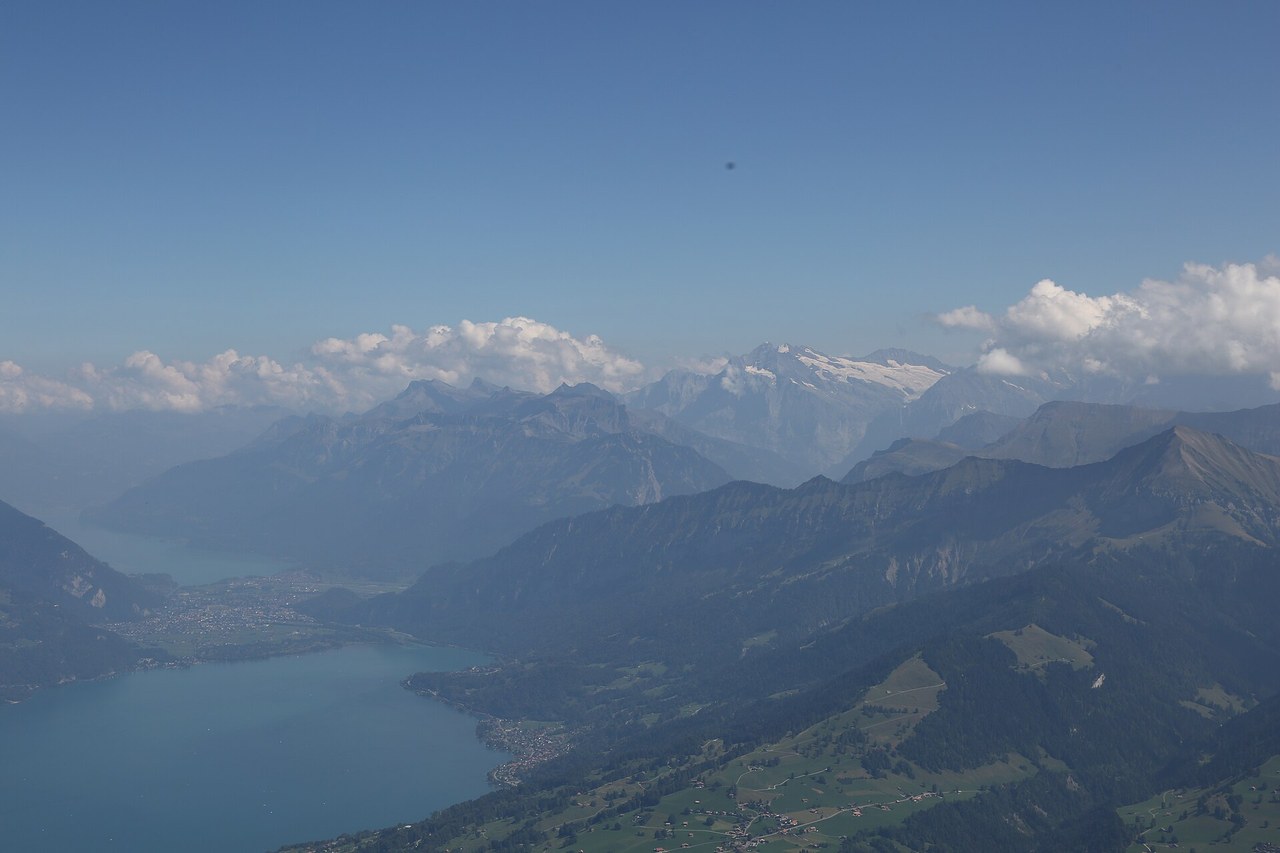
Interlaken sits between two turquoise lakes, Thun and Brienz, with the Eiger, Mönch and Jungfrau peaks filling the southern horizon — a base town rather than a sight in itself, and all the better for it. From here, cog railways climb to car-free Wengen and Mürren, and to Jungfraujoch, Europe's highest railway station, while boats, funiculars and cable cars stitch the whole region together. June to September is hiking and lake season; December to March turns the same villages into ski bases, with Interlaken itself lively year-round. The region suits mountain lovers, railway enthusiasts, photographers and adventure travellers — this is also a European centre for paragliding and canyoning. Switzerland is luxury-leaning on price, though rail passes and self-catering apartments pull a trip back toward mid-range.
Maldives
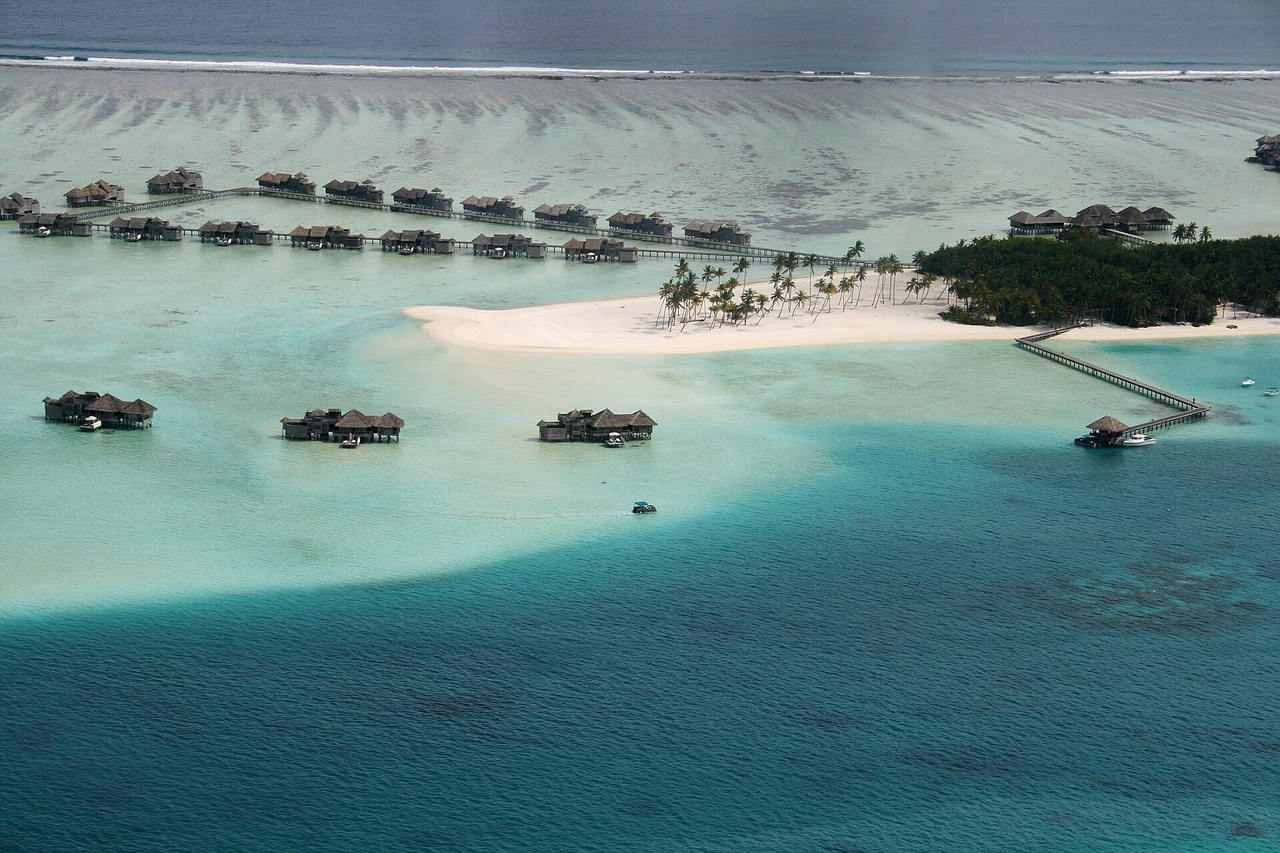
The Maldives is a chain of coral atolls in the Indian Ocean where the resort is the destination: each island typically holds one property, ringed by a house reef in water that graduates from pale turquoise to deep blue. Days are built around snorkelling and diving with turtles, rays and reef sharks, overwater or beach villas, spa sessions and boat trips between sandbanks. November to April is the dry north-east monsoon — calmer seas, better visibility, highest prices — while May to October brings more rain and surf, with greener deals. The Maldives suits honeymooners and couples, divers and snorkellers, and travellers who want a genuinely do-nothing beach week. It is the most luxury-leaning entry on this list, though local-island guesthouses have opened a mid-range route in recent years.
Barcelona, Spain
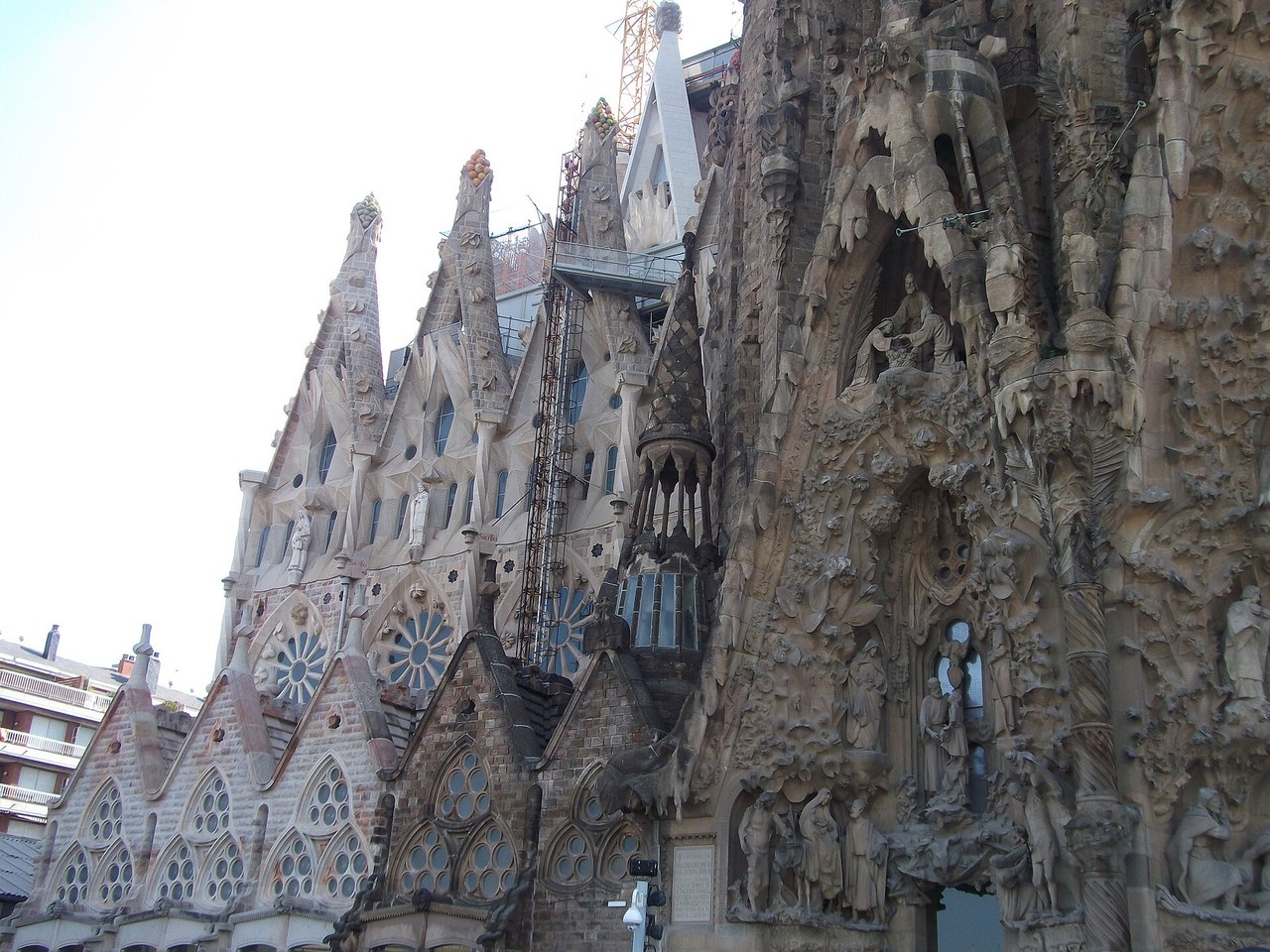
Barcelona is where a Mediterranean beach city collides with the strangest architecture in Europe: Antoni Gaudí's Sagrada Família basilica (still being completed after more than a century), the mosaic terraces of Park Güell and the wave-fronted Casa Batlló. Beyond Gaudí, there is the Gothic Quarter's medieval lanes, the Rambla and Boqueria market, and kilometres of city beach. April to June and September to October balance warm weather with manageable crowds; August is hot, busy and partly shut as locals leave. Barcelona suits architecture and design lovers, food travellers grazing on tapas and vermouth bars, beach-plus-city breakers, and football fans timing a trip around a match at Camp Nou's successor stadium. Prices sit mid-range for western Europe, rising fast in peak season near the old town.
Reykjavik and the South Coast, Iceland
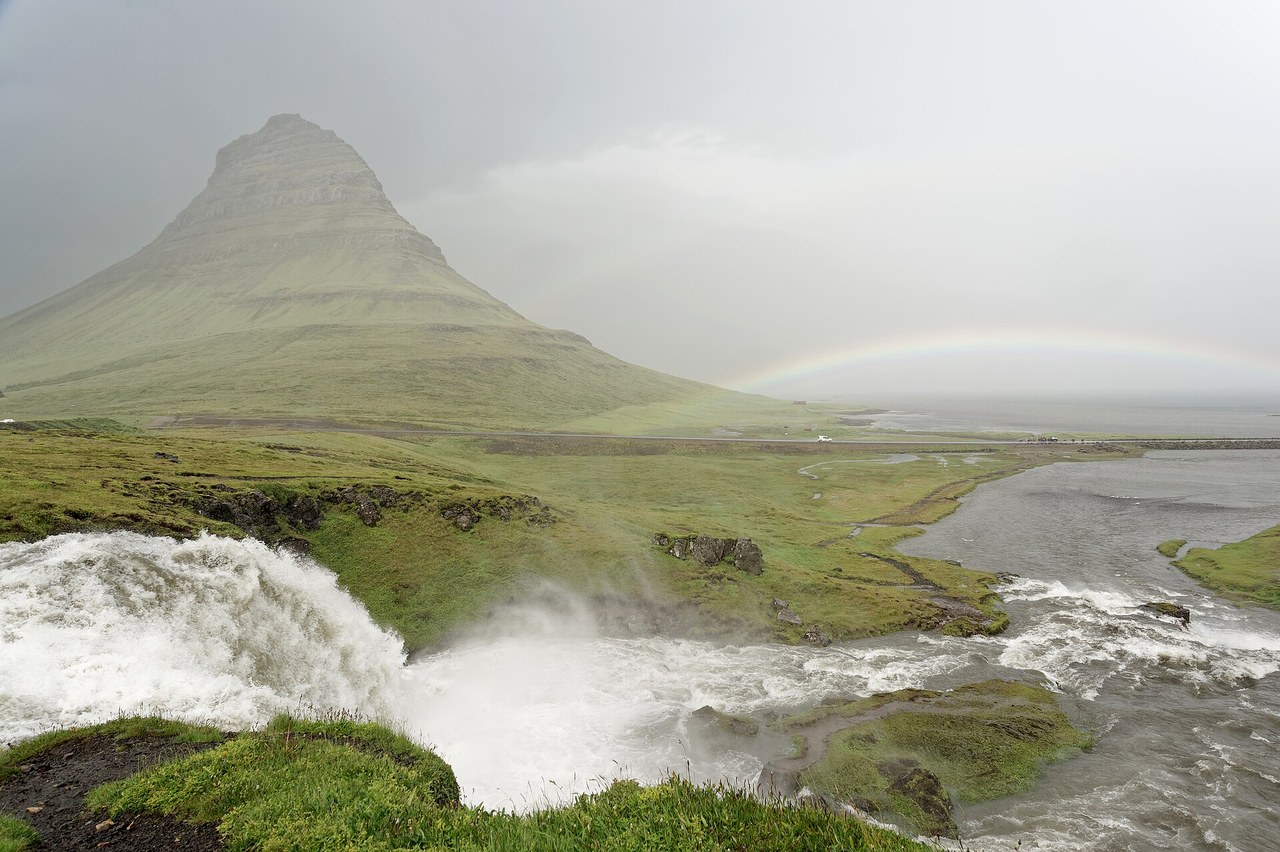
Iceland's capital is the friendly base for one of the world's great road trips. Reykjavik itself offers the Hallgrímskirkja church tower, a compact old town of colourful corrugated houses, and geothermal pools — but the real draw is what lies along the Ring Road: the waterfalls Skógafoss and Seljalandsfoss, black-sand Reynisfjara beach, glacier lagoons and, in winter, the northern lights. June to August brings near-24-hour daylight and open highland roads; September to March is aurora season, with short days and changeable weather. Iceland suits road-trippers, photographers, geology and wildlife enthusiasts, and anyone who finds conventional beach holidays dull. It is a luxury-leaning destination for costs — food, fuel and tours add up — though campervans and self-catering keep a trip closer to mid-range.
Cape Town, South Africa
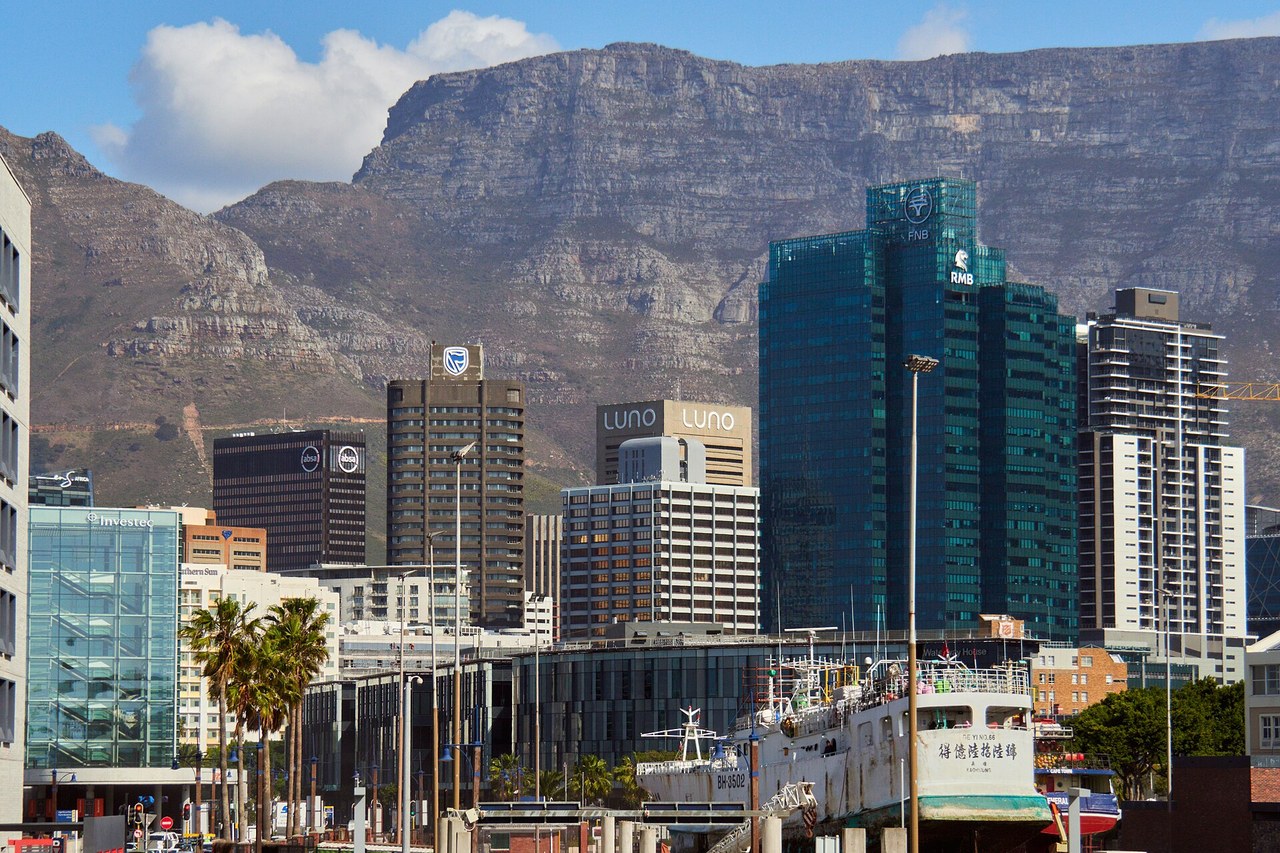
Few cities sit in a setting like Cape Town's: Table Mountain rises directly behind the centre, the Atlantic and False Bay coasts wrap the peninsula, and the Cape of Good Hope and the penguin colony at Boulders Beach are an easy day's drive. Add Robben Island's sobering history, the V&A Waterfront, Kirstenbosch botanical garden on the mountain's slopes, and the Constantia wine valley within the city limits. November to March is the long, dry summer (book ahead for December–January); June to August is the green, rainy winter — whale season, and better value. Cape Town suits nature-and-city travellers, food and wine enthusiasts, road-trippers starting the Garden Route, and visitors who want safari extensions elsewhere in South Africa. For international visitors it is notably good value at mid-range budgets.
Sydney, Australia
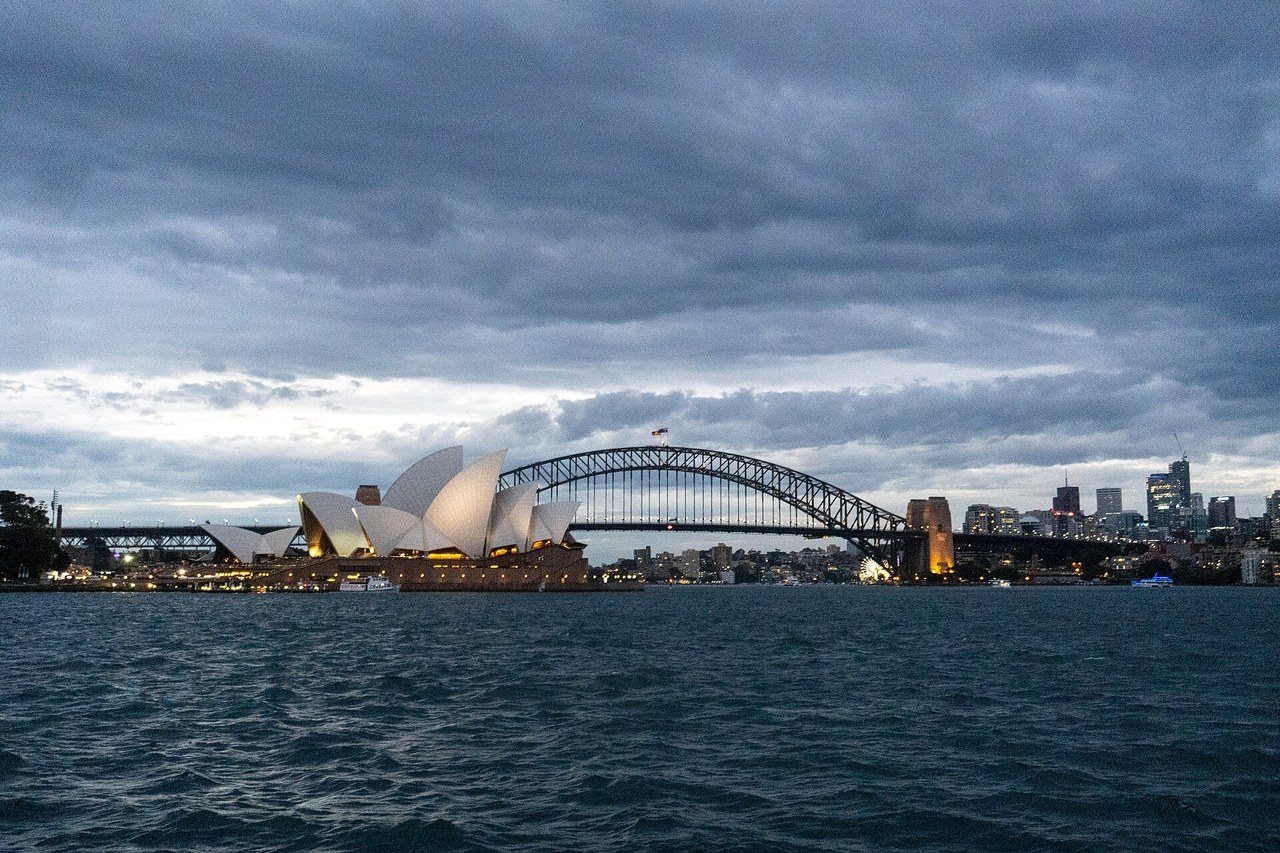
Sydney is built around its harbour, and the first day writes itself: the Opera House sails on Bennelong Point, the Harbour Bridge invites a climb, ferries cross to Manly, and the Bondi to Coogee coastal walk strings together surf beaches and ocean pools. Beyond the postcard, neighbourhoods such as Surry Hills, Newtown and the historic Rocks each have their own pubs, markets and galleries. September to November (spring) and March to May (autumn) bring warm, settled weather; December to February is beach season at its busiest, and June to August is mild rather than cold. Sydney suits beach-and-city travellers, outdoor lifestyles, food lovers working through its café culture, and anyone pairing it with the Blue Mountains, an hour or two inland. Expect mid-range to luxury-leaning prices, especially for harbour-view stays.
Marrakech, Morocco
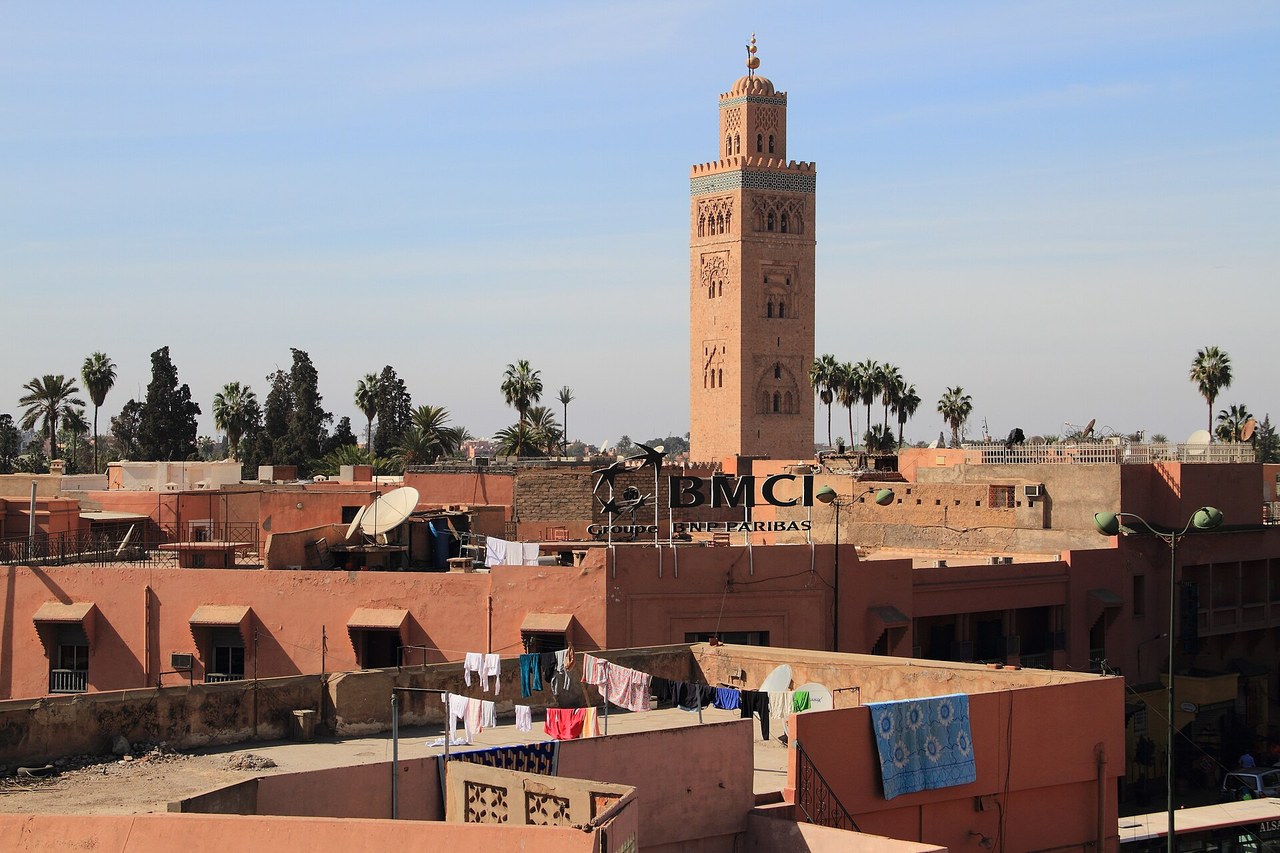
Marrakech is an assault on the senses in the best way: a medieval medina of souks selling lanterns, leather and spices, centred on the Jemaa el-Fnaa square, where food stalls and performers take over at dusk. The Koutoubia Mosque's minaret anchors the skyline; the Bahia Palace and Saadian Tombs show off intricate tilework and cedar carving; and the cobalt-blue Jardin Majorelle offers calm a short ride away. March to May and October to November are the comfortable seasons; June to August is fiercely hot, and winter nights can be cold despite sunny days. Marrakech suits culture and design travellers, shoppers prepared to haggle happily, food enthusiasts, and anyone using it as the gateway to Atlas Mountains hikes or a Sahara excursion. Riads in the medina span mid-range to luxury; it is one of the better-value stops on this list.
How to choose
Start with the real decision: who will use this, where, how often, and what would make the choice unsafe or disappointing? The following checks keep the shortlist practical.
- Best season and weather window
- What the trip is for — sights, beach, food, nature, adventure
- Overall cost level, including local transport
- Days needed to do it justice
- Entry rules and current travel advice (always confirm officially)
What to verify before you commit
Confirm the current specification, price or availability, terms, and seller or provider identity. For companies and services, request a written scope, named contact, references, and cancellation or warranty terms. For products, compare the unit price, compatibility, return window, and genuine support.
Editorial update
This is a VisitBest editorial selection, not an official ranking: the mix balances famous cities, islands, mountains and cultural centres across six continents. Seasons are general guidance — weather, prices, opening arrangements and entry rules change, so confirm official travel advice and current details before booking. Cost levels are described qualitatively (budget, mid-range, luxury-leaning) rather than with prices, which vary too much by season and departure point to state responsibly.
Frequently asked questions
How should I use this guide?
Use the shortlist to define what matters to you, then verify current price, availability, rules, credentials, or catalogue details at the source before you decide.
Is this a fixed ranking?
No. The refreshed page is an editorial starting point organised by fit and evidence. The right choice depends on your use case, location, budget, and timing.
When will this page be updated?
VisitBest reviews time-sensitive details when reliable public information changes. Send corrections or newer source links to visitbest10@gmail.com.
Keep exploring
Best Places for Chocolate Lovers: Cities, Regions and Traditions
Plan a chocolate-focused trip around historic makers, cacao-growing regions, museums, pastry culture, and responsible farm visits.
Best Places to Visit in the World: Ideas by Travel Style
A balanced destination shortlist organised by culture, nature, food, adventure, and ease of travel rather than one universal ranking.

Pharma Companies in Delhi (2026)
Explore pharma companies in Delhi — ratings, company types, comparison tables, and VisitBest directory listings.